Learn how to file your SBA disaster application for loans up to $2M. Guide for homeowners, businesses: eligibility, steps, rates & more!
April 17, 2026
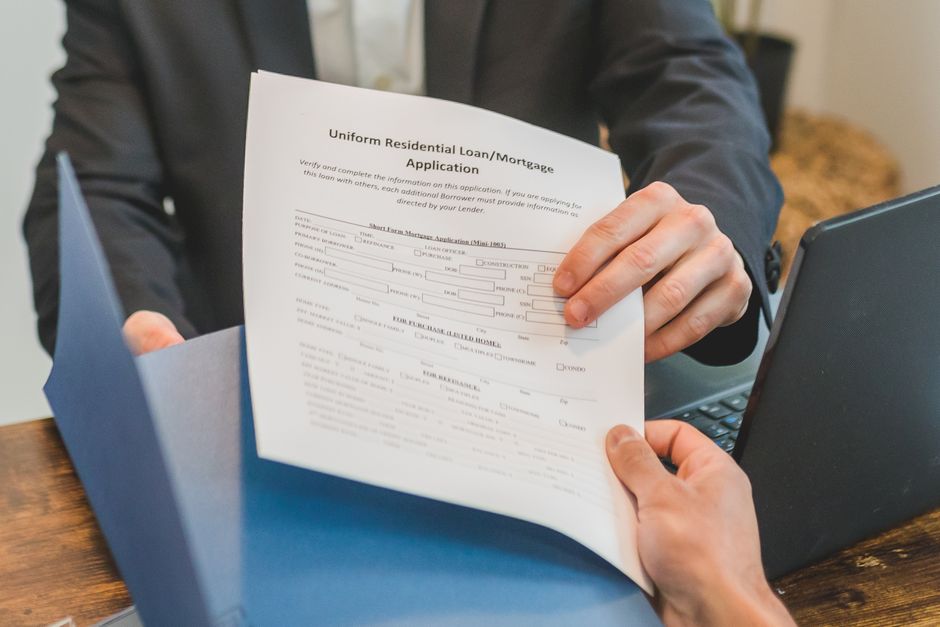
SBA disaster application is the process of applying for a low-interest federal loan to help you repair, rebuild, or recover after a declared disaster.
Here's how to get started quickly:
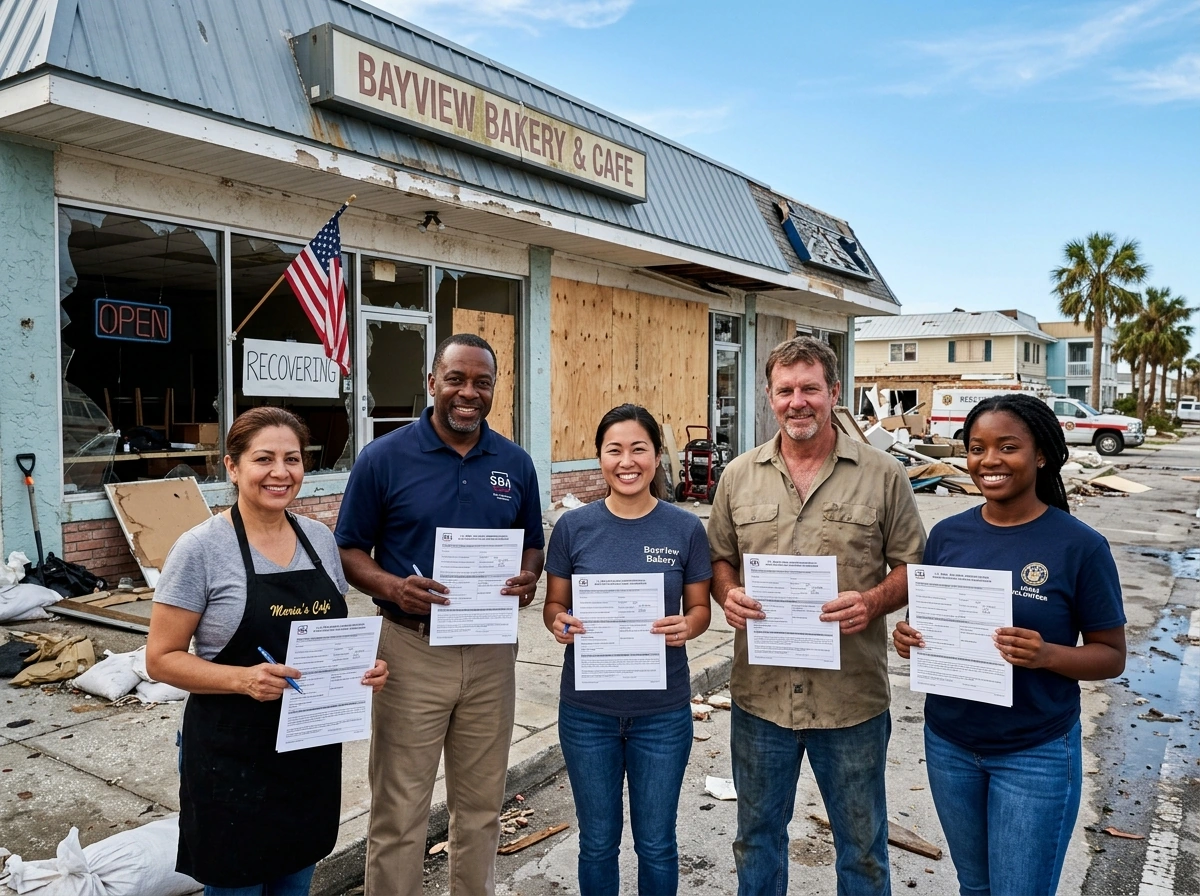
When a storm, flood, fire, or other disaster hits, the damage can wipe out years of hard work in hours. Insurance often doesn't cover everything. That gap between what you lost and what insurance pays is exactly what SBA disaster loans are designed to fill.
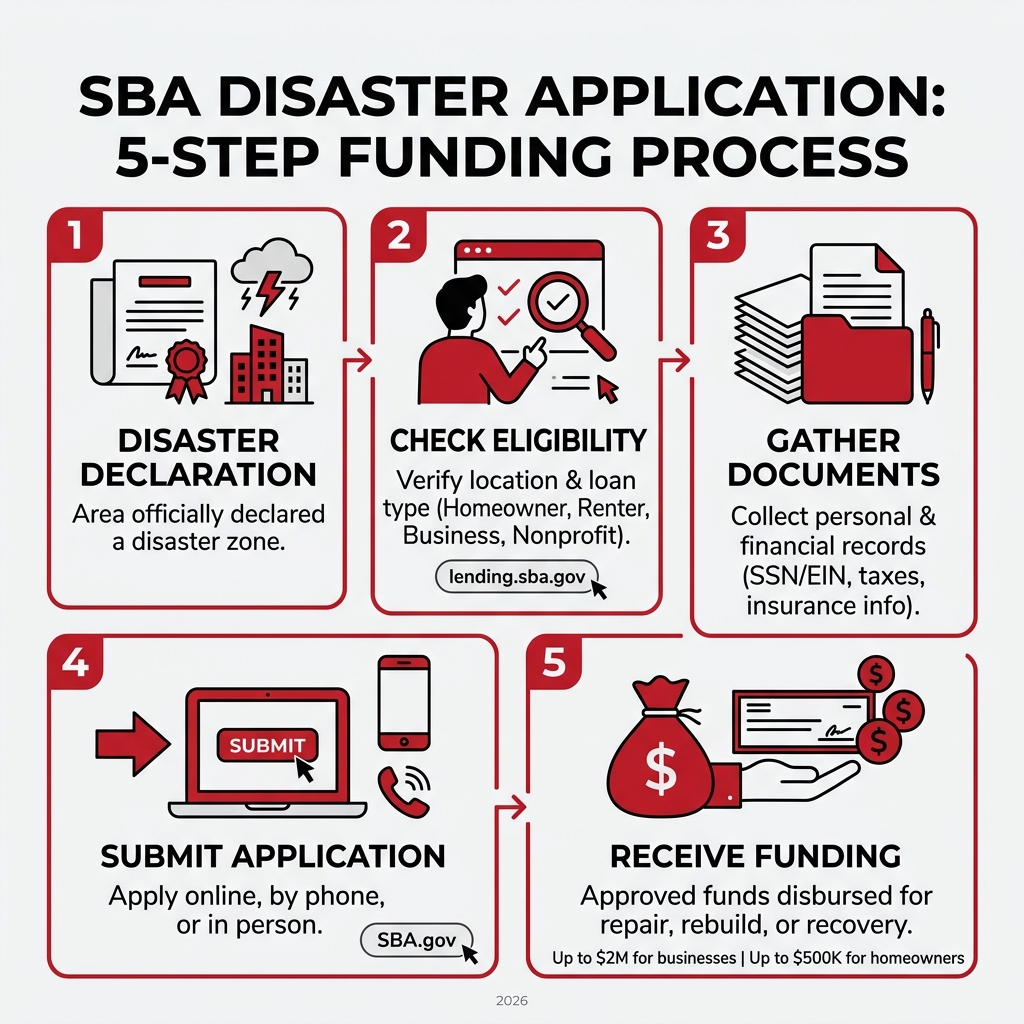
The SBA is the largest source of federal disaster recovery funding for homeowners and businesses. Loans can go up to $2 million for businesses and $500,000 for homeowners - at interest rates as low as 2.688%.
I'm Cesar DonDiego, a finance and accounting professional with years of experience helping small business owners navigate funding programs, including the SBA disaster application process. Let's walk through exactly how to apply, what you'll need, and how to avoid the mistakes that slow people down.
Many people think the Small Business Administration (SBA) only helps people who own a company. That is actually a big myth! When a disaster is officially declared by the President or the SBA, this agency becomes a primary source of help for almost everyone in the community.
An SBA disaster loan is a low-interest loan provided by the federal government to help you fix things that were broken or lost during a disaster. These loans aren't just for "big" things; they are meant to cover the gap left behind by your insurance company. If your insurance doesn't pay enough to fix your roof or replace your equipment, the SBA can step in.
Who can apply?
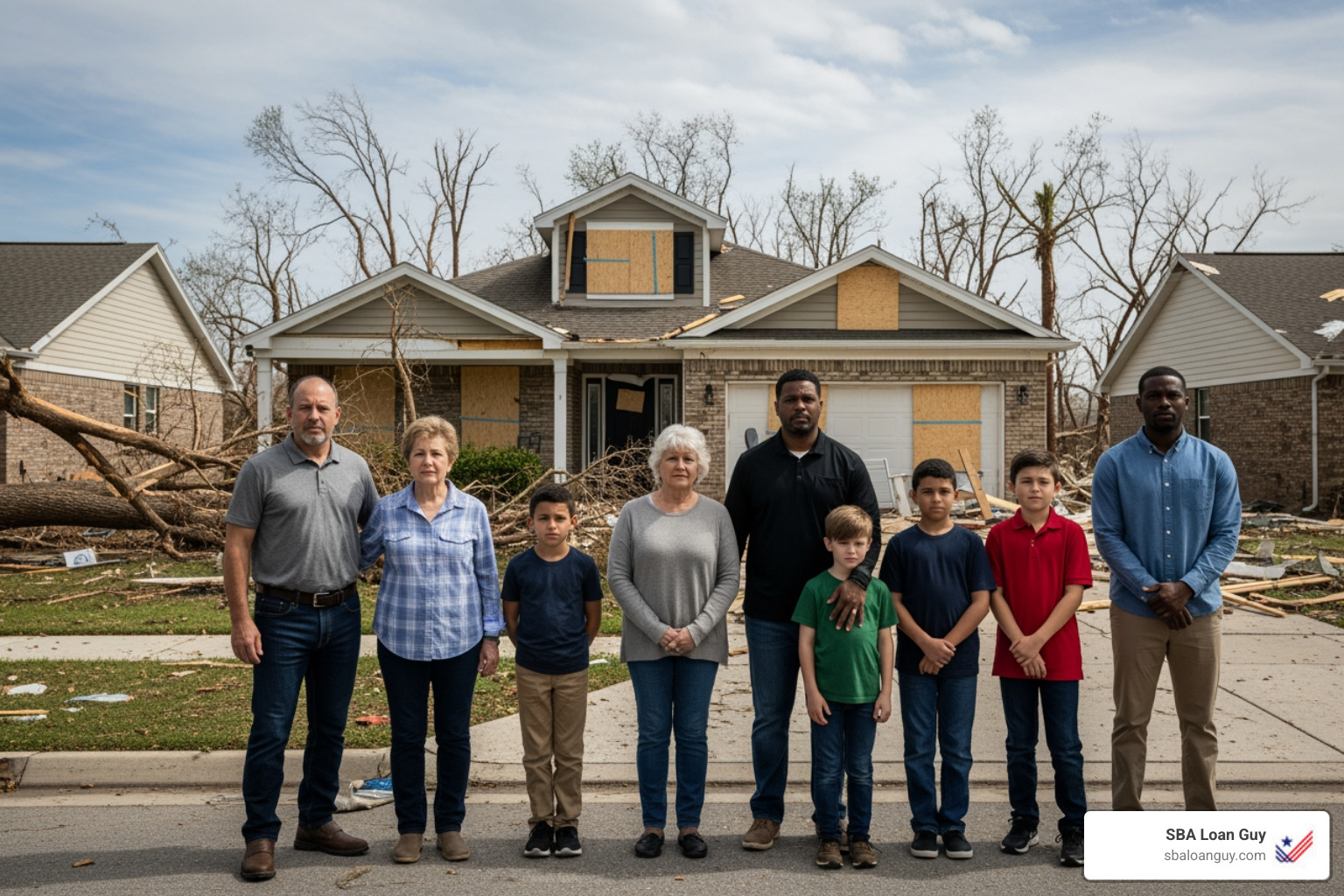
To be eligible, your property must be located in a declared disaster area. This means the government has officially recognized that your county needs help. We serve clients in major hubs like Houston, New York City, Chicago, and San Francisco, and we often see these declarations after major floods or storms. You must also have "uninsured losses," which just means the damage wasn't fully paid for by your insurance company.
There are a few different "buckets" of money available depending on who you are and what happened to your property. Understanding these helps you fill out your SBA disaster application correctly.
These are for things you can touch. If a tree fell on your garage or a flood ruined your office carpet, this is the loan for you.
Sometimes a disaster doesn't break your windows, but it "breaks" your bank account. For example, if a hurricane keeps customers away for a month, you might not have money to pay your employees or your rent.
We also want to highlight a special type of help: the Military Reservists Economic Injury Loans. If your small business loses an essential employee because they were called to active duty, the SBA provides loans to help your business stay afloat while they are away serving our country.
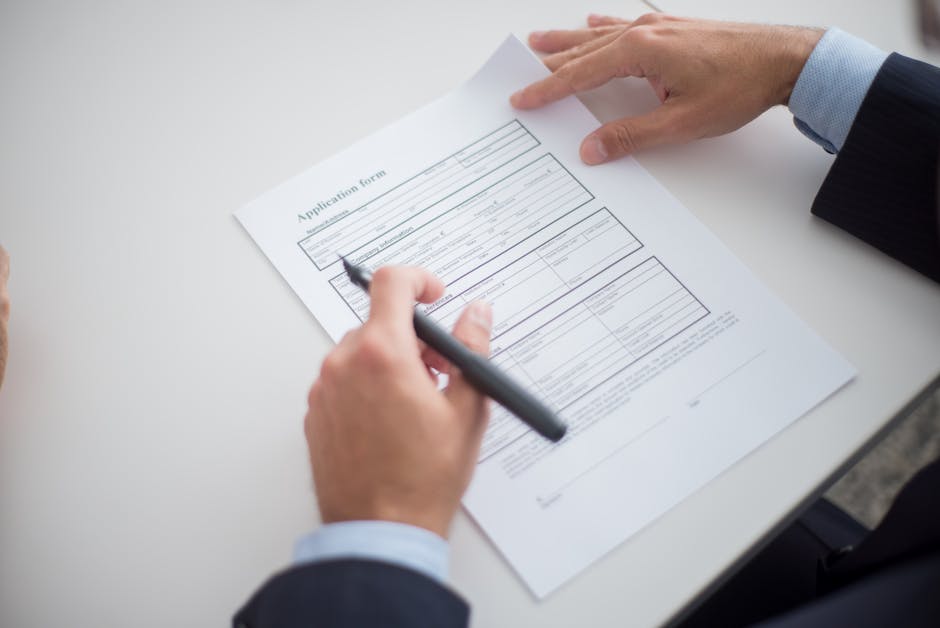
Applying for help can feel overwhelming when you are already dealing with a disaster, but the process is broken down into clear steps. At SBA Loan Guy, we help guide you through these so you don't feel lost.
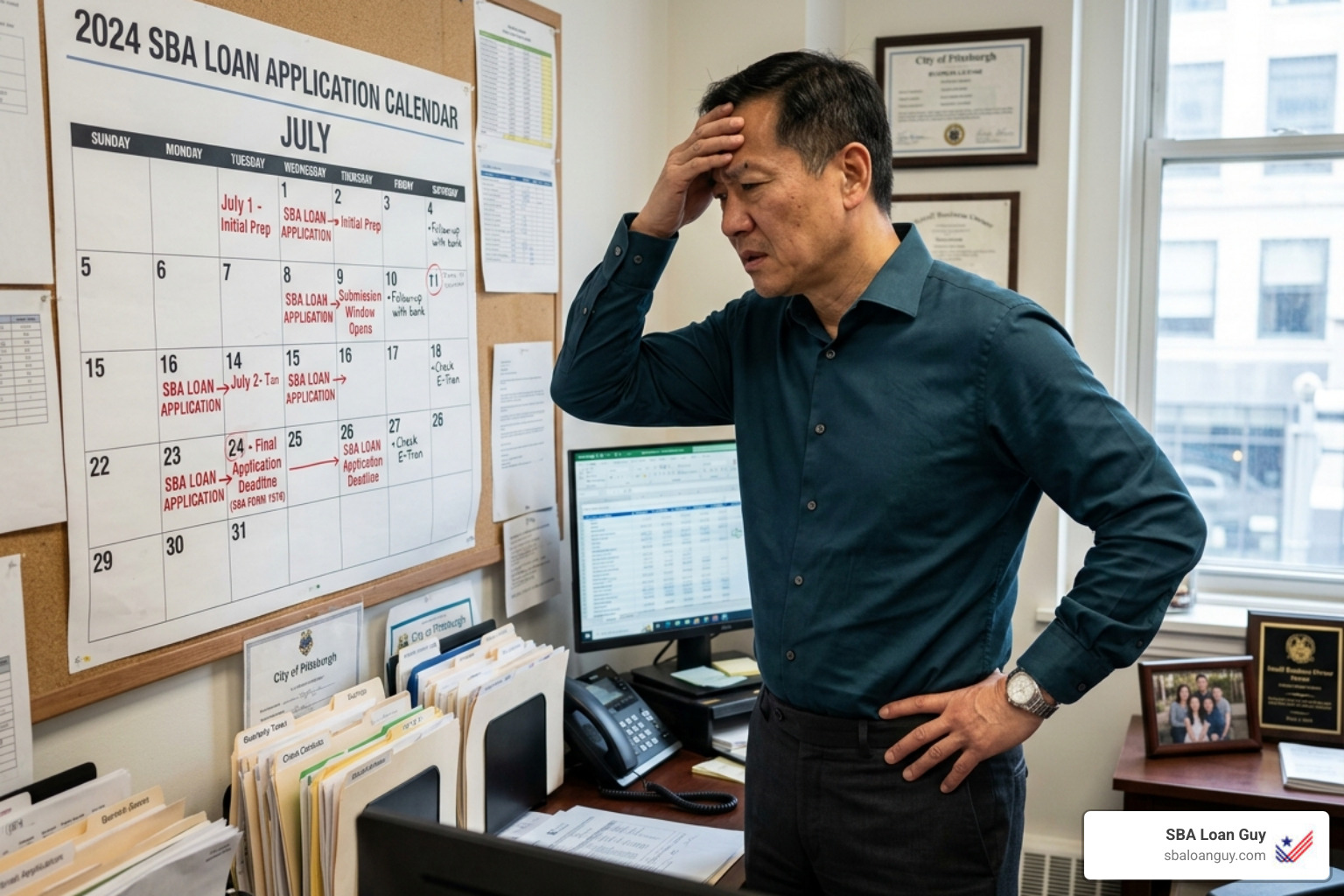
It is very important to watch the calendar. There are two different deadlines for every disaster.
Physical Damage
Economic Injury
Note: Always check your specific disaster declaration for the exact dates!
If you need help in person, you can visit a FEMA Disaster Recovery Center (DRC). There are usually SBA staff members there who can sit down with you and help you fill out the forms.
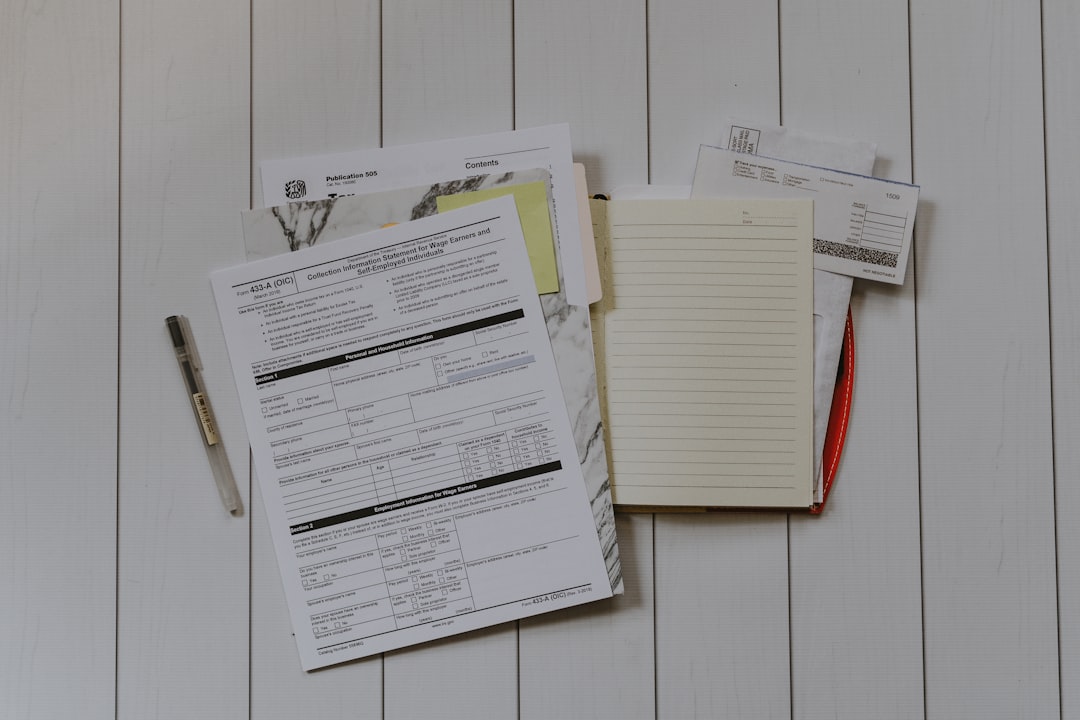
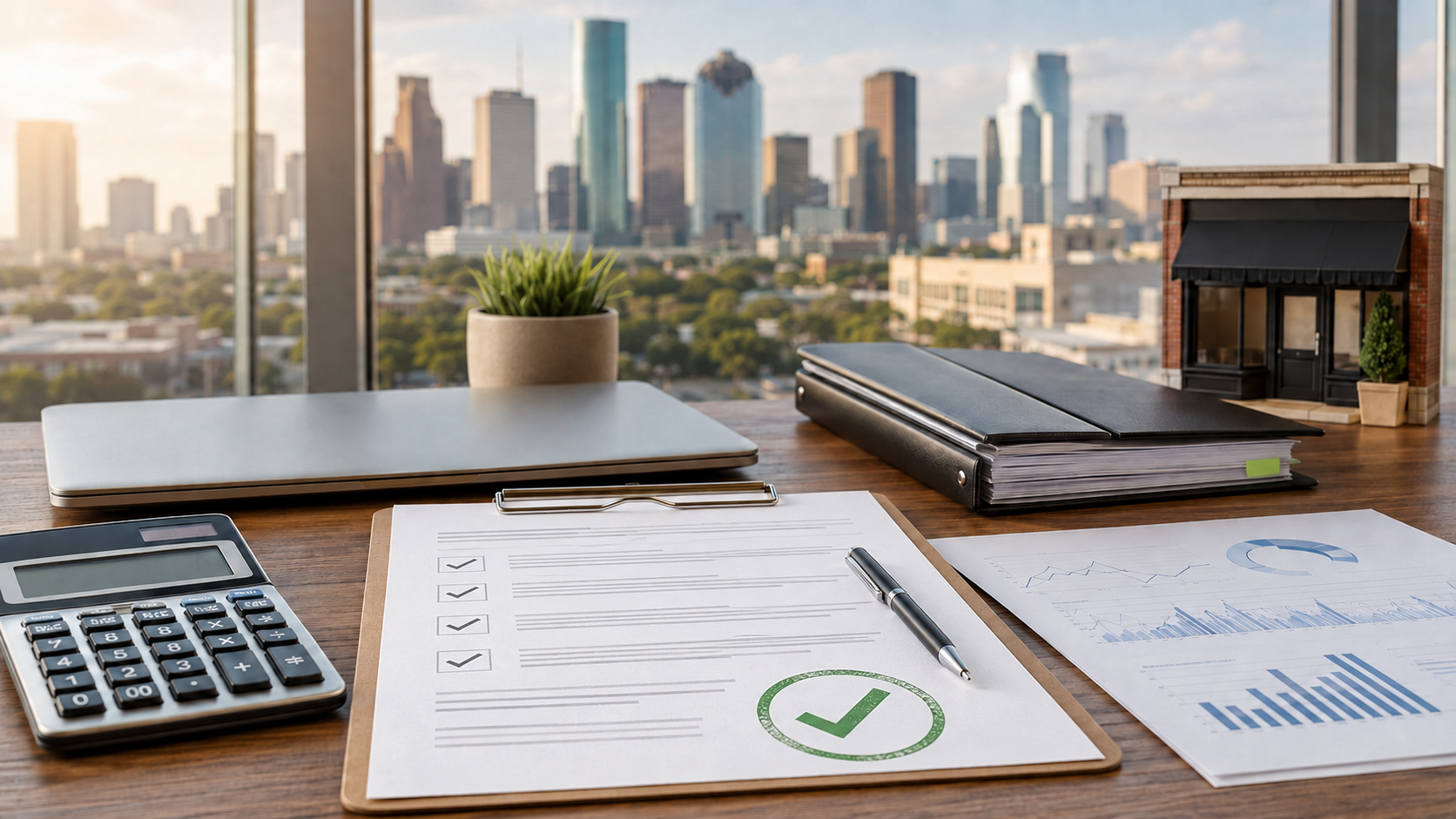
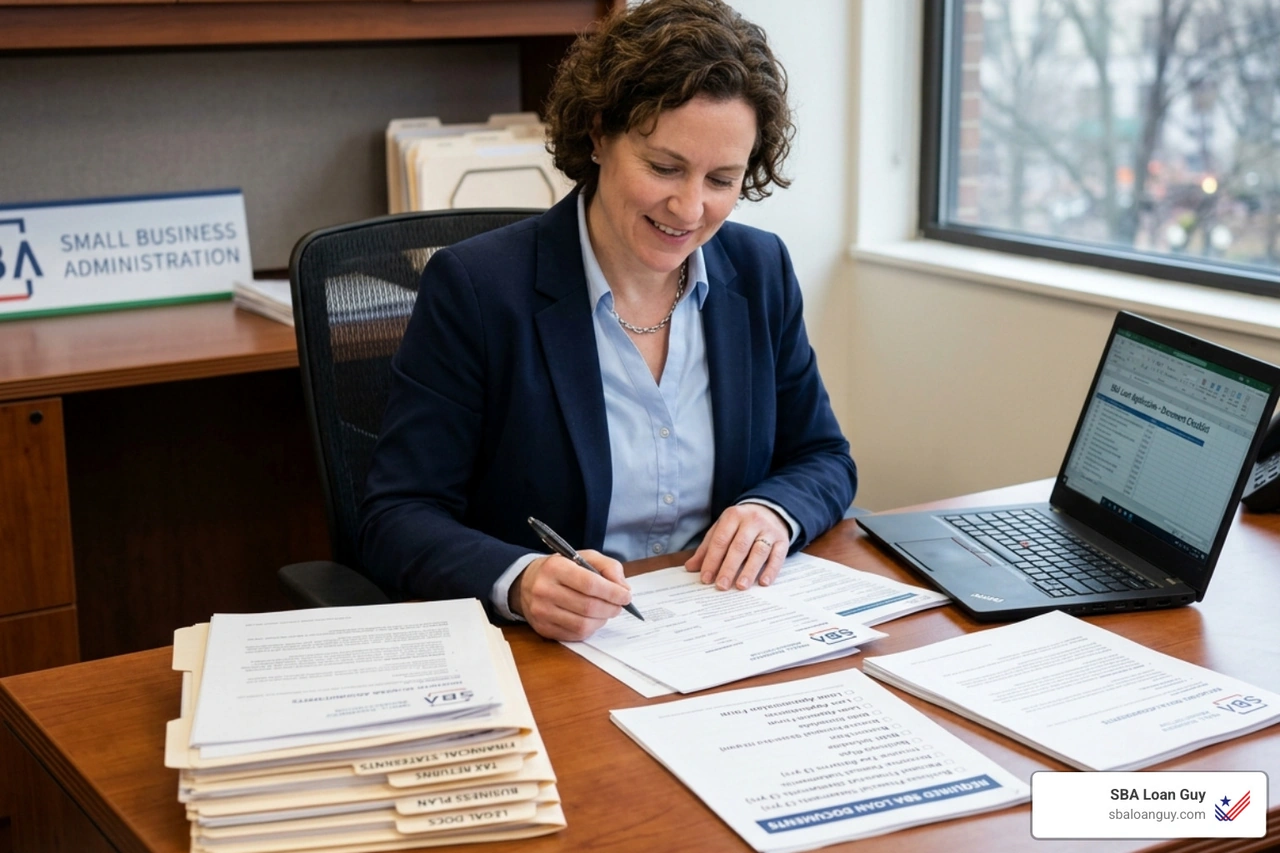
To make the process go fast, have these items ready before you sit down at the computer:
Once you hit "submit," the waiting game begins. But you don't have to wonder what's happening.
The SBA offers some of the best loan terms you will ever find. Because the goal is to help you recover, not to make a profit, the rates are kept very low.
How much can you borrow?
What are the costs?
When a big disaster happens, FEMA and the SBA work together like a team. FEMA usually handles the immediate "emergency" needs, like a place to stay tonight or basic repairs to make a home safe. The SBA handles the long-term rebuilding.
The FEMA Referral: Sometimes, FEMA will tell you that you must apply for an SBA loan before they can give you certain types of other grants. Even if you don't think you want a loan, you should still submit the SBA disaster application. If the SBA turns you down, they will send you back to FEMA, which might open up more grant money for you.
Many people ask about the Economic Injury Disaster Loan (EIDL) from the pandemic. Please note that the COVID-19 EIDL program is closed to new applications. However, "regular" EIDL is still very much available for new natural disasters like floods, fires, and tornadoes.
No! As we mentioned, homeowners and renters are a huge part of this program. If you live in a declared disaster area and your personal property was damaged, you are encouraged to apply.
You should still apply. Most insurance policies have deductibles or limits that don't cover the full cost of rebuilding. The SBA loan is designed to cover that "gap." If your insurance eventually pays more than expected, you can use that money to pay down the SBA loan.
No. New applications for the COVID-19 specific EIDL ended in early 2022. But don't worry—if you are facing a new disaster (like a recent storm), the standard EIDL program is open and ready to help.
Recovering from a disaster is a marathon, not a sprint. While the first few days are about safety, the next few weeks are about funding your future. Your assets—your home, your equipment, your inventory—are what you've worked so hard for. Don't let a disaster take them away forever.
At SBA Loan Guy, we specialize in taking the stress out of the paperwork. We help you understand the rules, match you with the right programs, and guide you through every step of the SBA disaster application. Whether you are in The Woodlands, Houston, Orlando, or Chicago, we are here to help you rebuild.
Ready to take the first step toward recovery?
We can't stop the storm from coming, but we can certainly help you pick up the pieces afterward. Let's get to work on your recovery.

A distilled, 0–100 snapshot of how fundable you are based on credit, cash flow, equity, and documentation. Plus the top fixes to raise your score fast.
A curated shortlist of lenders that fit your profile and use of funds, with why each is a fit and exactly what they’ll want to see.
A tailored, step-by-step list of required docs and forms (formats, who provides them, and common pitfalls to avoid).
A realistic week-by-week path from pre-qual to closing, with milestones, dependencies, and an estimated target funding date.
Hands-on prep and documentation for SBA disaster programs (EIDL and others), including submissions, follow-ups, and guidance through appeals or requests for more info.
We prepare your application, match you with the
right lenders, and guide you until funding.