Unlock Capital for small business. Explore grants, loans, investors, and crowdfunding. Get funding secrets and prepare your business today!
February 24, 2026
When you are starting a business, the first place you usually look for money is your own pocket. It makes sense, right? If you don't believe in your idea enough to put your own money in, it is hard to ask others to do the same.
Did you know that nearly 80% of small business startups are funded with personal savings or income from another job? This is called "bootstrapping."
Bootstrapping is great because you keep 100% of the control. You don't have to answer to a boss or an investor. However, it can be slow. If you only spend what you earn, it might take a long time to grow. Also, you have to be careful not to use up your "emergency" money or retirement funds. We always tell our clients to set a limit so they don't put their personal future at risk.
"Love money" is money you get from people who care about you—like parents, siblings, or best friends. It is often called "patient capital" because your mom probably won't call you every day asking for her money back with interest.
But be careful! Mixing business with family can be tricky. We recommend treating these like professional loans. Write down a simple agreement that says if the money is a gift, a loan, or if they own a tiny piece of the business. This keeps Sunday dinners from getting awkward.
If you have a high-tech idea, you might look for a business incubator. These are like "schools" for startups. They give you a place to work, share tools, and offer guidance. Companies usually stay in these for about two years. Accelerators are similar but faster—they help you "sprint" to grow your business in just a few months, often providing a small amount of seed money in exchange for a little bit of ownership.
Crowdfunding is like asking the whole world for a small donation. Instead of one big bank loan, you get $50 from a thousand different people.
This is a big choice. Do you want to owe money (Debt) or give away a piece of your company (Equity)?
Debt Financing (Loans):
Equity Financing (Investors):
Sometimes the government wants to help small businesses because they create jobs. They don't usually lend money directly to you. Instead, they "guarantee" the loan. This means if you can't pay it back, the government tells the bank, "Don't worry, we will cover most of it." This makes banks much more willing to say "Yes!"
If you are in Canada, the Canada Small Business Financing Program (CSBFP) is a huge help. It is a government-sponsored program that offers up to $1,000,000.
In the United States, the State Small Business Credit Initiative (SSBCI) helps democratize access to money. The federal government gives money to states (like Florida, California, and Illinois) to help them start their own loan and investment programs. This is especially helpful for business owners in underserved communities who might have a harder time getting a traditional bank loan.
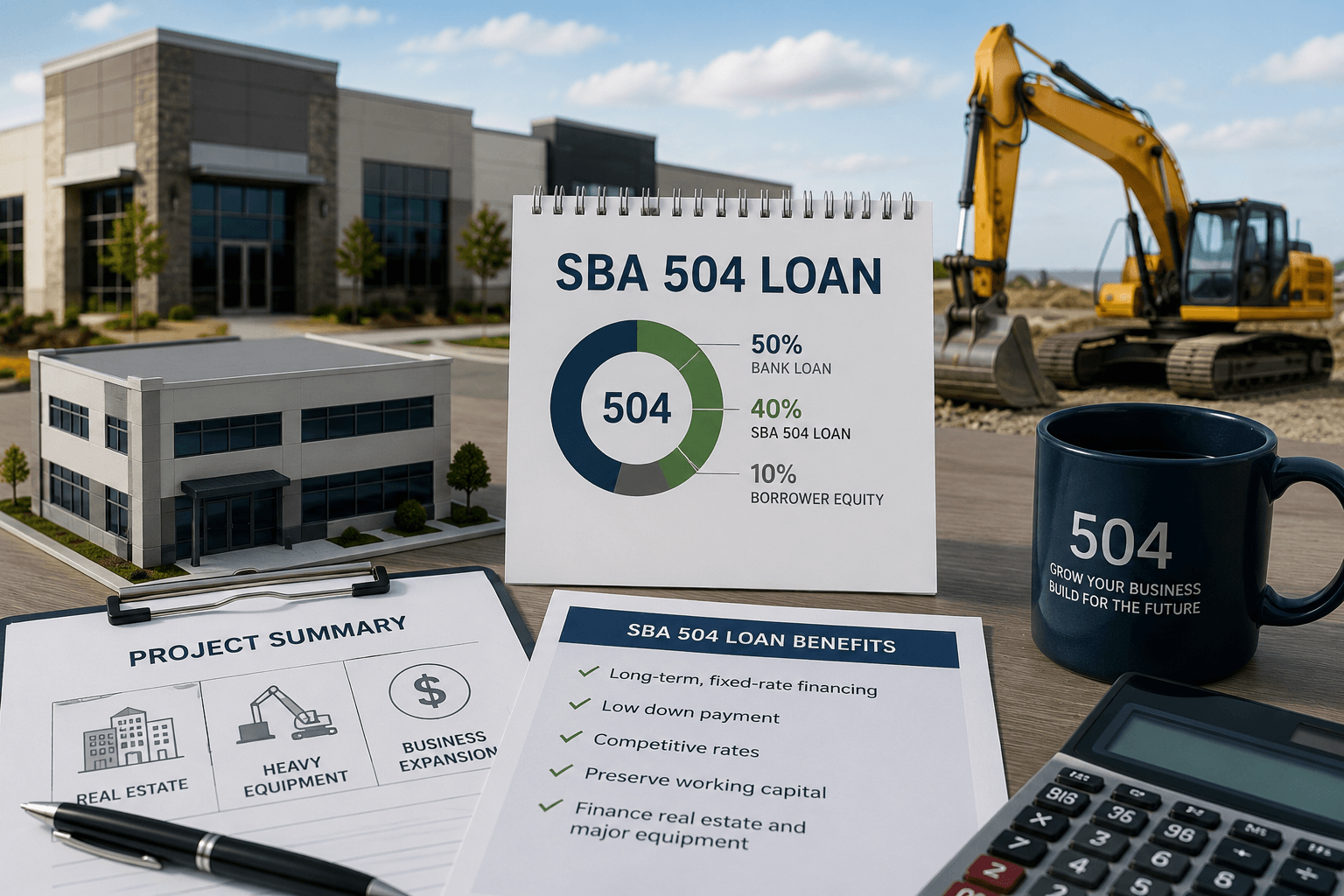
For our neighbors in the US, the Small Business Administration (SBA) offers the most popular loans:
There are specific programs designed to make sure everyone has a fair shot:
If your business is built to grow very fast—like a new app or a medical invention—you might look for private investors.
People often get these mixed up, but they are different!
Angel Investors:
Venture Capitalists (VCs):
Some investors only put money into certain types of businesses. For example:
Getting capital for small business is a bit like going on a first date. You want to look your best and prove you are responsible!
Before you talk to a lender, you need to have your "house in order."
| Feature | Term Loan | Line of Credit |
|---|---|---|
| How it works | One big lump sum | Like a credit card for your business |
| Best for | Buying a big machine or a building | Paying bills while waiting for customers to pay you |
| Repayment | Fixed monthly payments | Pay back only what you spend |
| Term | Up to 10-25 years | Usually reviewed every year |
A business plan isn't just a piece of paper; it’s your map. It should include:
When you meet a lender, lead with a "hook"—something that makes your business exciting. Use tangible metrics (real numbers) rather than just saying "we are going to be huge."
It also helps to have professional help. At SBA Loan Guy, we help you with our How it works process, where we prepare your application and match you with the right lender so you don't waste time.
Startups are "risky" because they have no history. Lenders will look closely at your personal credit and your experience in the industry. Established businesses (usually 2+ years old) have "proof" that they can make money, so they often get better interest rates and larger loans.
Grants are competitive! You usually have to meet strict rules (like being in a certain industry or belonging to a specific group). Most grants require "matching funds," which means if the government gives you $10,000, you have to put in $10,000 of your own money too.
It’s not just the interest rate! You might have to pay:
Securing capital for small business is one of the biggest problems you will face, but you don't have to do it alone. Whether you are looking at the 85% guarantee of a government program or the high-leverage power of an SBA 7(a) loan, the secret is preparation.
Know your numbers, build a solid plan, and choose the funding source that fits your goals. If you aren't sure where to start, we are here to help. We provide a personalized "pre-qualification snapshot" to show you exactly what you can afford and which lenders are the best match for your specific dream.
Ready to open up your business's potential? See if you pre-qualify with us today and let's get to work!

A distilled, 0–100 snapshot of how fundable you are based on credit, cash flow, equity, and documentation. Plus the top fixes to raise your score fast.
A curated shortlist of lenders that fit your profile and use of funds, with why each is a fit and exactly what they’ll want to see.
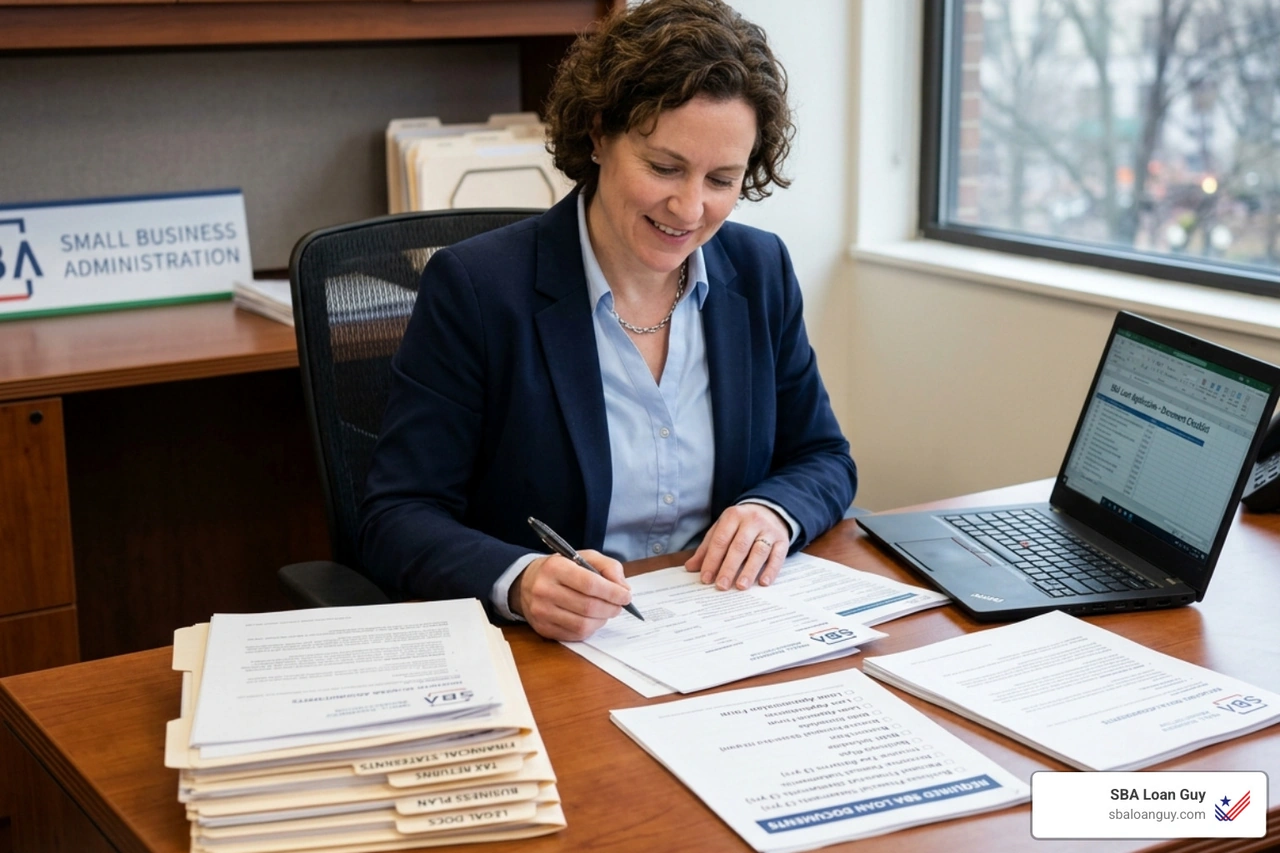
A tailored, step-by-step list of required docs and forms (formats, who provides them, and common pitfalls to avoid).
A realistic week-by-week path from pre-qual to closing, with milestones, dependencies, and an estimated target funding date.
Hands-on prep and documentation for SBA disaster programs (EIDL and others), including submissions, follow-ups, and guidance through appeals or requests for more info.
We prepare your application, match you with the
right lenders, and guide you until funding.