Struggling with cash flow? Explore working capital solutions to fund growth, inventory, & acquisitions for your business.
February 25, 2026

Working capital solutions help small businesses manage their day-to-day cash needs so they can pay bills, buy inventory, cover payroll, and keep operations running smoothly. These solutions include:
The right working capital solution depends on your business type, cash flow cycle, and growth plans. Most small businesses need enough working capital to cover 1-3 months of operating expenses, though seasonal businesses or those with long payment cycles may need more.
You probably already know this feeling: your business is doing well, customers are happy, and orders are coming in. But when you look at your bank account, there's not enough cash to cover next week's payroll and restock inventory. That's a working capital problem, and it's one of the most common challenges small business owners face.
Working capital is simply the money available to run your business day-to-day. It's what keeps the lights on, pays your team, stocks your shelves, and covers bills while you wait for customers to pay you. Even profitable businesses can struggle with cash flow when money is tied up in inventory or outstanding invoices.
The good news? There are proven strategies and financing options designed specifically to solve this problem. From traditional bank loans to modern SBA programs, small business owners now have more choices than ever for managing their working capital needs.
I'm Cesar Dondiego, and I've spent years helping business owners optimize their cash flow through smart financial planning and strategic use of working capital solutions. Throughout my career managing finances for over 100 small businesses, I've seen how the right working capital approach can transform a business from constantly stressed about money to confidently growing and seizing new opportunities.
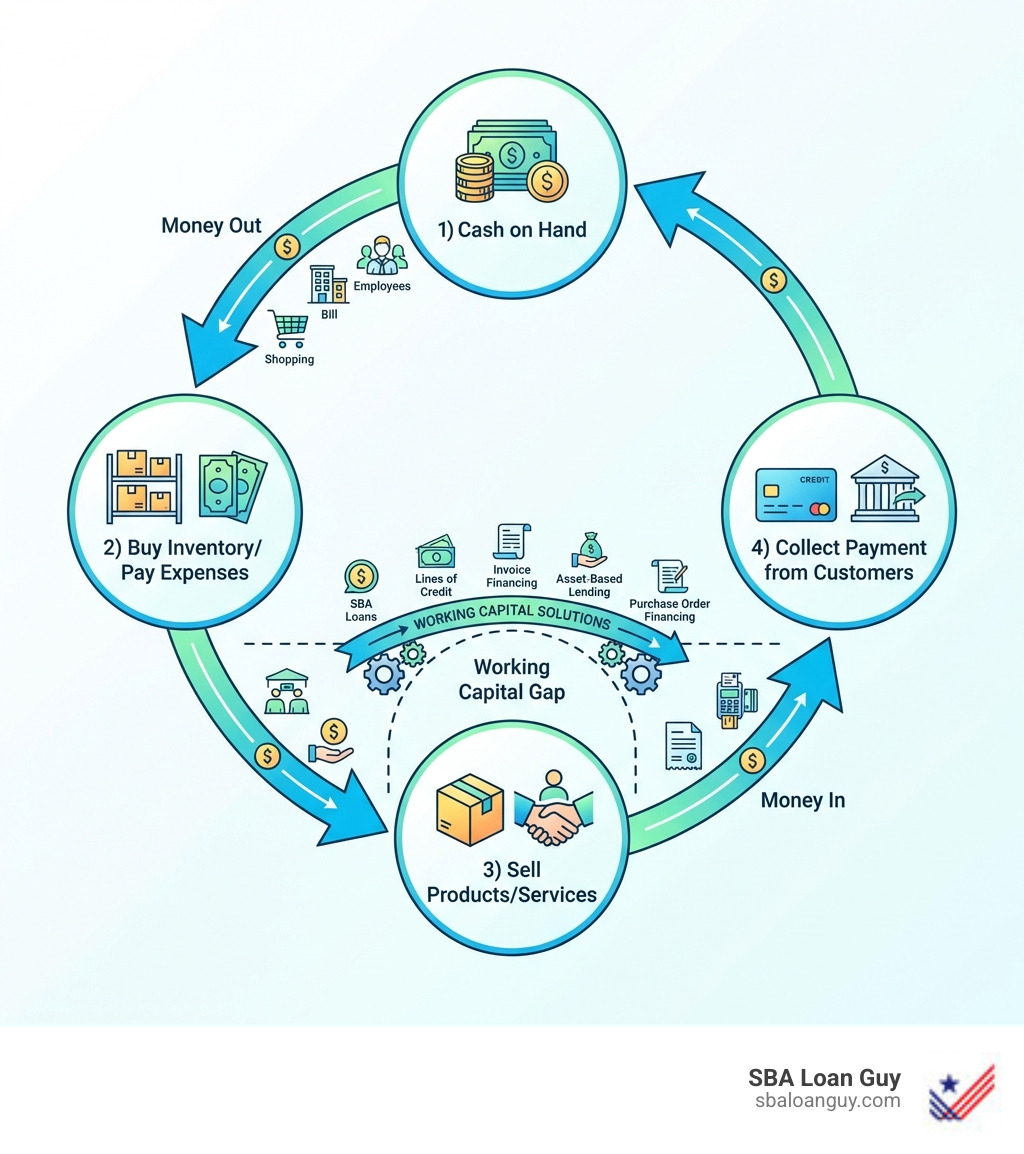
Think of working capital as the "oxygen" for your business. You might have a great body (your business assets) and a strong heart (your sales), but without oxygen moving through the system, everything stops. Technically, working capital is the difference between your current assets (cash, inventory, and money customers owe you) and your current liabilities (bills you need to pay soon).

For a small business in Houston or Chicago, working capital is what you use to buy more shirts for your retail store or pay your plumbers before the big contract check arrives. It is crucial because it bridges the gap between the time you pay for your expenses and the time you actually get paid by your customers.
Without enough of it, you might have to turn down a big new project because you can't afford the supplies to start it. To learn more about how these work, check out this simple guide to working capital loans.
We often say that "cash is king," but in working capital solutions, cash flow is the kingdom. Good cash flow management allows you to:
At SBA Loan Guy, we specialize in helping businesses across the US—from The Woodlands, TX to New York City—find the right financial tools to keep their engines running. We don't just hand you a form; we guide you through the process of preparing your application and matching you with the perfect lender.
When you look for working capital solutions, you'll find several flavors of SBA support. Here is a quick look at how they compare:
| Loan Type | Max Amount | Best For... |
|---|---|---|
| SBA 7(a) Loan | $5 million | Long-term working capital, business buyouts, and large expenses. |
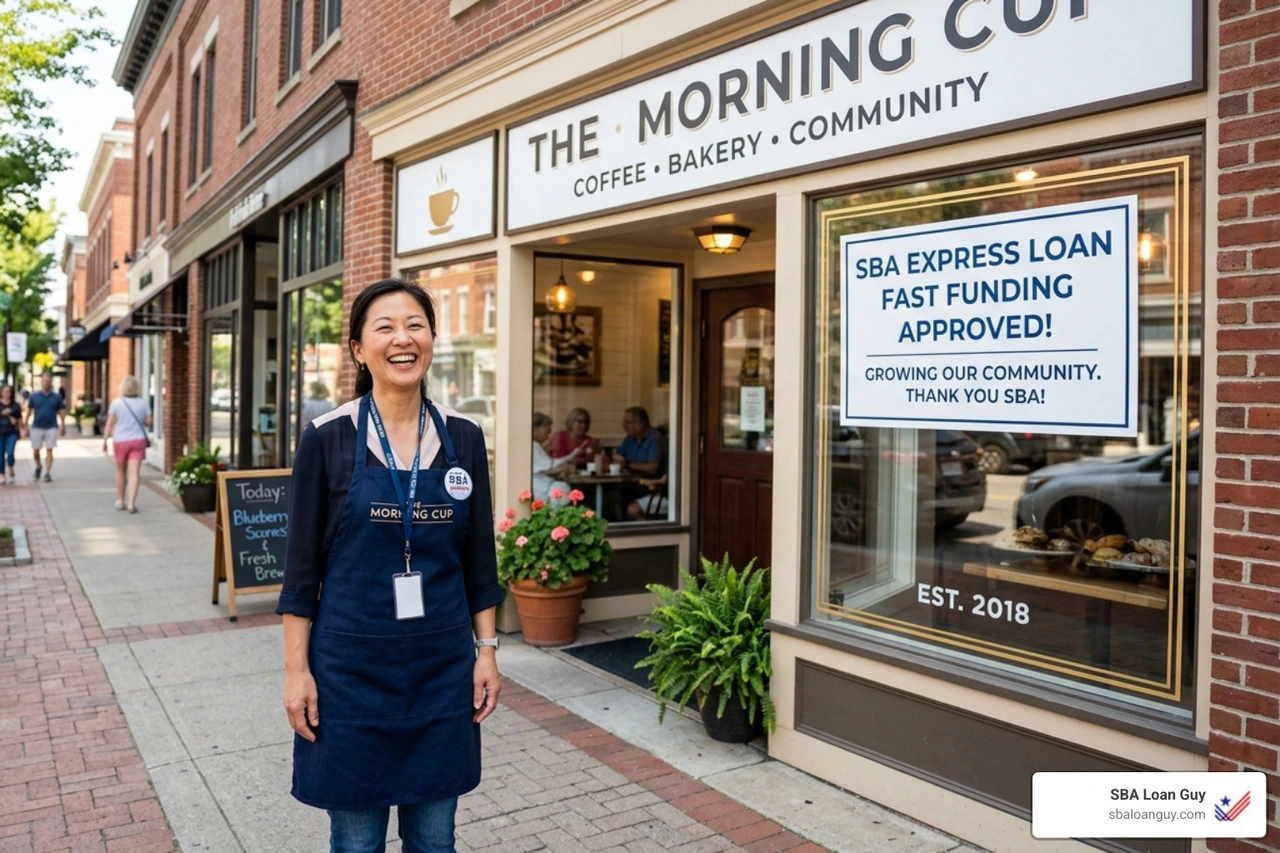
| SBA Express | $500,000 | Faster turnaround for smaller cash needs or lines of credit. |
| SBA WCP Pilot | $5 million | High-growth businesses needing flexible, asset-based lines of credit. |
The world of finance is changing. Globalization has increased the food supply by a factor of 3, but it has also made supply chains more complex. Today, businesses face rising costs—capital costs have tripled in the last three years and may continue to rise. This makes having a solid plan even more important.
Whether you are paying for raw materials, hiring new staff, or expanding your marketing, there are many working capital finance options available. For example, some businesses use invoice finance, which can put money in your account within 24 hours of finishing a job. Others use merchant cash advances, which give you money today in exchange for a piece of your future credit card sales.
We live in a digital age, and working capital solutions have kept up. Modern technology allows for:
Are you looking to buy another business? This is a huge growth step, but it requires a lot of cash. When you use an SBA 7(a) loan for an acquisition, the SBA allows you to include working capital in the loan request. This is vital because you don't want to spend all your money buying the business and have nothing left to actually run it on day one!
Lenders usually look for "reasonable" working capital. For most buyouts, this means enough money to cover 1 to 3 months of operating expenses. This "cushion" helps you manage the transition as you take over from the old owner. If you need something faster for smaller amounts, an SBA Express loan might be the better fit.
The SBA recently launched a very exciting new tool: the 7(a) Working Capital Pilot (WCP) Program. This program started on August 1, 2024, and is designed to be more flexible than older programs.
For the full details, you can read the official 7(a) Working Capital Pilot (WCP) Program Guide.
When we help clients in places like Chicago or Indianapolis buy a business, we make sure they include a "Sources and Uses" table. Working capital is a key "use" of those funds.
Why is this so important? Because when ownership changes, things can get bumpy. Maybe a few customers leave, or a key supplier changes their terms. Having that 1-3 months of cash tucked away ensures the business stays stable while you find your footing. Lenders want to see that you have modeled your cash flow for at least 12 to 24 months to prove you can handle the debt.
Not every solution is right for every business. A law firm in New York City has very different needs than a manufacturing plant in Houston. When choosing, you need to think about:
To pick the best option, we recommend working with a partner who understands your specific industry. A good lender will look at your Cash Conversion Cycle. This is a fancy way of saying "how long does it take for one dollar spent on inventory to come back as two dollars from a customer?"
If your cycle is long (like 90 days), you need a larger line of credit. If your cycle is short (like a coffee shop), you might just need a small buffer for emergencies.
Law firms are a great example of a business that needs unique working capital solutions. If you are a contingency-fee firm, you might spend thousands of dollars on expert witnesses and court costs for a case that won't settle for two years!
We've seen law firms double in size and revenue simply by using a Case Cost Line of Credit. By financing those upfront costs, the firm can keep its own cash to hire more lawyers or invest in better technology. You can see more info about how it works on our specialized guidance pages.
A regular business loan (like a term loan) is usually for a big, one-time purchase like a building or a large machine. You get the money once and pay it back over many years. A working capital loan or line of credit is for your daily "gasoline"—payroll, rent, and inventory. It is usually shorter-term and more flexible.
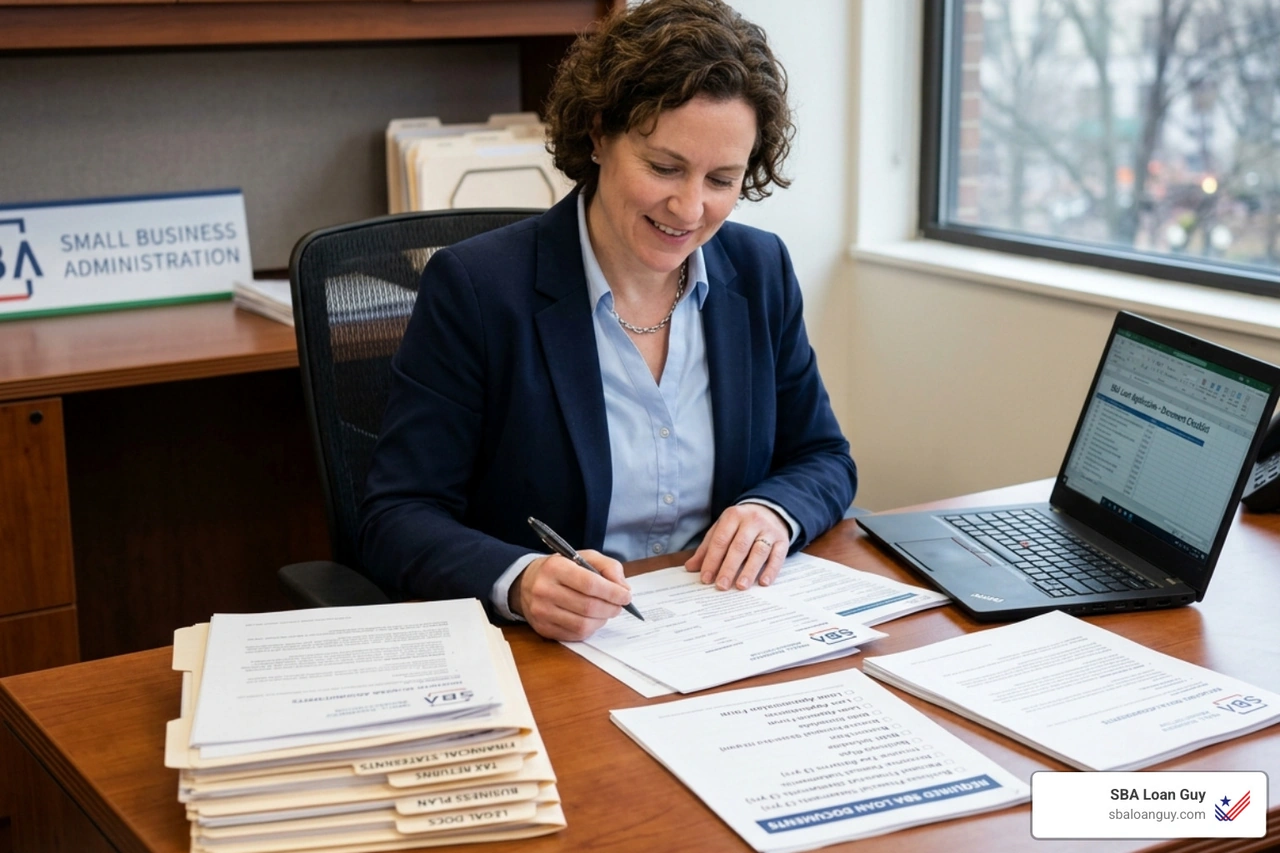
Lenders look at your past financial statements. They check your "Accounts Receivable" (who owes you money) and your "Accounts Payable" (who you owe money to). They also look at your "Inventory Turnover." Basically, they want to see how much cash is "stuck" in your business at any given time.
Yes! In fact, this is the best time to get one. It's much easier to get a line of credit when your business is healthy than when you are in an emergency. Having a line of credit ready to go gives you a "backstop" and allows you to take advantage of early payment discounts from your vendors, which often saves you more money than the interest costs of the loan!
Managing a small business is hard enough without having to worry about every penny in the bank account. By using the right working capital solutions, you can stop playing defense and start playing offense. Whether you are in The Woodlands, Houston, or anywhere else we serve, we are here to help you steer the complex world of SBA funding.
We take the stress out of the process by matching you with the right lenders and making sure your application is "bank-ready." Don't let a lack of cash hold your dreams back.
Ready to see what options are available for your business? See if you pre-qualify today and let's get your business moving forward!

A distilled, 0–100 snapshot of how fundable you are based on credit, cash flow, equity, and documentation. Plus the top fixes to raise your score fast.
A curated shortlist of lenders that fit your profile and use of funds, with why each is a fit and exactly what they’ll want to see.
A tailored, step-by-step list of required docs and forms (formats, who provides them, and common pitfalls to avoid).
A realistic week-by-week path from pre-qual to closing, with milestones, dependencies, and an estimated target funding date.
Hands-on prep and documentation for SBA disaster programs (EIDL and others), including submissions, follow-ups, and guidance through appeals or requests for more info.
We prepare your application, match you with the
right lenders, and guide you until funding.