Apply for SBA Disaster Loans hassle-free: Learn eligibility, step-by-step guide, low rates & tips for homeowners, renters & businesses.
March 17, 2026
SBA Disaster Loans are low-interest federal loans that help homeowners, renters, businesses, and nonprofits rebuild after a declared disaster. Here's what you need to know:
Quick Facts:
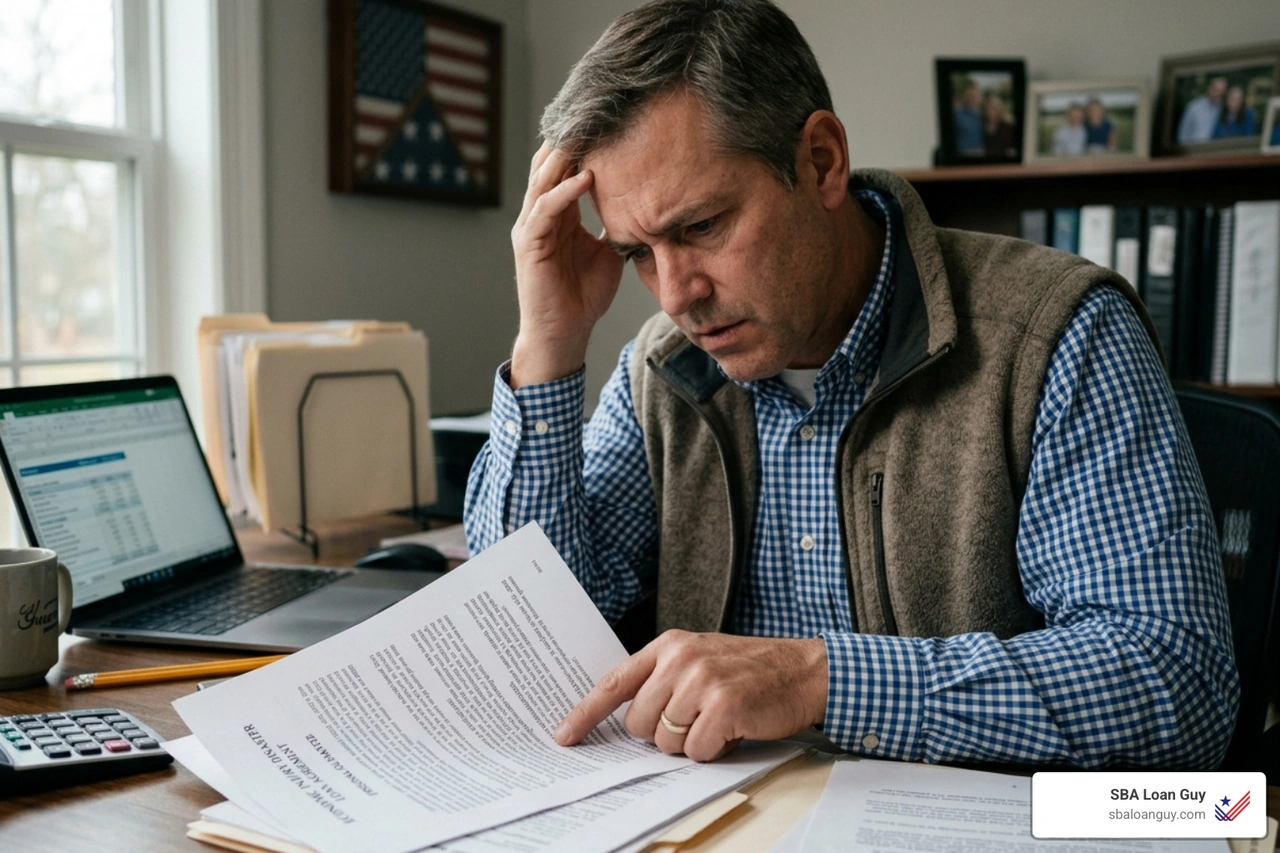
When disaster strikes, the financial burden can feel overwhelming. Your home might need repairs. Your business might have lost inventory or equipment. Bills keep coming even when revenue stops. SBA Disaster Loans fill the gap between what insurance covers and what you actually need to get back on your feet.
These aren't grants—you do have to pay them back. But the terms are far better than what you'd get from a bank or credit card. The interest rates are lower. The repayment timeline is longer. And you don't have to start paying for a full year after you receive the money.
Many people don't realize these loans exist or assume they're only for businesses. That's not true. If you're a homeowner or renter in a declared disaster area, you can apply. If your car was damaged in the flood, this loan can help replace it. If you need to rebuild your home's foundation or replace your furniture, this covers that too.
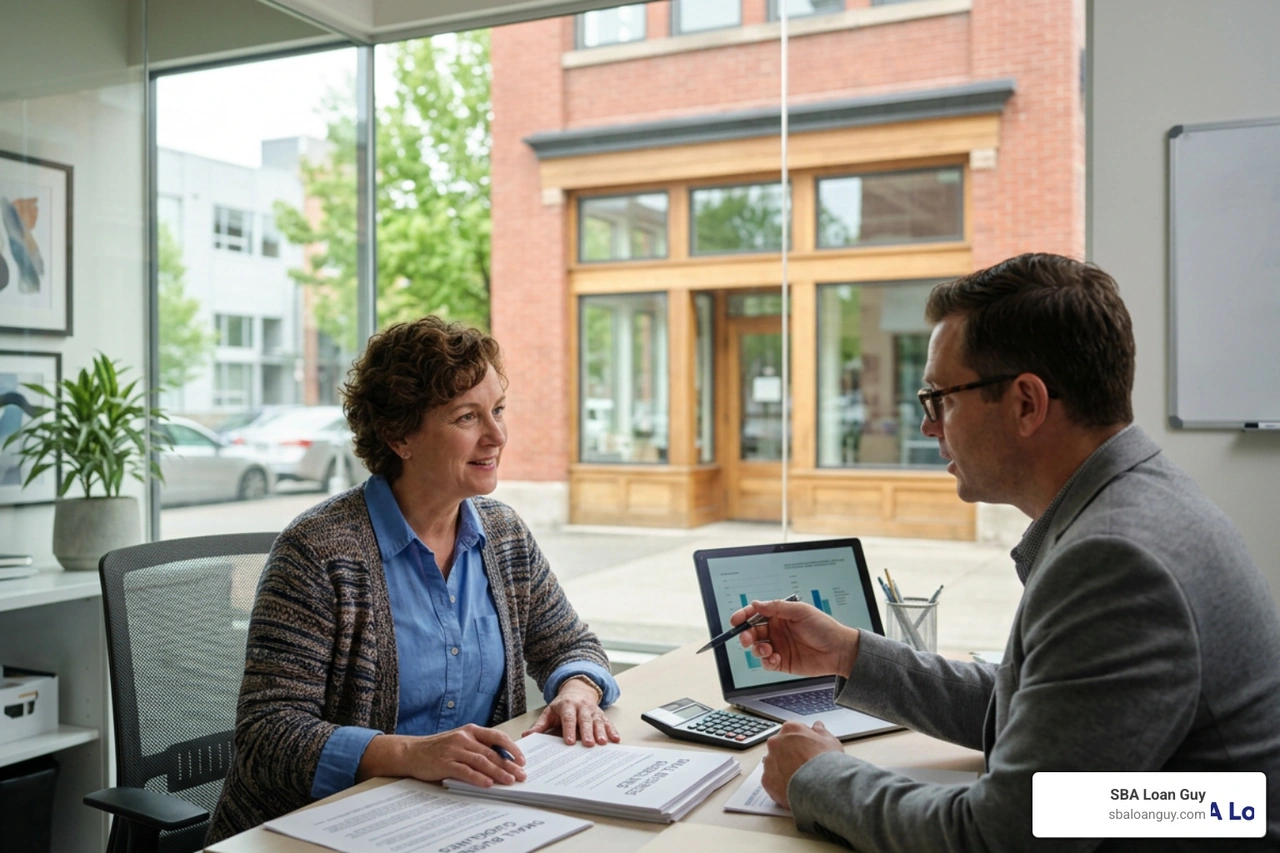
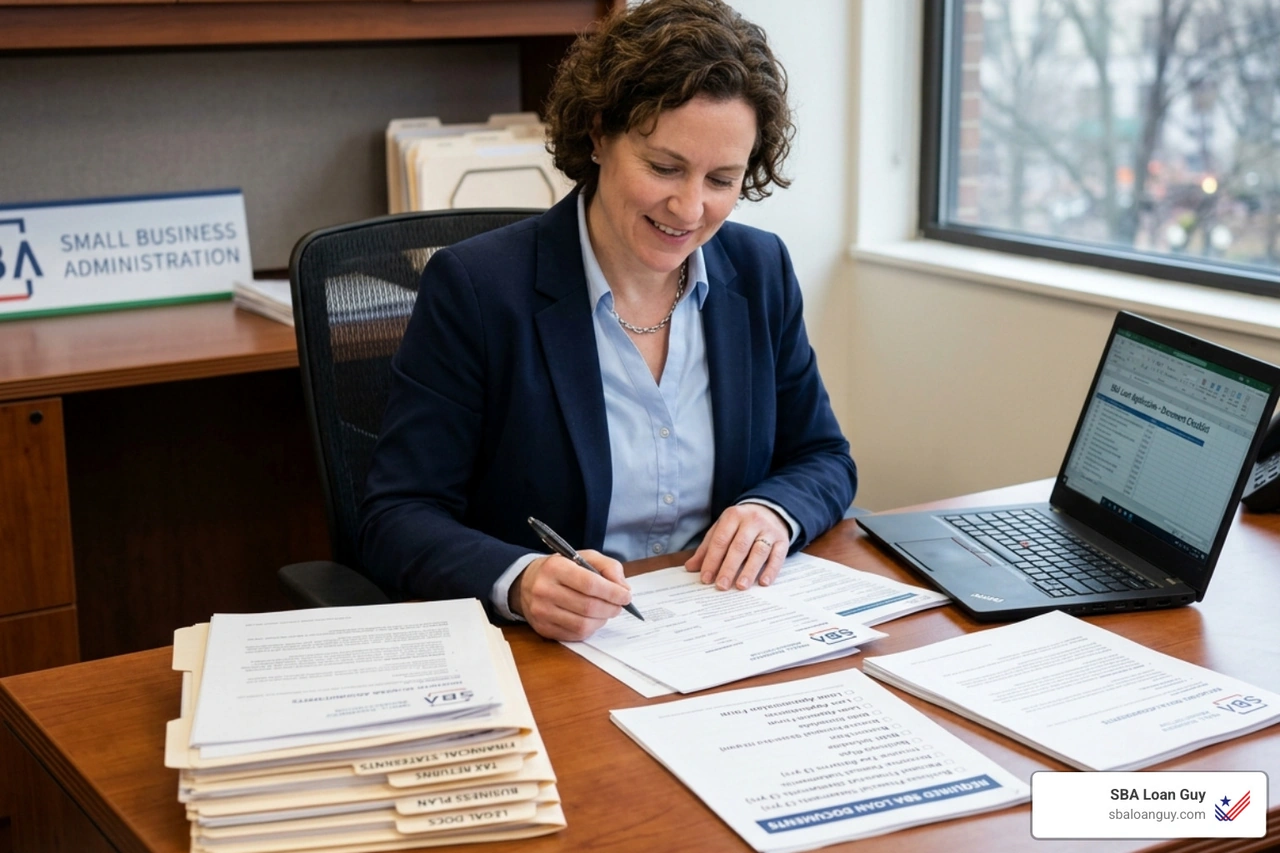
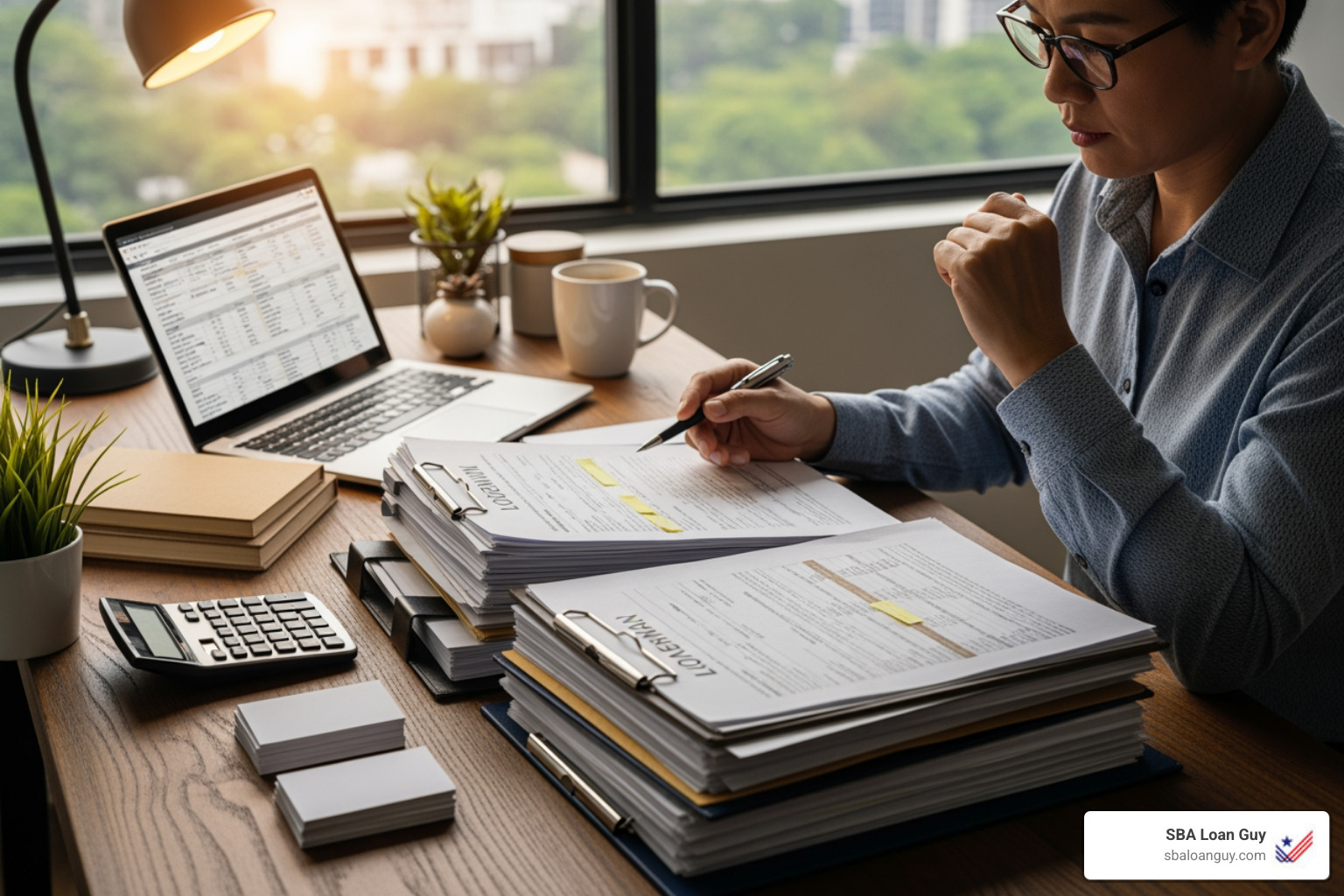
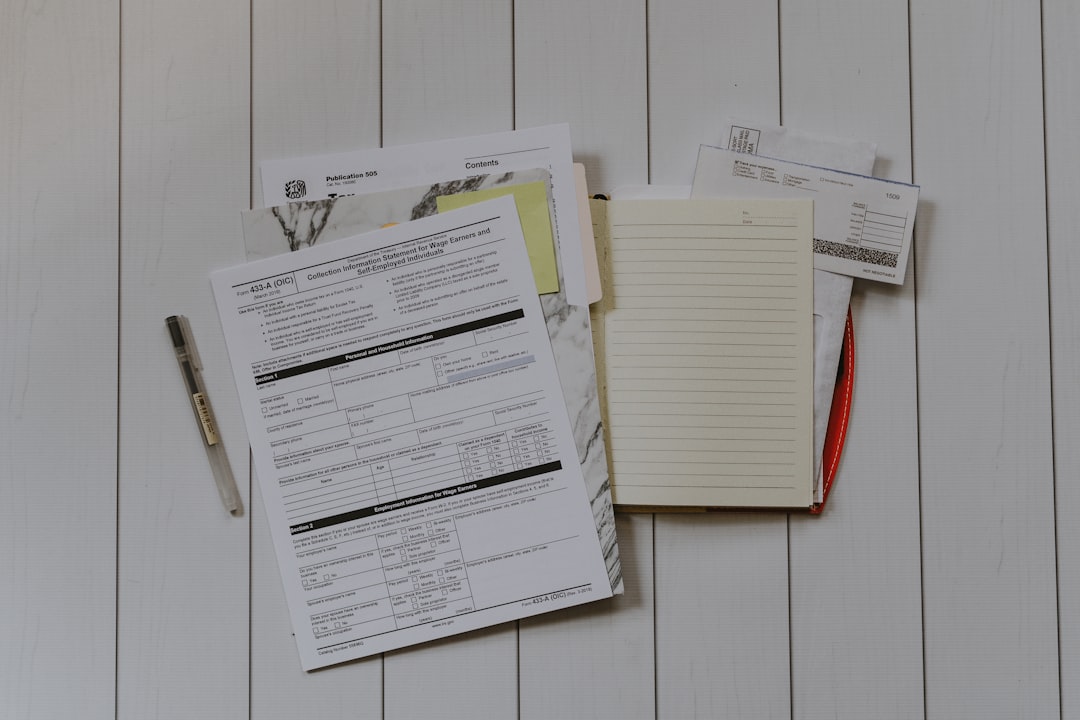
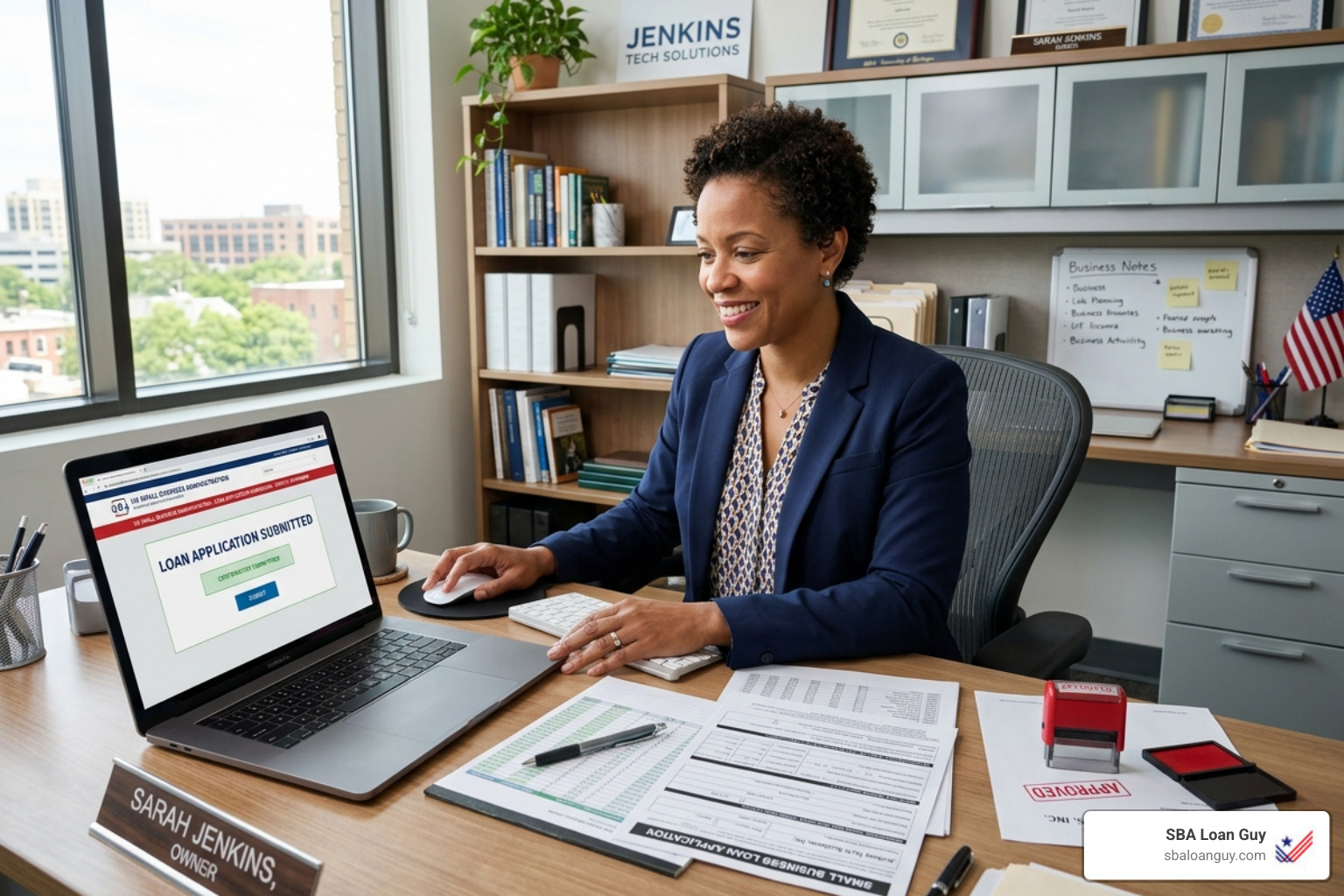
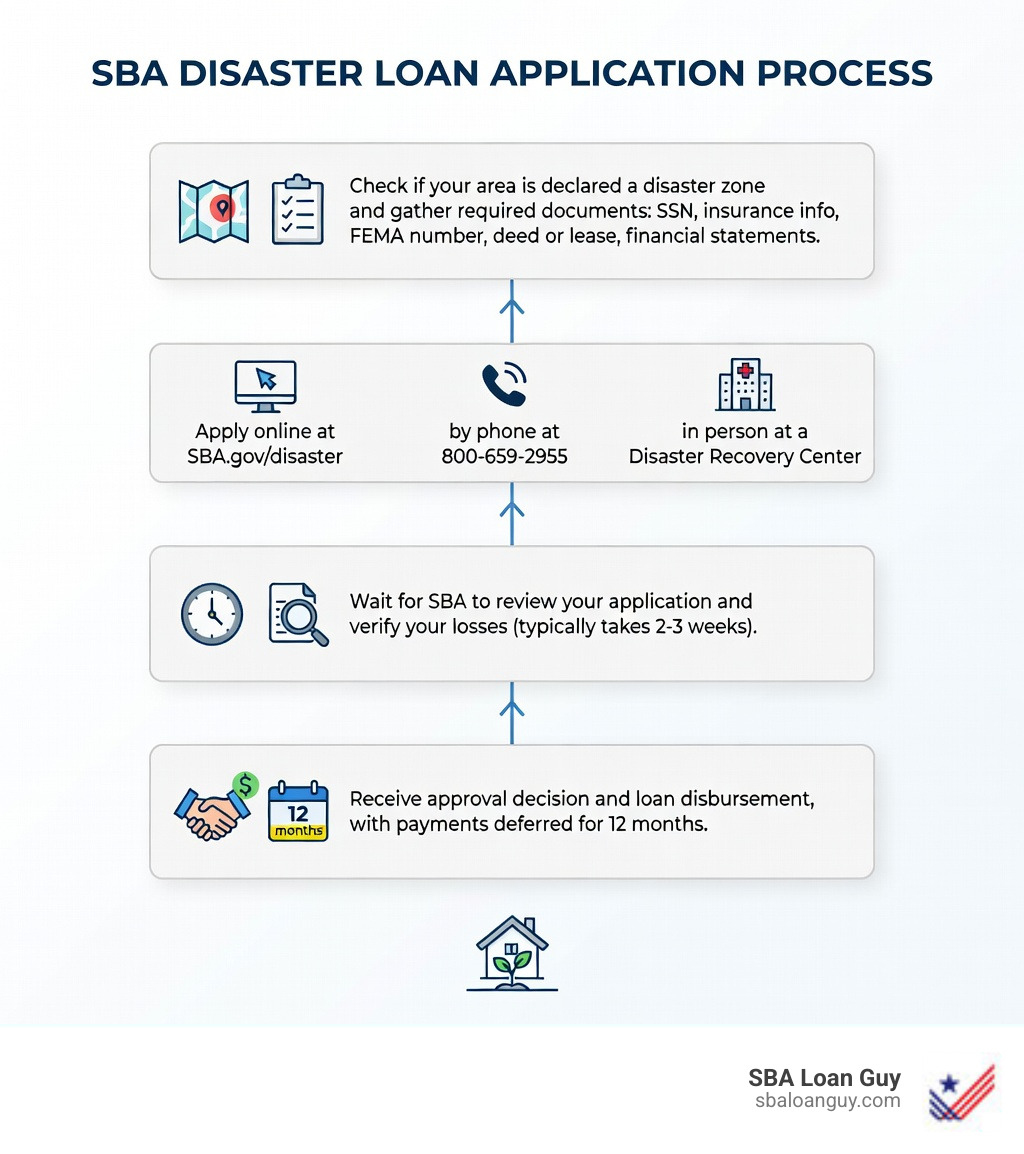
The application process can seem complicated, but it doesn't have to be. You'll need some basic documents—your Social Security number, proof of insurance, property records, and financial information. You can apply online through the MySBA portal, by phone, or in person at a Disaster Recovery Center.
I'm Cesar DonDiego, and throughout my career helping small businesses and individuals navigate complex financial decisions, I've seen how critical proper guidance is when applying for SBA Disaster Loans—getting the process right the first time can mean the difference between a quick recovery and months of unnecessary delays. In this guide, I'll walk you through exactly what you need to know to apply without hassle.
When a big storm or a flood happens, the President or the SBA can declare a "disaster area." If you live or work in one of these areas—like Houston, Orlando, or New York City—you might be eligible for help. We know it sounds official and scary, but think of SBA Disaster Loans as a helping hand from the government to get your life back to normal.
The most important thing to remember is that you don't need to own a business to get help. The SBA is the largest source of federal funding for rebuilding homes after a disaster. Whether you own a house in The Woodlands, rent an apartment in San Francisco, or run a shop in Chicago, there is a program for you.
To qualify, you must have damage to your primary home or personal property in a county that has been officially declared a disaster zone. These Physical Damage Loans are designed to cover what your insurance company won't pay for.
If you own your home, you can use these loans to fix or replace your primary residence. This includes the structure of the house itself. But it goes further than just the walls and the roof. You can also use the money for "personal property."
What counts as personal property?
The SBA offers Home and personal property loans specifically for these needs. If your home flooded and your couch is ruined, or your car was crushed by a falling tree during a storm in Florida, this is the loan you need.
Renters often think they are left out, but that’s not true! While you don't need to fix the building (that's the landlord's job), you probably lost your stuff. Renters can apply for loans to replace clothing, furniture, and vehicles.
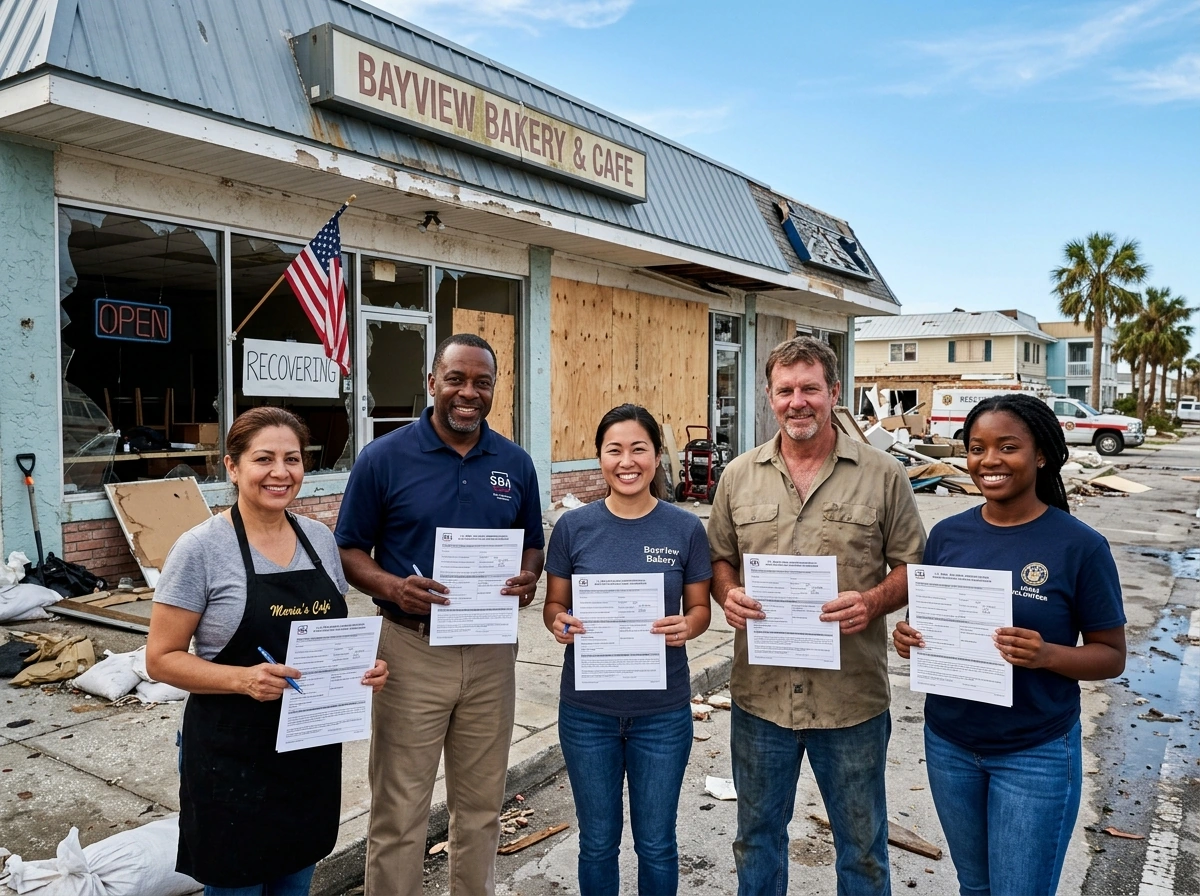
Private nonprofits (PNPs) are also eligible. This includes places like food banks, community centers, and some schools. If a nonprofit in Indianapolis or New York suffered property damage, they can apply for a Business Physical Disaster Loan to repair or replace real estate, machinery, equipment, and even inventory.
There are two main ways the SBA helps. One is for physical stuff you can touch (like a broken window), and the other is for money problems (like not being able to pay your employees because your store was closed).
The Economic Injury Disaster Loan (EIDL) is for small businesses and nonprofits that have suffered "substantial economic injury." This means you can't pay your regular bills or operating expenses because of the disaster. You don't even need to have physical damage to your building to get an EIDL. It provides the working capital you need to keep the lights on until things get back to normal.
This is a part that confuses a lot of people. FEMA (the Federal Emergency Management Agency) and the SBA work together like a team.
When you apply for help from FEMA, they might refer you to the SBA. You should always complete the SBA application if they ask you to. Here is why:
If the SBA decides you can't afford a loan, they will send you back to FEMA for "Other Needs Assistance." You can find more details in the Frequently Asked Questions About Disaster Loans from the Small Business Administration.
If you are a small business owner and one of your "essential employees" is called up to active military duty, it can hurt your business. The SBA offers Military Reservists Economic Injury Loans to help cover the costs of losing that person's help. This is available even if there wasn't a natural disaster like a hurricane.
The amount of money you can get depends on who you are and what was damaged. The SBA has set limits to make sure the money goes where it is needed most.
| Applicant Type | Purpose | Maximum Loan Amount |
|---|---|---|
| Homeowners | Repair/Replace Primary Residence | Up to $500,000 |
| Homeowners/Renters | Personal Property (Furniture, Cars, etc.) | Up to $100,000 |
| Businesses | Physical Damage (Real Estate, Inventory) | Up to $2 million |
| Businesses/Nonprofits | Economic Injury (Working Capital) | Up to $2 million |
Note: The total combined limit for a business (Physical + Economic Injury) is $2 million.
These loans come with very friendly terms. You can take up to 30 years to pay them back, which keeps your monthly payments low. Plus, there is a 12-month deferment period. This means you don't have to make any payments for the first year after you get your money, and interest doesn't even start to build up (accrue) until that year is over!
The government tries to keep these rates as low as possible. While rates can change slightly depending on the specific disaster, they are generally much lower than a bank loan.
The SBA looks at whether you can get "credit elsewhere." If they think you could easily get a loan from a regular bank, your interest rate might be a little higher, but it's still usually a great deal.
Applying doesn't have to be a headache. We recommend doing it as soon as possible—don't wait for your insurance settlement! You can always use your insurance money to pay down the loan later, but getting the application in now puts you at the front of the line.
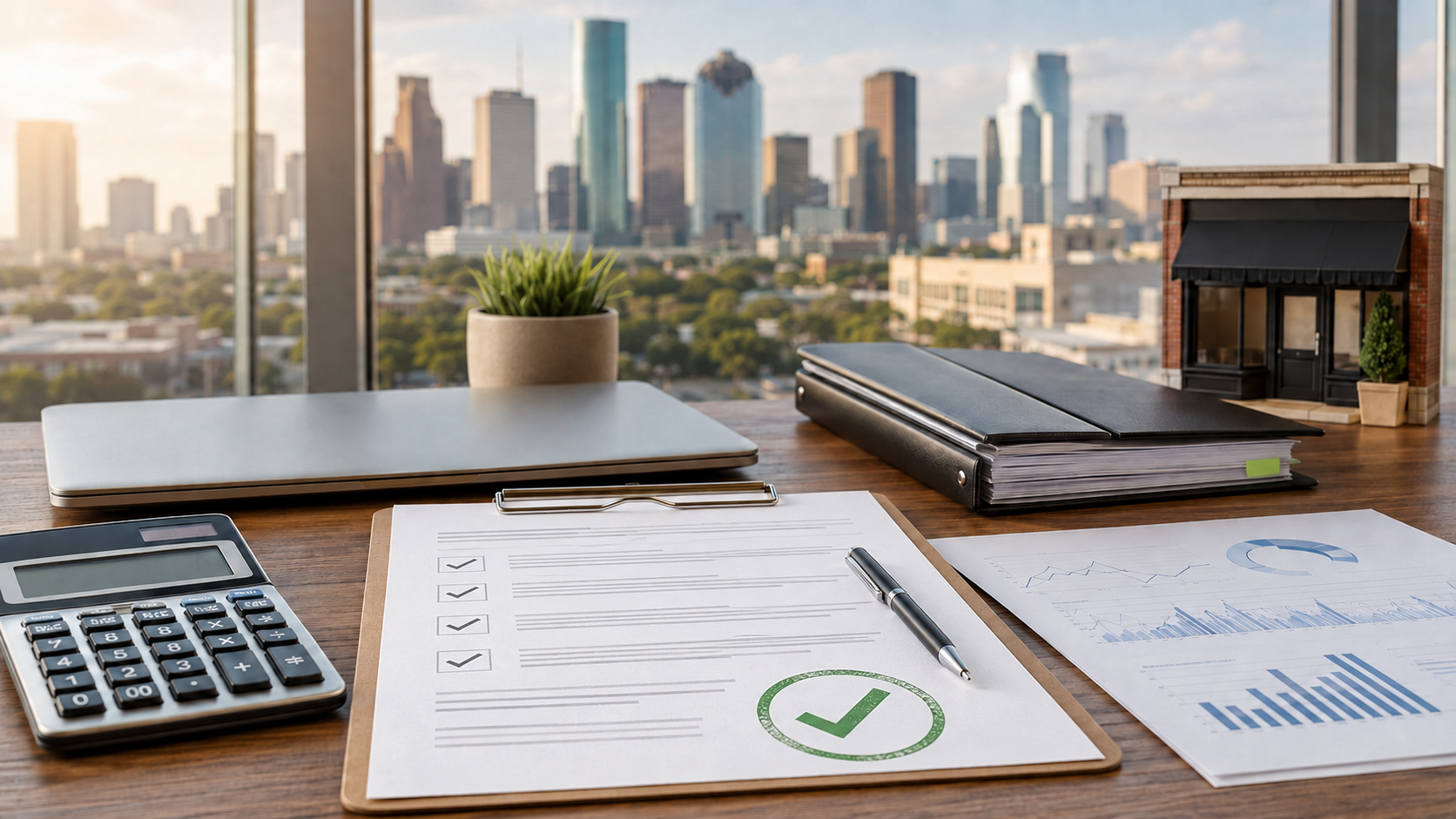
To make the process go fast, have these things ready before you log into the MySBA Loan Portal:
If you prefer talking to a real person, we totally get it. After a disaster, the SBA and FEMA set up centers in the local community.
We want you to come back stronger than before. One of the best "secrets" of the SBA Disaster Loan program is Mitigation Assistance.
If you are fixing your home or business, you can ask for a 20% increase in your loan amount to pay for things that prevent future damage. This includes:
This extra money helps make sure that if another storm hits, you won't have to go through this all over again. You can learn more about these options in this SBA Loans for Disaster Recovery fact sheet.
Sometimes, getting a permit from the city takes forever. There is a new rule that can help. If you have applied for a local permit to rebuild and it has been pending for more than 60 days, you might be able to use a "self-certification" option. This allows you to move forward with your recovery without waiting for the local government to catch up.
Nope! You are under no obligation to accept the loan. Many people apply just to see what they qualify for. If your insurance ends up paying for everything, you can just decline the loan. If you realize later that you do need the money, you usually have six months to "reactivate" your application.
As we mentioned, the SBA is for everyone. If you are a homeowner or renter, you can get help for your house, your apartment, your furniture, and even your car. You don't need to be an entrepreneur to get an SBA Disaster Loan.
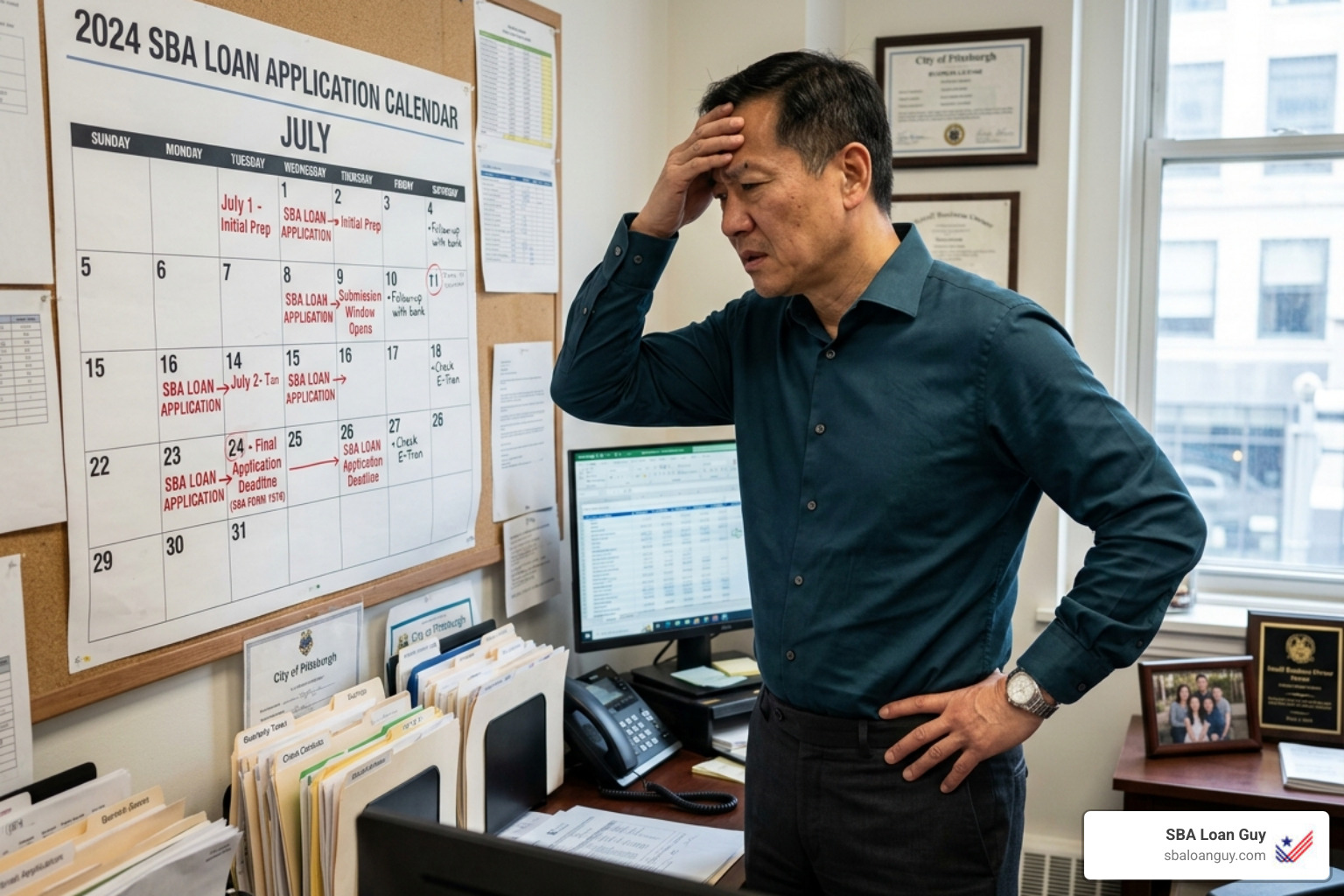
Deadlines are very important!
Recovering from a disaster is a marathon, not a sprint. It takes time, patience, and—most importantly—the right resources. SBA Disaster Loans are designed to be the foundation of that recovery, providing the low-interest funding you need when you need it most.
At SBA Loan Guy, we are here to make sure you don't have to navigate this path alone. From our home base in The Woodlands to our clients in Houston, Chicago, and California, we provide the expert guidance needed to prepare your application correctly. We help match you with the right programs and guide you every step of the way to ensure you get the funding you deserve without the hassle.
If you're ready to take the next step in your recovery, we're ready to help. For More info about SBA Disaster Loans, visit our website or reach out to us today. Let’s get you back home and back to business.

A distilled, 0–100 snapshot of how fundable you are based on credit, cash flow, equity, and documentation. Plus the top fixes to raise your score fast.
A curated shortlist of lenders that fit your profile and use of funds, with why each is a fit and exactly what they’ll want to see.
A tailored, step-by-step list of required docs and forms (formats, who provides them, and common pitfalls to avoid).
A realistic week-by-week path from pre-qual to closing, with milestones, dependencies, and an estimated target funding date.
Hands-on prep and documentation for SBA disaster programs (EIDL and others), including submissions, follow-ups, and guidance through appeals or requests for more info.
We prepare your application, match you with the
right lenders, and guide you until funding.