SBA disaster loan approved now what? Get disbursement timelines, repayment terms, fund uses & FAQs to cross the finish line fast.
April 28, 2026
If you're wondering sba disaster loan approved now what, here's a quick overview of the key steps you need to take right away:
Getting approved is a big deal. But for a lot of business owners, the approval letter arrives and they're not sure what to do next. The closing process, disbursement rules, and repayment terms can feel like a maze — especially when you're already dealing with the stress of recovering from a disaster.
The good news? Once you know the steps, it's very manageable.
I'm Cesar DonDiego, a finance and accounting professional who has helped small business owners navigate complex funding situations — including understanding exactly what to do when sba disaster loan approved now what becomes your most pressing question. Let's walk through everything you need to know to cross the finish line and get your money working for you.
You just got the email or letter saying you are approved. Take a deep breath! That is the hardest part. But the clock is now ticking to get those funds into your bank account.
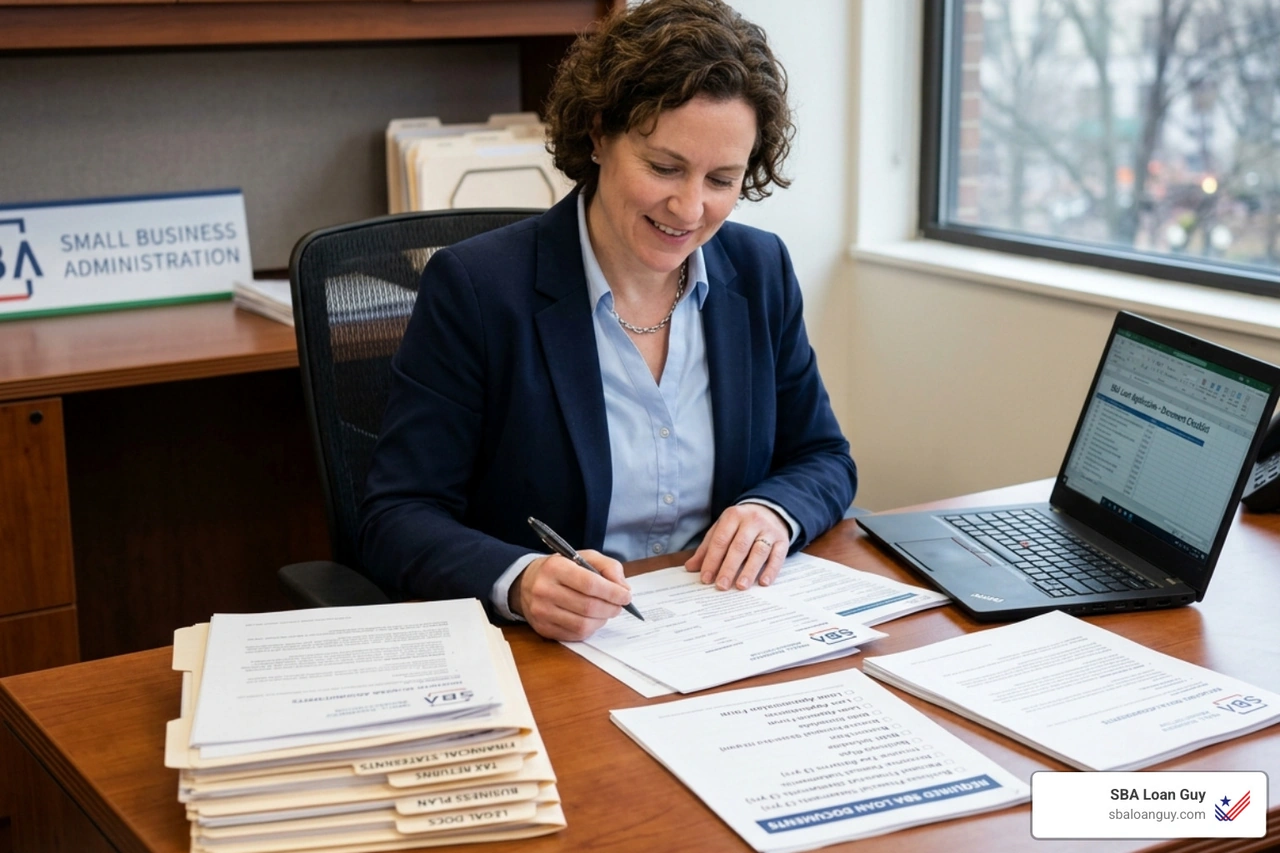
The very first thing we need to do is look for your Loan Authorization and Agreement. This is the official "rulebook" for your loan. It tells you exactly how much money you are getting, what the interest rate is, and what you are allowed to spend it on.

Most of the time, the SBA will send these documents to you electronically. You can use a digital signature to sign them quickly. If you prefer the old-fashioned way, you might receive them by mail. Either way, do not let these sit on your desk! The SBA cannot send you a single penny until these signed documents are back in their hands.
Once you sign, a Case Manager will be assigned to your file. Think of this person as your new best friend at the SBA. They are there to help you meet any "conditions" of the loan. For example, they might need proof that you have hazard insurance on your business property.
For more details on specific types of help, you can check out the official page for Physical damage loans | U.S. Small Business Administration.
One of the most common questions we get is: "What if I'm still waiting for my insurance check?"
The SBA actually encourages you not to wait. If you have been approved, you should move forward with the loan. If your insurance company eventually pays out for the same damage the loan covered, you simply use that insurance money to pay down the loan balance. This is called avoiding a "duplication of benefits."
The SBA can approve a loan for the total loss and then adjust the amount later once the insurance settlement is finalized. This keeps your recovery moving forward so you don't have to wait months for an insurance adjuster to finish their paperwork. You can learn more about this strategy at Don’t Wait for Insurance Settlement to Apply for Low Interest SBA Loans | U.S. Small Business Administration.
To keep track of everything, you need to set up an account on the MySBA Loan Portal. This is your central hub.
Once you log in, you can:
Keeping this portal updated is the best way to avoid missing important messages from the SBA. If you want to dive deeper into the different types of disaster assistance available, visit our page with More info about SBA disaster loans.
Now for the part everyone cares about: the money. The SBA doesn't usually drop the full $2 million (the maximum limit) into your account all at once. Instead, they send it in "disbursements."
Within 5 business days of the SBA receiving your signed closing documents, they will send an initial disbursement.
This "fast cash" is meant to help you take care of immediate needs, like cleaning up debris, making emergency repairs, or covering payroll for the week.
To get the rest of the money, you will work with your Case Manager. They will ask for receipts or contracts to show how the first chunk of money was spent. As you show progress on your repairs or provide proof of ongoing economic loss, they will release more funds.
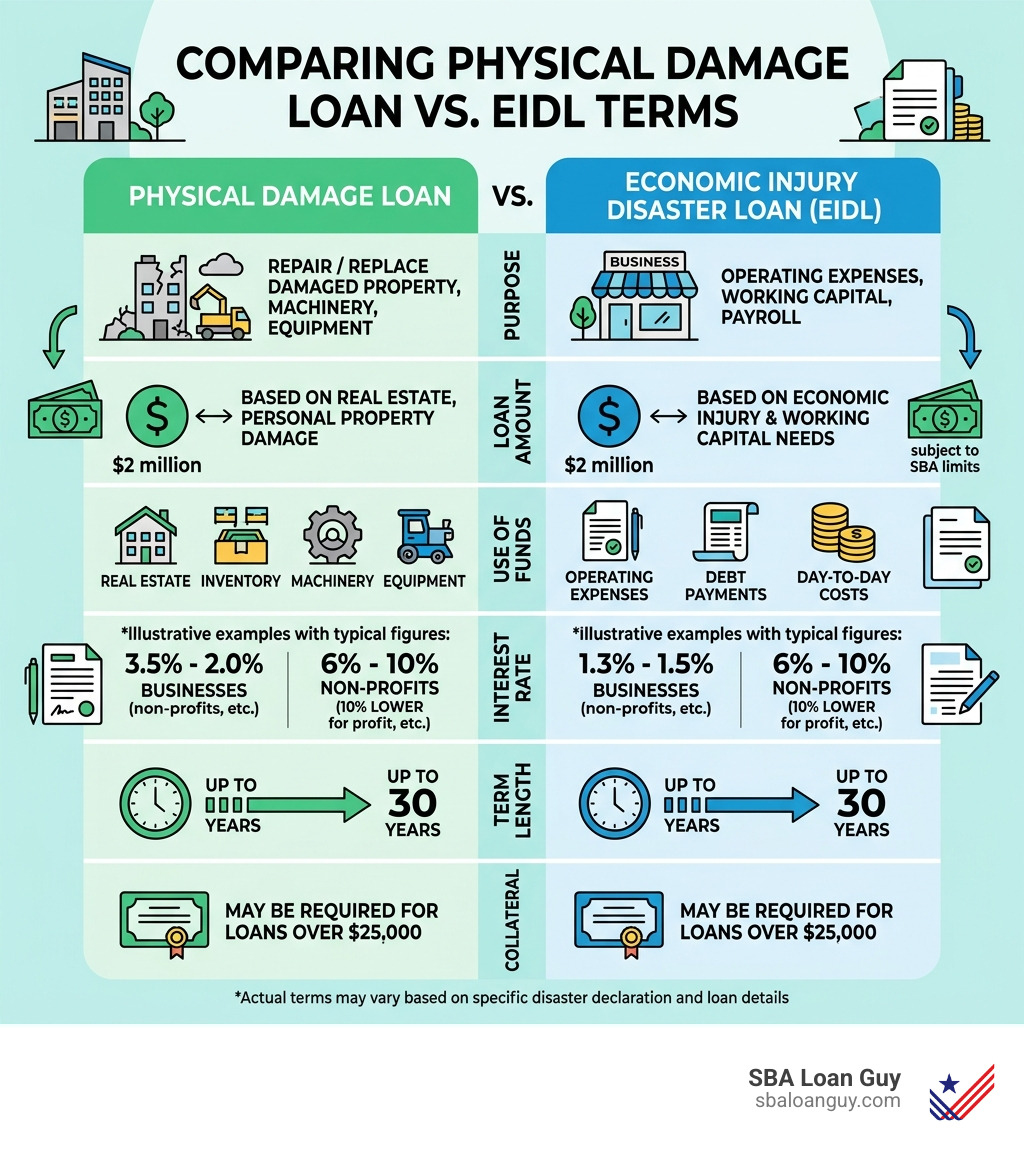
SBA disaster loans are famous for having some of the lowest interest rates you will ever find. Because these are meant to help you recover, not make a profit for a bank, the terms are very "borrower-friendly."
For most new disaster loans (like those for hurricanes, floods, or fires), the first 12 months are interest-free. Additionally, you don't have to make any payments for the first year. This is called a 12-month payment deferment.
Note: If you have a COVID-19 EIDL, your terms are different. Those payments were deferred for 30 months, but interest did accrue during that time.
Most disaster loans have a 30-year term. This means your monthly payments will be very small because you have a long time to pay the money back. The best part? There is no prepayment penalty. If your business has a great year and you want to pay the whole thing off early, you can do so without paying any extra fees.
If your loan is for $25,000 or less, the SBA usually doesn't require any collateral. You just sign the note and get the money.
If your loan is over $50,000 (for Presidential declarations), the SBA will ask for collateral. They strongly prefer real estate. However, here is a secret: the SBA will not turn you down just because you don't have enough collateral. As long as they believe you can pay the loan back, they will take whatever collateral you do have and move forward.
When you have the money in your account, it can be tempting to use it for all sorts of things. But be careful! The SBA is very strict about how this money is used. If you use it for the wrong thing, they could call the loan due immediately or even charge you a penalty.
One of the coolest features of the SBA disaster loan is the Mitigation Increase. The SBA will actually give you up to 20% more money than your verified loss if you use it to protect your property from future disasters.
For example, if you had $100,000 in damage from a flood, you can ask for an extra $20,000 to install a sump pump or a sea wall. This helps ensure that if another disaster hits, you won't be in the same boat again. You generally have two years after your loan is approved to request these extra funds.
Don't worry. The SBA's policy is that they will not decline a loan for a lack of collateral. They will take a "best efforts" approach. If you own a home or business property, they will likely put a lien on it. If you don't own any real estate, they might take a "blanket lien" on your business assets (like your desks, computers, and equipment). As long as you have the income to prove you can make the payments, they will work with you.
Yes! You don't have to decide on mitigation the day you get approved. You have up to two years from the date of your loan approval to request an increase for mitigation measures. You will need to provide a written bid or estimate from a contractor showing what the project will cost and how it will help protect the property.
For physical damage and non-COVID economic injury loans, you get a 12-month break. This means:
Getting through a disaster is one of the hardest things a business owner or homeowner can face. But once you've reached the point where you're asking sba disaster loan approved now what, you have already climbed the steepest part of the mountain.
By signing your documents quickly, setting up your MySBA portal, and following the rules for how to spend the money, you can ensure a smooth recovery. These loans are designed to be your safety net, offering low rates and long terms that give you the breathing room you need.
At SBA Loan Guy, we are here to help you cross that finish line. Whether you are in The Woodlands, Houston, New York City, or Chicago, our team provides the step-by-step guidance you need to secure your funding and get back to business. We specialize in preparing applications and matching you with the right resources so you never have to guess what comes next.
Ready to see how we can help you navigate the final steps of your recovery? Check if you pre-qualify today and let's get your business back on track!

A distilled, 0–100 snapshot of how fundable you are based on credit, cash flow, equity, and documentation. Plus the top fixes to raise your score fast.
A curated shortlist of lenders that fit your profile and use of funds, with why each is a fit and exactly what they’ll want to see.
A tailored, step-by-step list of required docs and forms (formats, who provides them, and common pitfalls to avoid).
A realistic week-by-week path from pre-qual to closing, with milestones, dependencies, and an estimated target funding date.
Hands-on prep and documentation for SBA disaster programs (EIDL and others), including submissions, follow-ups, and guidance through appeals or requests for more info.
We prepare your application, match you with the
right lenders, and guide you until funding.