Discover your Small business financing guide: SBA loans, banks, tips to get approved fast & avoid traps!
April 7, 2026

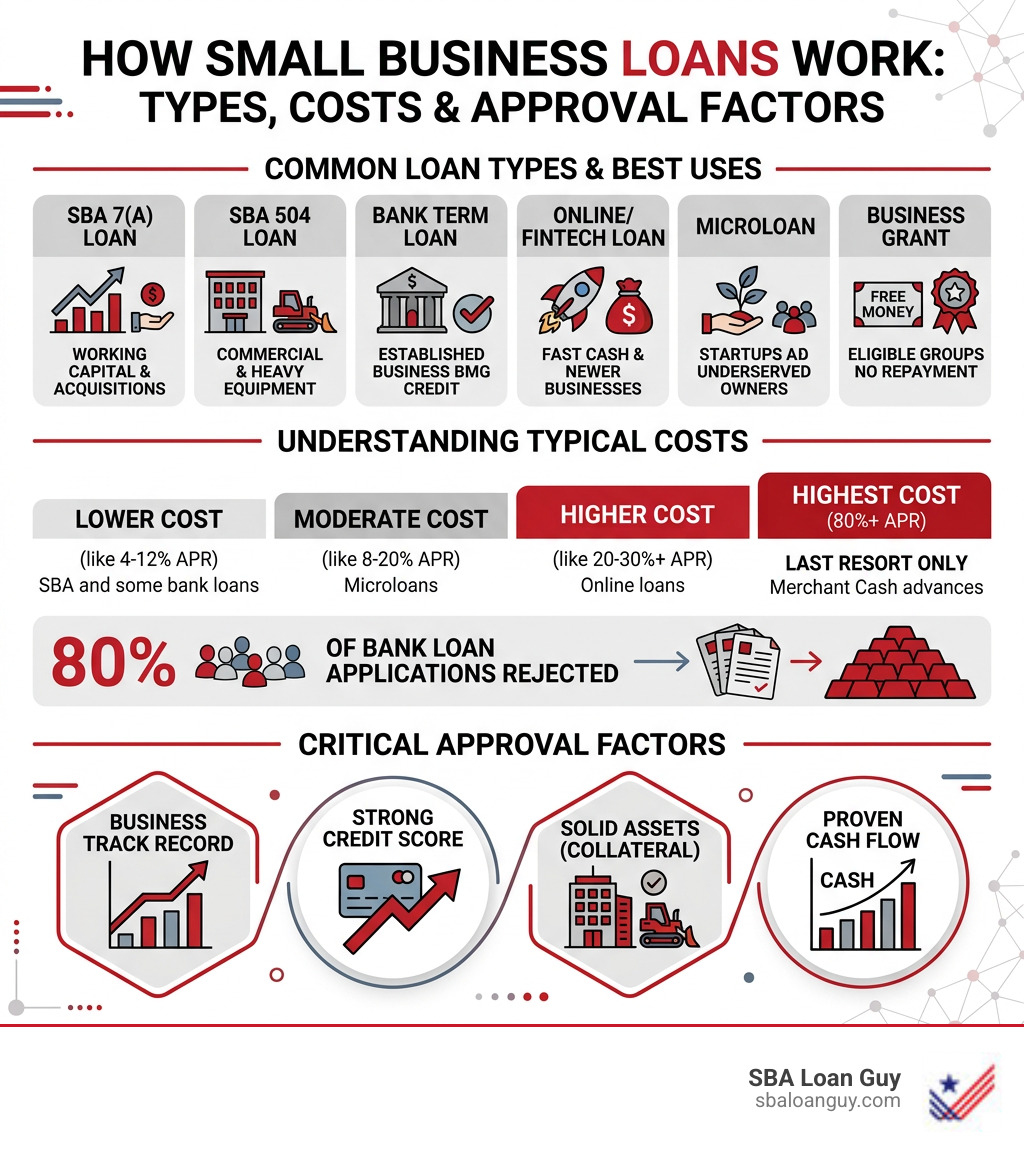
A small business financing guide can be the difference between getting the money you need and walking away empty-handed. Here's a quick look at your main options:
| Financing Type | Best For | Typical Cost |
|---|---|---|
| SBA 7(a) Loan | Growth, working capital, acquisitions | 4-12% APR |
| SBA 504 Loan | Buildings, heavy equipment | 4-12% APR |
| Bank Term Loan | Established businesses with strong credit | 7-8% avg. interest |
| Online/Fintech Loan | Fast cash, newer businesses | 20-30%+ APR |
| Microloan | Startups, underserved owners | 8-20% APR |
| Merchant Cash Advance | Last resort only | 80%+ APR |
| Business Grant | Eligible groups (free money) | No repayment |
Getting money for your business sounds simple. It isn't.
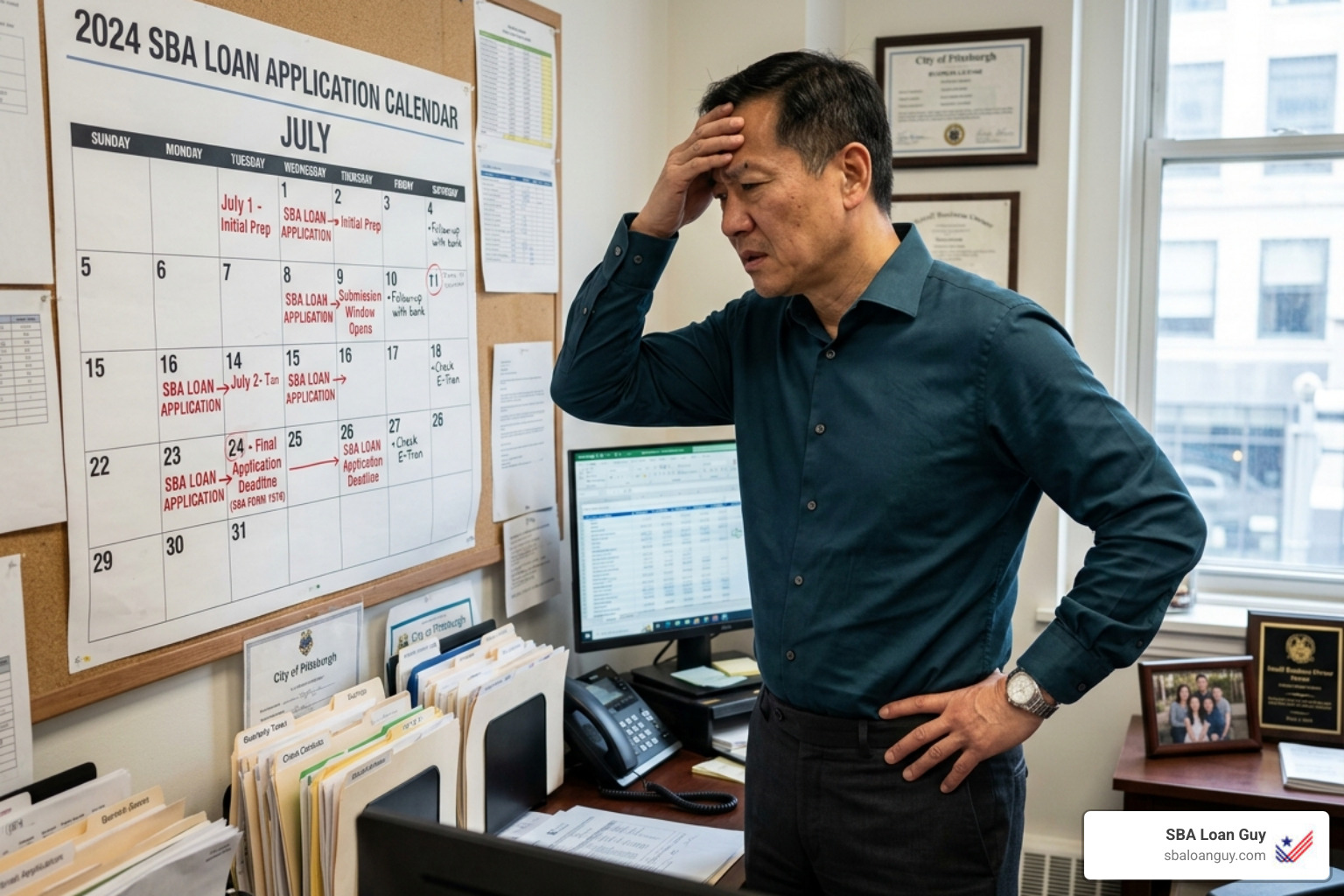
About 80% of small business loan applications to banks get rejected. Banks want to see a long track record, strong credit, and solid assets. Many small businesses just don't check all those boxes yet — even great ones.
The good news? Banks aren't your only option. There are government-backed loans, online lenders, nonprofit lenders, and more. Each one has different rules, costs, and timelines. Knowing which door to knock on first can save you months of frustration.
I'm Cesar DonDiego, a finance and accounting professional who has worked directly with small business owners on cash flow, financial planning, and growth strategy — exactly the areas that shape your success with a small business financing guide. In this guide, I'll walk you through everything in plain language so you can make smart, confident decisions.
Think of small business financing as the fuel for your business engine. Whether you are just starting out in Houston or expanding an existing shop in Orlando, you need capital to move forward. But where does that money come from?
Most entrepreneurs use a mix of methods. You might start with personal savings—using your own hard-earned cash to get things moving. If that isn't enough, you might look at crowdfunding, which is like asking a big group of people to each give you a small amount of money, usually through a website.
Beyond that, financing usually falls into two big buckets:
There are also business grants. These are amazing because they are basically "free money" that you don't have to pay back! However, they are very hard to get. While there are no federal grants for starting a business, there are grants for specific projects or groups.
If you are just beginning, the SBA has a great 10-step guide to help you plan and launch correctly. small business owners can get money in many ways, but the right choice depends on how much you need and how fast you can pay it back.
When you look for a small business financing guide, you will see three main types of lenders. Each one has its own "personality."
These are the big names you see on street corners in New York City or Chicago. They offer the lowest interest rates (usually around 7-8%), but they are the hardest to please. They want "perfect" borrowers with years of history and lots of stuff to use as collateral.
These are websites that can give you an answer in minutes and money in a day or two. They are super fast! But there is a catch: they are much more expensive. You might pay 20% to 50% interest (or more).
This is often the "sweet spot." The Small Business Administration (SBA) doesn't lend you the money directly. Instead, they give the bank a "guarantee." It’s like a co-signer saying, "If this business can't pay, we will cover most of it." This makes banks much more willing to say "yes" to you.
The main SBA programs include:
The biggest reason to love loans backed by the Small Business Administration (SBA) is that they are designed to help people who might get a "no" at a regular bank. Because of the SBA guarantee, you can often get lower down payments and longer terms (which means smaller monthly payments). If you aren't sure where to start, the SBA offers a tool called Lender Match to help connect you with people ready to lend.
As we mentioned, about 80% of people get rejected by big banks. Why? Usually, it's because the business is too young, the owner's credit score isn't high enough, or they don't have enough "collateral" (like a house or equipment) to back the loan.
Interestingly, small banks often approve more loans (around 75%) than large banks (66%). But even if a bank says no to a "conventional" loan, they might say yes to an SBA loan because the government is helping lower the risk.
Choosing a loan is like choosing a car—you need the one that fits your life and your budget.
| Feature | Term Loan | Line of Credit |
|---|---|---|
| How it works | You get a lump sum of cash at once. | Like a credit card; use what you need, when you need it. |
| Payment | Fixed monthly payments. | Only pay for what you actually spend. |
| Best for | One-time big purchases (like a truck). | Managing day-to-day bills or emergencies. |
| Repayment | 1 to 25 years. | Usually 6 to 18 months (revolving). |
These are great for a specific goal. You get all the money upfront and pay it back over a set time. This is common for equipment financing, where the machine you are buying actually acts as the security for the loan.
Imagine your business has an "emergency fund" you can tap into whenever you want. That is a line of credit. If you have a slow month in San Francisco or Indianapolis, you can draw from the line to pay your staff and then pay it back when business picks up.
Not all money is "good" money. You have to watch out for predatory lending. Some lenders use factor rates instead of interest rates. For example, a "1.2 factor rate" sounds small, but it means if you borrow $10,000, you owe $12,000 immediately, often paid back through daily deductions from your sales. This can lead to triple-digit interest (over 100% APR!) and hidden fees that can sink your business. Always ask for the APR (Annual Percentage Rate) so you can compare loans fairly.
Lenders use something called the "5 C’s of Credit" to decide if they should give you money. Think of this as your "Business Health Inspection."
Most small business loans also require a personal guarantee. This means if the business fails, you personally promise to pay the money back. It's a big deal, so make sure you understand it before signing!
Pro Tip: If your credit score is low, start improving it now. Pay your bills on time and keep your credit card balances low. A better score means lower interest rates and more "yes" answers.
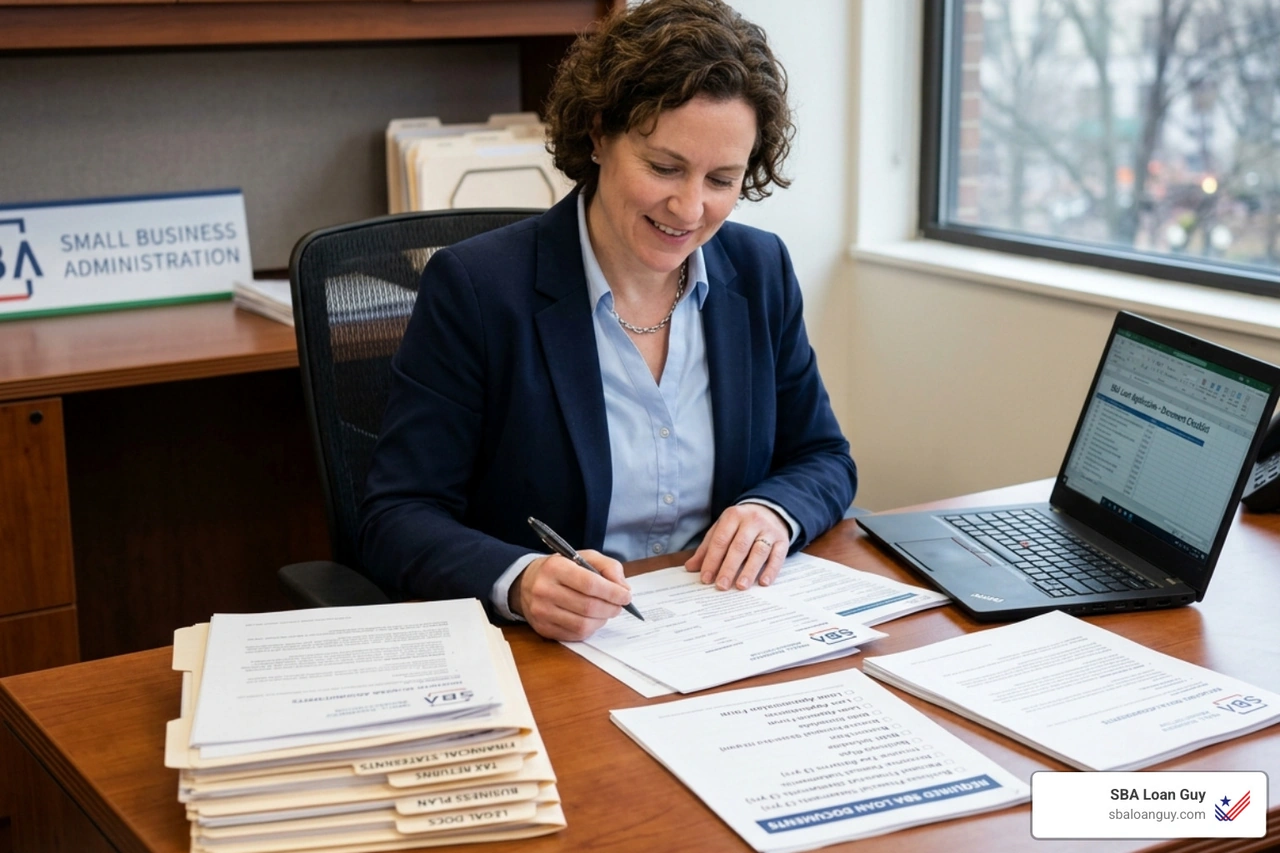
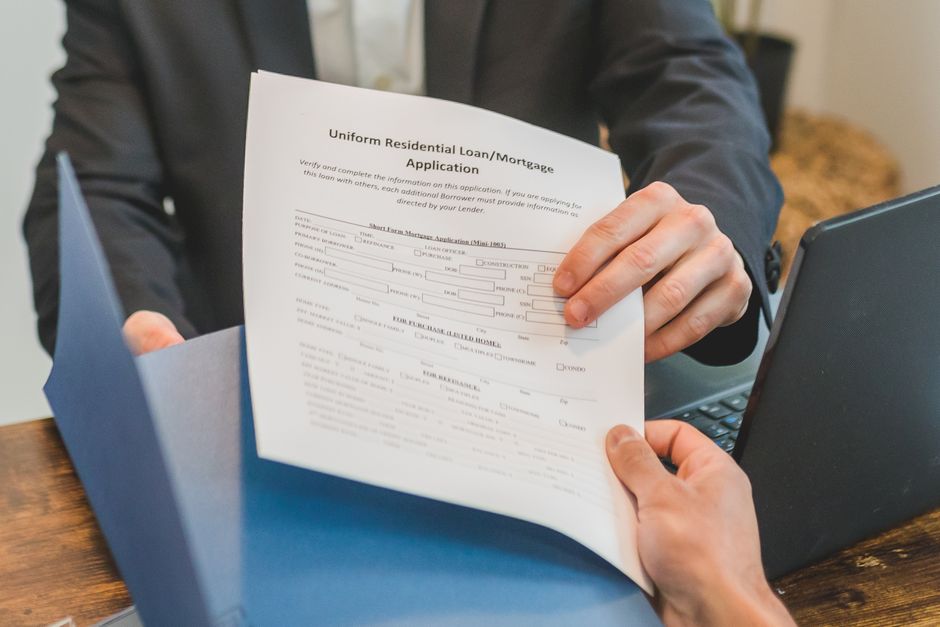
To get a loan, you need to prove your business is a winner. This requires a "Lender-Ready Package."
Don't worry if this feels overwhelming. There are free resources to help! You can find SBA’s local help in places like The Woodlands or Houston to get counseling on how to get more funding.
The government and many lenders want to make sure everyone has a fair shot at success. There are special programs and resources designed for specific groups:
Yes, but it is harder and more expensive. While big banks usually want a score of 680-700, some online lenders or nonprofit microlenders will work with scores around 600. SBA loans also consider the "whole picture," not just a single number.
Online lenders can fund in 24 hours. Banks usually take a few weeks. SBA loans traditionally took 60-90 days, but newer programs like the SBA Express are much faster!
For almost any bank or SBA loan, yes. It proves you have a strategy. Some fast online lenders might only look at your bank account data, but having a plan is always a good idea for your own success.
Navigating business money doesn't have to be a nightmare. Whether you are looking for a massive expansion or just enough cash to buy your first food truck, a small business financing guide is your best friend.
At SBA Loan Guy, we are your friendly helpers in this journey. We know the lenders in Texas, Florida, Illinois, and beyond. We don't just give you a list of names; we provide a personalized pre-qualification snapshot to see if you are ready and then offer step-by-step guidance to get you through the finish line.
Ready to see where you stand? See if you pre-qualify today and let's get your business the fuel it needs to grow!

A distilled, 0–100 snapshot of how fundable you are based on credit, cash flow, equity, and documentation. Plus the top fixes to raise your score fast.
A curated shortlist of lenders that fit your profile and use of funds, with why each is a fit and exactly what they’ll want to see.
A tailored, step-by-step list of required docs and forms (formats, who provides them, and common pitfalls to avoid).
A realistic week-by-week path from pre-qual to closing, with milestones, dependencies, and an estimated target funding date.
Hands-on prep and documentation for SBA disaster programs (EIDL and others), including submissions, follow-ups, and guidance through appeals or requests for more info.
We prepare your application, match you with the
right lenders, and guide you until funding.