Get SBA loan guidance for 2025: eligibility, types, application steps & expert tips to secure funding fast.
April 6, 2026

SBA loan guidance helps small business owners understand, apply for, and secure government-backed loans through private lenders - making growth capital more accessible than traditional bank loans alone.
Here's a quick overview of what you need to know:
| Topic | Key Facts |
|---|---|
| What is an SBA loan? | A private loan backed by the U.S. government, reducing lender risk |
| Who qualifies? | Nearly 90% of U.S. small businesses are eligible |
| Main loan types | 7(a), 504, and Microloans |
| Max loan amount | Up to $5 million (7(a)); up to $5.5 million (504) |
| Typical down payment | As low as 10% |
| How to apply | Through an SBA-approved private lender |
SBA loans are not handed out directly by the government. Instead, the Small Business Administration guarantees a portion of the loan - up to 85% in some cases - so private lenders take on less risk. That means you get better rates, lower down payments, and longer repayment terms than most conventional loans offer.
Getting this right takes preparation. The application process involves detailed documentation, eligibility rules, and lender-specific requirements that can trip up even experienced business owners.
I'm Cesar DonDiego, a finance and accounting professional who has spent years helping business owners gain clarity on funding decisions - including navigating SBA loan guidance to secure the right capital at the right terms. In the sections below, I'll walk you through everything step by step so you can apply with confidence and avoid the most common pitfalls.

When you start looking for money to grow your business, you might notice that big banks can be a little nervous. They want to make sure they get their money back! That is where the Small Business Administration (SBA) steps in. Think of the SBA as a very helpful friend who promises the bank, "If this business owner has trouble paying you back, we will cover a big part of the bill."
Because the government provides this guarantee, lenders are much more willing to say "yes" to you. In fact, nearly 90% of all businesses are eligible for an SBA loan program. This sba loan guidance is designed to help you navigate these waters. Unlike a regular bank loan that might require a huge down payment and a short time to pay it back, SBA loans often come with lower down payments and much longer terms—sometimes up to 25 years if you are buying a building!
The most important thing to remember is that the SBA doesn't actually hand you the check. You still work with a private lender, like a bank or a credit union. But because of the 7(a) loan requirements set by the government, those lenders can offer you better deals. If you want to dive deeper into the specifics of the most popular program, you can find More info about 7(a) loans on our site.
Starting a brand-new business is like planting a seed. You need the right soil and plenty of water (which, in this case, is money!) to help it grow. Many people think you can't get an SBA loan if you're a startup, but that’s a myth. While it is true that startups don't have years of history to show the bank, you can still qualify with a "Grade A" business plan.
Expert sba loan guidance is vital here. You will need to create realistic financial projections—basically, a smart guess of how much money you’ll make and spend over the next few years. Lenders want to see that you’ve thought about everything, from your light bill to your marketing costs. Even if you have a few bumps on your credit report, some SBA programs are very flexible for new entrepreneurs who show they are ready to work hard.
One of the best parts about SBA loans is the price. The interest rates are usually "pegged" to something called the Prime Rate. As of early 2026, the Prime Rate sits around 7.50%. The SBA sets a limit on how much a bank can charge you on top of that. For example, on a large loan, the bank might charge you Prime + 3%, meaning your rate would be around 10.50%.
When we provide sba loan guidance, we help you understand how these rates affect your monthly payments. Because the terms are longer (like 10 years for working capital instead of just 3 or 5), your monthly bill is much smaller. This keeps more cash in your pocket so you can pay your employees and buy inventory without stress.
Not all businesses need the same thing. Some need a new truck, some need a giant factory, and some just need a little extra cash to get through a slow month. That’s why there are different "flavors" of SBA loans.
| Loan Program | Best For... | Max Amount |
|---|---|---|
| 7(a) Loan | General use, buying a business, working capital | $5 million |
| 504 Loan | Buying land, buildings, or big machinery | $5.5 million* |
| Microloan | Small startups, inventory, or supplies | $50,000 |
| Express Loan | Fast cash with less paperwork | $500,000 |
Note: For qualifying manufacturers, this cap can jump to $10 million!
If you are in a hurry, you might want to look into More info about Express loans. These move much faster than standard loans, often giving you an answer in just a few days.
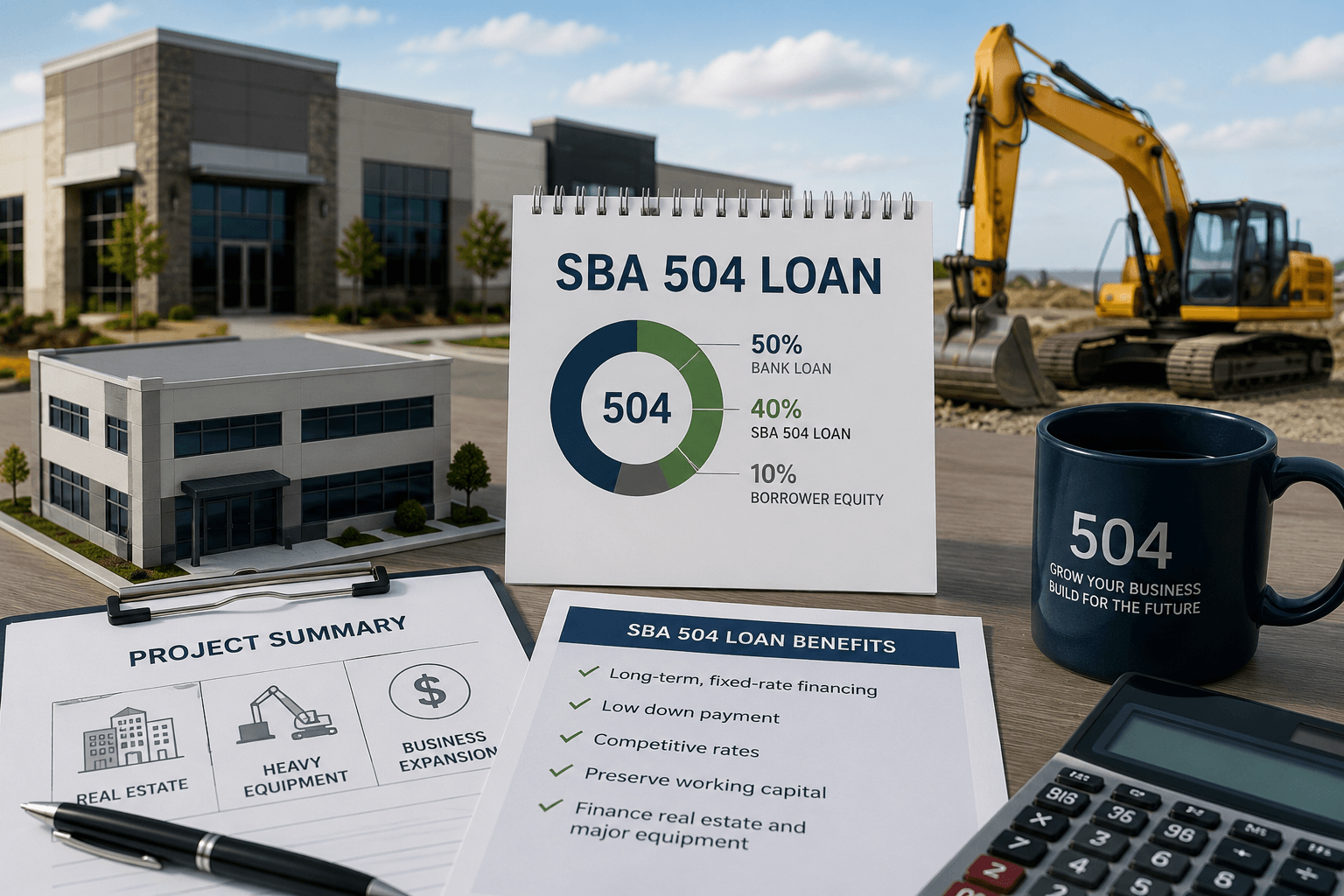
If your business is tired of paying rent and wants to own its own building, the 504 program is your best friend. The 504 loan requirements are specifically built for "fixed assets." This means things that don't move, like land and buildings.
Typically, you only have to put 10% down. Compare that to a regular commercial loan where a bank might ask for 30%! By keeping that extra 20% in your bank account, you have a safety net for your business. Plus, these loans offer 25-year terms, so your mortgage payment stays predictable for a long time.
Sometimes you don't need millions. Maybe you just need $15,000 to buy a new espresso machine for your coffee shop or some fabric for your clothing line. SBA Microloans are perfect for this. They go up to $50,000, and the average loan is actually around $13,000. These are usually handled by community-based lenders who care about helping local neighborhoods thrive.
To get an SBA loan, your business has to follow a few basic rules. First, it must be "for-profit." Sorry, charities—this program is for businesses trying to make a buck! Second, you must be physically located and doing business in the U.S. (including our homes in Houston, NYC, Chicago, or San Francisco).
One rule that confuses people is the "Credit Elsewhere" requirement. This just means the SBA wants to make sure you actually need their help. If you are a billionaire with $100 million in the bank, the government thinks you should use your own money or get a regular bank loan. They save SBA loans for the rest of us who can't get those "perfect" traditional terms.
If your business has been hit by a storm or a disaster, there are special rules for you too. You can find More info about disaster loans to help you get back on your feet.
Even though 90% of businesses qualify, there are some "no-go" zones. You generally cannot get an SBA loan if your business is involved in:
The SBA cares about who owns the business. Anyone who owns 20% or more must provide a "personal guarantee." This is a fancy way of saying that if the business can't pay, you promise to help.
There are also citizenship rules. Generally, you need to be a U.S. citizen or a "Lawful Permanent Resident" (someone with a green card). In 2026, some rules are changing that might make it stricter for non-citizens to be the primary owners. Always check for the latest sba loan guidance to see how these dates affect you.
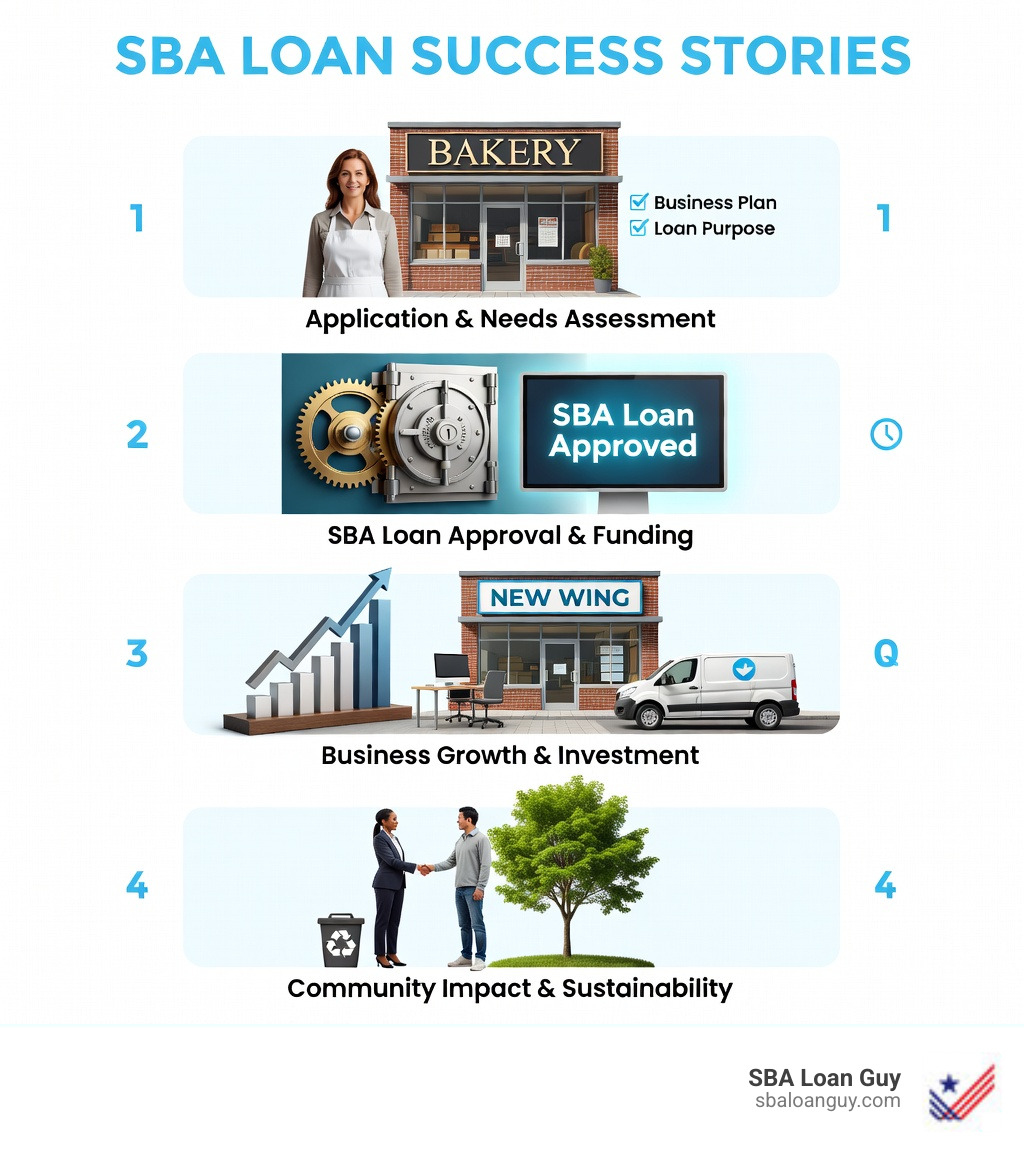
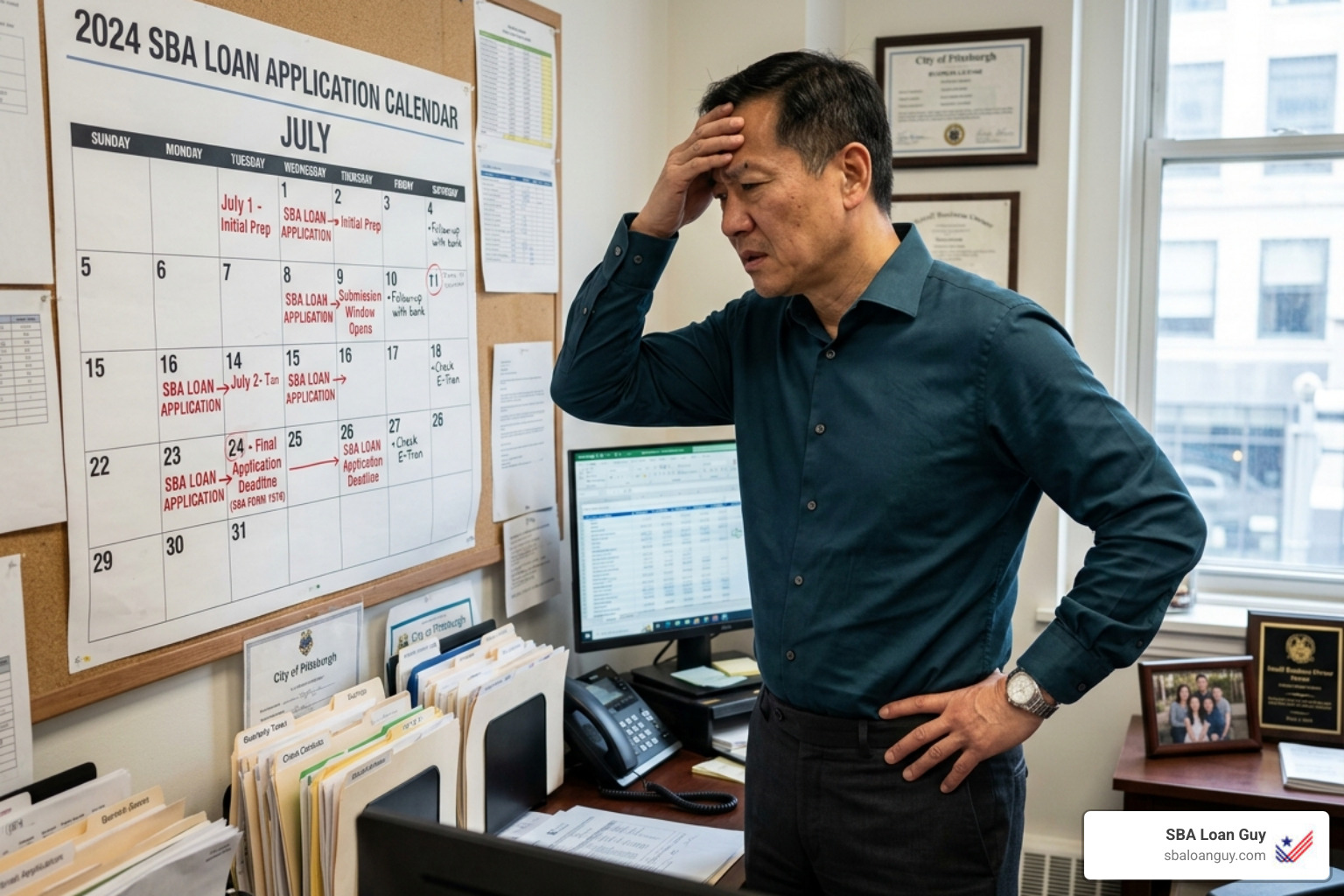
We won't sugarcoat it: the SBA loves paperwork. If you want a loan, you have to be organized. Most applications take between 30 and 90 days from the moment you start until the money hits your bank account.
You will definitely need:
If you're feeling overwhelmed, don't worry! You can See if you pre-qualify right now to get a better idea of where you stand before you start digging through your filing cabinet.
The number one reason SBA loans get delayed is because of mistakes on the forms. If you say you made $100,000 on one form but your tax return says $95,000, the bank will pause everything to ask why.
Once the bank says "Yes!", you enter the "Closing" phase. This is like closing on a house. You will have some costs to pay, like appraisal fees (to see how much your equipment or building is worth) and legal fees.
The good news? Most of these fees can be "rolled into" the loan. This means you don't have to pay them all out of pocket on day one; you just pay them back a little bit at a time as part of your monthly payment.
Yes! While a higher score is always better (most lenders like to see 650 or 680+), the SBA program is specifically designed to help people who might not have perfect credit. If you have a strong business plan and can show that your business makes enough money to pay the loan back, you still have a very good chance.
For an Express loan, you could have an answer in 36 hours and money in a few weeks. For a big 504 or 7(a) loan, expect it to take 2 to 3 months. Being organized with your paperwork is the best way to speed this up!
Not always. For smaller loans (under $50,000), you often don't need any collateral at all. For larger loans, the bank will look at your business assets first (like your equipment or inventory). If those aren't enough to cover the loan, they might ask to use your home equity as a backup.
Navigating small business finance doesn't have to be a lonely journey. At SBA Loan Guy, we live and breathe sba loan guidance. Whether you are in The Woodlands, Houston, Chicago, or New York City, our goal is to make sure you get the capital you need to turn your dreams into reality.
We offer a personalized pre-qualification snapshot and we match you with the perfect lender for your specific industry. Don't let the paperwork scare you away from the growth your business deserves. We are here to guide you every step of the way, from the first form to the final funding.
Ready to take the next step? Start your application today and let's get to work on your future!

A distilled, 0–100 snapshot of how fundable you are based on credit, cash flow, equity, and documentation. Plus the top fixes to raise your score fast.
A curated shortlist of lenders that fit your profile and use of funds, with why each is a fit and exactly what they’ll want to see.
A tailored, step-by-step list of required docs and forms (formats, who provides them, and common pitfalls to avoid).
A realistic week-by-week path from pre-qual to closing, with milestones, dependencies, and an estimated target funding date.
Hands-on prep and documentation for SBA disaster programs (EIDL and others), including submissions, follow-ups, and guidance through appeals or requests for more info.
We prepare your application, match you with the
right lenders, and guide you until funding.