Discover small business finance solutions: loans, grants, SBA programs & tips to fund your business fast without selling out.
March 24, 2026

Small business finance solutions are the different ways you can get money to start, run, or grow your business. Here is a quick look at the most common options:
| Funding Type | Best For | Speed |
|---|---|---|
| SBA 7(a) Loan | Growth, acquisition, equipment | Weeks |
| Bank Loan | Established businesses | Weeks |
| Online/Fintech Loan | Fast cash needs | Days |
| Business Line of Credit | Cash flow gaps | Days |
| Government Grants | Qualifying businesses | Varies |
| Personal Savings | Startups | Immediate |
| Crowdfunding | Product-based businesses | Weeks |
Running a business is hard. You need money to hire people, grow, or buy tools. But finding that money can be scary.
Here is the truth: small businesses make up more than 43% of U.S. GDP and support 40% of all jobs. Yet over 75% of small business owners say they worry about getting money. Loan approval rates have actually gone down since 2019 - from about 55% in 2019 to roughly 51% by the end of 2023.
This guide is here to help you close that gap.
Whether you are just starting or buying a business, there is a way to get funding. You just need to know where to look.
I am Cesar DonDiego. I help business owners plan their money and find the right small business finance solutions for their goals. I have seen what works and what fails. I want to help you avoid mistakes that cost time and money.
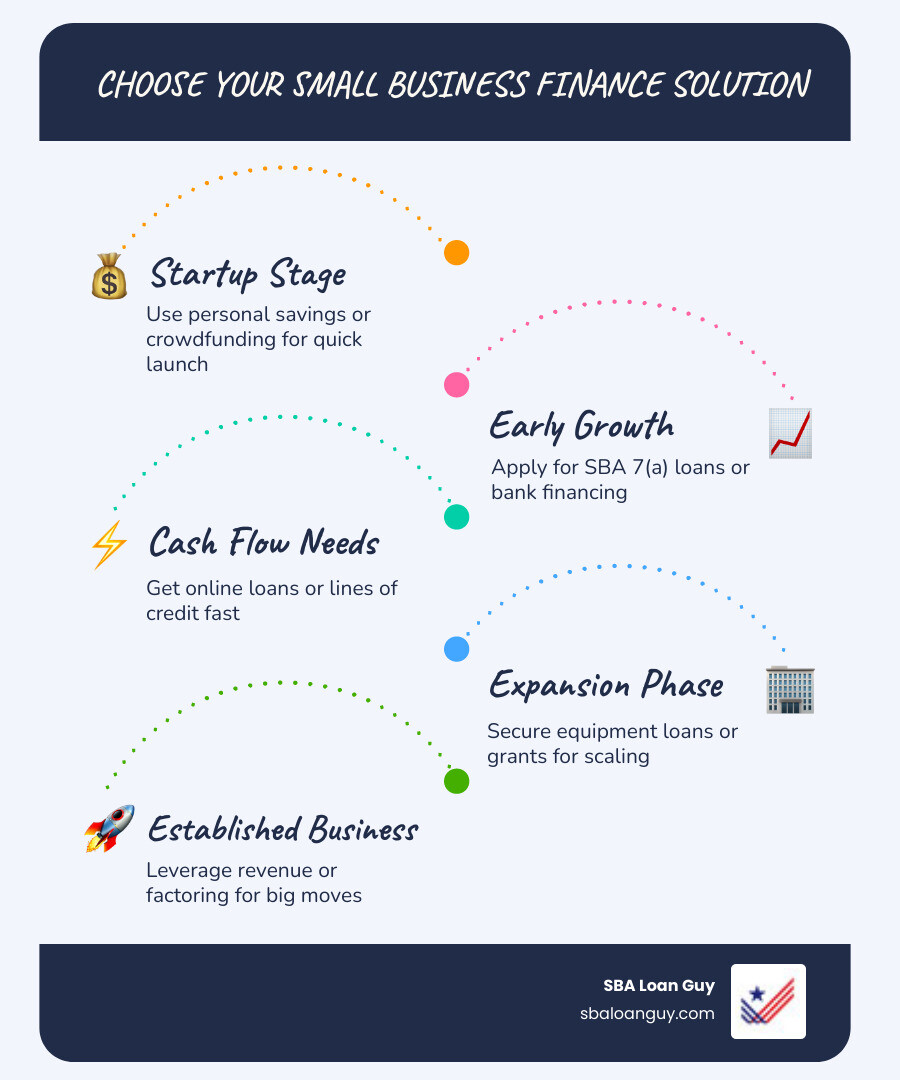
Every business is like a person; it has different needs as it grows up. A baby business (a startup) needs different "food" than a grown-up business that wants to buy its own building. Understanding which small business finance solutions match your current stage is the first step to success.

When you are just starting, most big banks might say "no" because you don't have a history yet. This is why 80% of business owners use their own personal savings to get off the ground. It is the simplest way to start because you don't have to ask anyone for permission.
Other early-stage options include:
Once your business is making money, you can use that money to grow. This is often called "bootstrapping."
In the old days, you had to put on a suit and go to a big building downtown to ask for money. Today, things are a lot different. The small business loan market in the U.S. is now worth over $1.4 trillion, and there are many ways to get a piece of that pie.
Big banks and credit unions are great for businesses that have been around for a while. They usually have the lowest interest rates. However, they also have the strictest rules. They want to see years of tax returns and a perfect credit score. If you want a loan that is backed by the government but comes through a bank, an SBA 7(a) loan is often the best choice for buying a business or a building.
If you need money tomorrow, a big bank won't work. That’s where Fintech (Financial Technology) and online lenders come in.
Sometimes you have plenty of money, but it is "stuck" in unpaid bills (invoices).
The U.S. government knows that small businesses are the heartbeat of the country. They create programs to help you get the small business finance solutions you need.
The Small Business Administration (SBA) does not give you a check directly. Instead, they act like a "co-signer." They tell the bank, "If this business cannot pay you back, we will help." This makes banks more likely to say "yes" to you.
At SBA Loan Guy, we help you understand these programs:
There are also programs like the SSBCI (State Small Business Credit Initiative). It has helped provide billions of dollars in new money since 2022. There are also grants. Grants are like "free money" because you do not have to pay them back. But they are hard to get and have very strict rules about how you spend the money.
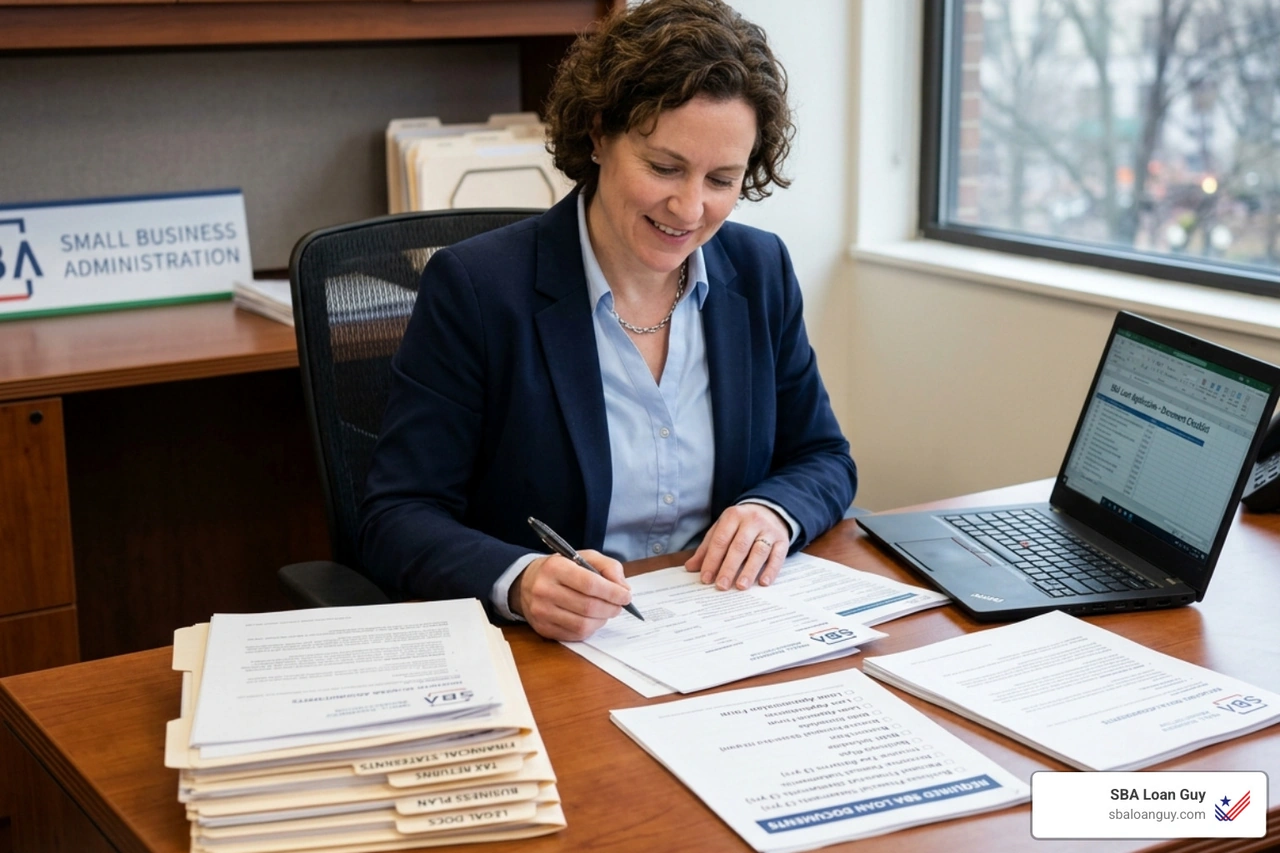
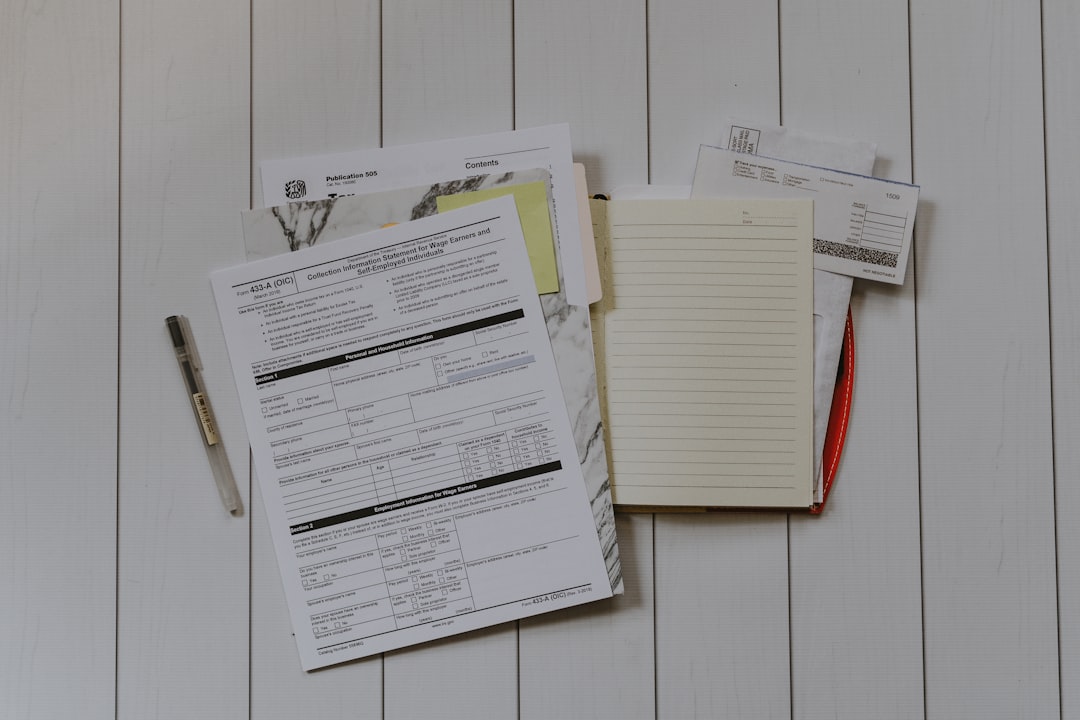
Getting a loan is like taking a big test. You want to study and have all your papers ready before you walk in. If you are prepared, the lender will feel safe giving you money.
Lenders look at something called DSCR (Debt Service Coverage Ratio). This is just a fancy way of asking: "After you pay all your business bills, do you have enough money left over to pay the loan?" Most lenders want to see that you have $1.25 for every $1.00 of loan payment you owe.
They also look for:
Before you apply, you should do a "check-up" on your business.
Not everyone starts at the same place. We know that some owners face bigger hurdles when looking for small business finance solutions. This includes women, veterans, and minority business owners.
Since the pandemic, banks have become more careful. They have made their rules stricter, and interest rates have gone up. This makes it harder for some owners to get a fair chance. In fact, many minority-owned firms start with more debt than other groups.
There are groups made just to help bridge this gap:
The "easiest" way is usually an online lender or a merchant cash advance because they don't ask for many papers. However, "easy" usually means "expensive." The smartest way is often an SBA loan because it gives you the best terms for the long run.
No! While a high score helps, it isn't the only thing lenders look at. Even businesses with "bruised" credit can sometimes qualify for startup funding if they have a strong business plan and a good reason for the loan.
A loan is money you must pay back with interest. A grant is money you keep (free money), usually given by the government or a foundation to help you do something specific, like improve your community or invent something new.
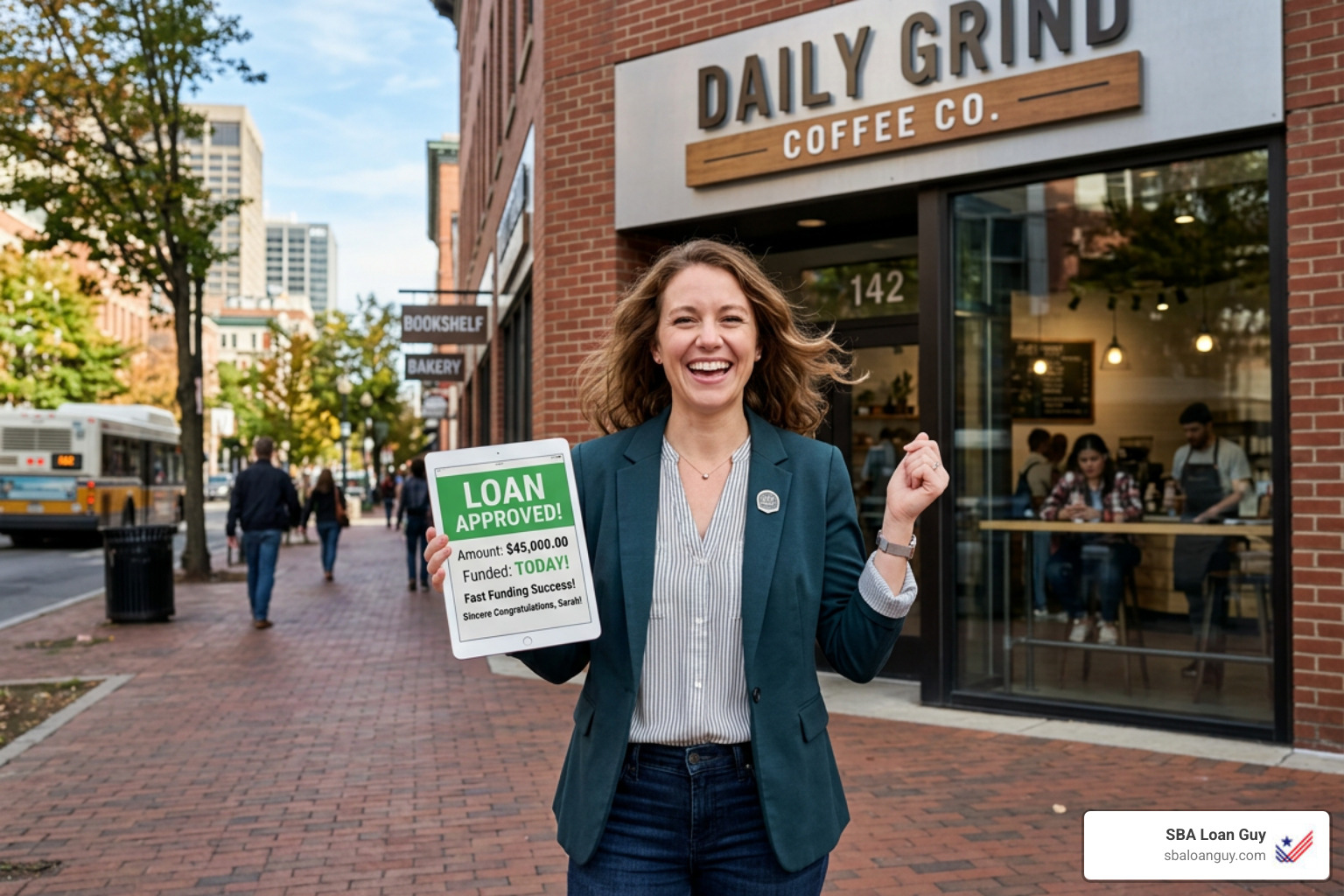
Finding the right small business finance solutions doesn't have to feel like you are selling your soul. It’s about finding a partner who understands your goals. Whether you are in Houston, New York City, or San Francisco, the money is out there—you just need the right map to find it.
Remember to:
At SBA Loan Guy, we are here to guide you through every step, from your first pre-qualification snapshot to the moment the money hits your bank account. Let’s build something great together.

A distilled, 0–100 snapshot of how fundable you are based on credit, cash flow, equity, and documentation. Plus the top fixes to raise your score fast.
A curated shortlist of lenders that fit your profile and use of funds, with why each is a fit and exactly what they’ll want to see.
A tailored, step-by-step list of required docs and forms (formats, who provides them, and common pitfalls to avoid).
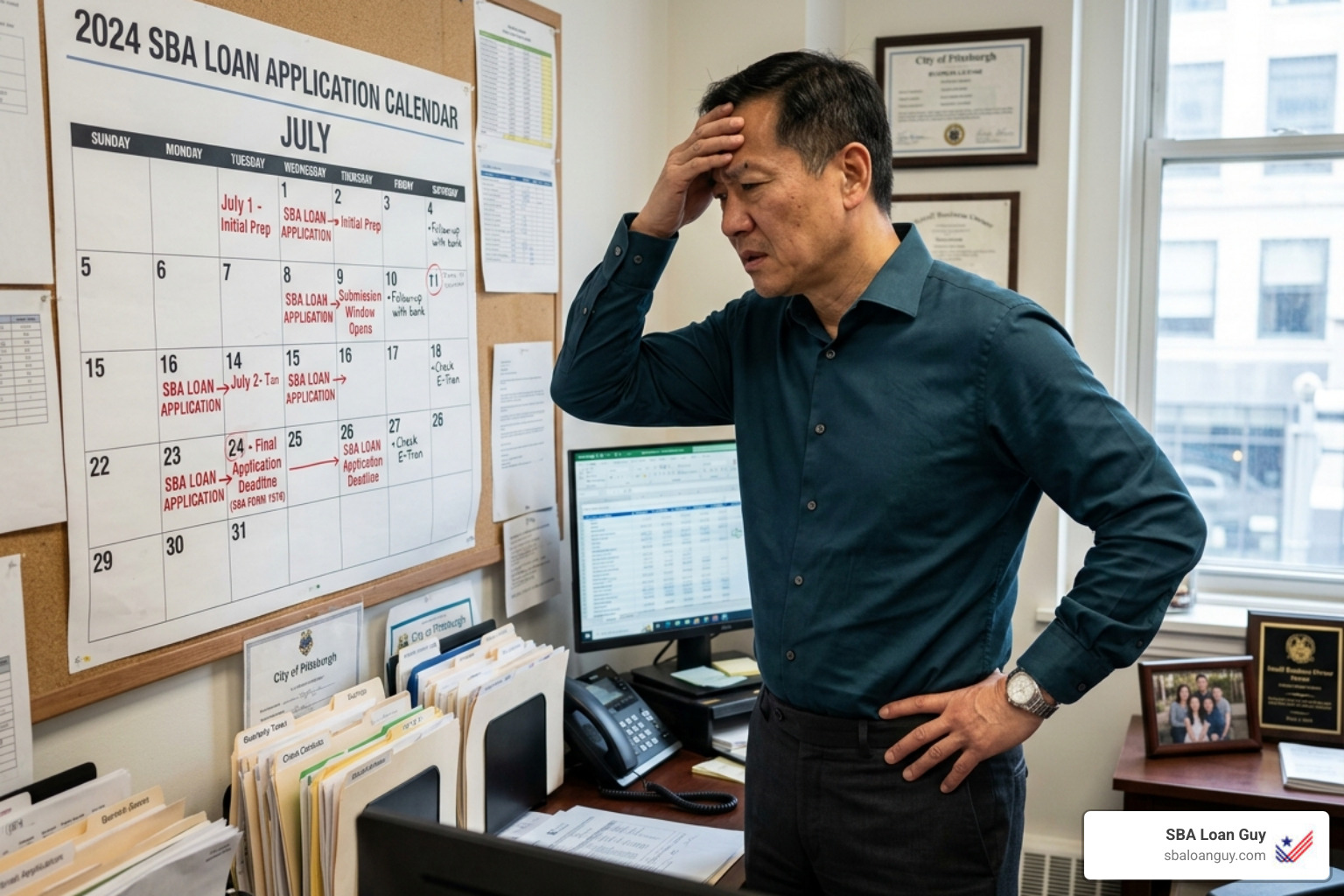
A realistic week-by-week path from pre-qual to closing, with milestones, dependencies, and an estimated target funding date.
Hands-on prep and documentation for SBA disaster programs (EIDL and others), including submissions, follow-ups, and guidance through appeals or requests for more info.
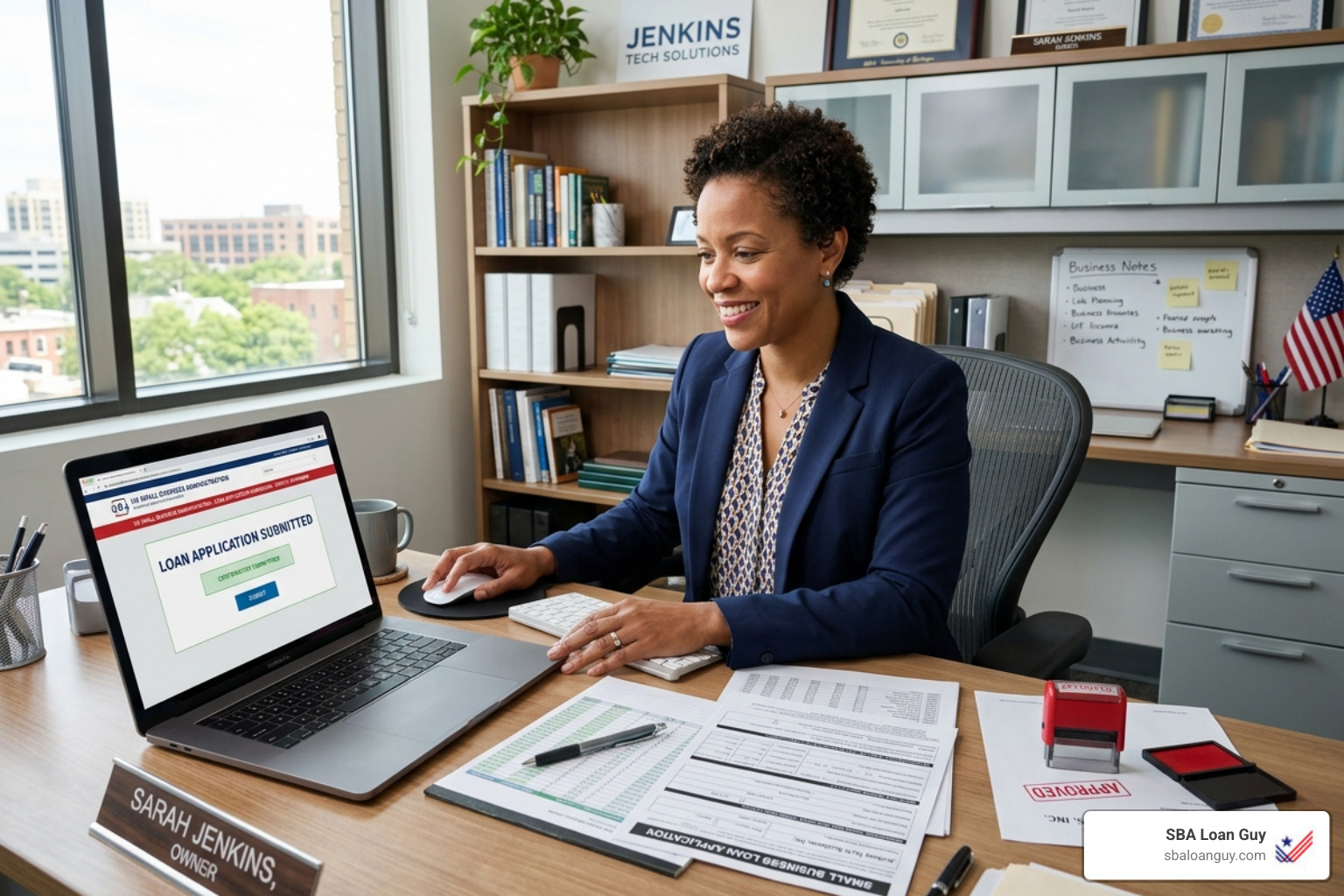
We prepare your application, match you with the
right lenders, and guide you until funding.