Secure your SBA startup business loan: low-risk funding, easy qualification, step-by-step guide for new businesses. Apply now!
April 22, 2026
An SBA startup business loan is one of the best ways for new business owners to get funded — with lower down payments, longer repayment terms, and government-backed guarantees that make lenders say "yes" more often.
Here's a quick look at your main options:
| Loan Program | Max Amount | Best For |
|---|---|---|
| SBA 7(a) | $5,000,000 | Working capital, equipment, real estate |
| SBA Express | $500,000 | Faster funding, flexible use |
| SBA Microloan | $50,000 | Very early-stage or micro businesses |
To get started, you need to:
Starting a business is exciting — but funding it is where most people get stuck. Nearly half of all small businesses don't make it past five years, and a big reason is running out of money too early. The good news? SBA-backed loans exist specifically to help new businesses get off the ground, even when traditional banks won't take the risk.
I'm Cesar DonDiego, a finance and accounting professional with hands-on experience helping business owners navigate funding options like the SBA startup business loan — from evaluating cash flow to structuring loan applications that actually get approved. In this guide, I'll walk you through exactly what you need to know to land your loan.
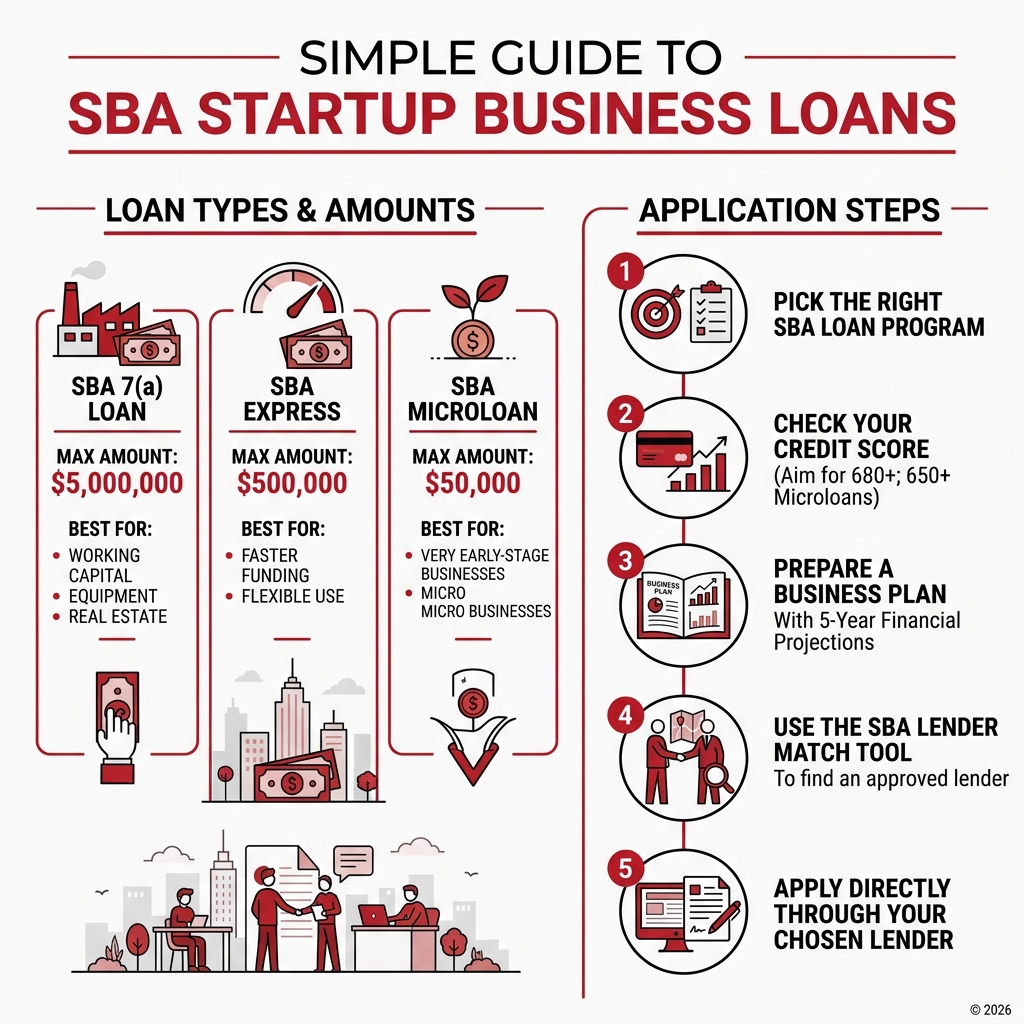
Simple guide to SBA startup business loan terms:

When we talk about an SBA startup business loan, we aren't talking about a loan that comes directly from the government. Instead, the U.S. Small Business Administration (SBA) acts like a giant co-signer. They tell the bank, "If this startup can't pay you back, we will cover most of the loss."
Because the government reduces the risk for the lender, banks are much more willing to give money to a brand-new shop or a tech startup that hasn't made a profit yet. This is huge because most traditional banks want to see two or three years of tax returns showing a profit before they even talk to you.
The most common type is the SBA 7(a) loan, which is the primary program for providing financial assistance to small businesses. However, for very small needs, there are Microloans. To qualify, your business must meet Size Requirements, meaning you have to actually be a "small" business based on your industry's revenue or employee count.
SBA 7(a) Loan
SBA Microloan
You might wonder, "Why not just get a regular bank loan or use a credit card?" Well, credit cards have sky-high interest rates, and regular bank loans often require you to put down 20% to 30% of the project cost in cash.
With an SBA startup business loan, we often see down payments as low as 10%. Plus, you get longer terms—up to 25 years for real estate—which means your monthly payments are smaller, leaving you more cash to run your business. You also get access to free counseling and education to help you succeed.
Just keep in mind that there are some type of ineligible business categories. For example, you can't get an SBA loan for gambling, lending money to others, or religious instruction.
The biggest difference is Risk Reduction. In a normal bank loan, if you fail, the bank loses everything. In an SBA-backed deal, the SBA guarantees up to 85% of loans of $150,000 or less, and 75% for larger loans.
Another big win for you? Interest Caps. The SBA sets limits on how much a lender can charge you. As of 2025, with the Prime Rate at 7.50%, most 7(a) loans will range from 7.75% to 10.50%. Traditional "hard money" or alternative lenders might charge you 20% or more! Also, SBA loans generally have no "early fees" or prepayment penalties for shorter-term loans, though some apply to long-term real estate loans.
Not every SBA loan is the same. We find that three specific programs work best for startups:
The Microloan program is perfect for the "solopreneur" or the tiny neighborhood shop. These loans go up to $50,000, but the average amount is only about $13,000.
The money comes from specially designated nonprofit community lenders (intermediaries) rather than big national banks. These lenders often focus on helping women, veterans, and minority business owners. You can use the funds for working capital, inventory, or equipment, but you cannot use them to buy real estate or pay off old debt. The maximum term is seven years, making it a quick way to build business credit.
If you are in a hurry, the SBA Express program is your friend. While a standard 7(a) loan can take weeks or months to approve, the SBA responds to Express applications within 36 hours.
The maximum loan is $500,000, and the government only guarantees 50% of it. Because the bank takes more risk here, they might ask for a bit more collateral, but for loans under $50,000, they often don't require any collateral at all! It’s a great way to get a revolving line of credit that lasts up to 10 years.
Qualifying for an SBA startup business loan requires more than just a good idea. Lenders look at the "Five Cs" of credit, but for a startup, three things matter most: your credit score, your "skin in the game" (equity), and your plan.
First, you must be a for-profit business located in the U.S. or its territories. You also have to show that you tried to get a regular loan elsewhere and couldn't get it on reasonable terms. This is called the "credit elsewhere" test. You can find a full SBA funding overview on their website to see the fine print.
Even if your business is new, your personal financial history matters.
Since a startup doesn't have a history of making money, the bank has to believe in your future. You need a solid business plan that includes:
At SBA Loan Guy, we specialize in helping you polish these documents so they speak the "language of the bank."
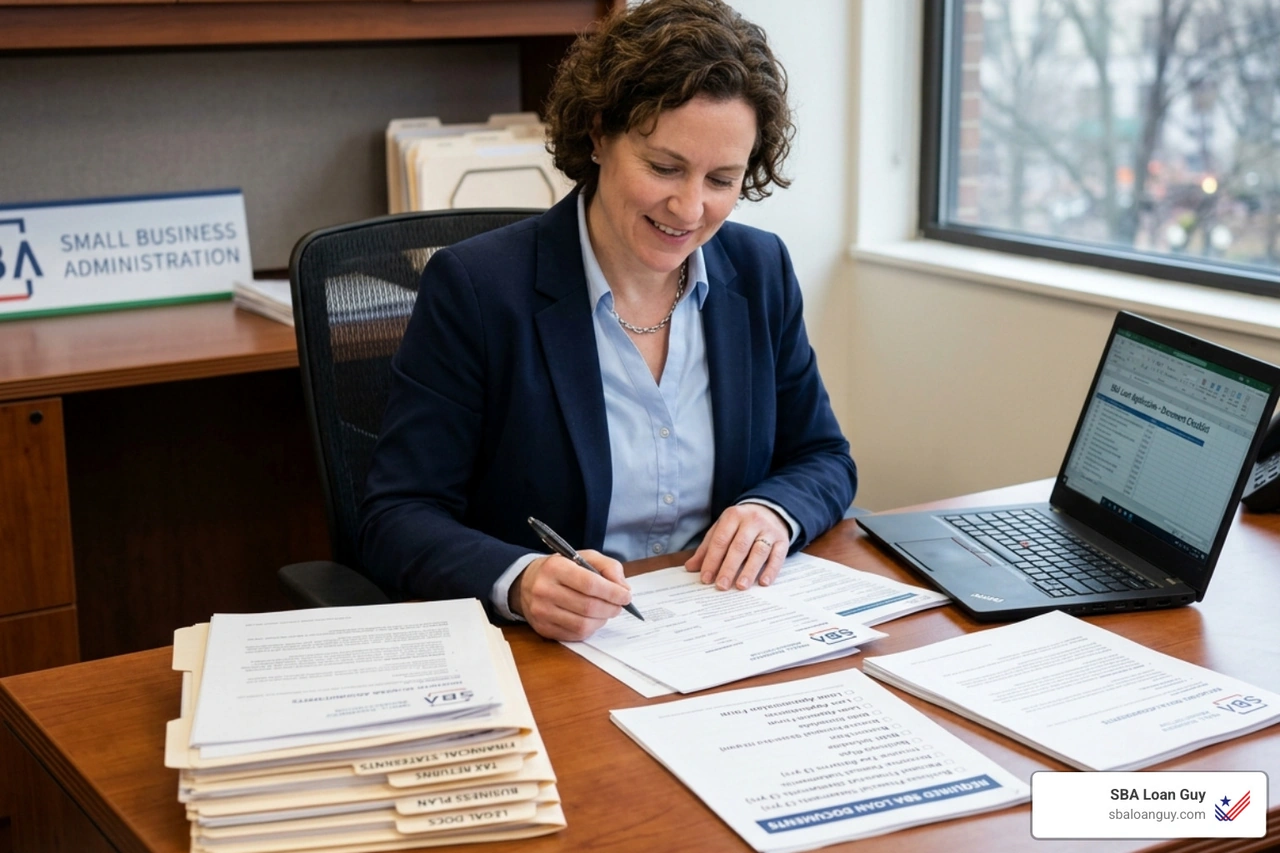
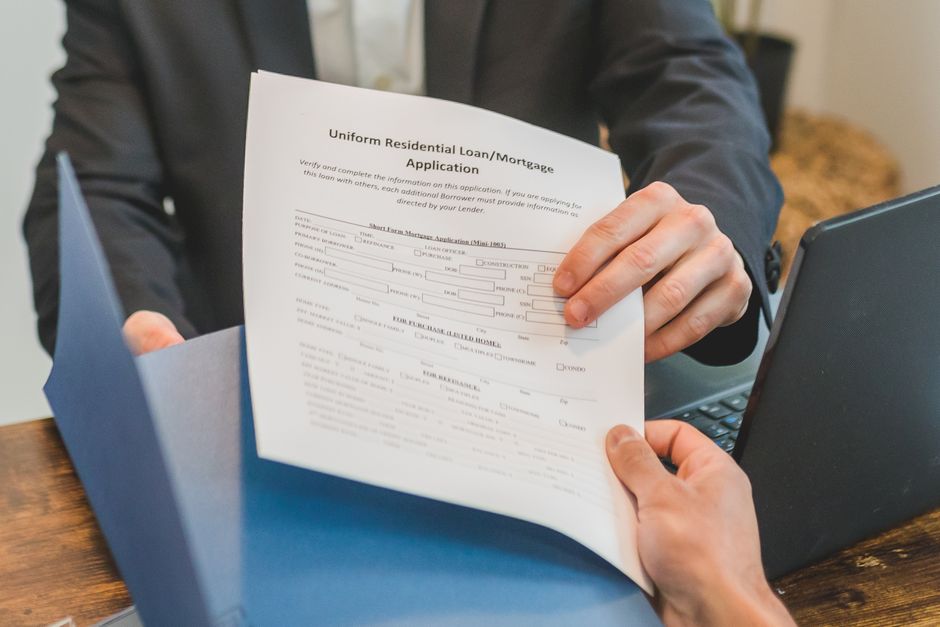
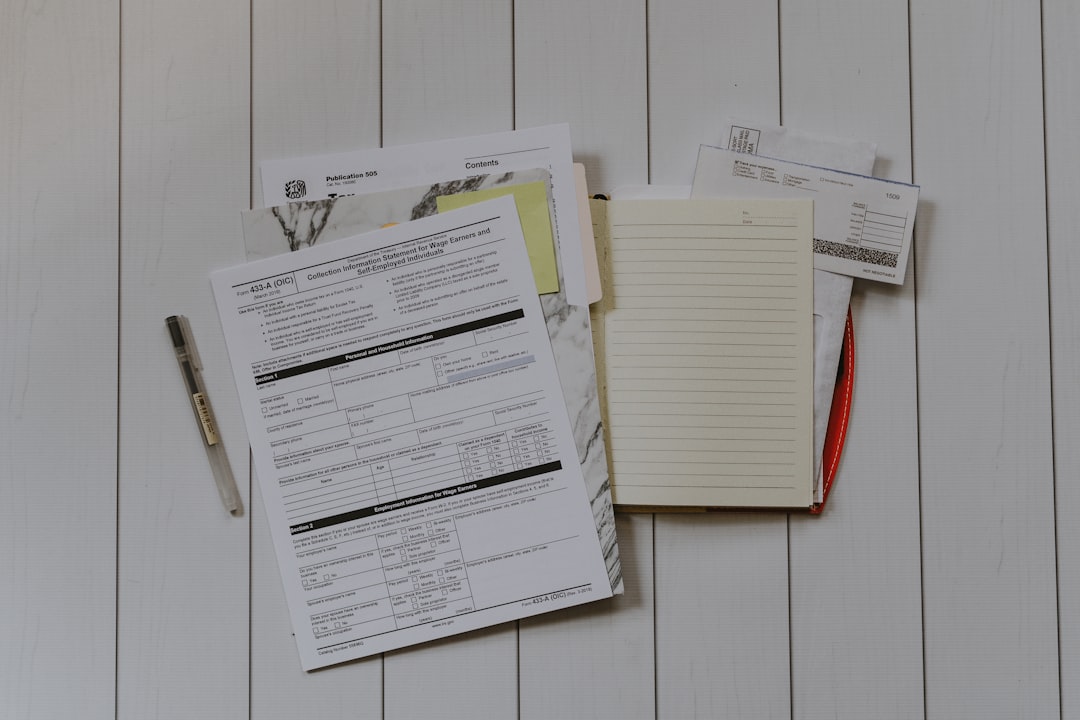
Ready to apply? Don't just walk into a bank and ask for money. You need to be organized. Most SBA 7(a) eligibility checks start with a big stack of paperwork.
Here is what you'll usually need:
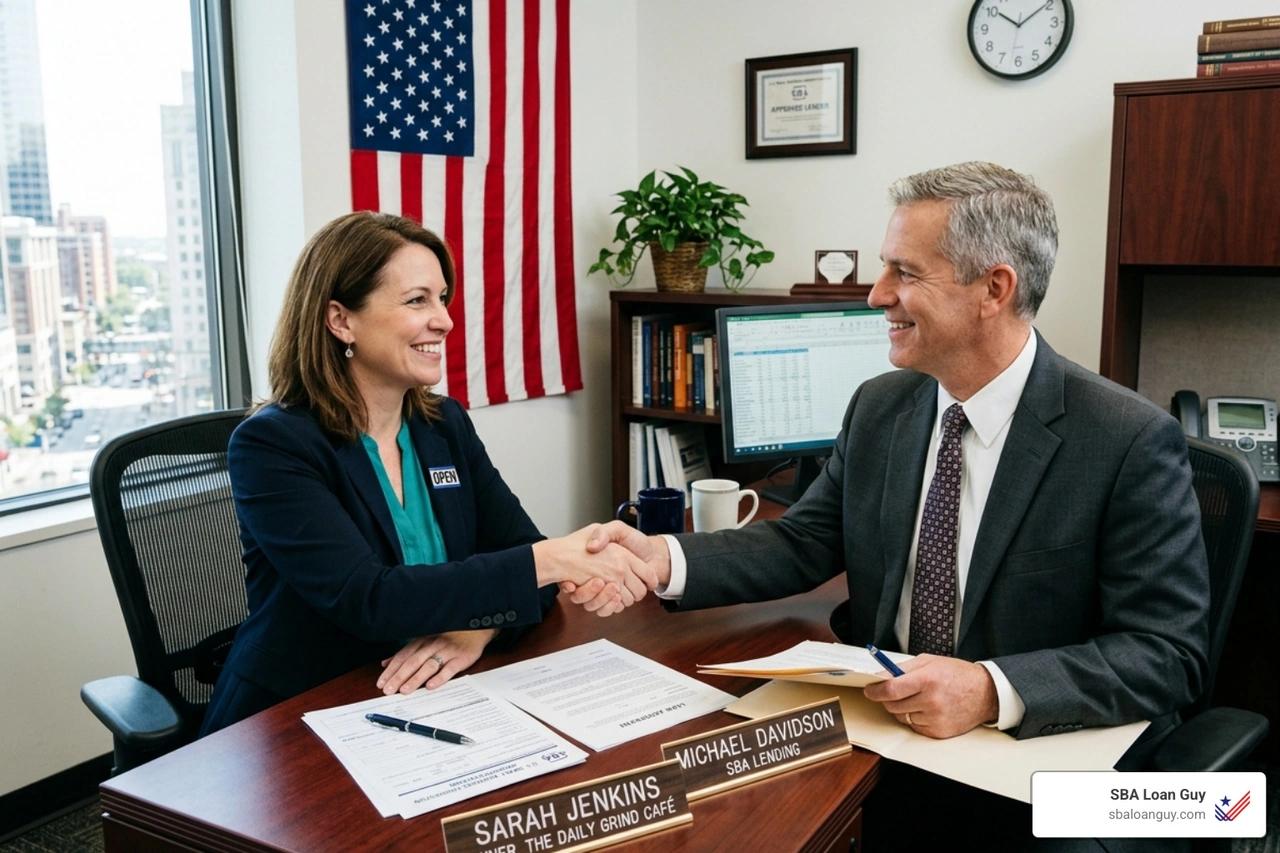
Not all banks are good at SBA loans. Some might do one a year, while others do hundreds. We recommend looking for a Preferred Lender (PLP). These banks have "delegated authority," which means they can approve the loan themselves without waiting for the SBA to double-check everything. This can save you weeks of waiting!
You can use the MySBA Loan Portal or the Lender Match tool to find folks in your area. If you are in The Woodlands, Houston, Chicago, or NYC, we can help match you with lenders we know and trust.
Once you get a "Yes," you aren't done yet. You have to "close" the loan. This is when the lawyers and insurance agents get involved.
The maximum for a 7(a) loan is $5 million. However, most startups don't need that much. Microloans are capped at $50,000, with the average being around $13,000. The amount you get depends on your startup costs and your ability to prove you can pay the monthly installments.
You can use an SBA startup business loan for almost anything that helps the business grow:
A score of 680 is the "gold standard" for most SBA lenders. If your score is lower, don't give up! Microloans are more flexible and often accept scores around 650. Even if you have "bad credit," you might still qualify if you have a very strong business partner, a lot of collateral, or a massive down payment.
Securing an SBA startup business loan is a marathon, not a sprint. It takes preparation, patience, and a lot of paperwork. But the reward—a low-interest, long-term loan that gives your business room to breathe—is worth the effort.
At SBA Loan Guy, we are here to make the process simple. Whether you are in The Woodlands, TX, or any of our other locations like Houston, California, Florida, or Illinois, we can help you get your documents ready and find the perfect lender match.
Ready to take the first step?

A distilled, 0–100 snapshot of how fundable you are based on credit, cash flow, equity, and documentation. Plus the top fixes to raise your score fast.
A curated shortlist of lenders that fit your profile and use of funds, with why each is a fit and exactly what they’ll want to see.
A tailored, step-by-step list of required docs and forms (formats, who provides them, and common pitfalls to avoid).
A realistic week-by-week path from pre-qual to closing, with milestones, dependencies, and an estimated target funding date.
Hands-on prep and documentation for SBA disaster programs (EIDL and others), including submissions, follow-ups, and guidance through appeals or requests for more info.
We prepare your application, match you with the
right lenders, and guide you until funding.