Ace your small business loan approval: Master the 5 C's, docs, credit tips & SBA options for fast funding success!
April 1, 2026

Small business loan approval depends on meeting several key criteria that lenders check before saying yes. Here's a quick summary of what you need to know:
More than 40% of small businesses applied for financing last year — yet 28% of applicants were rejected or only partially approved. That's a lot of business owners walking away empty-handed, often because of avoidable mistakes.
Getting approved isn't just about having a good credit score. Lenders look at the full picture — your cash flow, how long you've been in business, your debt levels, your collateral, and whether your business plan makes sense. Miss one piece, and your application could stall or get denied.
I'm Cesar DonDiego, a finance and accounting professional who has worked directly with small business owners on financial planning, cash flow management, and helping them get loan-ready — all areas that are critical to small business loan approval. In this guide, I'll walk you through exactly what lenders want to see and how to give it to them.

When we talk about small business loan approval, we often talk about the "5 C’s of Credit." Think of these as a report card that lenders use to grade your business. If you understand these five things, you are already halfway to getting the money you need.

To even get in the door for an SBA loan, your business must also meet certain size requirements. You can learn about SBA size standards to see if your company is officially "small" enough to qualify. Generally, this is based on how many employees you have or how much money you make each year.
Your credit score is like a giant neon sign telling lenders how risky you are. For a small business loan approval, most traditional banks and SBA-backed lenders want to see a personal FICO score of at least 680. Some online lenders might go as low as 500, but the interest rates will be much higher.
Don't forget about your business credit! Just like you have a personal score, your business can have one too. Agencies like Dun & Bradstreet track how well your business pays its bills. We always recommend that you check your personal score for free at AnnualCreditReport.com before you apply. If there are mistakes on your report, fix them first! A higher score means a better chance of approval and a lower interest rate.
Lenders love math, and there is one math problem they care about more than any other: the Debt Service Coverage Ratio (DSCR).
Here is how it works: Lenders take your annual net operating income and divide it by your total annual debt payments. A standard requirement for small business loan approval is a DSCR of 1.25x. This means for every $1 you owe the bank, your business makes $1.25. If your ratio is 1.0 or lower, it means you are barely making enough to pay your bills, and lenders will likely say no.
If you are looking for the most flexible way to get funding, you might want to read more info about SBA 7(a) loans. These loans are great because the government guarantees a big part of them—up to 85% for loans under $150,000—which makes banks feel much safer lending to you.
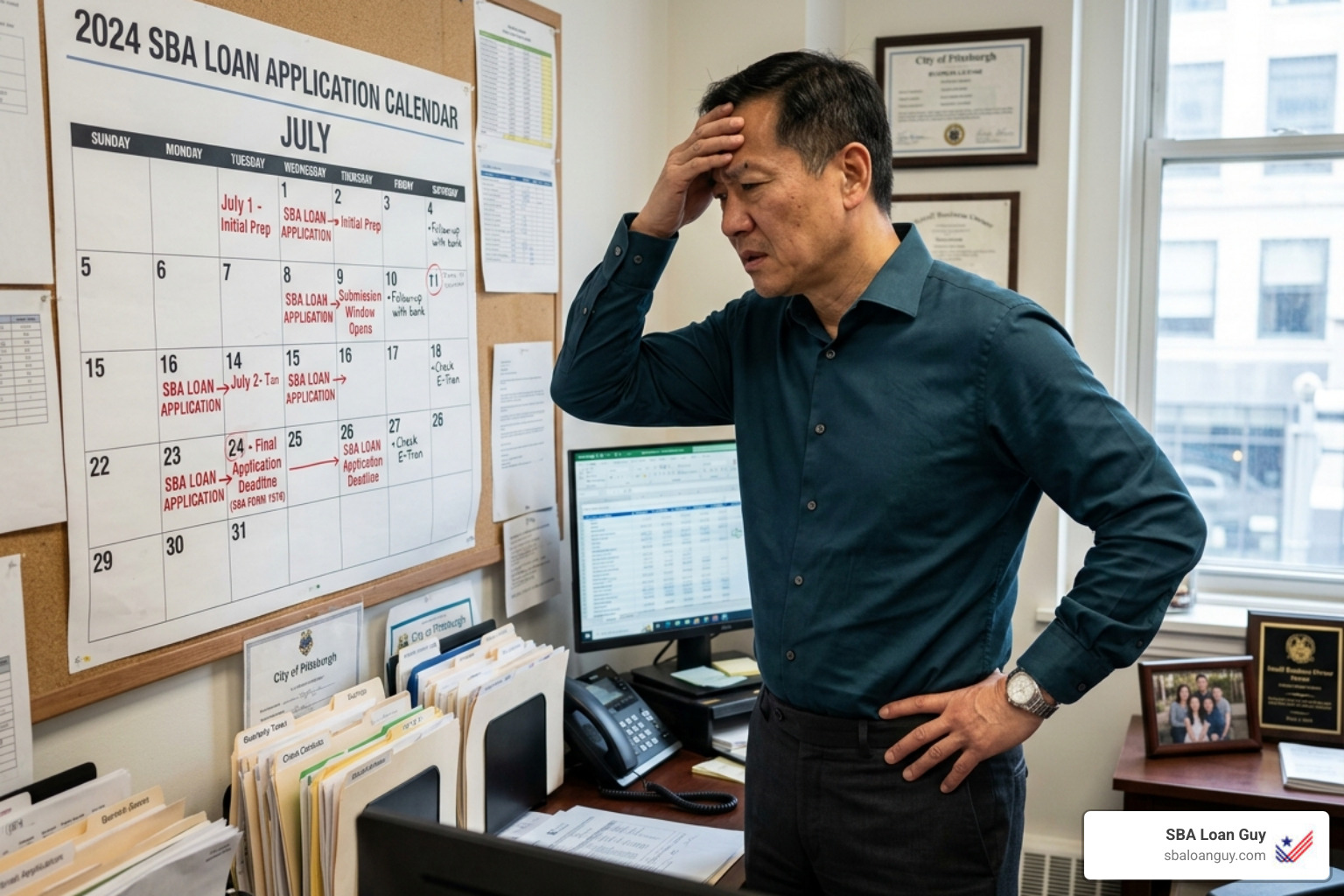
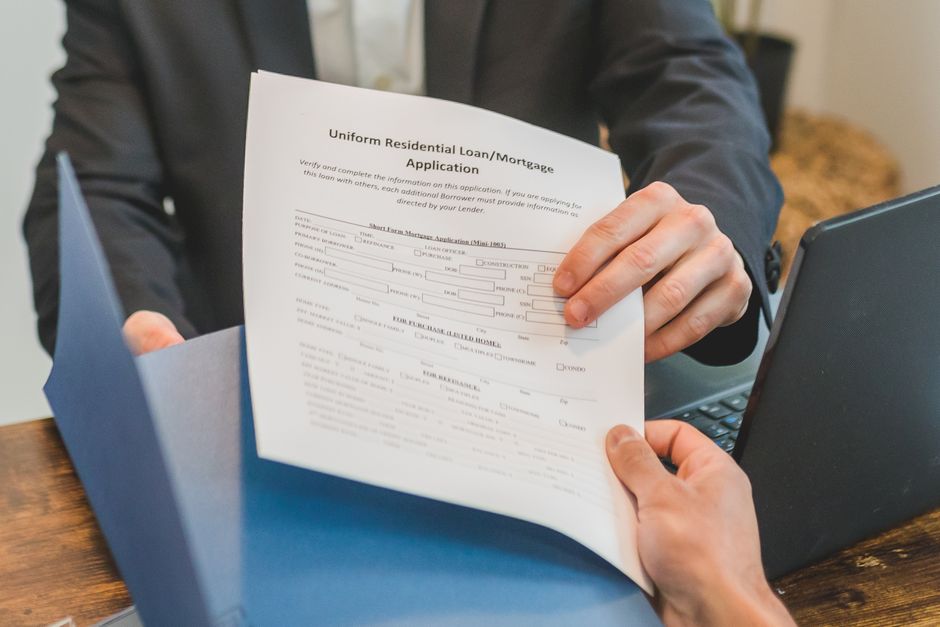
Applying for a loan can feel like doing your taxes ten times over. Lenders need a mountain of paperwork to prove your business is healthy. If you show up with organized folders, you look professional and prepared.
Here is your "must-have" checklist:
Before you start, it is a great idea to check your business credit insights. Knowing what is on your business credit report helps you answer any tough questions the lender might ask about your payment history.
Lenders don't just look at the total amount of money you make; they look at the quality of that money. They want to see consistent annual revenue—often at least $100,000 for most term loans.
They also look at your "time in business." Most traditional banks want to see that you’ve been running for at least two years. If you’ve only been around for six months, don't worry! There are still options, but you will need to show very strong monthly sales.
Lenders also look at your personal Debt-to-Income (DTI) ratio. This is how much of your personal monthly income goes toward paying personal debts like your mortgage or car loan. Most lenders prefer a DTI below 36%. If you want to see where you stand right now, you can see if you pre-qualify with us to get a better idea of your options.
If your credit isn't perfect or your business is young, don't give up! There are things we can do to make your application look better.
Your business plan isn't just a school project; it's a sales pitch. Lenders want to see exactly how you will use the money to make more money.
If you say, "I need $50,000 for stuff," you will get denied. If you say, "I need $50,000 to buy a new oven that will let me bake 40% more bread and increase my monthly sales by $5,000," the lender will be much more interested. Make sure your plan includes market research, clear goals, and profit projections for the next three years.
Not all loans are the same. Some are like a marathon (long and steady), while others are like a sprint (fast and intense). Here is a quick look at the most common types:
| Loan Type | Max Amount | Typical Approval Time | Best For... |
|---|---|---|---|
| SBA 7(a) | $5 Million | 30–90 Days | General expansion, buying a business |
| SBA Express | $500,000 | 36 Hours (for SBA response) | Fast working capital, equipment |
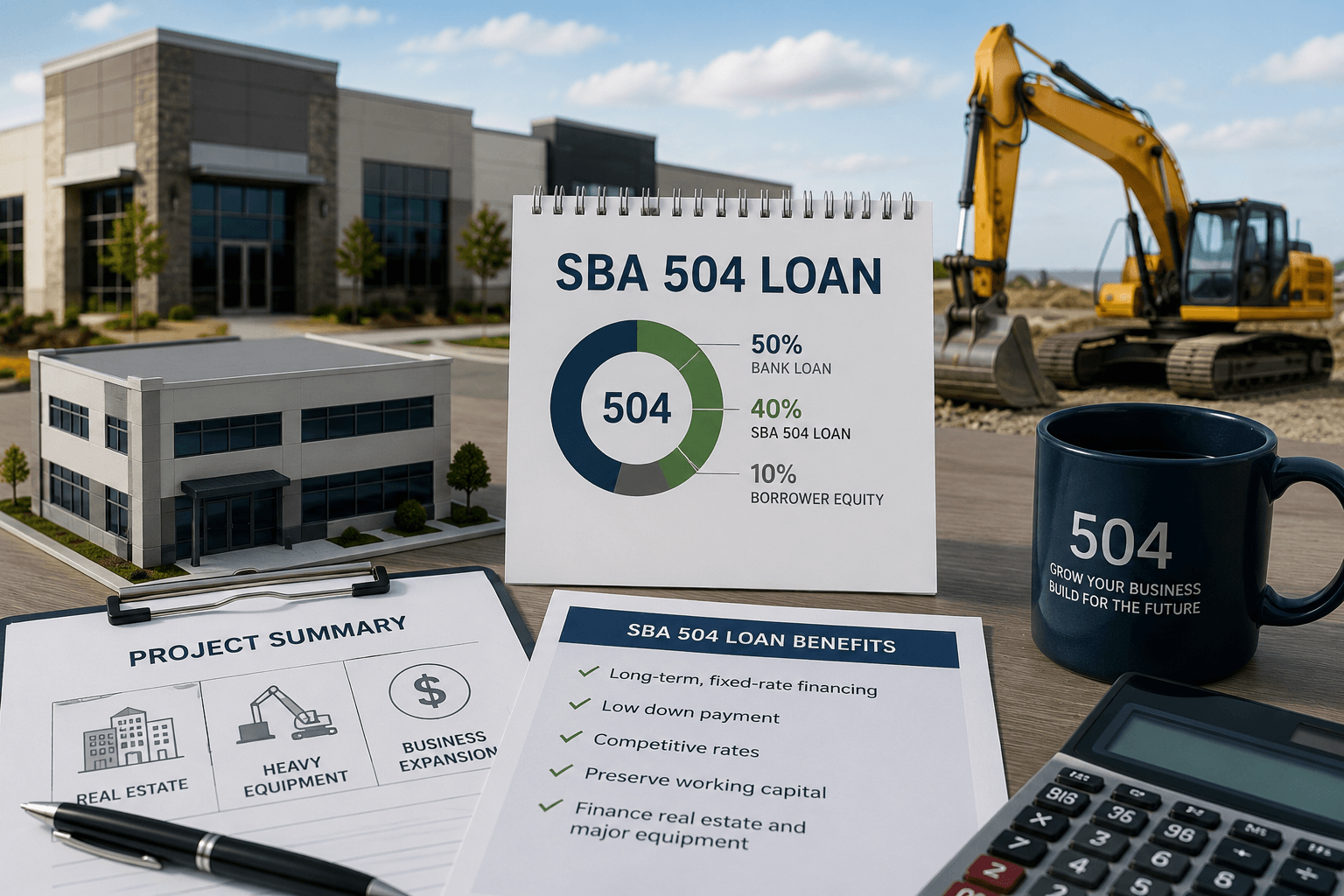
| SBA 504 | $5.5 Million | 30–60 Days | Buying real estate or large machinery |
| Term Loan | Varies | 2–4 Weeks | One-time big purchases |
| Line of Credit | Varies | 1–2 Weeks | Managing day-to-day cash flow |
If you are in a hurry, you should look for more info about SBA Express loans. They are designed to give you a quick answer so you can get back to work. Interest rates for these loans are usually very fair, often ranging from Prime + 1.75% to Prime + 9.75% depending on your credit.
First, take a deep breath. Getting denied for a loan is common—remember, 28% of people don't get exactly what they asked for. It isn't the end of the road; it's just a detour.
The first thing we do is ask the lender for a "decline letter." This letter tells you exactly why they said no. Was your credit score too low? Did you not have enough collateral? Once you know the problem, you can fix it.
If a traditional bank said no, you might still qualify for other programs. For example, if your business was hurt by a natural disaster or a major economic event, you can find more info about SBA Disaster loans. These have very low interest rates and are designed to help you get back on your feet. You could also look into microloans, which are smaller loans (usually under $50,000) meant for startups and newer businesses.
It depends on the loan. Online lenders can sometimes fund you in just a few days. Traditional bank loans usually take 2 to 4 weeks. SBA loans are the longest, usually taking 30 to 90 days, though Express loans are much faster.
While there is no "official" SBA minimum, most lenders want to see at least a 620 to 640. To get the best rates and the easiest small business loan approval, we recommend aiming for a 680 or higher.
Yes, but it is harder. Startups usually need to rely heavily on the owner's personal credit score and a very strong business plan. SBA Microloans and equipment financing are often the best choices for brand-new businesses.
Getting a small business loan approval can feel like a lot of work, but you don't have to do it alone. At SBA Loan Guy, we specialize in taking the stress out of the process. Whether you are in The Woodlands, Houston, Chicago, or NYC, we are here to help you get "lender-ready."
We provide a personalized pre-qualification snapshot so you know exactly where you stand before you even apply. We match you with the right lenders and guide you through every single step of the application for SBA 7(a), Express, and Disaster loans.
Don't let paperwork stand in the way of your dreams. Start your application today and let us help you secure the funding your business deserves!

A distilled, 0–100 snapshot of how fundable you are based on credit, cash flow, equity, and documentation. Plus the top fixes to raise your score fast.
A curated shortlist of lenders that fit your profile and use of funds, with why each is a fit and exactly what they’ll want to see.
A tailored, step-by-step list of required docs and forms (formats, who provides them, and common pitfalls to avoid).
A realistic week-by-week path from pre-qual to closing, with milestones, dependencies, and an estimated target funding date.
Hands-on prep and documentation for SBA disaster programs (EIDL and others), including submissions, follow-ups, and guidance through appeals or requests for more info.
We prepare your application, match you with the
right lenders, and guide you until funding.