Unlock small business growth with SBA 7(a) Loans. Learn how to qualify, apply, and use these government-backed funds for your business.
February 13, 2026

SBA 7(a) Loans are the most popular government-backed financing option for small businesses in the United States. Here's what you need to know:
The SBA 7(a) loan program has helped thousands of small business owners access capital they couldn't get through traditional bank loans. The government guarantee reduces risk for lenders, which means you get better terms—longer repayment periods, lower down payments, and more flexible uses for the money.
Unlike regular bank loans, SBA 7(a) loans let you finance things like goodwill when buying a business, and they don't require you to make a huge balloon payment at the end. The loan is fully amortized, which means you pay it off in equal monthly payments over the entire term.
I'm Cesar DonDiego, and throughout my career in finance and accounting, I've helped numerous business owners steer the complexities of business financing, including understanding how SBA 7(a) Loans can support strategic growth and acquisition goals. In this guide, I'll walk you through everything you need to know to successfully secure funding for your business.
If you have ever tried to get a loan from a big bank for a new business, you know it can be really hard. Banks are often scared to lend money to small businesses because they think it is too risky. This is where 7(a) loans come in to save the day!
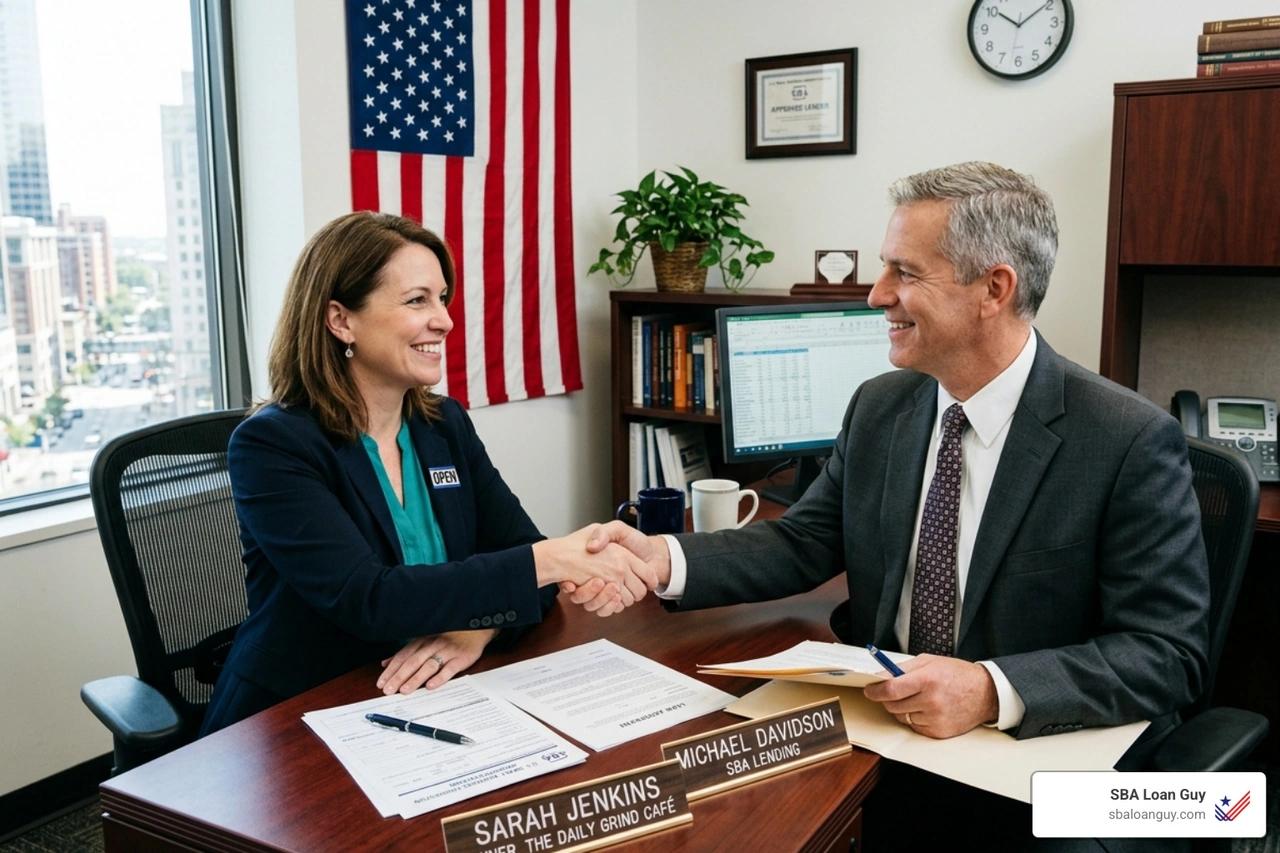
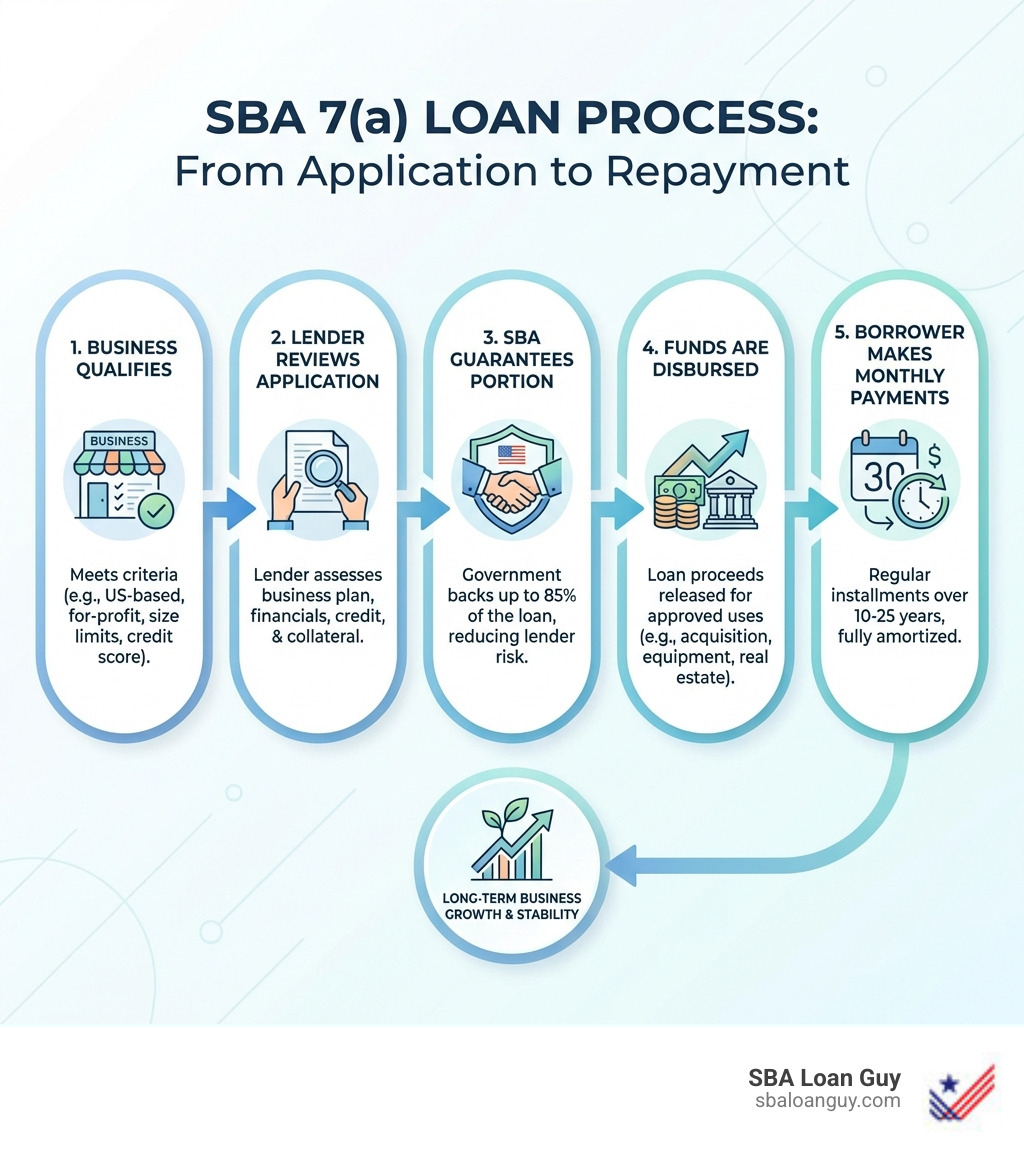
Think of the Small Business Administration (SBA) as a "co-signer" for your business. The SBA does not actually give you the money. Instead, they tell the bank, "Hey, if this business owner can't pay back the loan, we will pay you back most of it." Because the government helps back the loan, the bank or lender feels much safer saying "Yes" to your application.
Under the SBA 7(a) Loans program, you can borrow up to $5 million. This is a huge amount of money that can help you do big things, like buying your first shop or expanding to a second location in Houston or Chicago. We help you understand the More about how it works so you don't feel lost in the paperwork.

One of the best things about SBA 7(a) Loans is how flexible they are. You aren't stuck using the money for just one thing. Here are some of the most common ways we see our clients use the funds:
Are you in the business of making things? If you run a factory or a manufacturing shop, there is a special version of the loan just for you called a MARC loan (Manufacturers' Access Revolving Credit).
Manufacturing businesses (which usually have special business codes called NAICS 31-33) often need a lot of cash to buy heavy factory equipment or raw materials. With a MARC loan, you can get a line of credit that lasts up to 20 years. This is great because you can take money out when you need it and pay it back as you sell your products.
When dealing with these loans, it is important to work with banks that follow Member FDIC information rules to ensure your business finances are handled safely and professionally.
Not every business can get an SBA loan, but many do! To qualify, your business must be for-profit (sorry, no charities) and must be located in the U.S. Since we work with clients in places like Orlando, Florida, and Indianapolis, Indiana, we know exactly what local lenders are looking for.
To be considered a "small business" by the SBA, you generally need to have a tangible net worth of less than $15 million and an average profit of less than $5 million over the last two years. If you are just starting out, don't worry—startups can qualify too if they have a great plan!
If you aren't sure if your business is the right size or type, you can Check if you pre-qualify on our website. It only takes a few minutes!
Lenders want to make sure you are responsible with money. Usually, you need a personal credit score of at least 650. They also look at something called an SBSS score. This is a special "business credit score" that combines your personal credit with your business's financial history. For a small 7(a) loan, you usually need an SBSS score of at least 165.
Another big word you will hear is DSCR (Debt Service Coverage Ratio). This is just a fancy way of asking: "Does your business make enough money to pay for the loan and still have some left over?" Most lenders want to see a 1.25x DSCR. This means for every $1.00 you owe the bank, your business should be making at least $1.25 in profit.
Have you ever dreamed of taking over a successful business that is already running? This is called an acquisition. SBA 7(a) Loans are the "backbone" of buying small businesses in America.
When you buy a business, you aren't just buying the desks and the computers. You are also buying the "goodwill"—which is the business's good name, its customers, and its reputation. Regular banks hate lending money for goodwill because they can't take it back if you don't pay. But the SBA allows it! You can find more Details on SBA 7(a) loans for buying a business through our specialized services.
To buy a business, you usually need to put at least 10% of the total price down. This is called an "equity injection." For example, if you are buying a business for $1 million, you need $100,000.
But here is a cool trick: the person selling the business can help you! This is called "seller financing."
You can also use investor money or even money from a 401(k) rollover to help make that down payment.
How much does the loan cost? The interest rate is usually based on the Prime Rate. The Prime Rate is a base number set by big banks (it's often around 7.5% to 8.5%). The lender then adds a little more on top, which is called the "spread."
Currently, most SBA 7(a) Loans have interest rates between 9% and 11%. These rates can change over time (variable) or stay the same (fixed).
The repayment terms are very friendly:
The best part? There is no big payment at the end (no balloon payment). You pay off the whole loan over time in equal monthly steps. This makes it much easier to plan your monthly budget in cities like San Francisco or New York City where costs can be high.
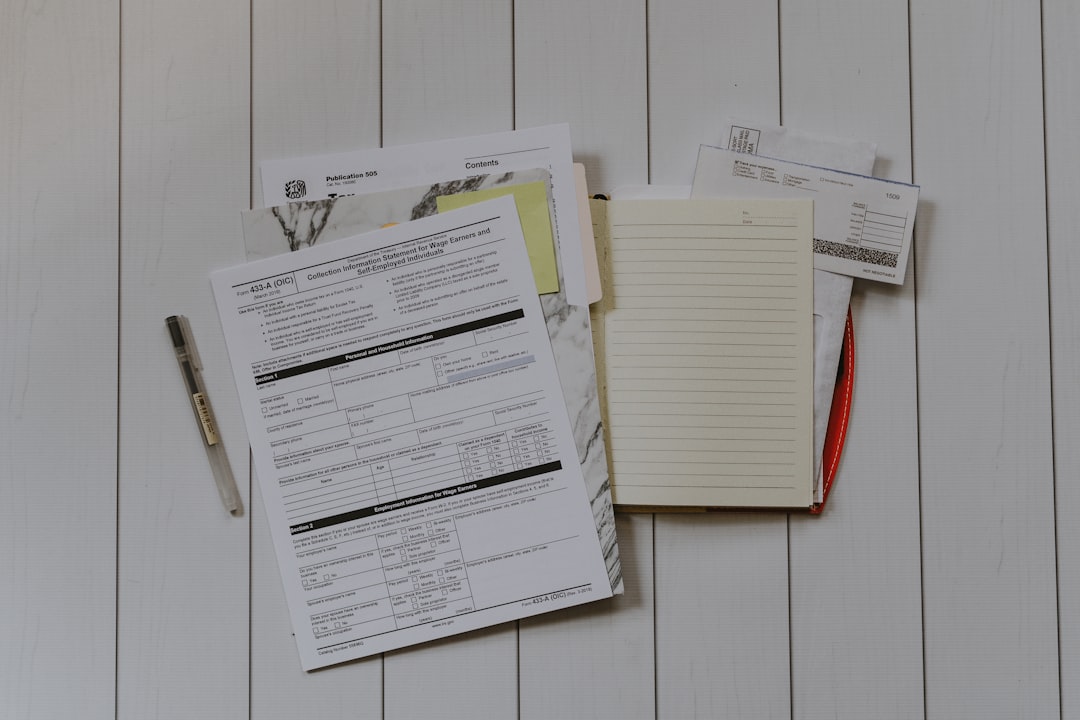
Applying for an SBA loan is like doing a big homework project. You need to gather a lot of papers to show the bank you are a good bet.
Here is what you will usually need:
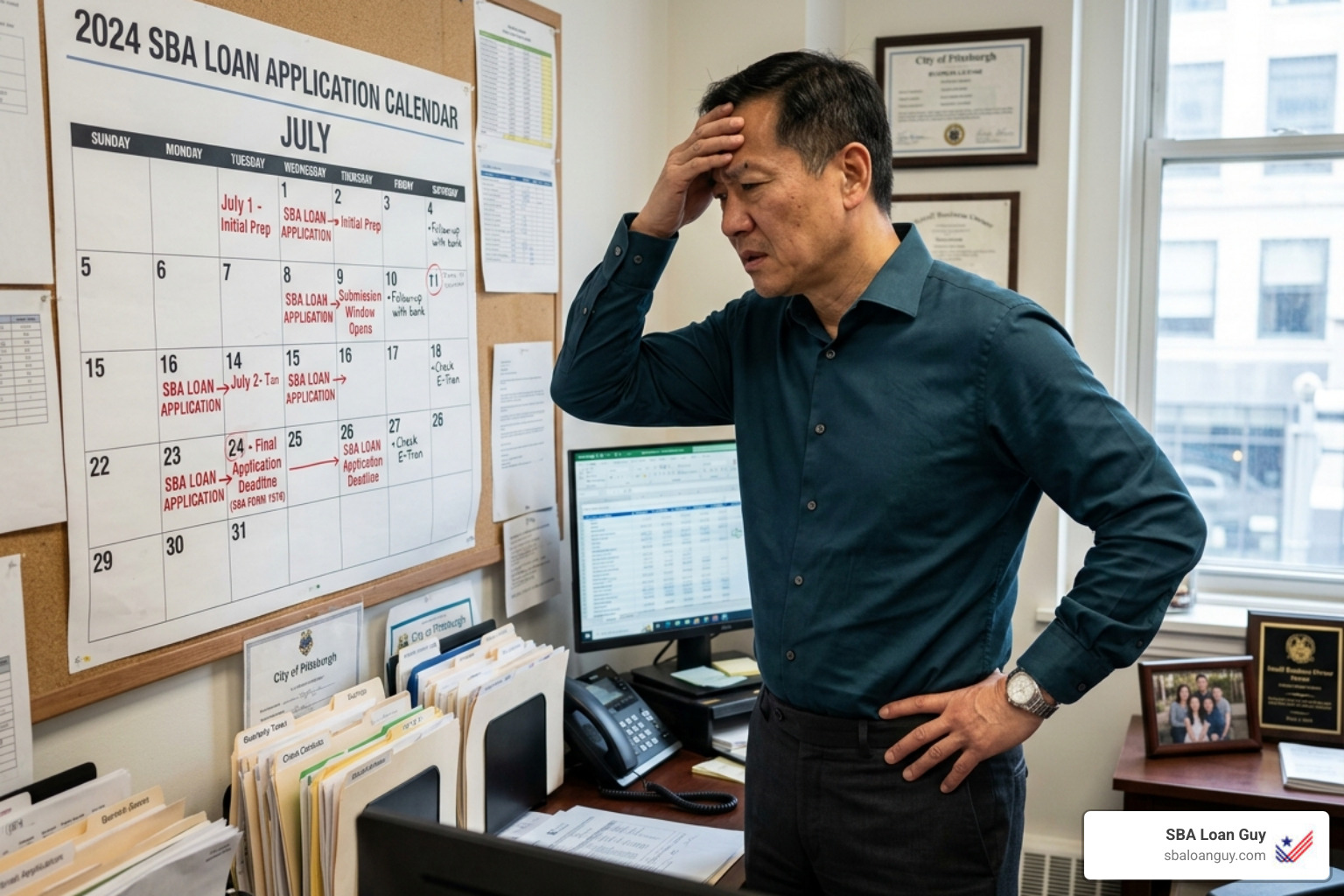
The process usually takes 45 to 90 days. It isn't instant, but it is worth the wait! You should also budget for "closing costs." These are fees for things like lawyers, appraisals, and an SBA guarantee fee. These costs usually run between 2% and 6% of the loan amount, but the good news is you can often roll these costs into the loan so you don't have to pay them all in cash on day one.
If you need money faster and don't need the full $5 million, you might want to Learn about Express loans, which have a much shorter wait time.
The maximum amount for an SBA 7(a) Loan is $5 million. If you need more than that, you might have to look at other programs, but $5 million covers almost all small business needs!
On average, it takes about 2 to 3 months (45-90 days). If you work with us at SBA Loan Guy, we help speed things up by making sure your paperwork is perfect before the bank even sees it.
Yes! This is called a "partner buyout." If you have a partner who wants to retire or leave the business, you can use an SBA 7(a) loan to buy their share of the company.
Navigating SBA 7(a) Loans can feel like trying to find your way through a maze. But you don't have to do it alone! At SBA Loan Guy, we are the experts who help you through the whole journey. We are based in The Woodlands, TX, but we help people all over, from California to Florida.
We help you get your paperwork ready, find the right lender who likes your type of business, and stay by your side until the money is in your bank account. Whether you are buying a shop in Chicago or starting a factory in Indianapolis, we have the tools to help you succeed.
Don't let the complicated rules stop you from growing your dream. Start your SBA 7(a) loan journey today and let's get your business the funding it deserves!

A distilled, 0–100 snapshot of how fundable you are based on credit, cash flow, equity, and documentation. Plus the top fixes to raise your score fast.
A curated shortlist of lenders that fit your profile and use of funds, with why each is a fit and exactly what they’ll want to see.
A tailored, step-by-step list of required docs and forms (formats, who provides them, and common pitfalls to avoid).
A realistic week-by-week path from pre-qual to closing, with milestones, dependencies, and an estimated target funding date.
Hands-on prep and documentation for SBA disaster programs (EIDL and others), including submissions, follow-ups, and guidance through appeals or requests for more info.
We prepare your application, match you with the
right lenders, and guide you until funding.