Get clear on SBA Loan Requirements. Discover eligibility for 7(a) & 504 loans, owner rules, and how to qualify.
May 1, 2026
SBA Loan Requirements set the rules for who can borrow money through the Small Business Administration's loan programs. Here's what you need to qualify:
Core SBA Loan Requirements:
The SBA guarantees up to 85% of loans through approved lenders, which reduces the bank's risk and makes them more willing to lend to small businesses. This government backing is why SBA loans offer better terms than conventional financing - with loan amounts up to $5 million, terms up to 25 years for real estate, and interest rates typically ranging from Prime + 0.25% to Prime + 3.00%.
But here's the reality: SBA loans are not simple. The application process involves extensive documentation, strict eligibility criteria, and requirements that differ between loan programs. Many business owners get tripped up by the equity injection rules, collateral requirements, or the "credit elsewhere" test. Understanding these requirements upfront saves time and prevents costly surprises during the application process.
I've spent years helping business owners steer complex financial decisions, including identifying the right financing structures and preparing comprehensive financial packages that meet lender expectations. Throughout my work with over 100 clients, I've seen how understanding SBA Loan Requirements early in the process leads to faster approvals and better loan terms.

Getting a loan from the government can feel like trying to solve a giant puzzle. But don't worry! We are here to help you put the pieces together. To start, your business needs to meet some basic "must-haves."
First, your business must be for-profit. This means you are in business to make money. If you run a charity or a non-profit, these specific loans usually aren't for you (unless it’s for a very specific disaster relief situation). Your business also needs to be located and operating right here in the U.S. Whether you are in The Woodlands, TX, or the busy streets of New York City, your physical "boots on the ground" must be in the United States.
Another big rule is that you must be "small." But what does "small" really mean? The SBA has size requirements that change depending on what kind of work you do. For example, a car dealer might be considered small if they have fewer than 200 employees, while a grocery store might be judged by how much money it makes each year.
Finally, there is the "credit elsewhere" rule. This sounds fancy, but it just means the bank wants to see that you actually need the SBA's help. If you are a billionaire with plenty of cash in the bank, the government thinks you should use your own money instead of a guaranteed loan. We help you figure out where you stand with our More info about how it works guide.
To get the "thumbs up" for a loan, your business needs to be officially registered. You can't just have a hobby; you need a legal business entity. Lenders will also look closely at your "ability to repay." They want to see that your business makes enough money to pay back the loan plus interest without struggling.
You also need a "sound business purpose." This means you have a good plan for the money. Are you buying a new building in Houston? Purchasing inventory for your shop in Chicago? Or maybe buying a competitor’s business in Orlando? As long as the money is used to help the business grow or stay healthy, you’re on the right track. However, you must avoid being a type of ineligible business, such as a business that focuses on lending money to others or one that is involved in gambling.
Not every business can join the SBA party. Some industries are "off-limits." For example, if your business makes most of its money from gambling (like a small casino) or if you are a non-profit organization, you generally won't qualify for a standard 7(a) loan.
Other restricted industries include:
If your business was hurt by a flood, fire, or other declared disaster in places like Florida or California, you might look into SBA disaster loans, which have slightly different rules to help people get back on their feet.

Max loan amount
Best use
Interest rate
Repayment term
Job creation
The 7(a) loans are the most popular. They are great if you need "working capital"—that’s a fancy way of saying money to pay your employees, buy supplies, or pay rent. You can learn more about the specifics on our SBA 7(a) loan details page.
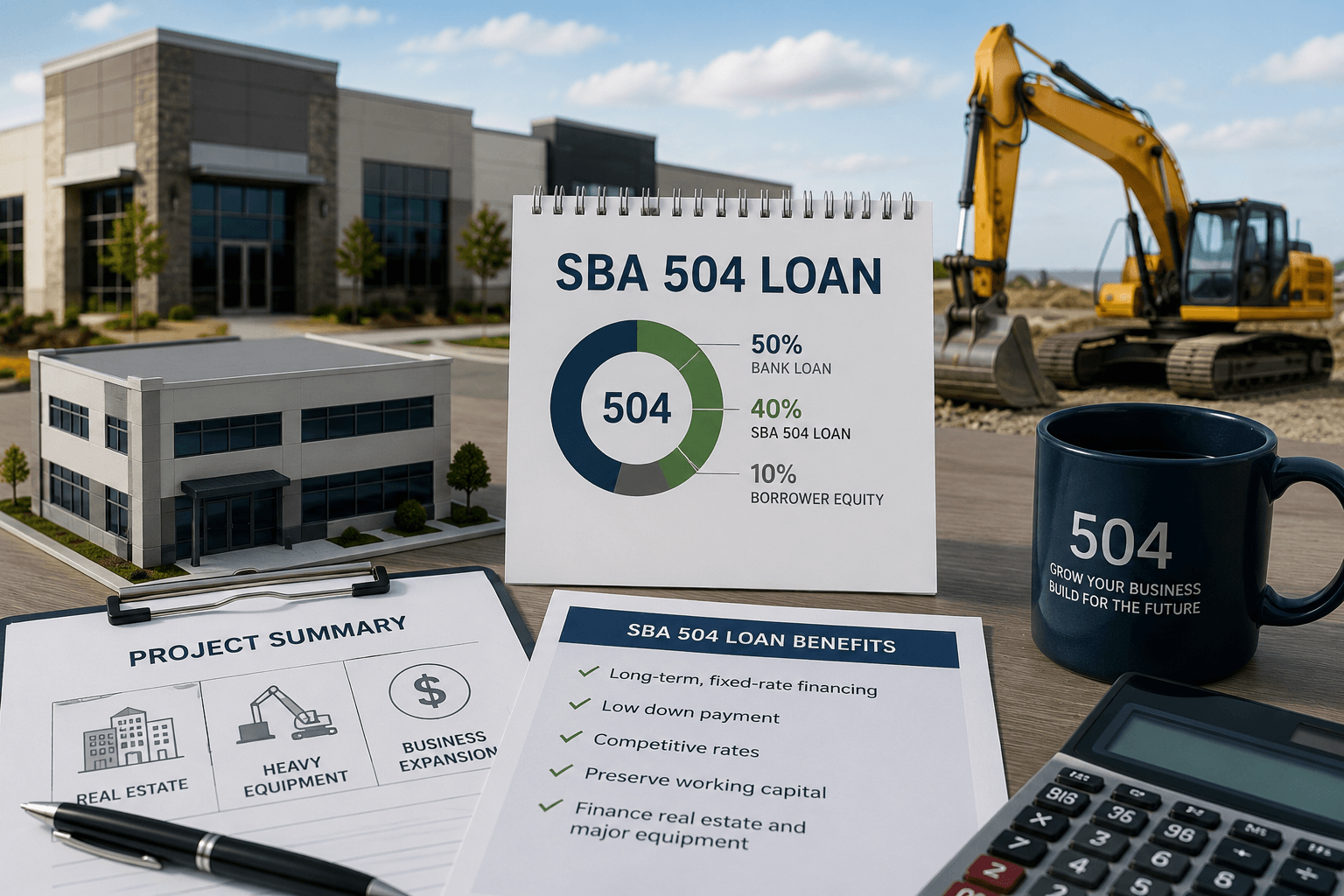
The 504 loan is different because it focuses on "economic development." If you use a 504 loan to buy a factory in Indianapolis, the SBA wants to see that you are creating or keeping jobs in the community. Usually, you have to create one job for every $65,000 to $90,000 you borrow.
The SBA doesn't just look at the business; they look at you. If you own 20% or more of the business, you are a "key player." This means you have to provide a "personal guarantee." This is a legal promise that if the business can't pay the loan back, you will be responsible for it.
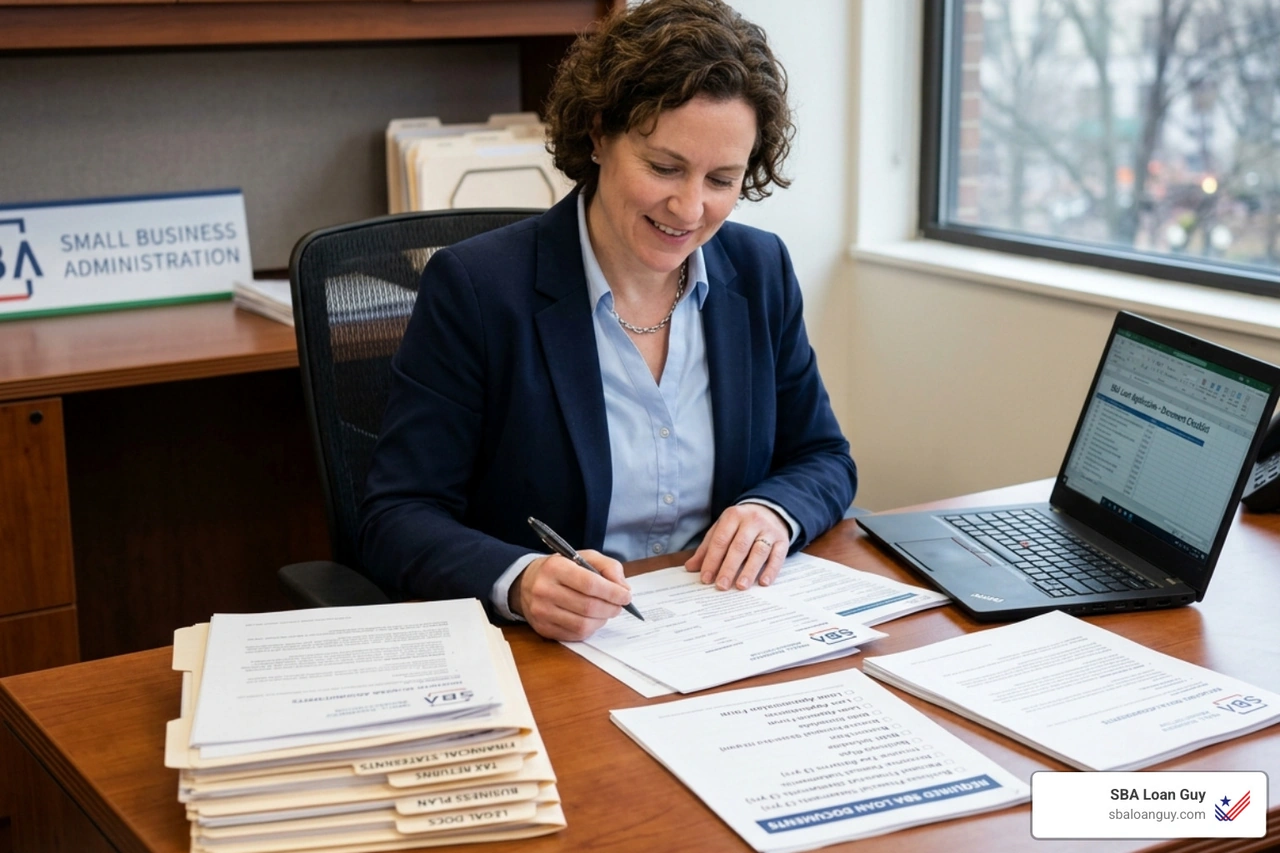
Here is what we usually need from you:
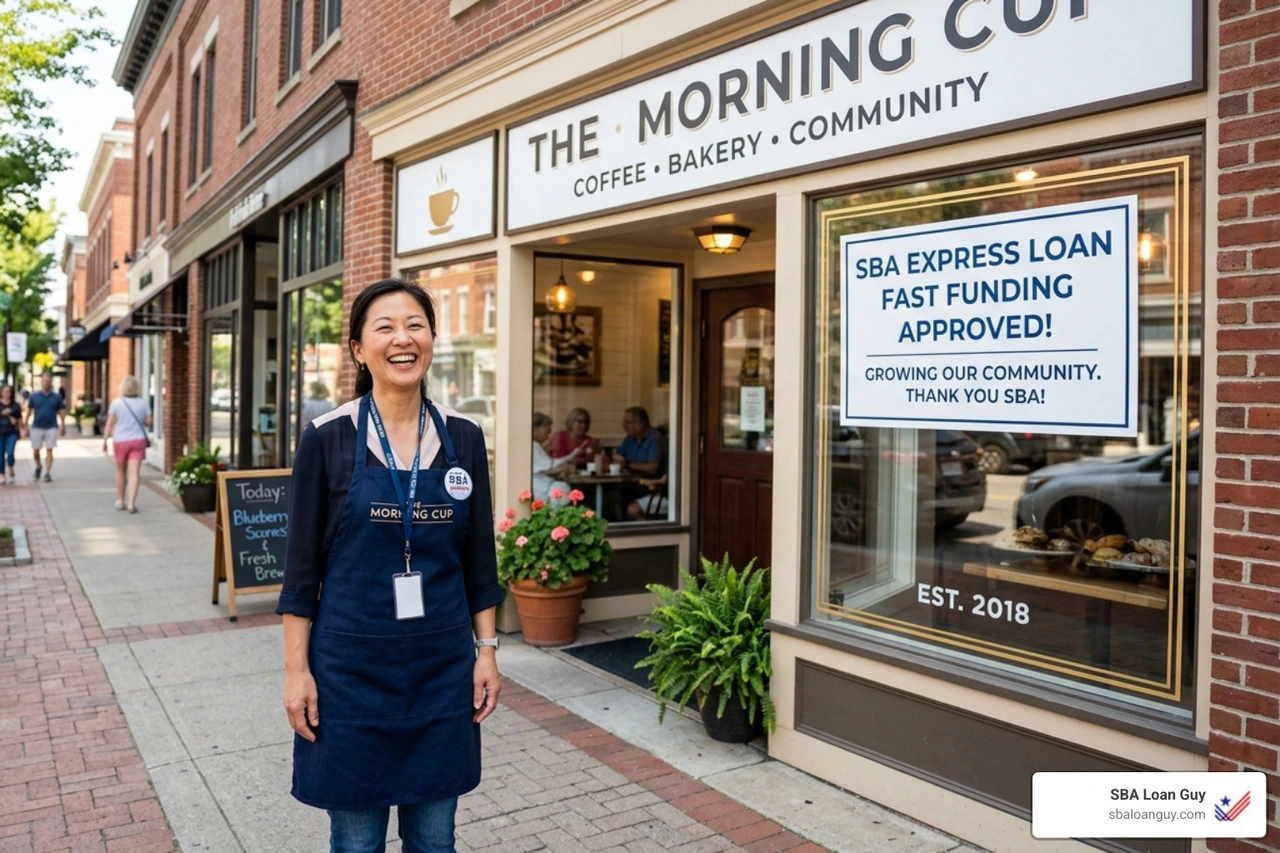
If you are in a rush and don't need millions of dollars, you might want to check out the SBA express loan info. These loans are smaller (up to $500,000), but the SBA responds to the bank much faster—usually within 36 hours!
Yes, it is possible! While big banks like high credit scores, the SBA was created to help people who might not get a "yes" from a traditional bank. If you have a good explanation for your credit history and a strong business plan, you can still get funded. Some startup programs are specifically designed to help people who are just starting out and don't have a perfect credit record yet.
This is a rule that says you should only get an SBA loan if you can't get a "normal" loan with "reasonable" terms. As of June 2025, the rules are getting a bit stricter. Lenders will look at your "personal liquidity"—which is just a fancy way of saying how much cash you have in your personal bank account. If you have enough cash to pay for the project yourself without a loan, the SBA might tell you to use your own money first.
Maybe. If you are borrowing more than $50,000, the lender will ask for "collateral." Collateral is something of value (like a building, equipment, or land) that the bank can take if you don't pay the loan. If your business doesn't have enough assets to cover the loan amount, the lender might ask to put a lien on your personal home. However, for loans under $50,000, there is often no collateral required at all!
Navigating SBA Loan Requirements doesn't have to be a headache. At SBA Loan Guy, we make the process simple. Whether you are looking for a 7(a) loan to buy a new business or an Express loan to get through a busy season, we are here to guide you every step of the way.
From our home base in The Woodlands, TX, to our clients in Houston, Chicago, New York, and beyond, we provide a personalized experience. We don't just give you a list of rules; we give you a "pre-qualification snapshot" to show you exactly what you can afford. Then, we match you with the perfect lender who is ready to say "yes."
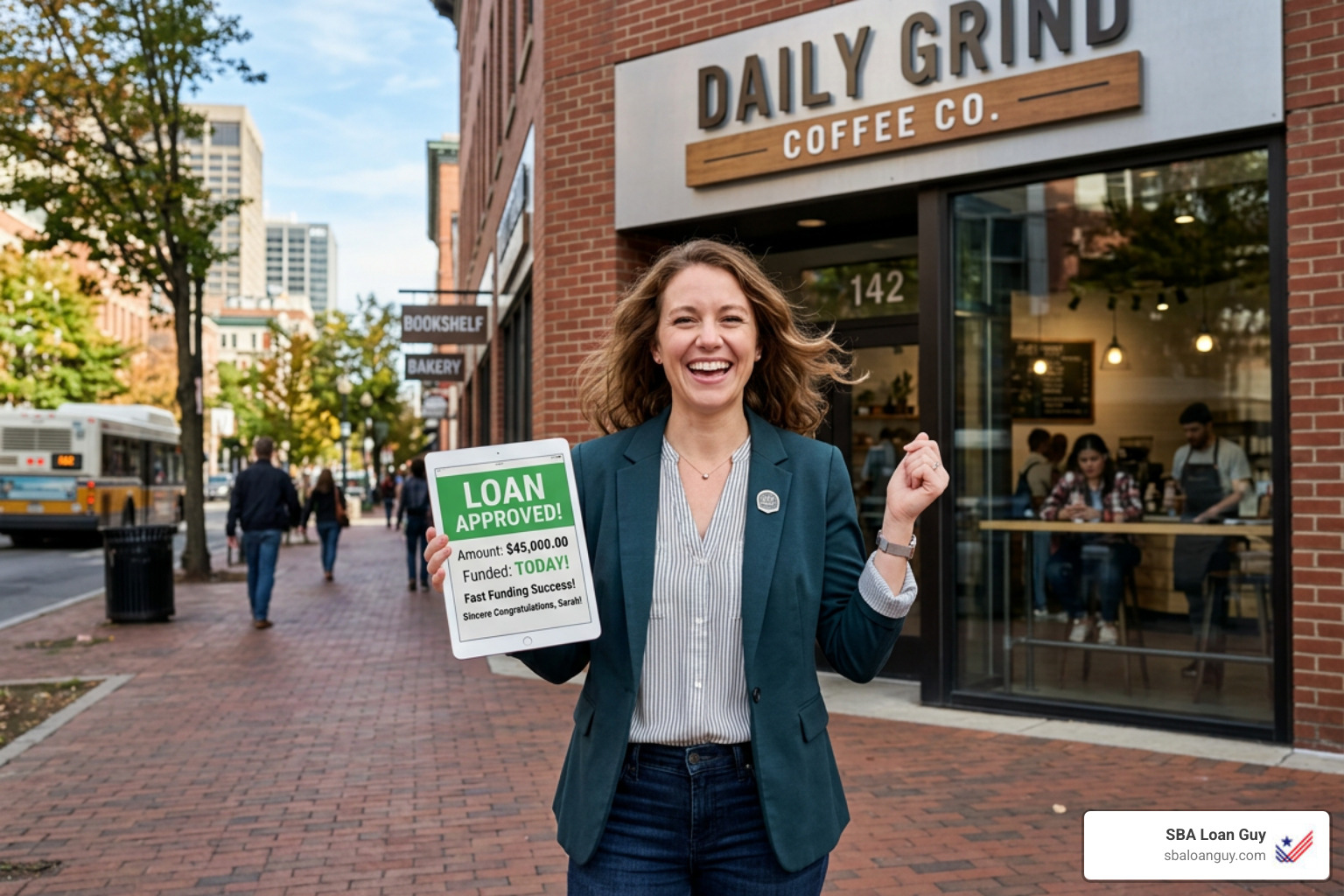
Ready to grow your business? See if you pre-qualify today and let us help you get the funding you deserve!

A distilled, 0–100 snapshot of how fundable you are based on credit, cash flow, equity, and documentation. Plus the top fixes to raise your score fast.
A curated shortlist of lenders that fit your profile and use of funds, with why each is a fit and exactly what they’ll want to see.
A tailored, step-by-step list of required docs and forms (formats, who provides them, and common pitfalls to avoid).
A realistic week-by-week path from pre-qual to closing, with milestones, dependencies, and an estimated target funding date.
Hands-on prep and documentation for SBA disaster programs (EIDL and others), including submissions, follow-ups, and guidance through appeals or requests for more info.
We prepare your application, match you with the
right lenders, and guide you until funding.