Discover SBA Loan for Facility Purchase eligibility, 7(a) vs 504 loans, 100% financing options, and owner-occupancy rules to buy your business facility.
May 15, 2026
An SBA loan for facility purchase lets small business owners buy, build, or renovate commercial space using government-backed financing — with lower down payments and longer repayment terms than most conventional loans.
Here's a quick snapshot of what you need to know:
For many small business owners, the jump from leasing commercial space to actually owning it is one of the biggest financial moves they'll ever make. Instead of writing rent checks every month with nothing to show for it, you build equity, lock in predictable costs, and gain full control over your space.
But the path to ownership can feel confusing. Two main loan programs. Occupancy rules. Down payment requirements. Eligibility limits. It's a lot to untangle — especially when you're also trying to run a business.
That's exactly what this guide is here for.
I'm Cesar DonDiego, a finance and accounting professional with hands-on experience helping business owners navigate complex funding decisions, including structuring and evaluating SBA loans for facility purchases. Whether you're buying your first building or expanding to a second location, I'll walk you through everything you need to know to move forward with confidence.

At its heart, an SBA Loan for Facility Purchase is a partnership. The U.S. Small Business Administration (SBA) doesn't actually hand you the check. Instead, they give a "guarantee" to a bank or a lender. This is like a promise that says, "If this business owner can't pay back the loan, we will cover a big part of the loss."
Because the government takes on this risk, lenders are much more willing to give you a loan with a low down payment and a long time to pay it back. These loans are specifically designed for "fixed assets"—things that stay in one place, like buildings and land.
While most conventional bank loans might ask for a 20% or 30% down payment, an SBA loan often only requires 10%. In some special cases for existing businesses, you can even get 100% financing. This keeps your cash in your pocket so you can use it to grow your team or buy inventory.
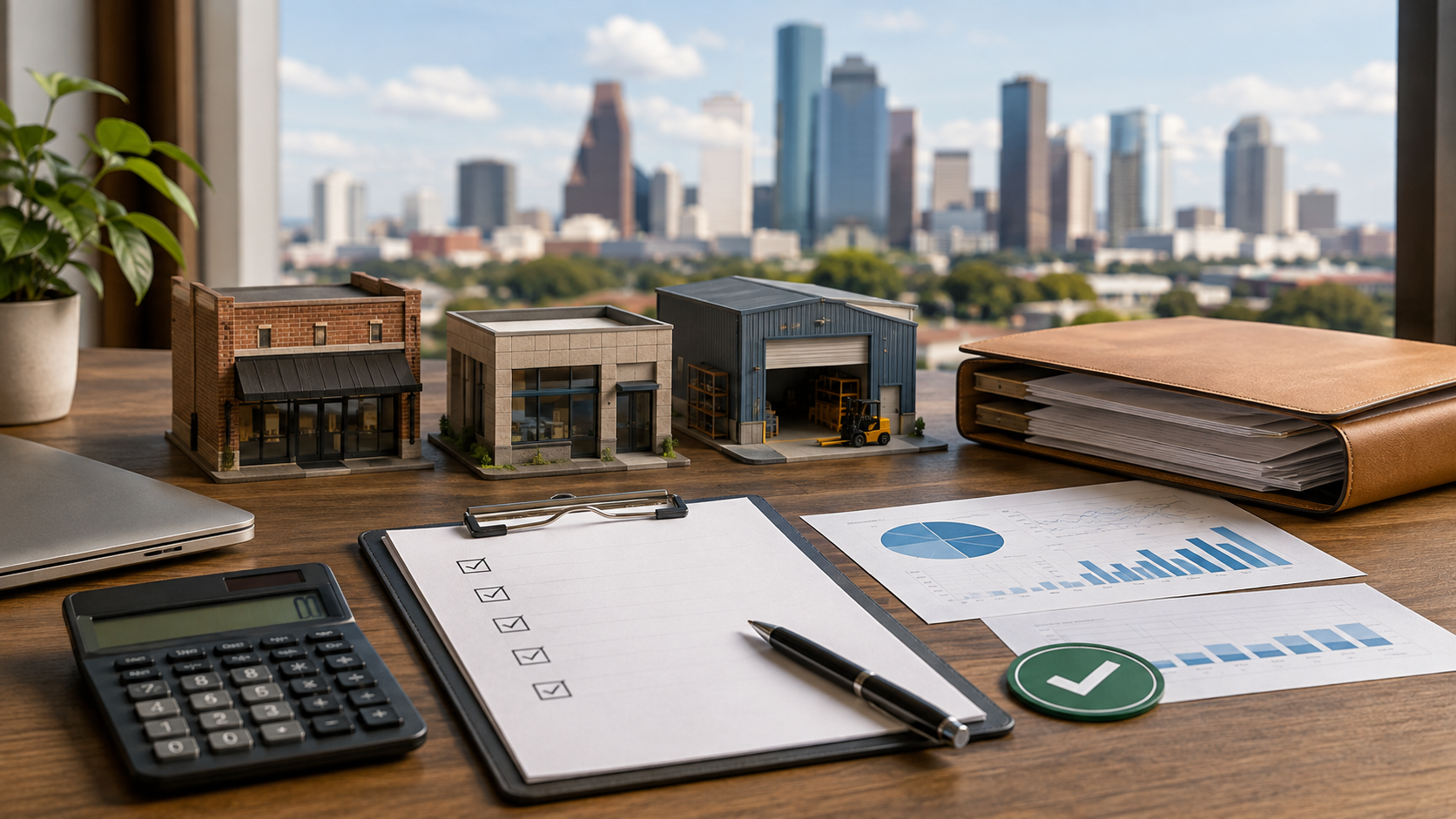
You aren't just limited to buying a boring office building. These loans are incredibly flexible. We often see business owners use them for:
If you want to dive deeper into the most popular program, you can find more info about SBA 7(a) loans on our site.
The government wants small businesses to succeed because they create jobs. By offering loans for real estate and equipment, they help you stop paying a landlord and start paying yourself.
To qualify, your business must be "for-profit" and operate within the United States. You also need to show that you've tried to get financing elsewhere and that you truly need the SBA's help to get the best terms. It’s their way of making sure the help goes to the people who need it most.
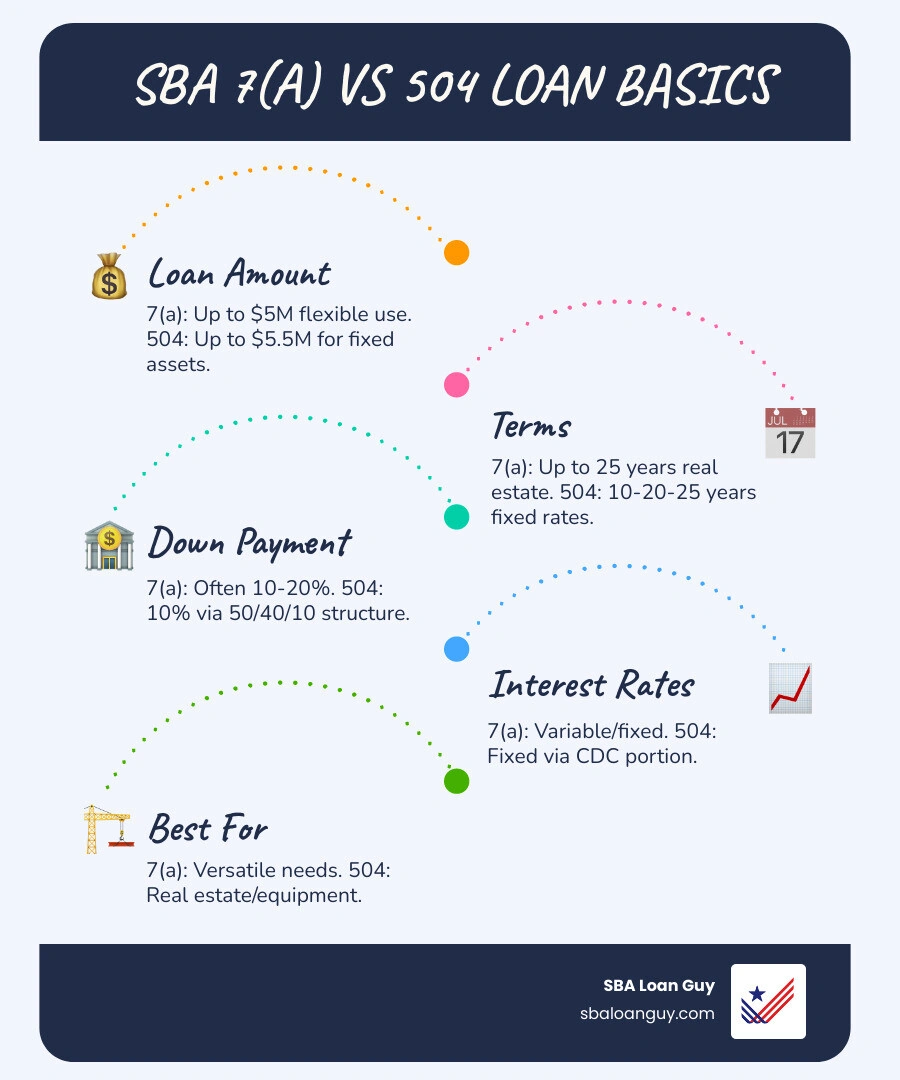
When you're looking for an SBA Loan for Facility Purchase, you'll usually choose between two "flavors": the 7(a) and the 504. Think of the 7(a) as a Swiss Army knife—it can do a little bit of everything. The 504 is more like a specialized power tool—it's built specifically for big real estate and equipment projects.
Max loan amount
Down payment
Interest rate
Loan term
Loan structure
If your project is under $5 million and you also need some extra money for working capital or to buy a small piece of equipment, the 7(a) is often the way to go. It’s simpler because you only deal with one lender.
However, if you want a rock-solid fixed interest rate for the next 25 years, the 504 program is amazing. You can read the official 504 loan details to see why it's so popular for large facilities. The 504 is great for "heavy" projects where the building is the main star of the show.
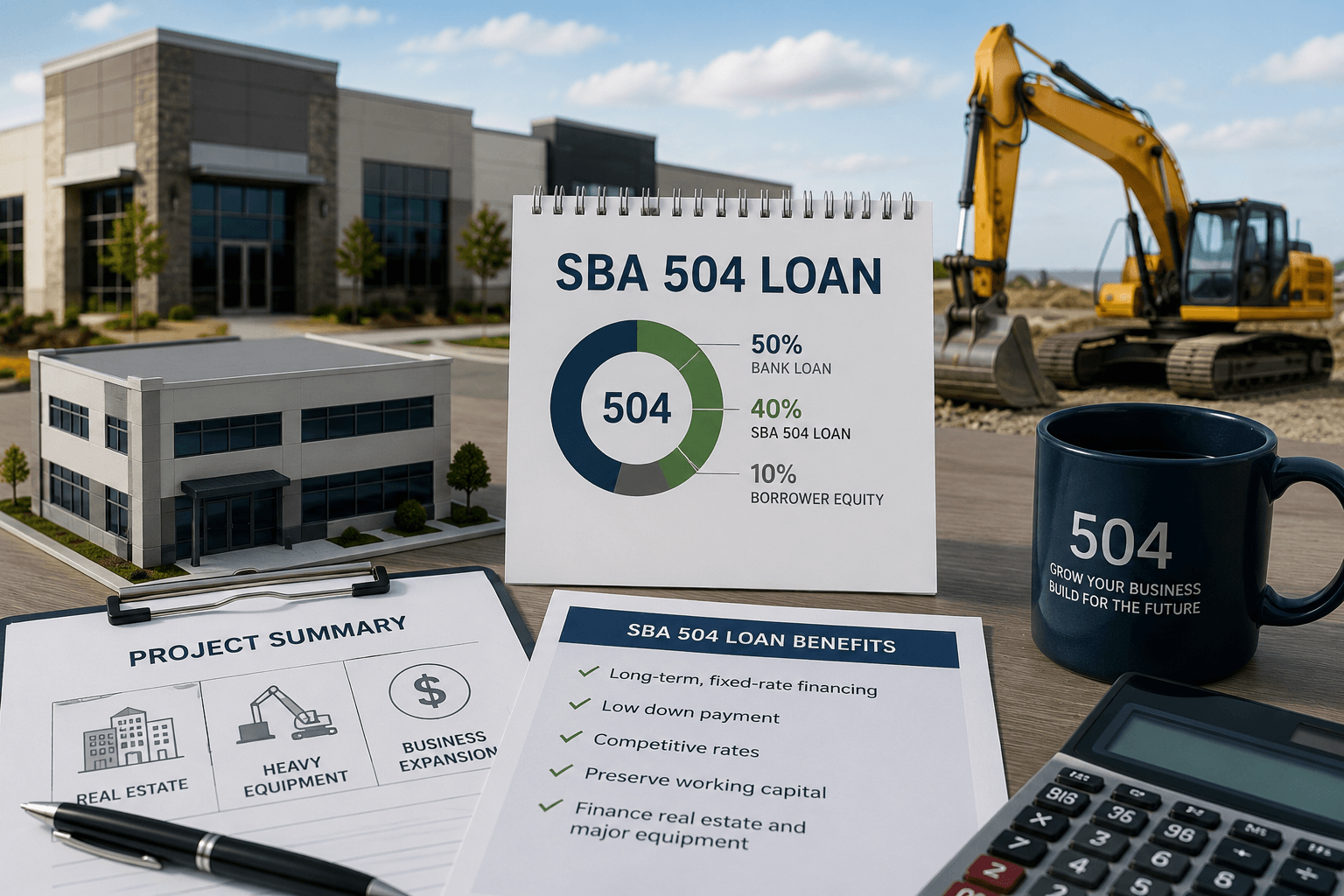
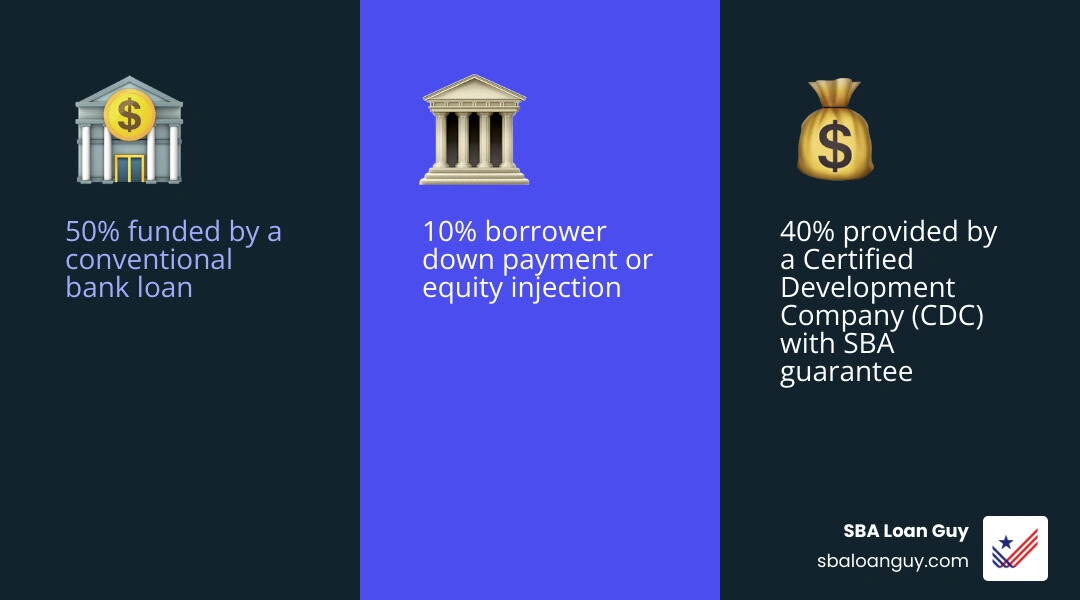
The 504 loan has a very specific "recipe" for how it's funded:
This "50/40/10" structure is what allows you to get such a large loan with such a small amount of your own money upfront. It also helps the SBA meet "job creation goals," as CDCs are focused on helping the local economy grow.
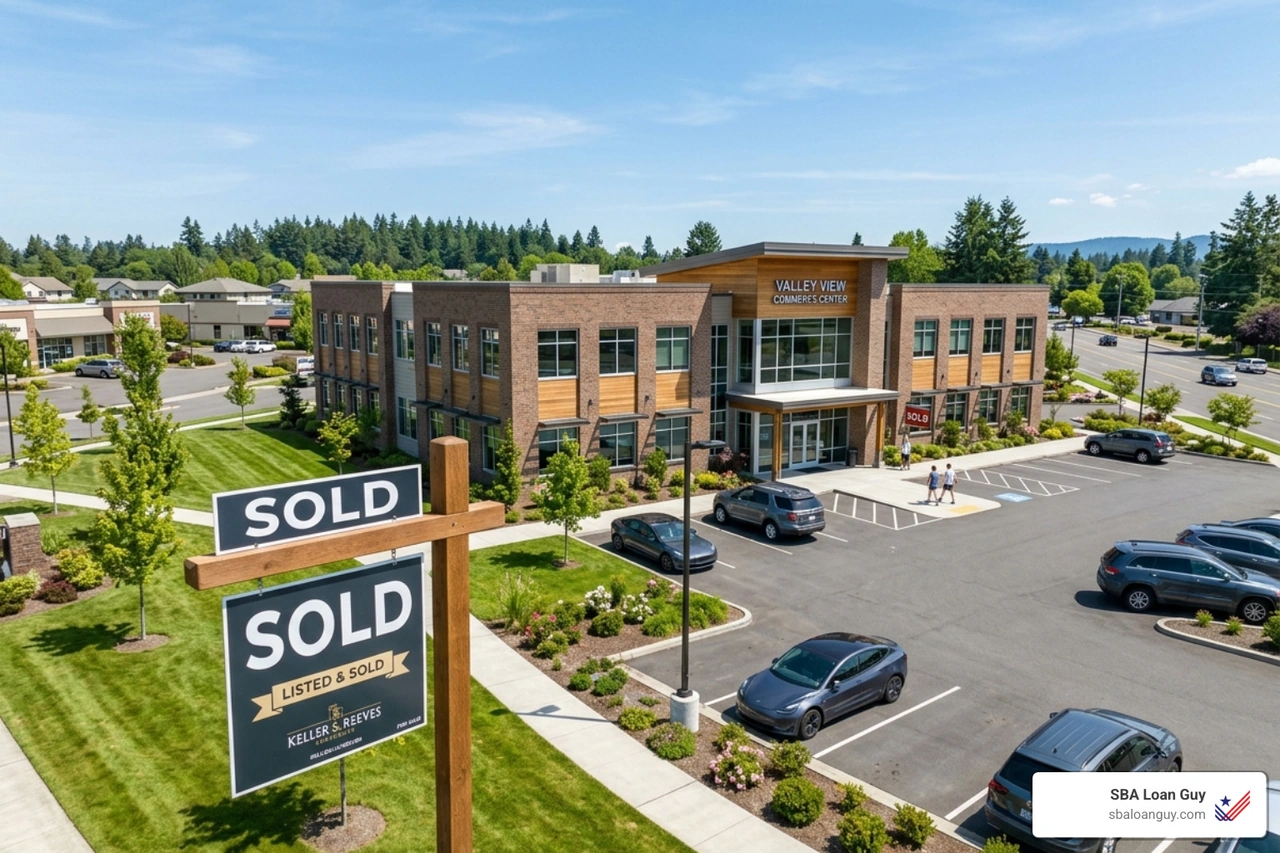
The SBA has a few "golden rules" you must follow if you want them to back your loan. The biggest one is called Owner-Occupancy.
The SBA doesn't want to help you become a "passive" landlord. They want to help you run your business.
Lenders will look at your "financial health" very closely. Here is what they usually want to see:
If you're wondering where you stand, you can check if you pre-qualify for a loan through our simple snapshot tool.
Not every business can get an SBA loan. The SBA says "no" to:
Yes, you read that right! In the SBA Loan for Facility Purchase, 100% financing is actually possible. This is a huge deal for businesses that are already doing well but don't want to drain their savings account.
As of the latest rule updates in mid-2025 and 2026, existing businesses that are expanding can often get a loan with $0 down. To do this, you usually need to be expanding a business that has the same "NAICS code" (the same type of business) and the same owners.
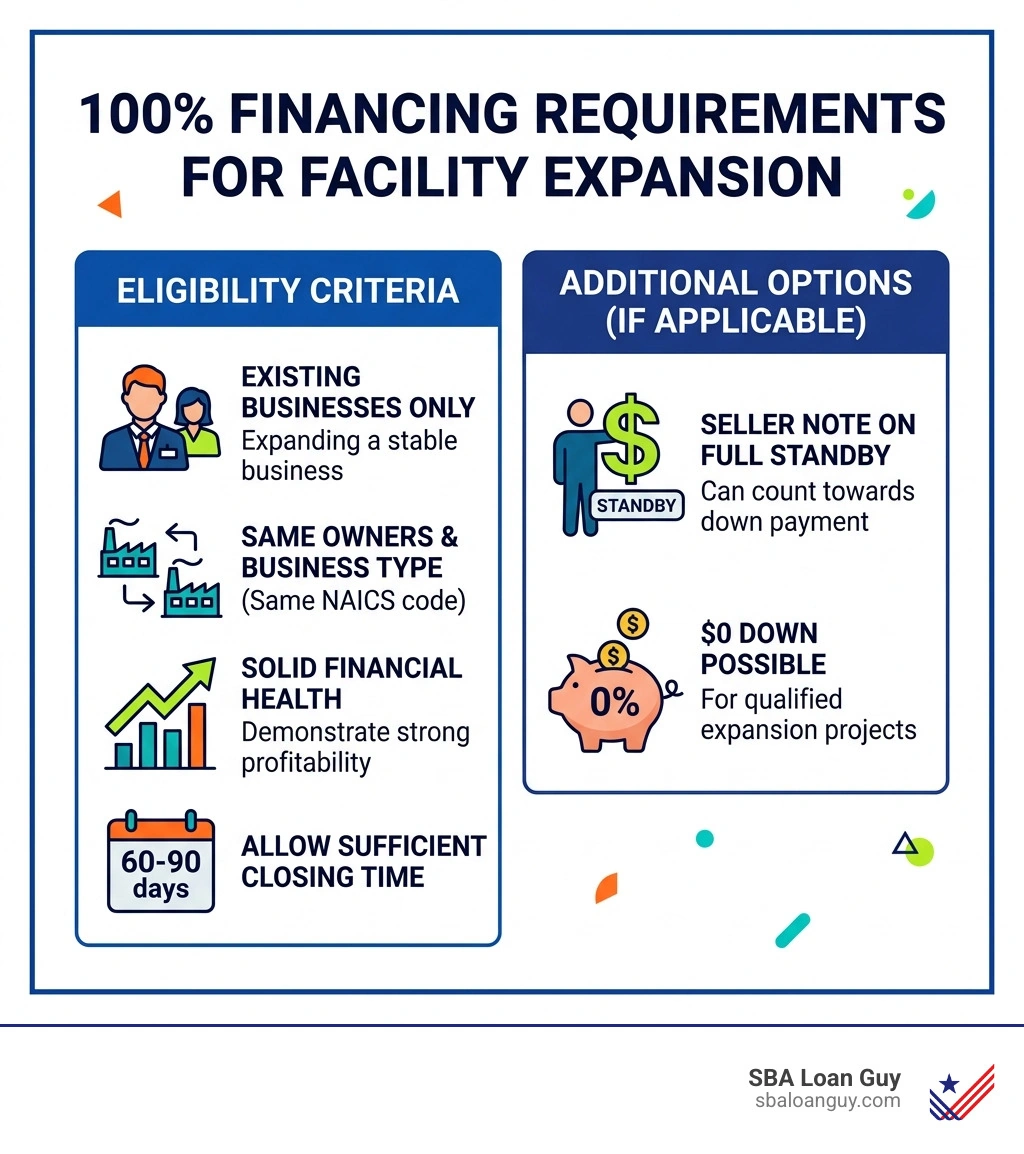
If you are buying a business and the building at the same time, you might also use a Seller Note. This is when the person selling the building lets you pay them back over time. If the seller puts that note on "Full Standby" (meaning they don't get paid until the SBA loan is done), it can sometimes count toward your down payment!
Getting an SBA loan isn't a "fast food" process. It's more like a slow-cooked meal. On average, it takes 60 to 90 days to go from application to having the keys in your hand.
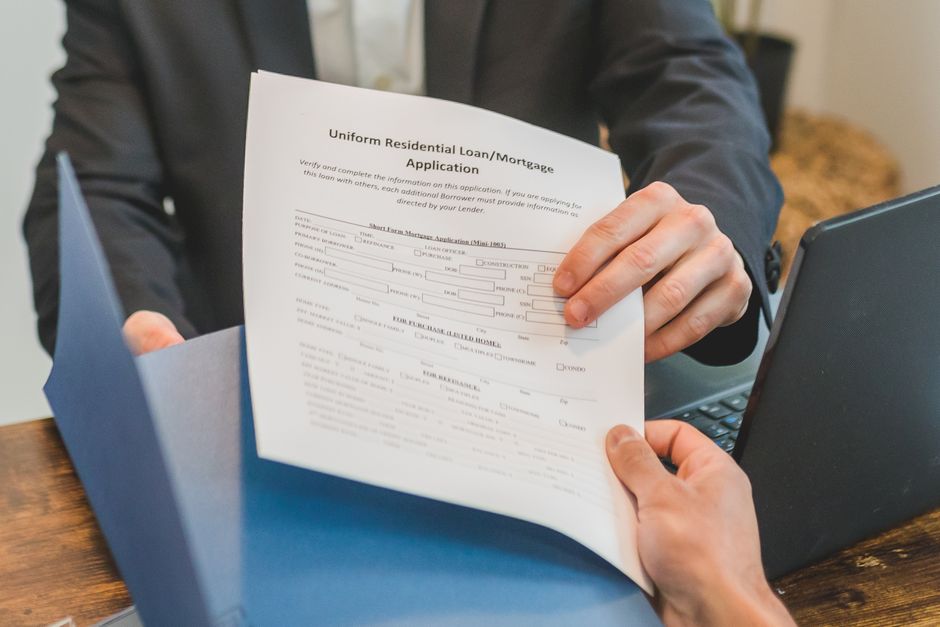
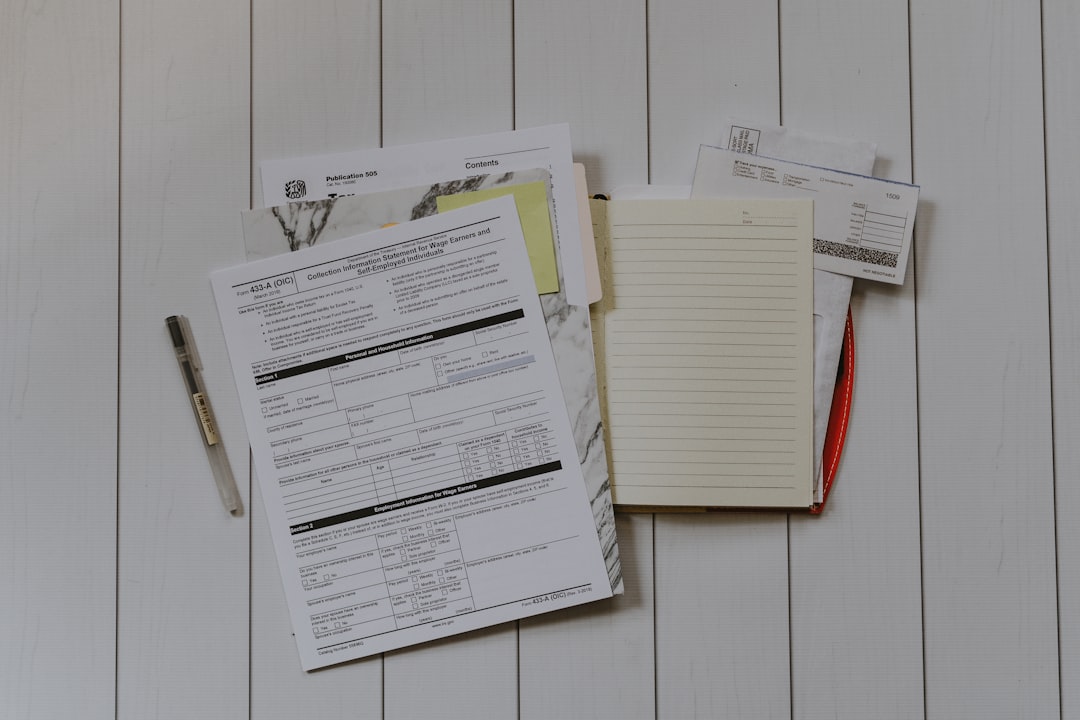
You will need to fill out several forms, including SBA Form 1919 (the main application) and SBA Form 413 (your personal financial statement). You'll also need an appraisal to prove the building is worth what you're paying, and an environmental study to make sure the dirt under the building isn't contaminated.
If you're in a hurry, we can look at SBA Express loan options for smaller amounts, though these aren't usually the primary choice for large facility purchases.
Why bother with all this paperwork? Because owning your facility in 2026 offers massive advantages:
For most people, the minimum is 10%. However, if you are an existing business owner expanding your current operations, you might qualify for 0% down. If you are buying a "special use" building (like a hotel or a bowling alley), the bank might ask for 15%.
The "approval" part usually happens in about 2 to 4 weeks. But the "closing" part—where the lawyers and title companies do their work—takes longer. Plan for a total of 3 months to be safe. Staying organized with your tax returns and financial statements can speed things up.
Absolutely! This is one of the best uses for an SBA Loan for Facility Purchase. You can use the money to buy the land, pay the architects (these are called "soft costs"), buy the materials, and pay the construction workers. Just remember you have to plan to move your business into at least 60% of the new building once it's finished.
Buying a facility is a giant leap for any small business. It’s the difference between being a "guest" in someone else's building and being the master of your own domain. While the rules about 51% occupancy or DSCR ratios might seem like a lot to handle, you don't have to do it alone.
At SBA Loan Guy, we specialize in making this process simple. Whether you are in The Woodlands, TX, Houston, Chicago, or San Francisco, we are here to help. We don't just give you a list of banks; we prepare your application, create a personalized pre-qualification snapshot, and match you with the specific lender that loves your industry.
Stop dreaming about that new warehouse or office space and start building equity today. Start your facility purchase journey today by reaching out to us for a personalized consultation. We’ll help you demystify the eligibility rules and get you the keys to your new facility!

A distilled, 0–100 snapshot of how fundable you are based on credit, cash flow, equity, and documentation. Plus the top fixes to raise your score fast.
A curated shortlist of lenders that fit your profile and use of funds, with why each is a fit and exactly what they’ll want to see.
A tailored, step-by-step list of required docs and forms (formats, who provides them, and common pitfalls to avoid).
A realistic week-by-week path from pre-qual to closing, with milestones, dependencies, and an estimated target funding date.
Hands-on prep and documentation for SBA disaster programs (EIDL and others), including submissions, follow-ups, and guidance through appeals or requests for more info.
We prepare your application, match you with the
right lenders, and guide you until funding.