A guide for first-time buyers on showing lenders transferable skills, a transition plan, and a cash cushion.
October 30, 2026
Buying your first business is a big step, and lenders know it. When a buyer has never owned a company, the file has to answer a question the numbers alone cannot: who will run this business well, especially in the first year? Houston-area professionals moving from employment to ownership can improve their position by preparing for that question early.
This guide covers how first-time buyers can strengthen an SBA financing file, including how to show transferable experience, plan the transition, build an advisor team, and organize the numbers. Nothing here sets a requirement, because lender policies differ, and approval is never automatic.

A lender who finances a first-time buyer is relying on a plan rather than a track record of ownership. That does not rule out first-time buyers, since every owner had a first deal, but it often means the lender looks harder at the parts of the file that reduce learning-curve risk.
The SBA 7(a) loan overview covers common eligible purposes. Per SBA's Standard Operating Procedure (SOP 50 10) and the lender's policy (confirm the current version), 7(a) loans are made by approved lenders with an SBA guarantee, so each lender sets its own view of first-time buyers. Review the current SBA 7(a) program page and ask each lender for its checklist.
Think of the file as an answer to three questions: can you run it, can you fund it, and does the plan hold up if the first months are slower than expected? These pieces usually carry the answers, though each lender decides what it needs.

Underwriters compare the story with the evidence. If the resume says you managed a large team, they may look for references or documentation. If the plan relies on the seller staying for training, they may want the commitment in writing in the purchase documents. If the business depends on two key employees, they may ask what keeps those employees in place after the sale.
For example, suppose a first-time buyer is purchasing a business for $400,000, with $20,000 of closing costs and a $30,000 working capital reserve. Total uses are $450,000. The buyer contributes $60,000 of cash and the loan covers $390,000, so total sources are also $450,000. These numbers are hypothetical, and equity requirements vary, so ask the lender for the current minimum. What matters here is that the schedule balances and includes the reserve, which shows the lender the buyer has planned for the first months.
Program-level requirements are in SBA SOP 50 10 (check the current revision), and each lender also applies its own credit policy. That is why lender fit matters for a first-time buyer: some lenders are more comfortable than others with a buyer who is new to ownership.
1. Pick the target with your skills in mind. A business close to your experience is easier to explain to a lender than a leap into an unfamiliar industry.
2. Build your advisor team early. Talk with a CPA and an attorney before signing a letter of intent, and consider an industry mentor who has run a similar business.
3. Negotiate the transition. Ask for a seller training period, introductions to key customers and vendors, and a plan for staying reachable after closing, and get it in writing.
4. Document the first hundred days. Write a plan for the weeks after closing: who you will meet, which reports you will review, and which changes you will hold off on.
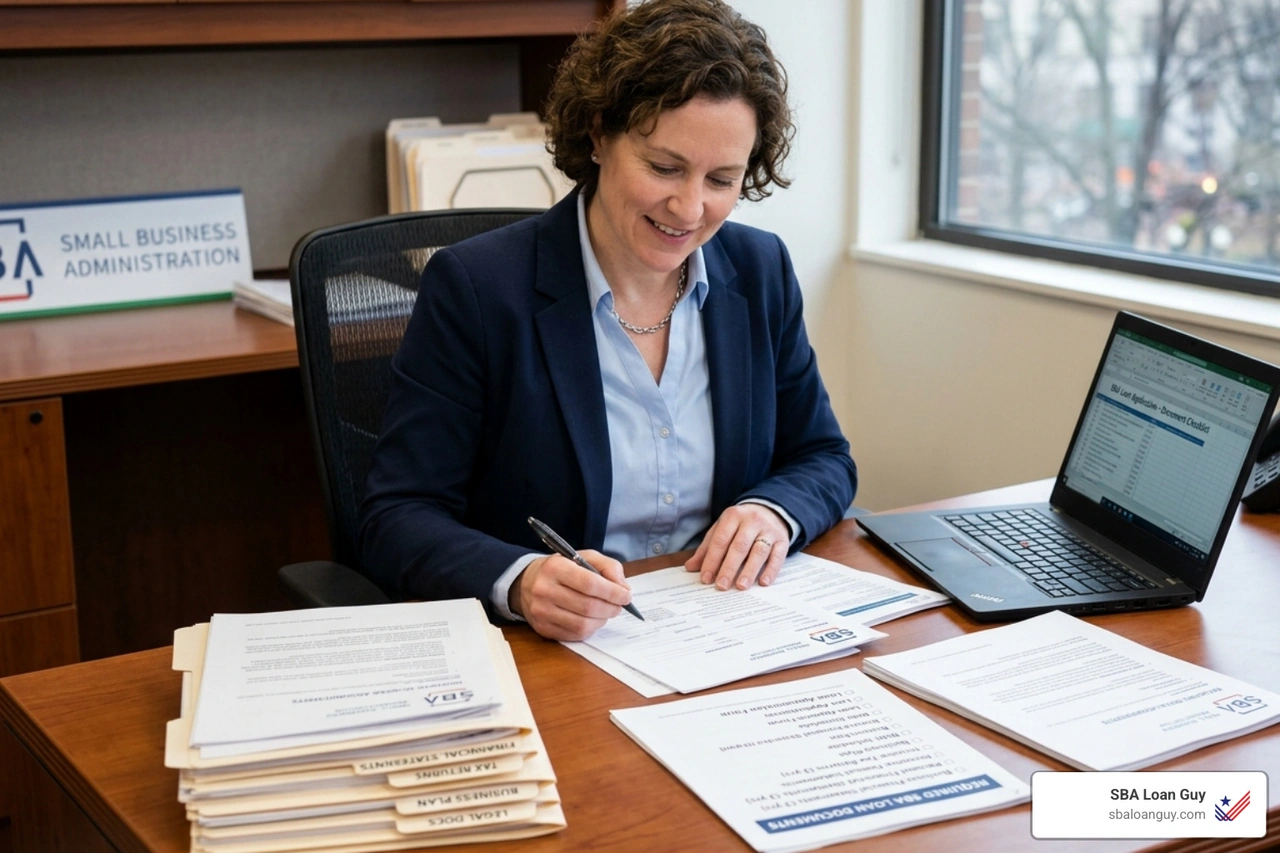
5. Organize the money. Gather personal financial records, trace the source of your cash contribution, and build a sources-and-uses schedule that includes a reserve.
Can a first-time buyer qualify for SBA financing?
Many first-time buyers pursue SBA-backed financing, but each lender decides based on its own policy and the whole file. Relevant experience, a transition plan, and a reasonable cash position can all help.
How long should the seller stay involved?
It depends on the business and what the lender expects. Complex businesses or those that depend on the owner's relationships often need a longer handoff. Ask the lender what it wants to see and put the arrangement in the purchase documents.
Do I need industry experience?
It helps, but it is not the only path. Buyers without it often offset the gap with a strong manager, a seller training period, and experienced advisors. Ask each lender how it views your situation.
Who should be on my advisor team?
Most buyers benefit from a CPA to review the financials and tax structure, an attorney to review the purchase agreement, and an insurance agent. A mentor from the industry can also help.
First-time buyers can build a credible file by showing relevant skills, a real transition plan, a team of advisors, and a budget that protects cash for the early months. A thorough file cannot guarantee approval, but it can help a lender see why a first-time owner may be ready.
If you are preparing to buy your first business, contact SBA Loan Guy to review your readiness and lender fit before you submit an application.
This article is general information only. It is not legal, tax, accounting or financial advice. SBA Loan Guy is not a lender and is not affiliated with or endorsed by the U.S. Small Business Administration. Program rules, eligibility and requirements change, so confirm current details with a licensed lender and SBA.gov before you make a decision.

A distilled, 0–100 snapshot of how fundable you are based on credit, cash flow, equity, and documentation. Plus the top fixes to raise your score fast.
A curated shortlist of lenders that fit your profile and use of funds, with why each is a fit and exactly what they’ll want to see.
A tailored, step-by-step list of required docs and forms (formats, who provides them, and common pitfalls to avoid).
A realistic week-by-week path from pre-qual to closing, with milestones, dependencies, and an estimated target funding date.
Hands-on prep and documentation for SBA disaster programs (EIDL and others), including submissions, follow-ups, and guidance through appeals or requests for more info.
We prepare your application, match you with the
right lenders, and guide you until funding.