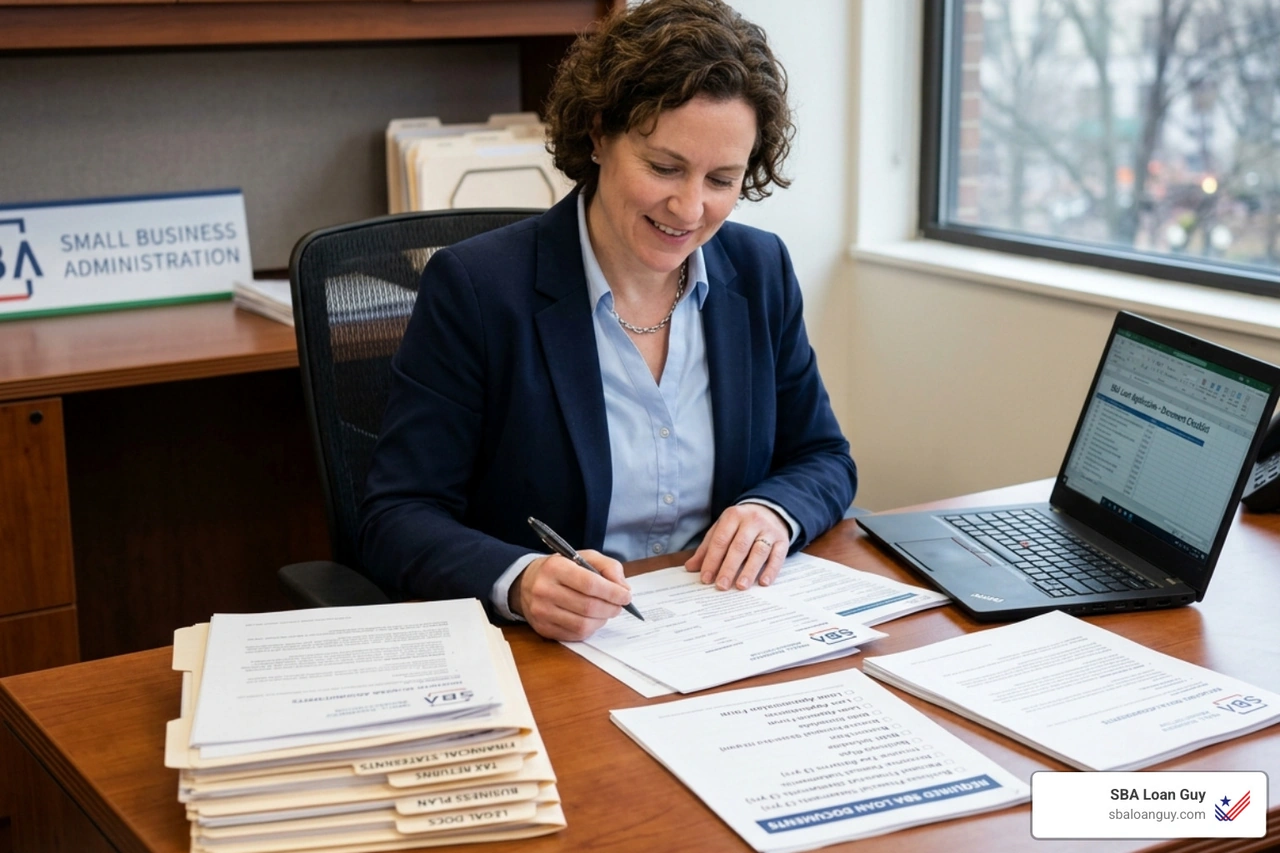
Get the documents needed for an SBA loan with this complete checklist and avoid approval delays.
June 18, 2026
The documents needed for an SBA loan are the single biggest factor that determines how fast — or how slowly — your funding arrives.
Here is a quick answer if you need it now:
Core documents most SBA lenders require:
Additional documents vary by loan program (7(a), 504, Express, Microloan) and loan purpose (real estate, equipment, acquisition, working capital).
Missing or incomplete documents are the number one reason SBA loan applications stall. A well-prepared file can get funded in 60-90 days. A disorganized one? Expect 12+ weeks — or a denial.
It is not about bad credit or weak revenue. It is about the paperwork.
The good news: this is entirely within your control.
I'm Cesar DonDiego, a finance and accounting professional with a background in full-cycle bookkeeping, tax preparation, and financial analysis for small businesses — experience that has given me a clear picture of exactly what lenders look for when reviewing documents needed for an SBA loan. I've worked directly with business owners to get their financial records lender-ready, and in this guide I'll walk you through every form and file you need to prepare.

Learn more about documents needed for an sba loan:
When you apply for an SBA loan, the lender does not just look at your credit score. They want to see the whole picture of your business. This review process is called underwriting. To make it smooth, you need a complete master checklist of files.
For 2026, the rules are clear: lenders want to verify everything about your cash, your identity, and your business history. If you are missing even one form, your file gets put at the bottom of the stack. A well-prepared package can get funded in 60 to 90 days, but missing files can push that timeline past 12 weeks.
To understand how this fits into the bigger picture, check out More info about the SBA loan process.
Here are the main papers you need to gather.
Lenders need to know who you are and if you are reliable. To do this, they look at your personal background. For more details on these rules, read More info about SBA loan requirements.
Every owner with a 20% or more stake in the business must provide:
Your business finances show the lender if you can afford to pay back the loan. Think of these files as proof that your business is healthy. For a deeper look at these files, check out More info about required SBA loan documents.
You will need to gather:
SBA loans are unique because they use standardized government forms. The government uses these forms so every applicant is graded the same way. It also helps prevent fraud and makes sure only eligible businesses get help.
Let's look at the most common forms you will have to fill out.
SBA Form 1919 is the starting point for any 7(a) loan. Every small business applying for a 7(a) loan must complete this form.
This form asks for basic details about your business and its owners. It also asks questions to see if you meet the basic eligibility criteria. For example, it asks if you have ever been suspended from doing business with the government or if you have any other government debt. To see how this fits into the official rules, read the SBA 7(a) loan guidelines.
SBA Form 413 is where you list your personal net worth. The lender wants to know what you own (assets) and what you owe (debts).
Why does this matter? If you own 20% or more of the business, you must act as a personal guarantor. This means if the business cannot pay back the loan, you are personally responsible for the debt. Form 413 helps the lender see if you have the personal strength to back up your promise.
These forms are used for background checks.
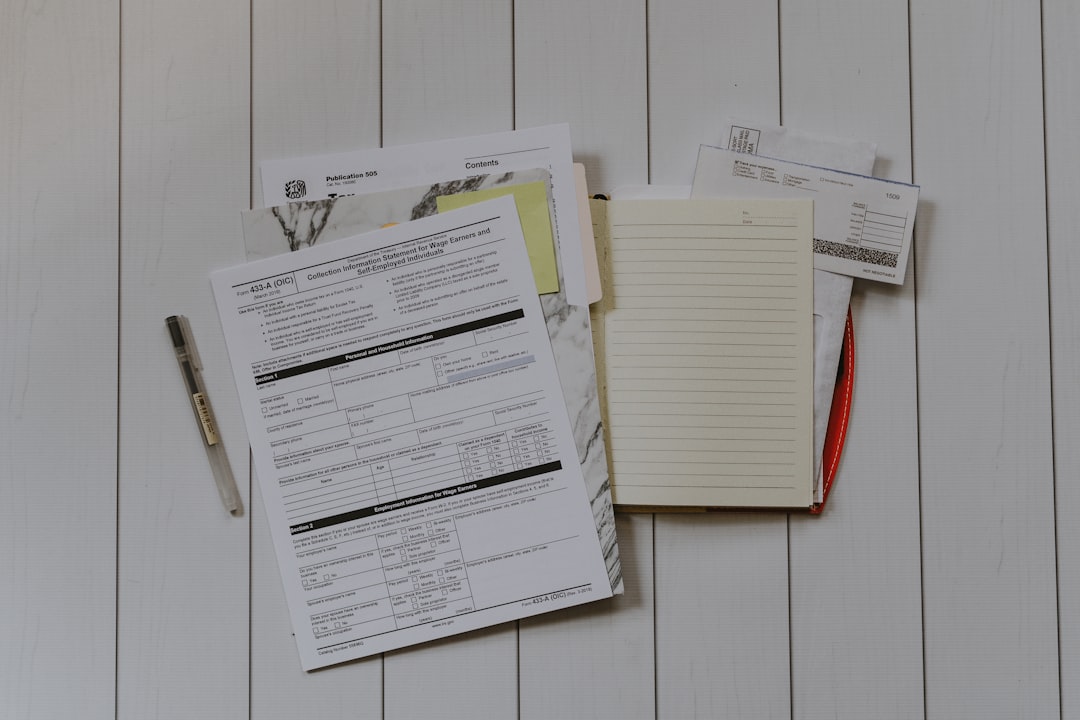
Lenders do not just take your word for what you made. They use IRS Form 4506-C to get official tax transcripts directly from the IRS.
This form is a powerful tool for fraud prevention. The lender will compare the tax returns you handed them with the official transcripts from the IRS. If the numbers do not match, your loan will be rejected immediately.
The papers you need can change depending on which SBA loan program you choose and how you plan to use the money.
| Loan Program | Best Used For | Key Extra Documents Needed |
|---|---|---|
| SBA 7(a) Loan | General business use, working capital, buying a business | Letter of Intent (LOI), business valuation (if buying a business over $250,000) |
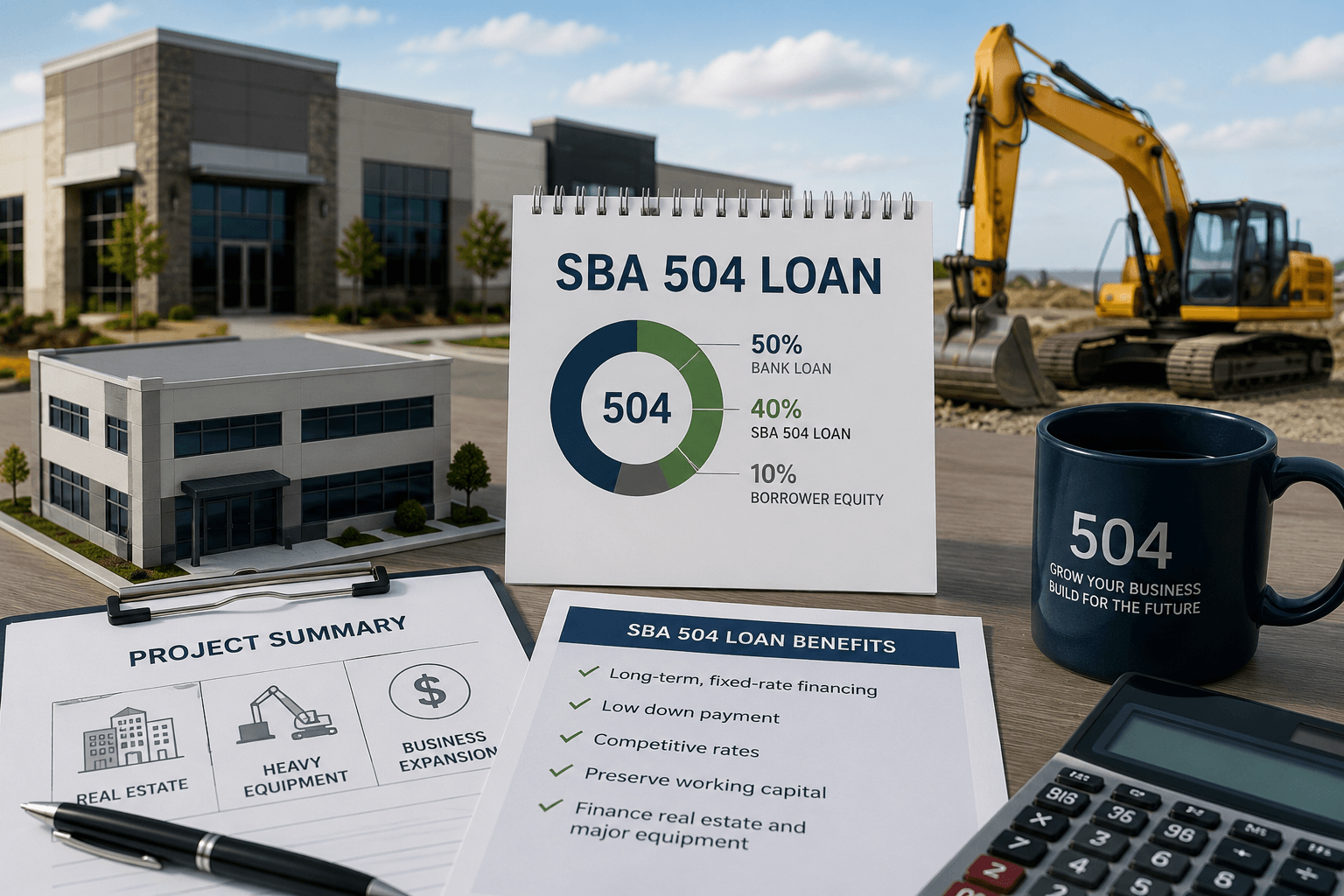
| SBA 504 Loan | Real estate, large equipment, construction | Real estate purchase agreement, construction bids, environmental reports |
| SBA Express | Quick cash, smaller lines of credit | Standard business financials (faster review, capped at $500,000) |
| SBA Microloan | Small startups, minor equipment, inventory | Business plan, personal guarantee (capped at $50,000) |
Each SBA loan program has its own set of rules and paperwork:
Once your loan is approved, you must sign the closing files. These are the official legal promises you make. For more details, read More info about SBA loan closing documents.
Lenders must also keep a strict closing file to satisfy the SBA. If they do not, the government might not back the loan if you default.
Lenders use a system called E-Tran to submit your application to the SBA. This system generates a Terms & Conditions document that acts as the loan authorization. Lenders must also keep environmental reports, appraisals, and proof of your equity injection (your down payment) in their files. To see the official rules on how lenders must evaluate your files, look at the SBA Procedural Notice on Lending Criteria.
The most common mistakes are very easy to avoid:
Your interim financial statements (P&L and balance sheet) must be current within 90 days of your application submission. Your tax returns should be for the most recent 2 to 3 years. Your bank statements must cover the last 3 to 6 months.
Yes, if you are a startup or buying an existing business. Lenders want to see a clear business plan with 2 years of financial projections. This shows them that you have a plan to make money and pay them back. For existing businesses that are just expanding, a business plan is highly recommended to explain how the new funds will help you grow. Learn more by reading More info about SBA loan business plans.
Gathering all the documents needed for an SBA loan can feel like a full-time job. But you do not have to do it alone.
At SBA Loan Guy, we make this easy. We help small business owners in Houston, California, Orlando, Chicago, Indianapolis, New York City, and San Francisco get ready for funding. We offer a personalized pre-qualification snapshot, match you with the right lenders, and give you step-by-step guidance so you do not get lost in the paperwork.
Do not let the forms win. Let us help you organize your files and get the money your business deserves.
Get started with an SBA 7(a) loan today or visit SBA Loan Guy to learn more!

A distilled, 0–100 snapshot of how fundable you are based on credit, cash flow, equity, and documentation. Plus the top fixes to raise your score fast.
A curated shortlist of lenders that fit your profile and use of funds, with why each is a fit and exactly what they’ll want to see.
A tailored, step-by-step list of required docs and forms (formats, who provides them, and common pitfalls to avoid).
A realistic week-by-week path from pre-qual to closing, with milestones, dependencies, and an estimated target funding date.
Hands-on prep and documentation for SBA disaster programs (EIDL and others), including submissions, follow-ups, and guidance through appeals or requests for more info.
We prepare your application, match you with the
right lenders, and guide you until funding.