Discover 2026 SBA loans interest rate for 7(a), 504 & Microloans. Compare rates, calculate yours & save vs high-interest debt!
July 17, 2026
SBA loans interest rate ranges change based on the program, the loan size, and if your rate is fixed or variable. Here is a quick look at where rates stand as of May 2026:
| Loan Program | Rate Type | Rate Range |
|---|---|---|
| SBA 7(a) — variable | Variable | 9.75% – 13.25% |
| SBA 7(a) — fixed | Fixed | 11.75% – 14.75% |
| SBA 504 | Fixed | 5% – 7% |
| SBA Microloan | Fixed | 8% – 13% |
| SBA Express (over $50k) | Variable | Up to Prime + 4.5% |
Key benchmark: The WSJ Prime Rate was 6.75% as of April 2026. Most SBA 7(a) rates are calculated as Prime plus a lender spread.
These rates are much lower than most other business lenders. Other lenders often charge 15% to 40% or more. This can save you tens of thousands of dollars over the life of your loan.
But the rate you see in ads is rarely the rate you get. Your actual rate depends on your loan size, your credit, and which lender you choose. We explain all of this in this guide.
I'm Cesar DonDiego. I am a finance expert. I help business owners find the best sba loans interest rate so they can save money. My goal is to make this simple for you so you can talk to any bank with confidence.

Key sba loans interest rate vocabulary:
When you look for a business loan, you will see there isn't just one "SBA rate." Instead, the Small Business Administration (SBA) sets the rules. Then, banks set the actual price within those rules.
As of May 2026, the market is steady. The most common starting point is the Prime Rate, which is 6.75%. Most business owners find that sba loans interest rate offers are the best deals in the United States. They are much better than online "quick cash" lenders.
| SBA Program | Typical Use | Current Rate Range |
|---|---|---|
| 7(a) Loans | Working capital, debt refinance, equipment | 9.75% – 14.75% |
| 504 Loans | Real estate, large machinery | 5% – 7% (Fixed) |
| Microloans | Small startups, inventory, supplies | 8% – 13% |
To see the newest numbers for this month, you can check our guide on Current SBA loan rates for 2026.
The 7(a) program is like a "Swiss Army Knife." You can use the money for almost anything. You can buy a new business or fix up your office.
In this program, you have two choices for your interest:
The SBA sets a "ceiling" or a top limit on what a bank can charge you. For a large loan over $350,000, the sba loans interest rate is capped at the Prime Rate plus 3.00%. With today's Prime at 6.75%, your rate should not go over 9.75%. Smaller loans have higher caps. For more details, see our page on current 7(a) rates.
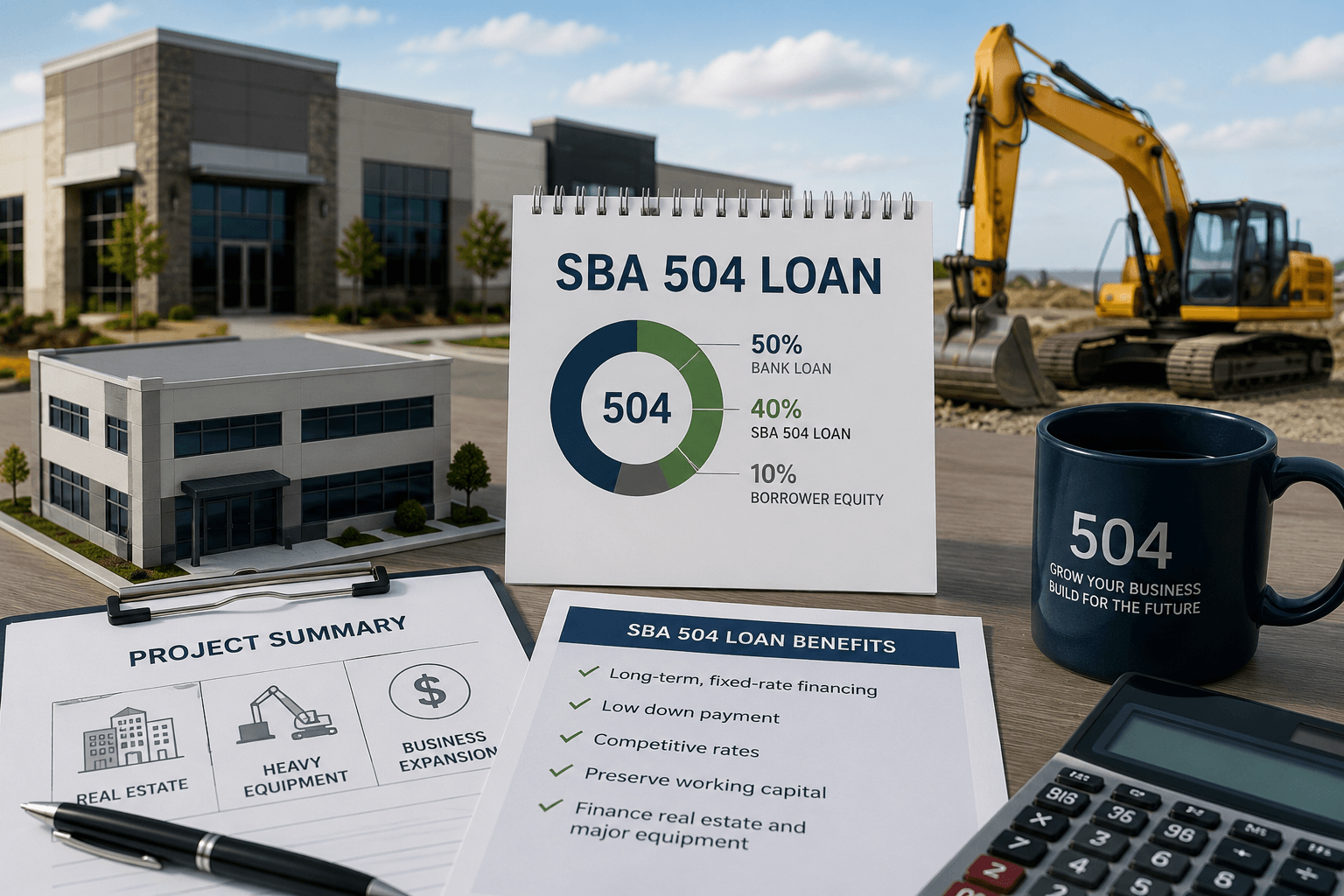
If you want the lowest sba loans interest rate, the 504 program is often the winner. These loans are for buying buildings or big machines.
The rates for 504 loans stay the same for the whole loan (usually 10, 20, or 25 years). Right now, these rates are between 5% and 7%. This is a great deal for business owners in cities like Houston, Chicago, or Orlando who want to own their building. You can learn more on our SBA 504 program page.
Microloans are small loans up to $50,000. They are for startups or people with lower credit. The rates are a little higher, usually between 8% and 13%.
Understanding how a bank comes up with your interest rate isn't as hard as it looks. It’s basically a simple addition problem:
Base Rate + Lender Spread = Your Interest Rate
We help our clients understand this math so they can negotiate better deals. You can find a deeper dive into this in our SBA 7(a) loans complete guide.
The "Base Rate" is the starting point. It’s the "cost of money" in the general economy. SBA lenders can choose from a few different starting points:
Sometimes, the Peg Rate is lower than the Prime Rate, which can be a huge win for you! We always look at these different options when matching you with a lender. Read more about these technical details in our SBA 7(a) loans complete guide.
The "Spread" is the bank's "slice of the pie." This is how they pay their employees and keep the lights on. While the Base Rate is set by the market, the Spread is something the bank decides based on how "risky" your business looks.
If you have a strong business with lots of profit and a great credit score, you can negotiate for a lower spread. The SBA has strict rules on the "highest rates allowed." For a loan over $350,000, the most a bank can add to the Prime Rate is 3.00%. If a bank tries to charge you more than that, they aren't following SBA rules!

Not every business owner gets the same rate. Just like buying a car, your "price" depends on a few specific things. Knowing these factors can help you get a better deal. Check out the full list of SBA loan requirements to see where you stand.
Size matters! Generally, the more money you borrow, the lower your sba loans interest rate will be. This is because the bank’s costs to process a $50,000 loan are almost the same as a $500,000 loan, so they charge a bit more on smaller amounts to make it worth their time.
Your credit score is like your "financial reputation." Lenders use it to guess if you will pay them back on time.
The interest rate isn't the only cost of a loan. To find the "True Cost" (called the APR), you have to look at the fees. The good news is that SBA fees are regulated, so banks can't just make up random charges.
One of the best things about SBA 7(a) loans is that most of them have no prepayment penalty. If you borrow money for 10 years but decide to pay it off in year two because your business is booming, you can usually do that for free!
The only exception is for loans with a term of 15 years or longer (usually real estate loans). Even then, the penalty only lasts for the first three years:
When you compare an SBA loan to a regular bank loan or an online "merchant cash advance," the SBA option almost always wins.
Why? Because the government is backing the loan, the bank feels safer. This safety allows them to give you:
You can read more about these "superpowers" on our page about the benefits of SBA loans.
If you need money fast, the SBA Express program is a great choice. It has a $500,000 cap, and the SBA promises to give the bank an answer in just 36 hours. Because it's faster and the government guarantees less of it (50%), the sba loans interest rate is a bit higher—usually capped at Prime plus 4.5%.
For businesses that sell products to other countries, the Export Express program is even better. It offers a 90% guarantee from the government, which makes banks very happy to work with you!
They can be both! Most 7(a) loans (about 80%) are variable, meaning they move up and down with the Prime Rate. However, 504 loans and Microloans are almost always fixed. You can often ask your lender for a fixed-rate 7(a) loan, but the starting rate might be a little higher than the variable option.
Because the SBA guarantees to pay the bank back a large portion (75% to 85%) of the money if your business fails. This "government insurance" reduces the risk for the bank, so they don't have to charge you "sky-high" interest rates to protect themselves.
If you have a variable-rate loan, your rate usually changes whenever the Federal Reserve changes the "Federal Funds Rate," which causes the WSJ Prime Rate to move. This doesn't happen every day, but it can happen several times a year depending on the economy.
Navigating sba loans interest rate options can feel like learning a second language, but you don't have to do it alone. At SBA Loan Guy, we specialize in taking the stress out of the process. Whether you are in The Woodlands, TX, or operating in Houston, San Francisco, or New York City, our team is here to guide you.
We offer a personalized pre-qualification snapshot and tailored lender matches to ensure you get the best possible rate for your specific situation. Don't leave your business's future to chance—let us help you find the most affordable funding available.
Ready to take the next step? Apply for an SBA 7(a) loan today and let's get your business the capital it deserves!

A distilled, 0–100 snapshot of how fundable you are based on credit, cash flow, equity, and documentation. Plus the top fixes to raise your score fast.
A curated shortlist of lenders that fit your profile and use of funds, with why each is a fit and exactly what they’ll want to see.
A tailored, step-by-step list of required docs and forms (formats, who provides them, and common pitfalls to avoid).
A realistic week-by-week path from pre-qual to closing, with milestones, dependencies, and an estimated target funding date.
Hands-on prep and documentation for SBA disaster programs (EIDL and others), including submissions, follow-ups, and guidance through appeals or requests for more info.
We prepare your application, match you with the
right lenders, and guide you until funding.