Learn how bank loans work, compare options, and qualify for smart borrowing with SBA and conventional financing.
July 13, 2026
Bank loans are one of the most powerful tools a business owner has for growing, buying, or expanding a business. But with so many types, rates, and lenders out there, it's easy to feel lost.
Here's a quick overview of the most common bank loan types:
The lending market is massive. As of May 2026, total loans and leases at U.S. commercial banks reached $13.8 trillion — a number that tells you just how central borrowing is to the American economy.
But bigger doesn't always mean better or easiest. Getting the right loan at the right rate takes more than just walking into a bank. It takes knowing your options, your numbers, and your lender.
I'm Cesar DonDiego, a finance and accounting professional who has helped business owners navigate cash flow, financial planning, and bank loans for years. My work with small businesses gives me a front-row seat to the mistakes borrowers make — and how to avoid them.

Bank loans terms at a glance:
At its core, a bank loan is a simple agreement: a bank gives you a specific amount of money today, and you promise to pay it back over time.
To understand how bank loans work, it helps to think of them like renting a house. When you rent a house, you pay "rent" to use someone else's property. When you borrow money, you pay "interest" to use the bank's money.
The money you borrow is called the principal amount. The extra money you pay to use it is called interest. Together with fees, these make up the total cost of your loan.
Historically, banks have served as the ultimate middleman in our economy. They take money that people put into savings accounts and lend it to people who need to buy homes, cars, or grow businesses. Learn more about the history of a loan to see how this fundamental system has powered trade and progress for centuries.
Today, commercial banks continue to expand their lending activities. According to data from the Federal Reserve, loans and leases in bank credit for all commercial banks rose to $13,804.6 billion in May 2026, up from $13,739.8 billion in April 2026. You can Track commercial bank credit trends to see how borrowing patterns change alongside the broader economy.
If you are a business owner looking for capital, you will quickly find that business loans are not "one size fits all." Different financial needs require different types of bank loans.
Here is a quick look at the main options available to businesses:
Depending on where your business is located, you can work with different types of lenders. You might choose a large national bank, a local community bank, or a credit union. Some states also offer special low-interest loan programs to help local businesses grow.
When you apply for bank loans, one of the first decisions you will face is whether the loan will be secured or unsecured. This choice fundamentally changes the level of risk for both you and the bank.
To truly understand what you are paying for, you have to look past the basic interest rate and focus on the Annual Percentage Rate (APR).
The interest rate is just the cost of borrowing the principal balance. The APR, however, includes both the interest rate and any mandatory fees associated with getting the loan. These fees can include:
Your interest rates are also heavily shaped by the overall economy. Banks do not just make up their rates out of thin air. They base them on benchmark rates, such as the Federal Reserve’s federal funds rate. When the central bank raises benchmark rates to fight inflation, the cost of borrowing goes up for everyone. When they lower rates, bank loans become cheaper.

Getting approved for bank loans requires showing the lender that you are a safe bet. Lenders look closely at your financial history to decide whether to approve you and what interest rate to offer.
The three most important factors are:
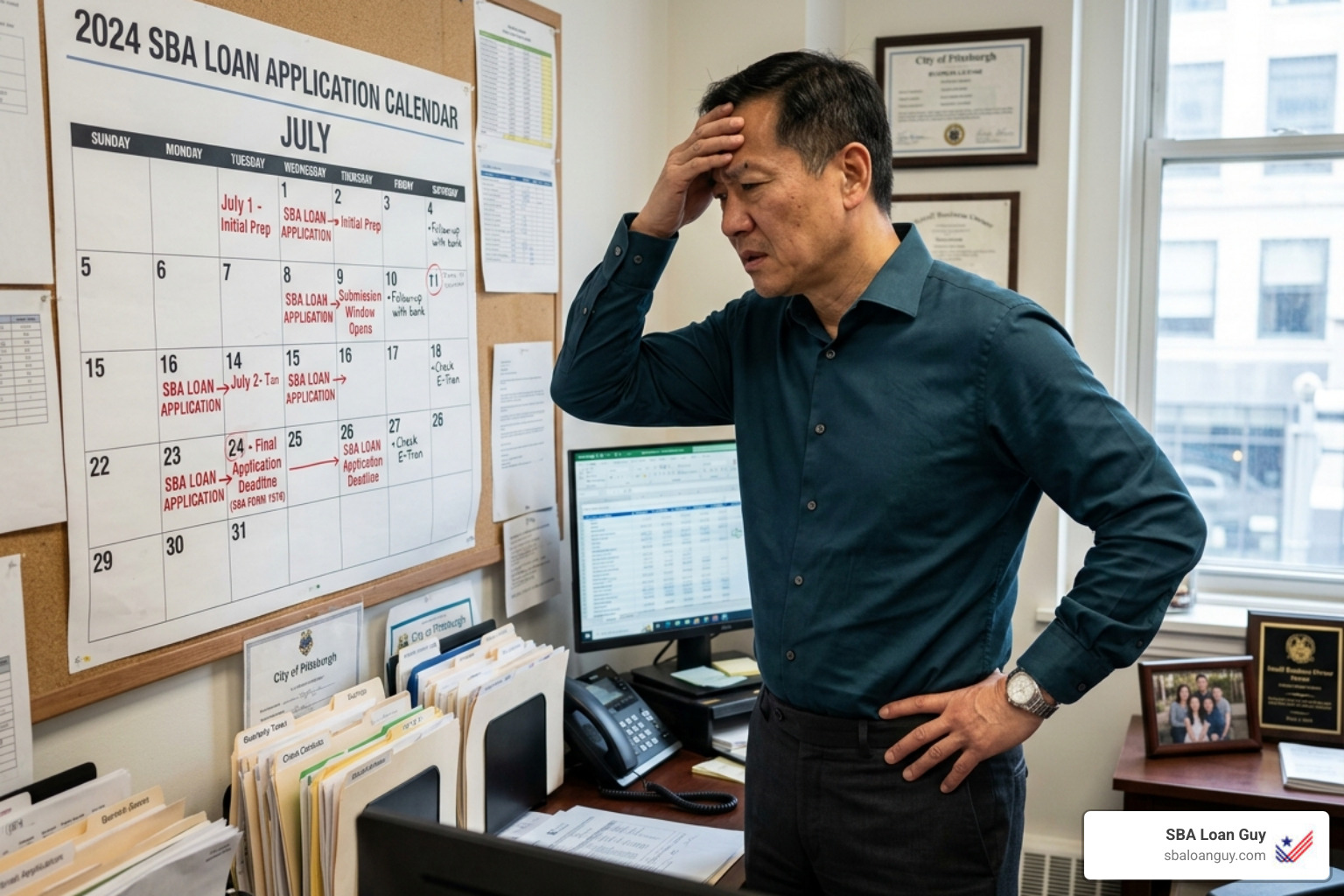
Applying for a business loan requires more preparation than applying for a personal loan. Lenders want to see that your business is healthy and that you have a clear plan for the money.
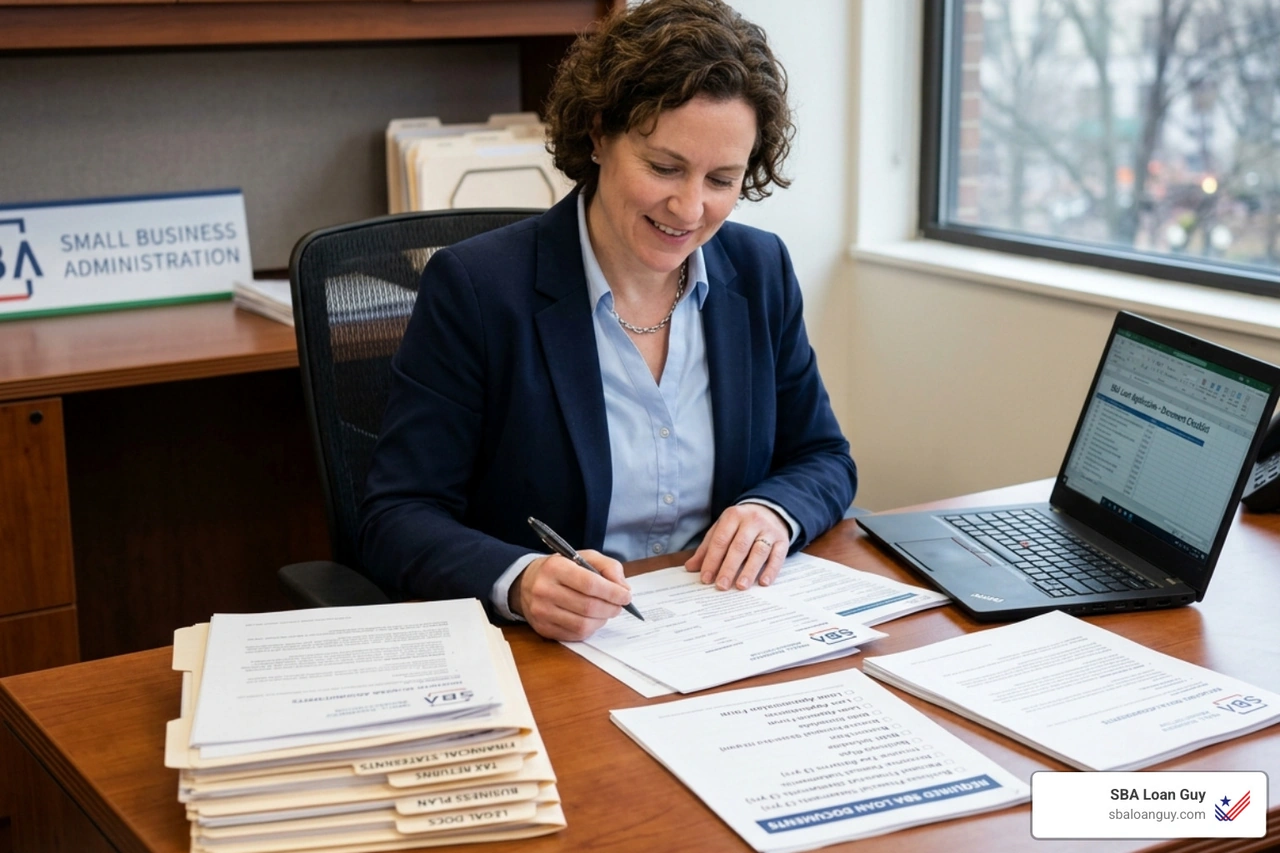
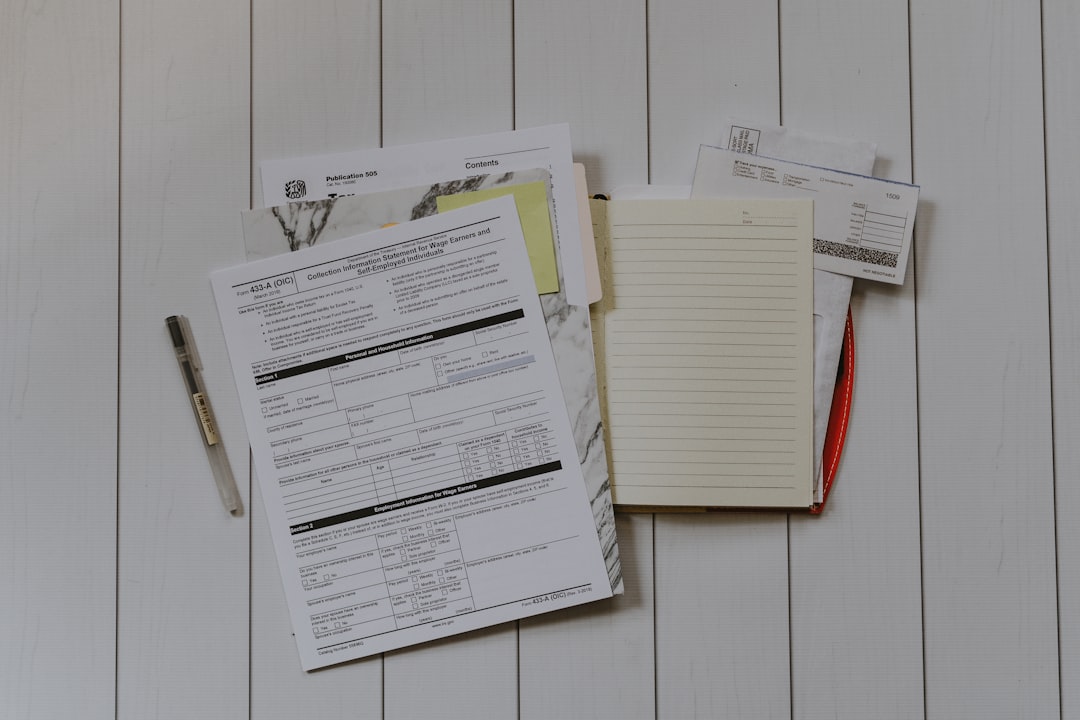
To get your application approved, you will typically need to gather several key items:
To ensure you don't miss anything, review the complete list of SBA Loan Required Documents. Having these items organized before you start your Small Business Loan Application will speed up the process and show lenders that you are a serious, professional borrower.
That under updated lending guidelines, such as the SOP 50 10 8 underwriting updates effective in 2026, lenders look for a Debt Service Coverage Ratio (DSCR) of at least 1.1:1 on a historical or projected cash flow basis for small commercial loans. This means your business's operating cash flow (EBITDA) must be at least 1.1 times larger than your total debt payments, including the new loan.
When you are looking for a loan, it pays to shop around. Do not just accept the first offer you receive. Compare the APR, repayment terms, and fees from multiple banks and credit unions.
You must also watch out for predatory lenders. Some high-cost lenders use tricky setups called "rent-a-bank" schemes. In these arrangements, a high-interest lender partners with a small, out-of-state bank to offer loans. Because banks can sometimes bypass state-level interest rate caps, these lenders use them to charge incredibly high interest rates—sometimes ranging from 99% up to 225% APR!
To protect yourself and your business, watch out for these major warning signs:
When you need funding for your business, you will generally choose between two paths: conventional bank loans and government-backed loans.
Because the government reduces the bank's risk, lenders are much more willing to work with small businesses. This setup unlocks incredible benefits, including lower down payments, longer repayment terms, and capped interest rates.
Understanding the Benefits of SBA Loans can help you decide if this path is right for you. For example, if your business needs a boost to buy inventory or cover day-to-day payroll, an SBA Working Capital Loan can provide flexible, low-cost cash that conventional lenders rarely offer to small businesses.
The SBA 7(a) loan program is the gold standard of business funding. It is incredibly flexible and can be used for almost any major business purpose, including:
Under current SBA guidelines, the economics of these loans are highly borrower-friendly. While conventional business acquisitions often require massive down payments, an SBA 7(a) loan allows you to buy a business with as little as 10% down. In some cases, you can even structure the deal with 5% cash from you and a 5% seller note on full standby.
Furthermore, SBA 7(a) loans offer terms up to 10 years for business acquisitions and working capital, and up to 25 years for real estate. This keeps your monthly payments low and manageable. To see what your borrowing costs might look like, check out the Current SBA 7a Loan Rates.
Think of your credit score like a financial report card. Banks use it to measure how risky it is to lend to you. If you have a high score, the bank views you as a safe bet and rewards you with a lower interest rate. If your score is low, the bank sees higher risk, so they charge a higher interest rate to protect themselves. Over the life of a loan, a higher credit score can save you thousands of dollars in interest.
Yes, there can be. In the United States, if a lender forgives or cancels a debt you owe, the IRS generally treats that forgiven amount as taxable income. This is known as "discharge of indebtedness." For example, if you owe $50,000 and the lender forgives the debt, you may have to report that $50,000 as income on your tax return and pay taxes on it. However, there are exceptions for certain types of government-backed loan forgiveness, so it is always best to consult a certified public accountant (CPA).
Navigating bank loans can feel overwhelming, but borrowing does not have to be a mystery. By understanding the different loan types, keeping an eye on your credit score, and carefully comparing your options, you can make smart financial choices that set your business up for long-term success.
At SBA Loan Guy, based in The Woodlands, TX, we help business owners across Houston, California, Florida, Illinois, Indiana, and New York City secure the funding they need. We prepare your application, match you with the right lenders, and guide you through the process step-by-step.
Ready to take the next step toward your business goals? Use our SBA Loan Pre-Qualification tool to get a personalized snapshot of your borrowing options, or Get started with an SBA 7(a) Loan today!

A distilled, 0–100 snapshot of how fundable you are based on credit, cash flow, equity, and documentation. Plus the top fixes to raise your score fast.
A curated shortlist of lenders that fit your profile and use of funds, with why each is a fit and exactly what they’ll want to see.
A tailored, step-by-step list of required docs and forms (formats, who provides them, and common pitfalls to avoid).
A realistic week-by-week path from pre-qual to closing, with milestones, dependencies, and an estimated target funding date.
Hands-on prep and documentation for SBA disaster programs (EIDL and others), including submissions, follow-ups, and guidance through appeals or requests for more info.
We prepare your application, match you with the
right lenders, and guide you until funding.