Buy a business now: Skip startup risks, get customers & cash flow day one. 7 easy steps + SBA loans to become CEO fast!
May 20, 2026
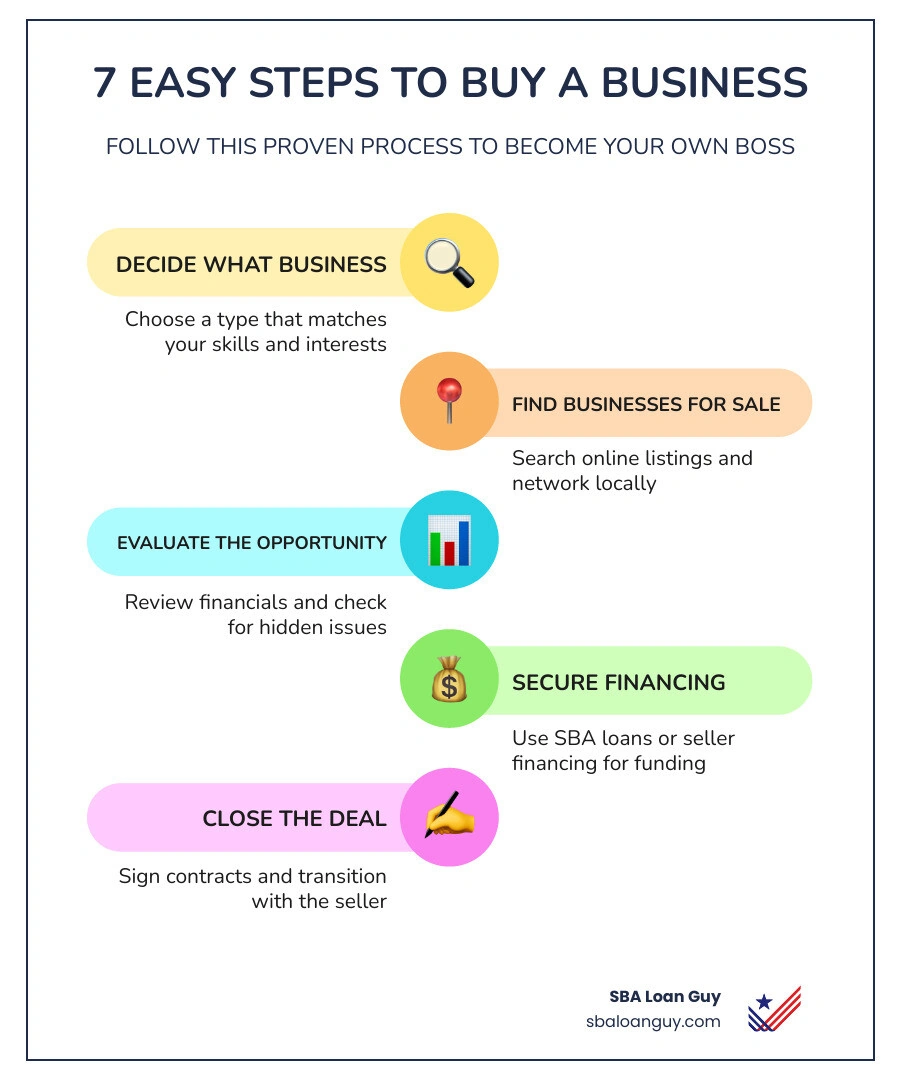
If you want to buy a business, here is the simple step-by-step process:
Right now is one of the best times in history to buy a business. Why? Because nearly half of all U.S. small business owners are over 55 years old — and many of them are getting ready to retire. That means thousands of healthy, profitable businesses are hitting the market every year. These are businesses with loyal customers, trained staff, and steady income streams already in place.
Starting a business from zero is hard. Most startups fail in the first few years. But when you buy an existing business, you skip the painful early stage. You walk in on day one with cash flow, customers, and a team already running things.
This wave of retiring owners — sometimes called the "Silver Tsunami" — is creating a rare window of opportunity for buyers like you.
I'm Cesar DonDiego, a finance and accounting professional who has worked directly with small business owners to manage cash flow, optimize financial strategy, and structure smart deals — including helping clients navigate the process to buy a business with confidence. I'll walk you through every step of the process in plain, simple language so you know exactly what to do next.
Easy ways to buy a business:
When most people think about being their own boss, they imagine starting a brand-new company from their garage. But starting from scratch is like trying to build a plane while you are already flying it. It is stressful, expensive, and very risky.
When you buy a business that is already running, you are buying a machine that is already moving. You get to skip the "starving artist" phase where you have no customers and no paycheck.
In a new startup, you have to guess if people will like your product. When you buy an existing shop or service, you already know people like it because they are already spending money there! You are buying "proven" success.
Finding customers is the hardest part of any business. An existing business comes with a phone that is already ringing and an email inbox full of orders. You don't have to spend months begging people to try you out; they are already walking through the door.
Imagine walking into your new office on Monday morning and everyone already knows what to do. The manager knows how to open the shop, the cook knows the recipes, and the salesperson knows how to talk to clients. You don't have to spend weeks teaching people how to do their jobs.
Statistics show that most new startups fail within the first few years. However, businesses that have already been around for five or ten years have a much higher chance of staying successful. Lenders also prefer this—banks are much more likely to give you a loan to buy a business with a history of making money than they are to fund a "maybe" idea.
While there are many "pros," you need to be a smart shopper.
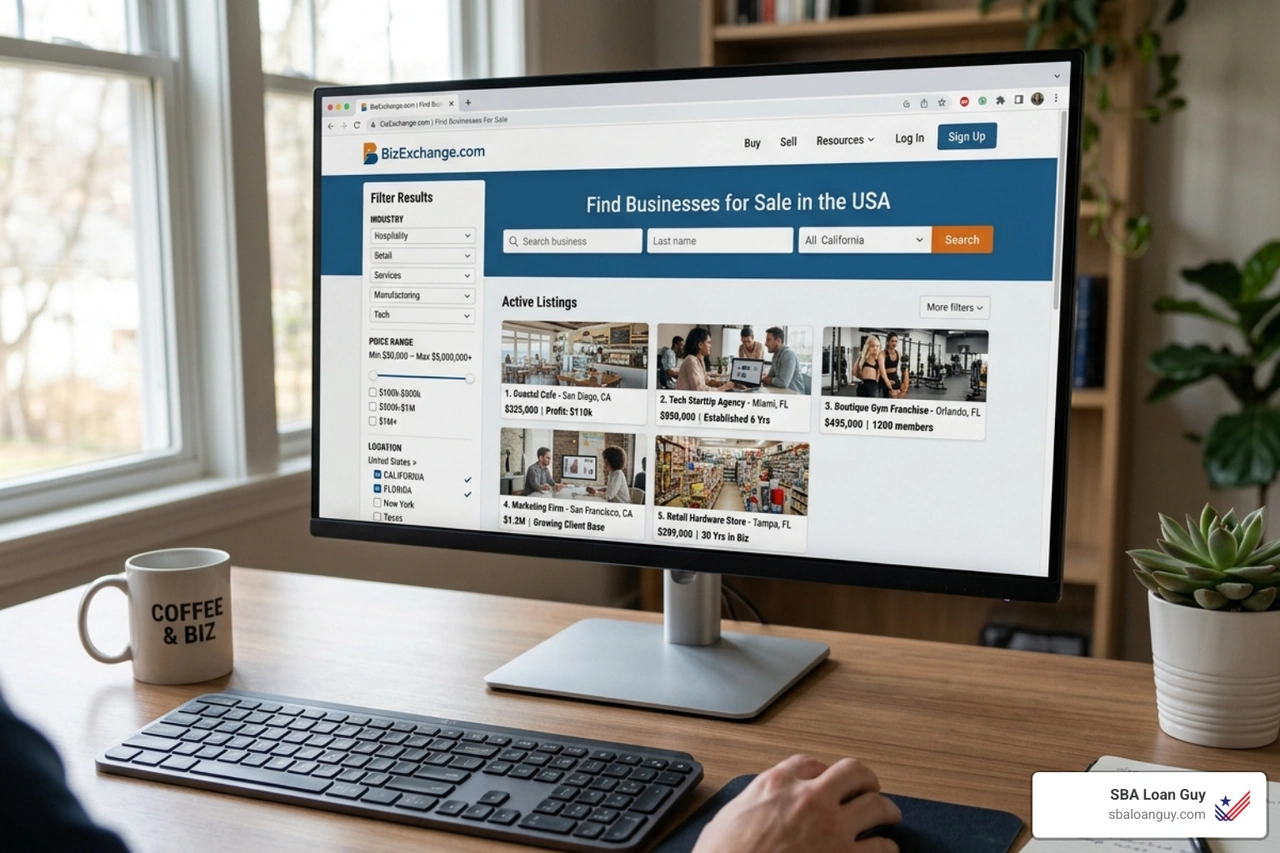
You wouldn't buy a house without looking at a few different options, and the same goes for when you want to buy a business. There are thousands of opportunities out there, from small corner cafes to large manufacturing plants.
The internet has made it very easy to go "window shopping" for a company. There are massive marketplaces where you can filter by industry, price, and location.
Business brokers are like real estate agents, but for companies. They help owners sell their shops and help buyers find the right match. A good broker can show you "off-market" deals—businesses that are for sale but aren't listed on public websites yet.
Sometimes the best deals are right in your backyard. If you live in The Woodlands, TX, or New York City, try these local tricks:
One big choice you will face is whether to buy an independent business or a franchise.
Franchises are like "business in a box." They are great for first-time owners who want extra help. Independent businesses are better for people who want total freedom.
How do you know if a seller is asking for a fair price? You don't want to overpay, but you also don't want to lose a great deal by being too cheap.
The most important number isn't "Revenue" (all the money coming in); it is "SDE" (Seller's Discretionary Earnings). This is the total amount of money the owner actually puts in their pocket after all the necessary bills are paid.
Most small businesses are sold for a "multiple" of their earnings. For example, if a pet grooming shop in Indianapolis makes $100,000 a year in profit, it might sell for 2 or 3 times that amount ($200,000 to $300,000).
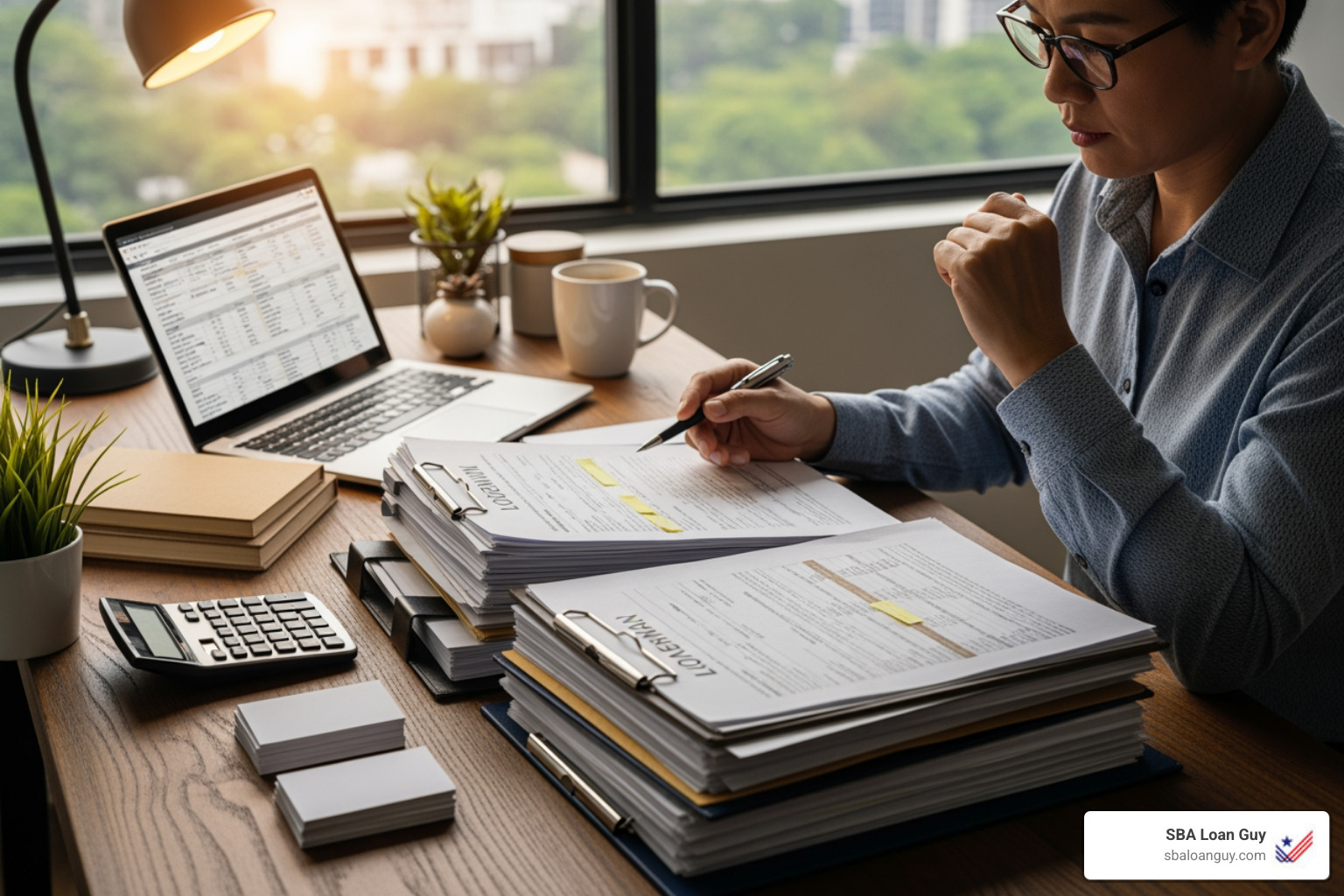
This is called "Due Diligence." It’s like taking a used car to a mechanic before you buy it. You need to look at:
Don't just take the seller's word for it. If they say they have 500 regular customers, ask to see the software that tracks those customers!
Most people don't have $500,000 sitting in a shoebox under their bed. That is okay! You only need a portion of the price in cash; the rest can come from loans.
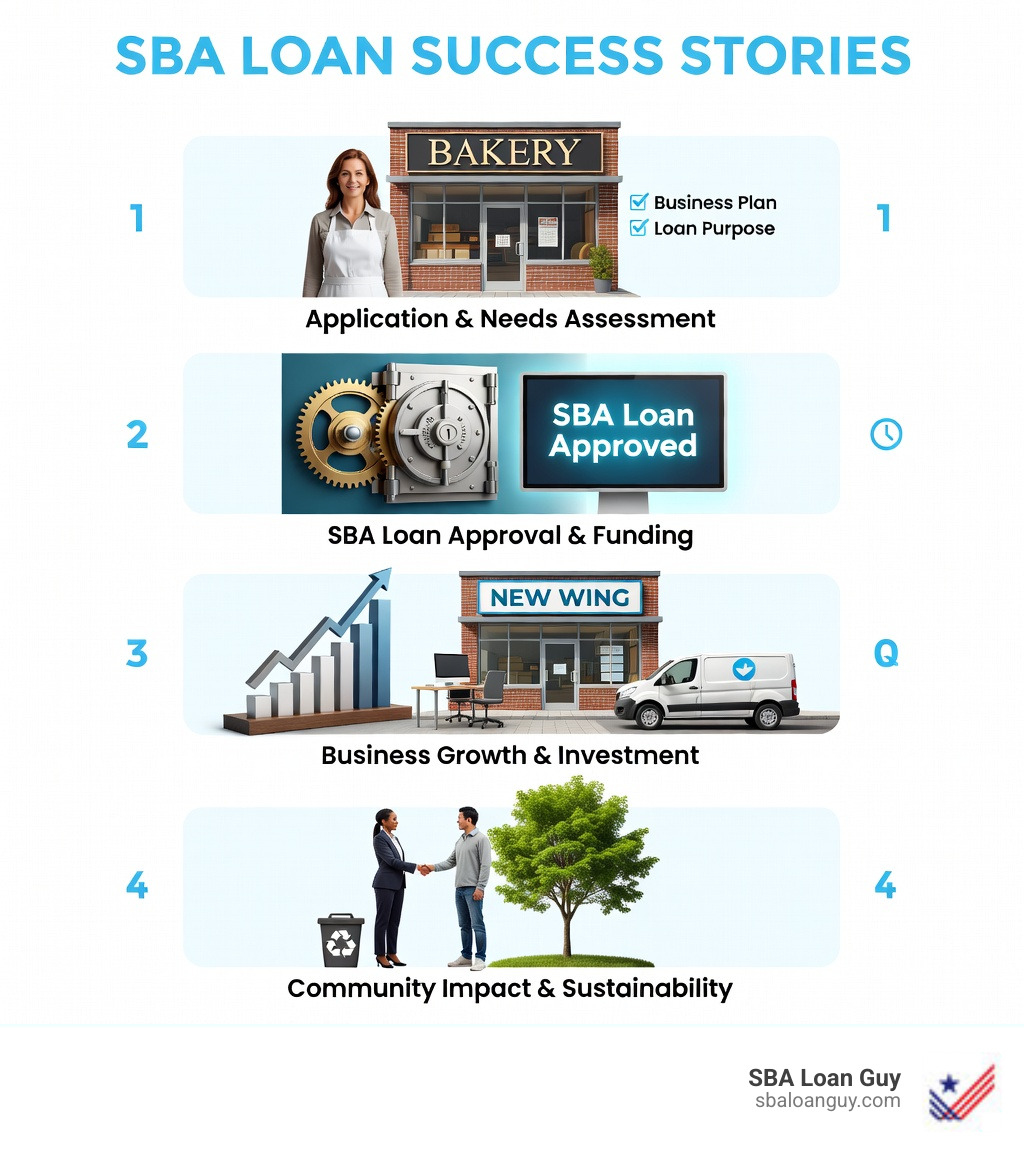
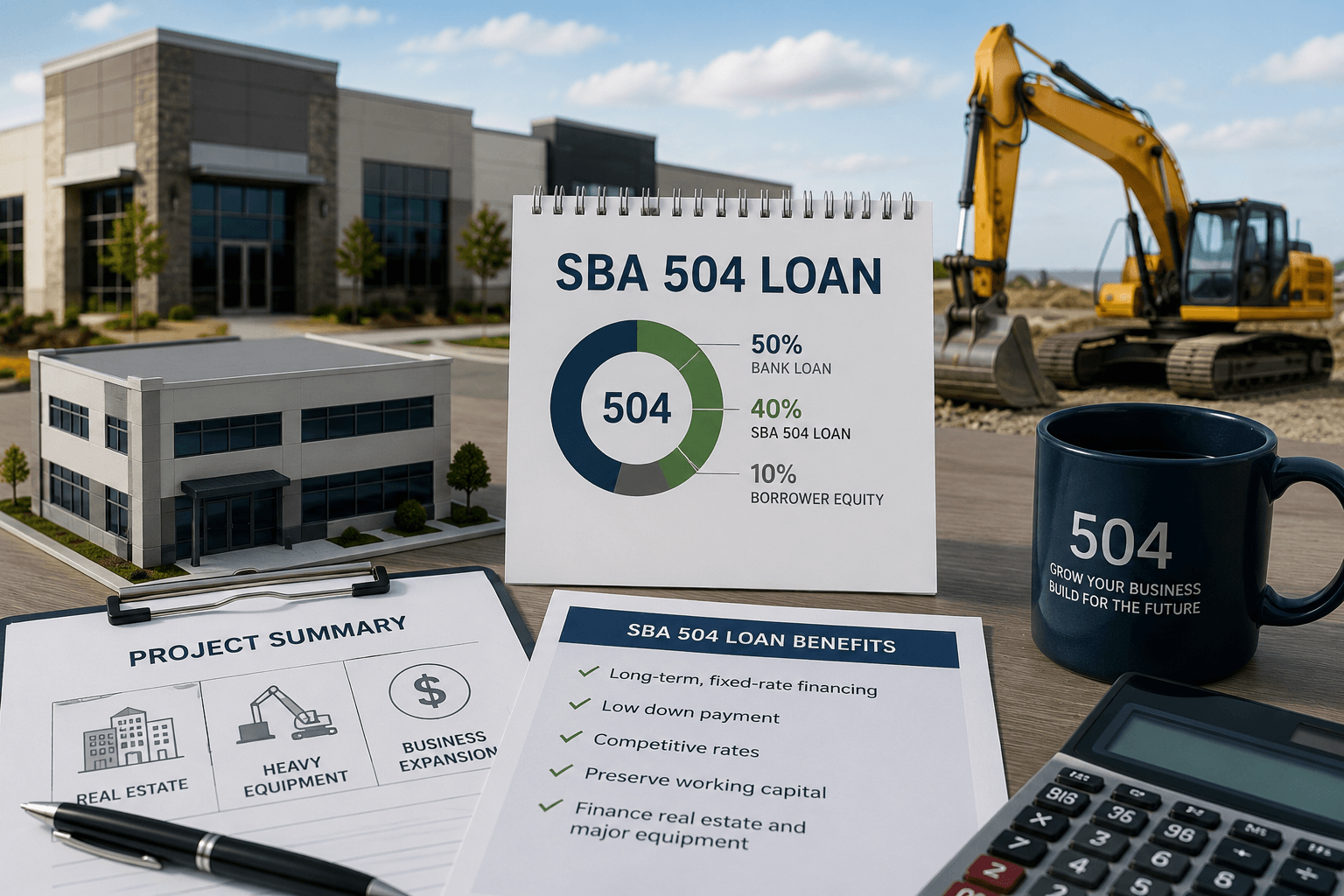
The Small Business Administration (SBA) is a government agency that helps people buy a business by "guaranteeing" a part of the loan. This makes banks feel safe giving you money.
The SBA 7(a) loan is the "gold standard" for buying a company. Here is why it is awesome:
We specialize in helping people through this. You can learn more about SBA 7(a) loans or check out SBA Express loans if you need a smaller amount of money quickly. If you want to see where you stand right now, you can see if you pre-qualify on our website.
Once you find the perfect shop and know how to pay for it, it's time to make it official.
The LOI is a document that says, "I am serious about buying your business for this much money, provided everything I check is true." It is like putting a "hold" on the business so no one else can buy it while you finish your research.
The Asset Purchase Agreement (APA) is the big legal paper that lists every single thing you are buying—from the desks and computers to the website and the name on the sign.
You should always ask the old owner to stay for a few weeks or months to train you. This is often called a Transition Services Agreement. They can introduce you to the best customers and show you the "secret sauce" that makes the business work.
Don't try to do this alone! You need a "Deal Team":
Usually, you need between 10% and 20% of the purchase price. So, if you want to buy a business for $500,000, you should aim to have $50,000 to $100,000 in cash or equity.
The biggest mistake is "falling in love" with a business and ignoring red flags. If the owner won't show you their tax returns or if the staff all seems unhappy, pay attention! Always trust the data over your feelings.
From the day you find a business to the day you get the keys, it usually takes 3 to 6 months. Getting a loan usually takes 45 to 90 days of that time.
Becoming a CEO doesn't have to mean starting from zero. By choosing to buy a business, you are choosing a path with more stability, immediate income, and a proven track record. With the "Silver Tsunami" of retiring owners, there has never been a better time to find a great company in cities like San Francisco, Indianapolis, or Orlando.
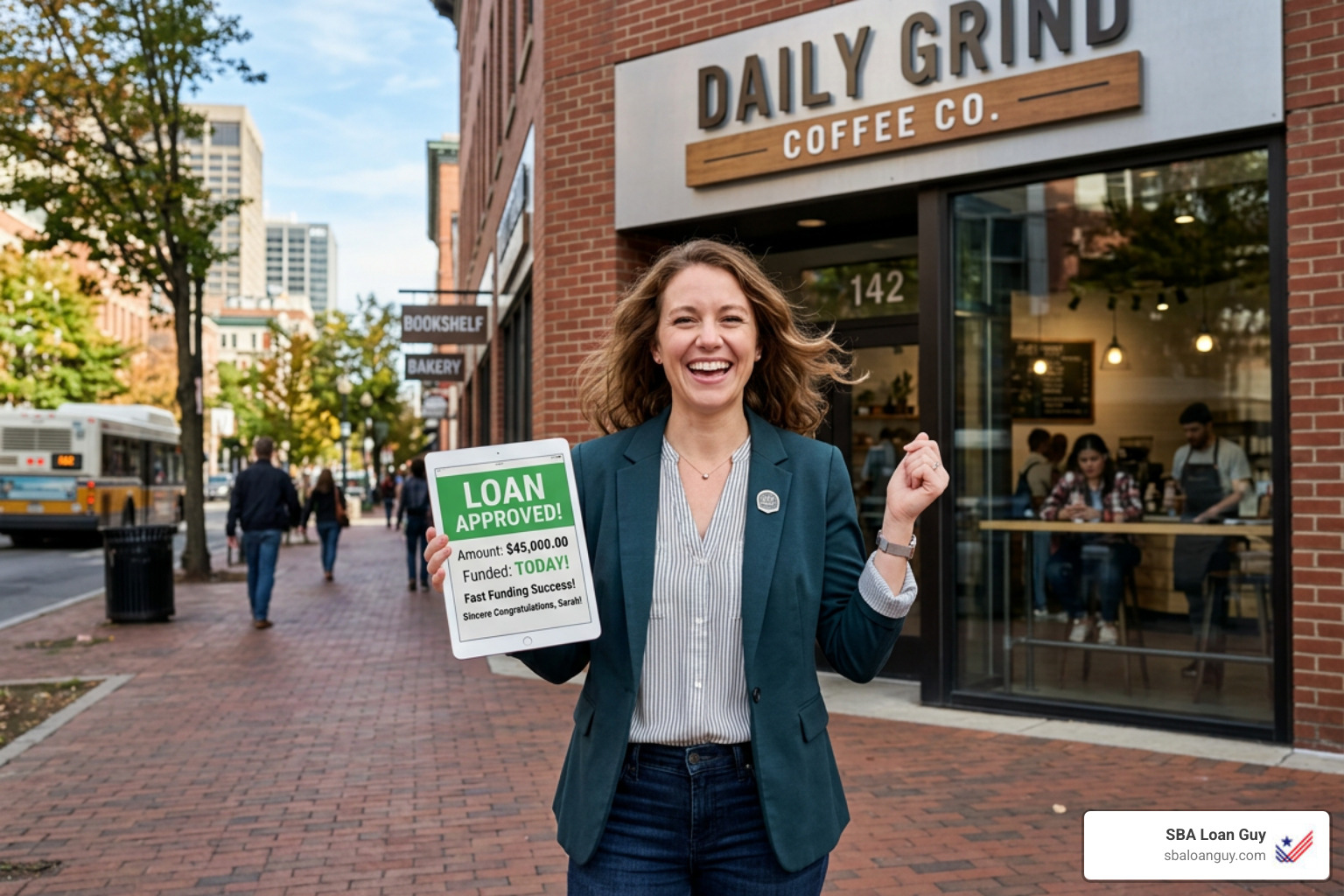
At SBA Loan Guy, we are here to make the money part easy. Based in The Woodlands, TX, we serve clients across the country—from Houston to New York City. We don't just give you a list of banks; we provide a personalized pre-qualification snapshot and guide you through every step of the SBA loan process.
Are you ready to stop window shopping and start leading? Start your journey today and let us help you secure the funding to build your legacy.

A distilled, 0–100 snapshot of how fundable you are based on credit, cash flow, equity, and documentation. Plus the top fixes to raise your score fast.
A curated shortlist of lenders that fit your profile and use of funds, with why each is a fit and exactly what they’ll want to see.
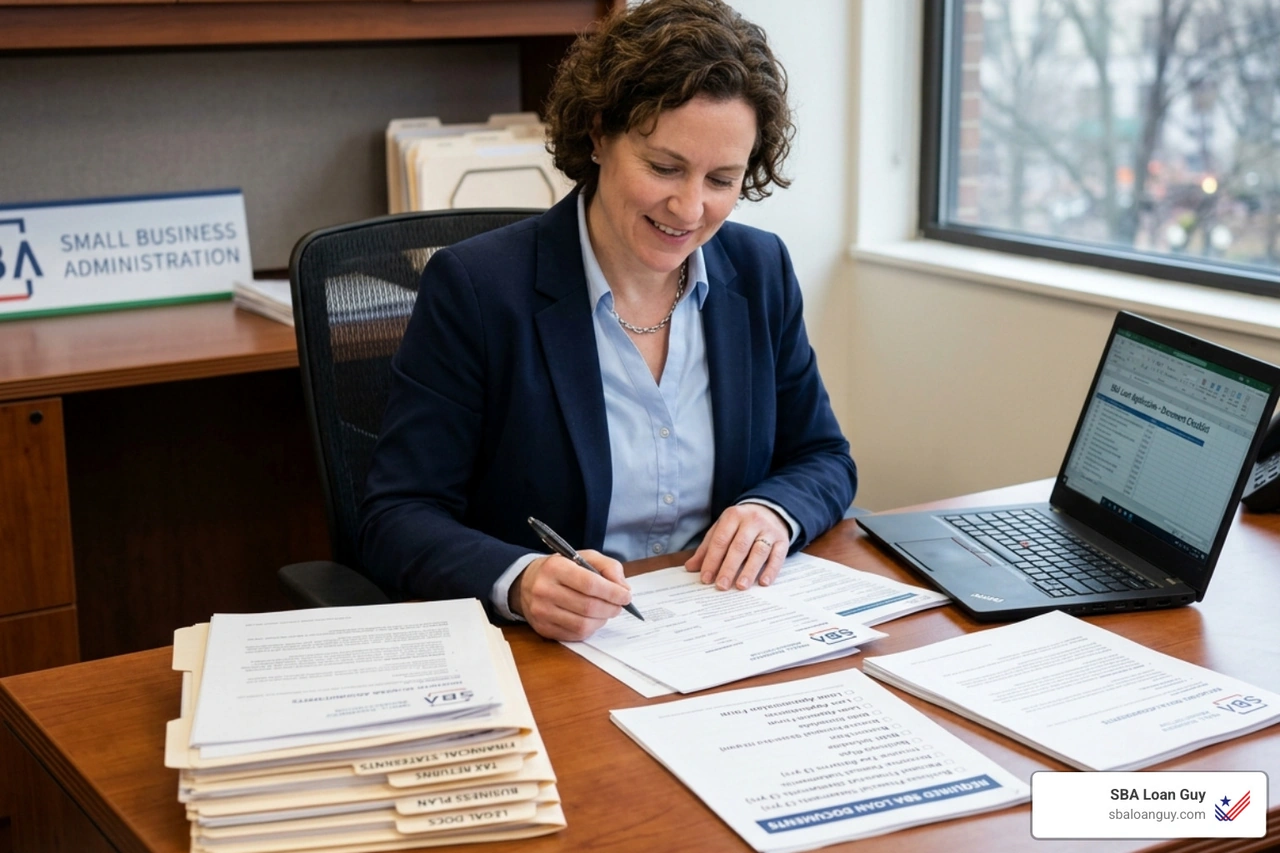
A tailored, step-by-step list of required docs and forms (formats, who provides them, and common pitfalls to avoid).
A realistic week-by-week path from pre-qual to closing, with milestones, dependencies, and an estimated target funding date.
Hands-on prep and documentation for SBA disaster programs (EIDL and others), including submissions, follow-ups, and guidance through appeals or requests for more info.
We prepare your application, match you with the
right lenders, and guide you until funding.