Get the sba loan program details you need to secure funding fast with SBA Loan Guy.
June 12, 2026
SBA loan program details cover a family of government-backed loans designed to help small businesses get funding they might not qualify for through a regular bank.
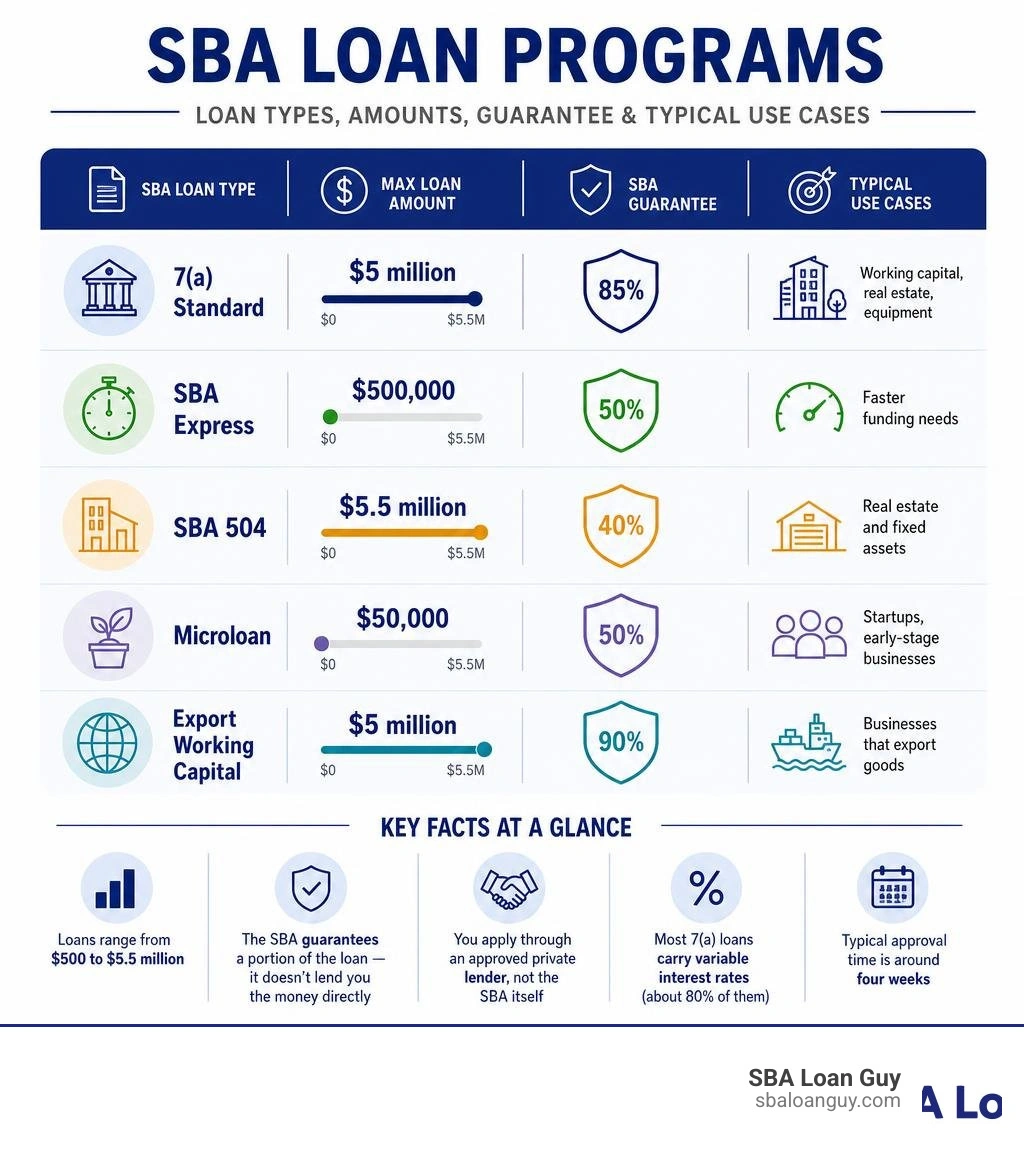
Here's a quick snapshot of the main programs:
Key facts at a glance:
Getting a business loan is already stressful. Add government paperwork, lender jargon, and a dozen different loan types — and it can feel overwhelming fast. The SBA loan system is one of the best funding tools available to small business owners, but only if you understand how it actually works.
That's exactly what this guide breaks down — plainly, clearly, and without the runaround.
I'm Cesar DonDiego, a finance and accounting professional who has worked directly with business owners on cash flow, financial planning, and navigating funding options, including SBA loan program details, so you can make confident, informed decisions. Let's get into everything you need to know.
Terms related to sba loan program details:

To understand how these loans work, we first have to clear up a common myth. The Small Business Administration (SBA) is a government agency, but they do not actually hand you a check.
Instead, they act like a very helpful co-signer.
Imagine you want to buy a car, but you do not have enough credit history. The dealership might say "no." But if your parent steps in and promises to pay the bill if you stop paying, the dealership will happily hand you the keys.
That is exactly what the SBA does for your business. They partner with local banks and lenders to reduce the lender's risk. If you cannot pay the loan back, the government promises to pay back a huge chunk of it. Because of this safety net, banks are much more willing to give you great rates and long payoff terms.
To explore how this setup can help your business thrive, check out the Benefits of SBA Loans and read the official SBA Loan Program Overview.
The magic of the SBA loan program lies in the "guarantee percentage." This is the exact portion of the loan that the government promises to cover if things go south.
The maximum amount of money the SBA will personally risk on a single business is called their "exposure limit." Generally, the SBA will not guarantee more than $3.75 million of a loan. The only exception is for International Trade loans, where the government's exposure limit can go up to $4.5 million.
When you get an SBA loan, the interest rate you pay is negotiated between you and your bank. However, the government sets a "ceiling" (a maximum limit) on how high that rate can go. This keeps banks from charging you unfair prices.
The rates are tied to something called the Prime Rate. Think of the Prime Rate as the base floor of interest. The bank will take the Prime Rate and add a small percentage on top of it.
Most SBA 7(a) loans use variable interest rates—in fact, roughly 80% of them do. This means if the economy changes and the Prime Rate goes up or down, your monthly payment might change too. Only about 20% of borrowers get fixed interest rates, which stay exactly the same forever. To see what lenders are offering right now, take a look at the Current SBA 7(a) Loan Rates.
Here is a quick look at how variable rates are capped based on the size of your loan:
| Loan Amount | Maximum Variable Rate Limit |
|---|---|
| $50,000 or less | Prime Rate + 6.5% |
| $50,001 to $250,000 | Prime Rate + 6.0% |
| $250,001 to $350,000 | Prime Rate + 4.5% |
| Over $350,000 | Prime Rate + 3.0% |
Lenders have to pay an upfront "Guaranty Fee" to the SBA to back the loan. Usually, the lender will pass this fee on to you. For the 2026 fiscal year, this fee ranges from 0.25% to 3.75% depending on how much money you borrow.
If you do really well and want to pay your loan off early, you need to watch out for prepayment penalties. These penalties only apply to loans with payoff times of 15 years or longer (like buying land or a building). If you pay off 25% or more of your loan within the first three years, you will pay a small fee:
There is no such thing as a "one-size-fits-all" business loan. The government has created several different loan paths, each designed for a specific business need.
The 7(a) loan program is the SBA’s primary and most popular business loan program. It is incredibly flexible. You can use it to buy furniture for your office, purchase inventory, buy out a business partner, or keep cash on hand for seasonal dry spells.
The maximum amount you can borrow under a standard 7(a) loan is $5 million.
If you need a flexible line of credit instead of a giant lump sum of cash, the SBA also offers a new option called the 7(a) Working Capital Pilot (WCP) program. This is a special line of credit up to $5 million designed for businesses that need to buy inventory or pay workers while waiting for clients to pay their bills. It is even designed to help cover modern tech costs like AI-related equipment!
To learn more about how to apply and what to expect, read our SBA 7(a) Loans Complete Guide and review the Official 7(a) Loan Guidelines.
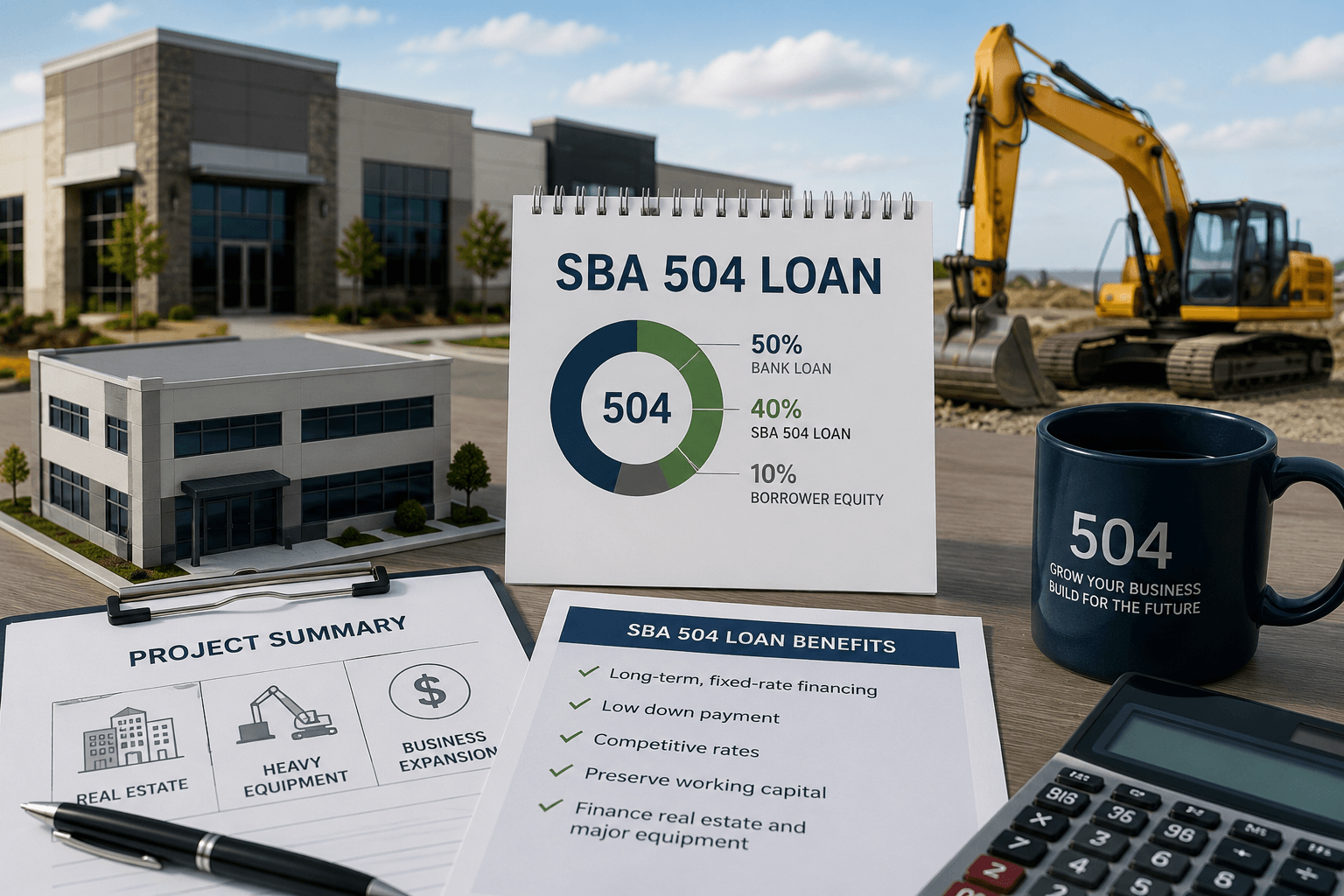
If your goal is to buy a building, construct a new facility, or purchase massive, expensive machinery, the SBA 504 loan program is your best bet.
These loans are structured differently than 7(a) loans. They require a partnership between three players:
Because the risk is split, you get incredibly low, fixed interest rates with payoff terms of up to 25 years. Check out our SBA 504 Loan Program guide to see if this fits your real estate goals.
Standard SBA loans are amazing, but they can require a lot of waiting. If you need cash quickly, the SBA Express program is the way to go.
For a deep dive into this speedy option, read our SBA Express Program Complete Guide.
Before you begin gathering paperwork, you must ensure your business fits into the government's sandbox. The SBA has strict rules about who can and cannot get these loans. For a complete breakdown of what banks look for, read our guide on SBA Loan Requirements.
To be eligible for an SBA-backed loan, your business must meet these foundational standards:
The government also has strict rules about "affiliation." This means if you own parts of multiple businesses, the SBA will look at all of them combined to make sure you are still considered a small business. You can read the official legal guidelines in the SBA Affiliation and Lending Criteria Rules.
Many business owners ask: "Do I have to risk my personal stuff to get an SBA loan?"
The short answer is yes.
The SBA requires an unconditional personal guarantee from anyone who owns 20% or more of the business. This means if the business fails and cannot pay back the loan, the bank can come to you personally to collect the money.
The SBA considers a loan "fully secured" if the value of your business assets (like equipment, inventory, or real estate) equals the loan amount. If your business does not have enough collateral, the lender will look at your personal assets. They may put a lien on your personal home if you have 20% or more equity in it. However, the SBA explicitly tells lenders: do not reject a loan solely because the borrower does not have enough collateral.
If you are using the loan to buy an existing business or make a complete change of ownership, you will need to put some of your own skin in the game. The SBA requires an equity injection of at least 10% of the total project cost.
Navigating sba loan program details can bring up plenty of questions. Here are the answers to the most common things business owners ask us.
On average, it takes about four weeks to get funded once your application is fully submitted. However, this timeline depends heavily on the type of lender you choose.
If you work with a Preferred Lender (a bank that has been given special permission by the government to approve loans in-house), the process is much faster. If you work with a non-preferred lender, they have to send all your paperwork to the SBA for review, which can add weeks to the timeline. For a step-by-step breakdown of how to speed things up, read our guide on the SBA Loan Process.
No. Unlike the temporary COVID-era PPP loans, standard SBA loans (like the 7(a) and 504 programs) cannot be forgiven. You must repay the loan in full according to your agreement. The only SBA loans that may have different repayment paths are specific low-interest disaster recovery loans, but even those must generally be paid back.
The easiest way to find a lender is by using the SBA's online Lender Match tool, which connects you with participating banks. You can also visit your local SBA District Office for free guidance and counseling.
If you are in our local areas, you can reach out to the SBA Illinois District Office in Chicago, or the SBA Houston District Office in Texas for hands-on local support.
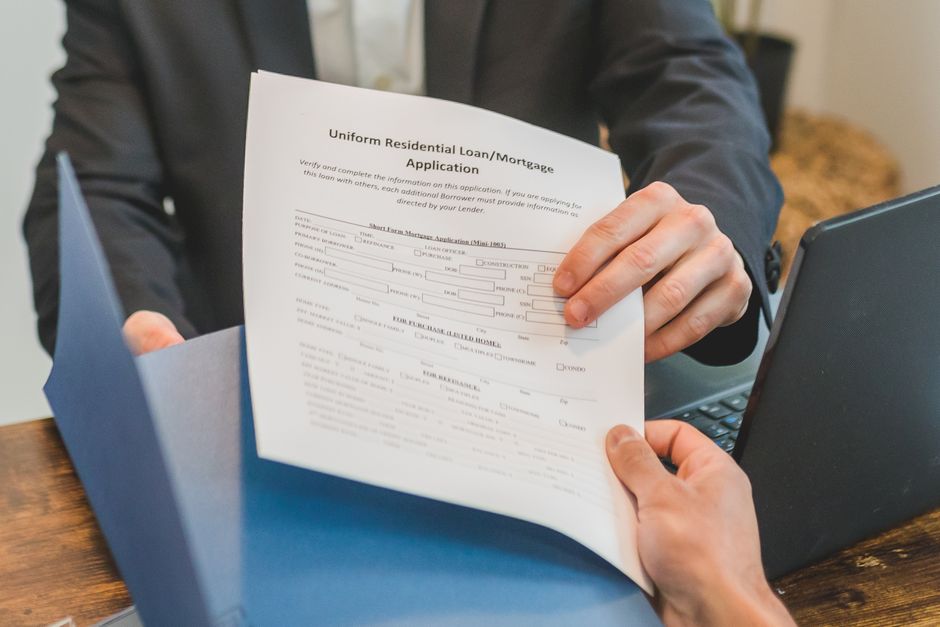
Securing an SBA loan can completely transform your business, but navigating the mountain of paperwork is no walk in the park.
That is where we come in. At SBA Loan Guy, we take the headache out of the process. Based in The Woodlands, TX, we serve business owners across our key locations, including:
We provide a personalized pre-qualification snapshot, match you with the perfect Preferred Lenders, and offer step-by-step guidance to secure your funding.
Ready to take the next step? Let us handle the heavy lifting. Get started today by visiting our SBA Loan Application Assistance page or explore our dedicated program pages:
Let's get your business the funding it deserves! Visit us at SBA Loan Guy to start your journey.

A distilled, 0–100 snapshot of how fundable you are based on credit, cash flow, equity, and documentation. Plus the top fixes to raise your score fast.
A curated shortlist of lenders that fit your profile and use of funds, with why each is a fit and exactly what they’ll want to see.
A tailored, step-by-step list of required docs and forms (formats, who provides them, and common pitfalls to avoid).
A realistic week-by-week path from pre-qual to closing, with milestones, dependencies, and an estimated target funding date.
Hands-on prep and documentation for SBA disaster programs (EIDL and others), including submissions, follow-ups, and guidance through appeals or requests for more info.
We prepare your application, match you with the
right lenders, and guide you until funding.