Master the loan application process step by step with our complete SBA loan guide.
June 29, 2026
A loan application is the official process of requesting money from a lender — and knowing how it works can mean the difference between getting funded and getting rejected.
Here's what the loan application process looks like, step by step:
Many business owners assume the hardest part is finding a lender. In reality, the preparation before you apply is what determines your outcome.
Whether you're looking to expand, buy equipment, or acquire another business, this guide walks you through every step clearly and simply.
I'm Cesar DonDiego, a finance and accounting professional with hands-on experience helping small business owners navigate the loan application process — from organizing financials to structuring their position for approval. My work with over 100 clients has given me a front-row seat to what lenders actually look for, and I'll share that with you here.

Loan application terms at a glance:
When you want to borrow money for your business, you have many choices. Different loans are built for different jobs. Some are for buying big buildings, while others are for buying inventory or paying your workers.
To help you understand your choices, here is a simple breakdown of the most common business loans:
SBA 7(a) Loan
SBA 504 Loan
SBA Microloan
SBA Disaster Loan
Conventional Business Loan
No matter where you live—whether you are looking at local options like the Chicago Community Loan Fund in Illinois, checking out credit unions like Smart Financial CU in Houston, or exploring regional programs like Single Family Housing Direct Home Loans in Florida—the type of loan you choose will change what you need to write on your loan application.
The SBA 7(a) loan is the most popular loan backed by the U.S. Small Business Administration. Think of it like a Swiss Army knife. It can do almost anything! You can use this money for daily needs like paying rent and buying supplies, or you can use it to grow your business by buying out a competitor.
Because the government promises to pay back a big part of the loan if your business cannot, banks are much happier to approve these loans. If you want to learn more about how to apply for this specific loan, you can read our detailed guide on the SBA 7(a) Loan Application. It will help you get your paperwork ready so the bank says "yes" faster!
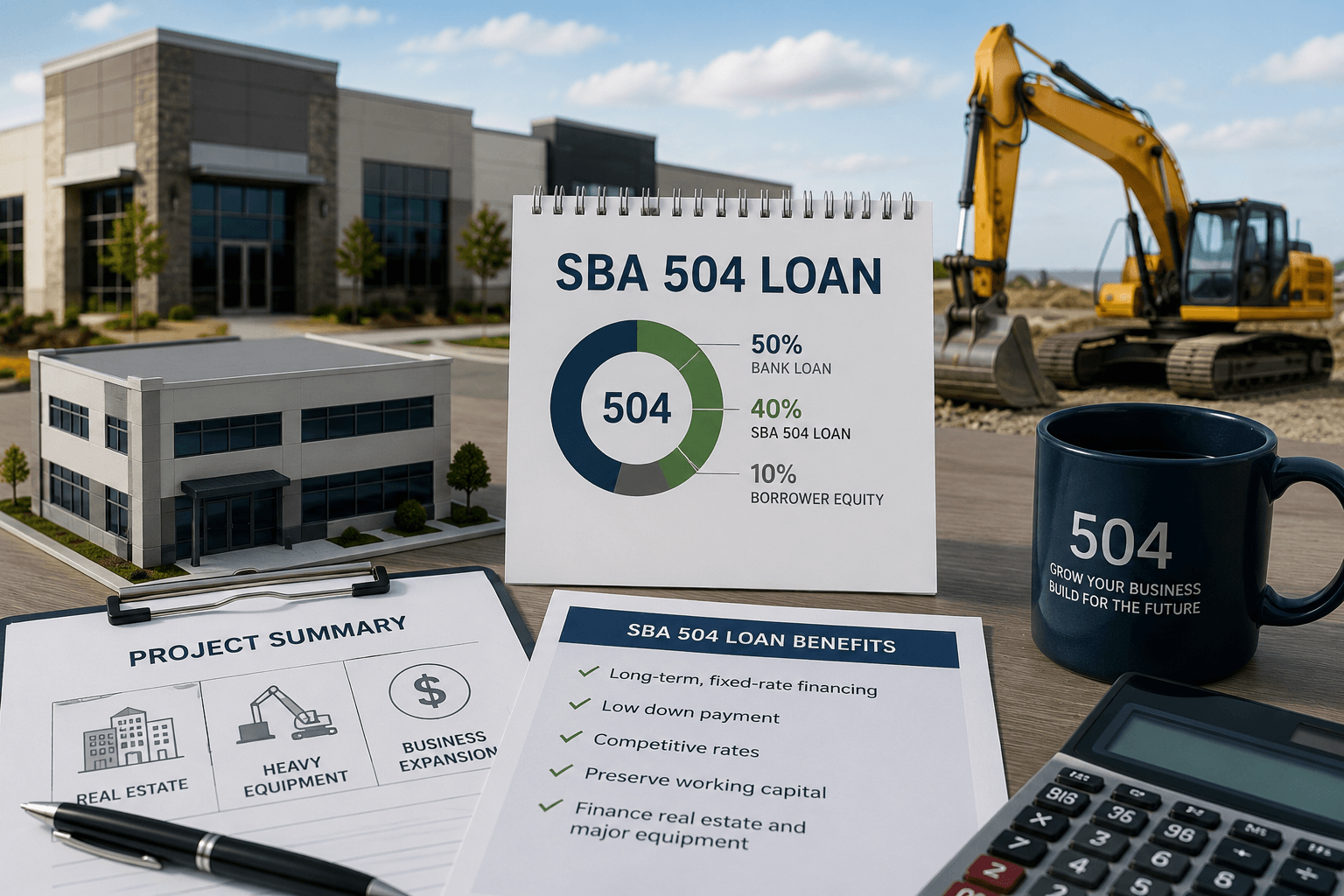
If your business needs a permanent home or a giant machine, the SBA 504 loan is usually the best tool for the job. This loan is special because it is split into three parts:
This structure keeps your down payment low and gives you steady, fixed interest rates for a very long time (up to 25 years). It is a great way to buy commercial real estate in growing markets like San Francisco, New York City, or Orlando without draining all your business savings.
Applying for a loan is like baking a cake. If you do not gather all your ingredients before you start, you will end up with a mess! Taking time to prepare makes the lender's job easy and shows them you are responsible.

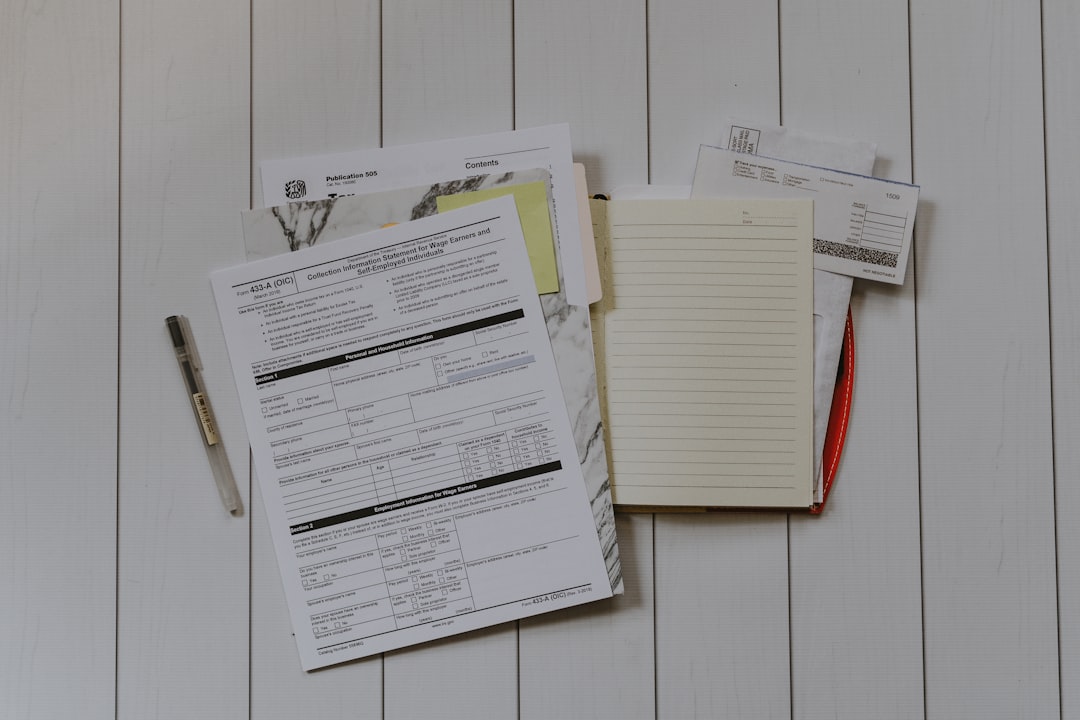
At its simplest, a loan application is a set of forms where you tell a lender who you are, how much money you want, and how you plan to pay it back.
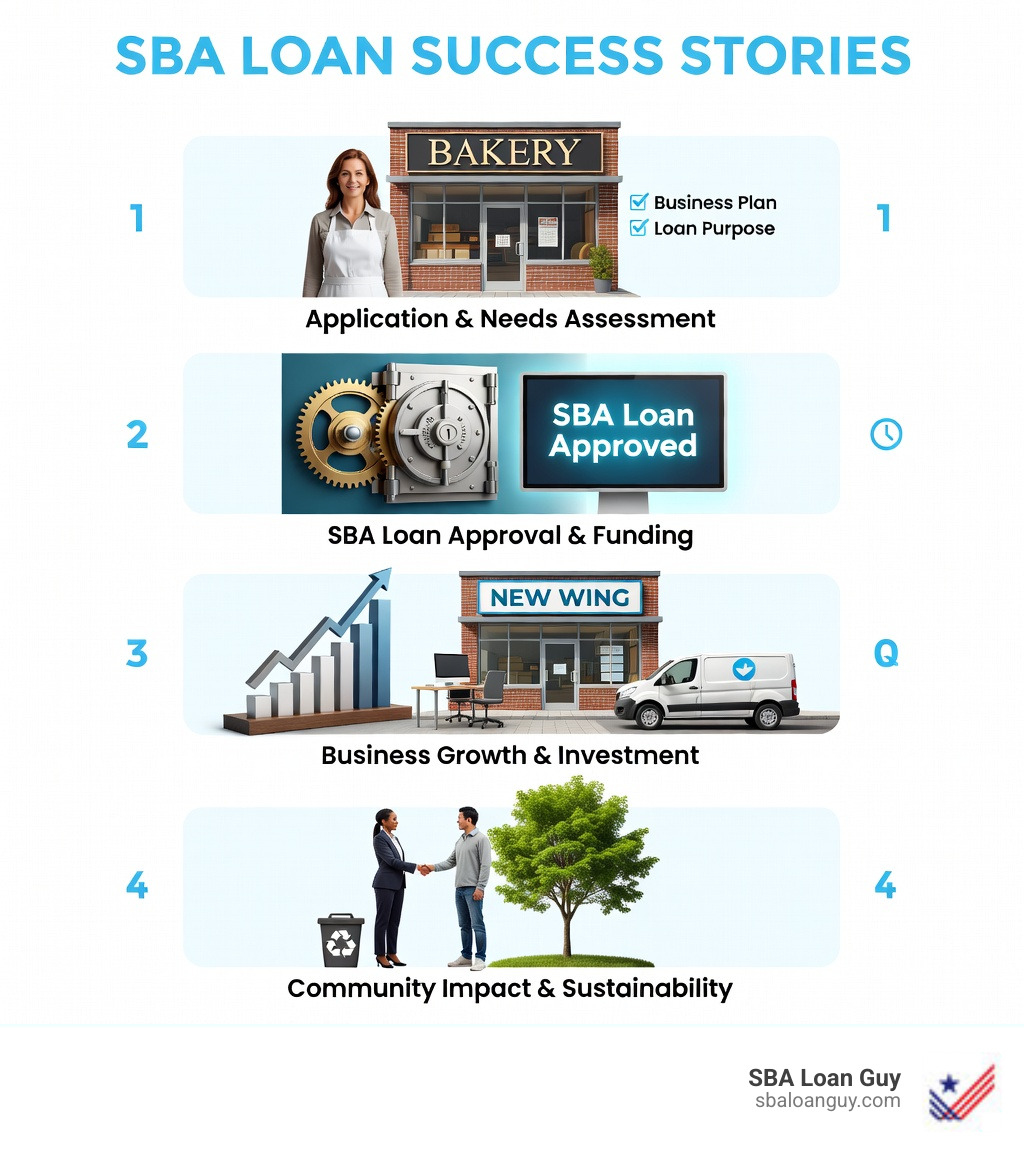
For home loans, banks use standard forms like the Uniform Residential Loan Application. For business loans, the forms ask about your business history, your revenue, and your personal financial health. You can read our complete SBA Loan Application Guide to see exactly how the steps flow from your first thought to the day the money lands in your bank account.
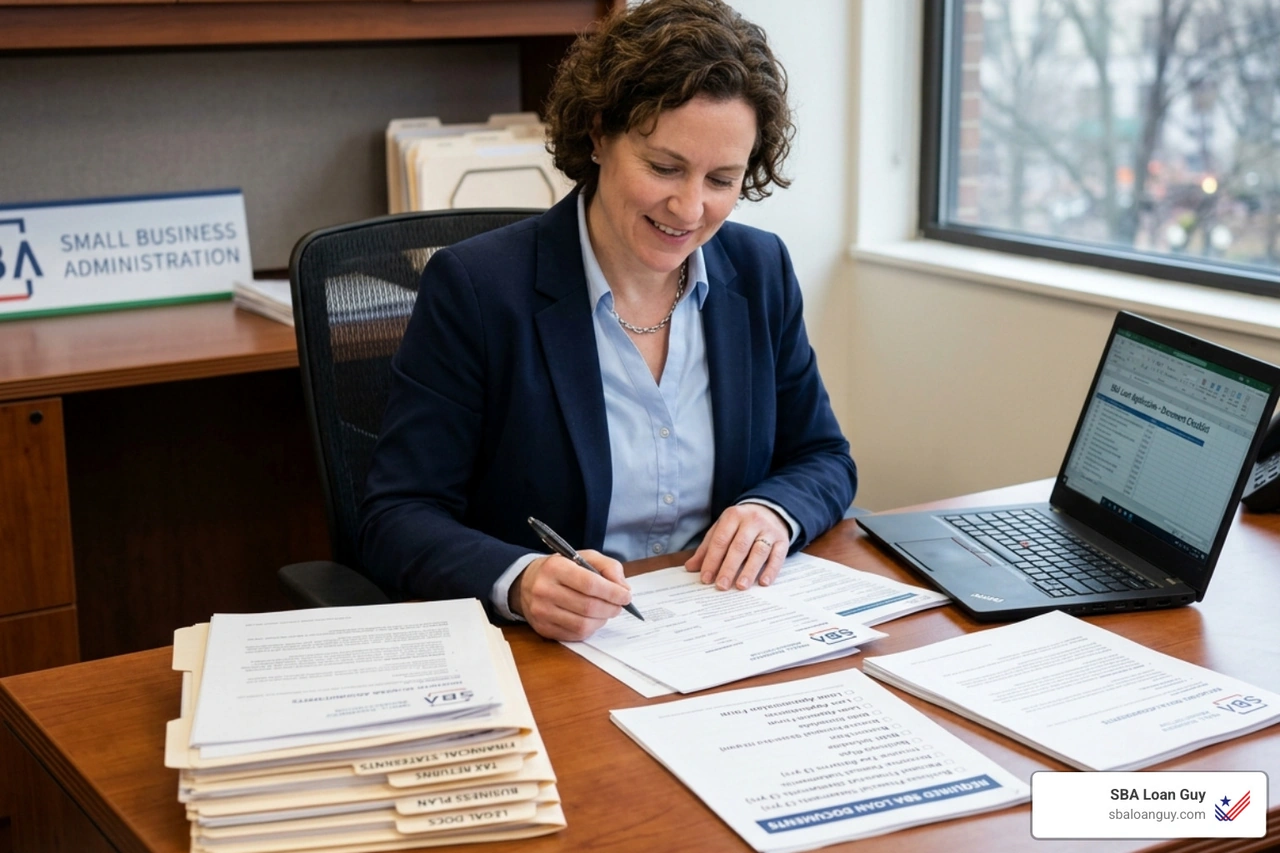
Lenders do not just take your word for it—they need proof! To speed up your loan application, you should gather these documents into a neat folder on your computer:
Having these ready is crucial. For a full checklist of what to prepare, check out our guide on SBA Loan Required Documents so you do not leave anything out.
Once you hand over your loan application, the lender starts acting like a detective. They have to make sure you are who you say you are, and they have to decide if you are safe to lend money to.

The submission process has two main stages:
Lenders use a few main rules to decide if you get the loan. The most famous is your credit score. This is a three-digit number that tells lenders how good you have been at paying back money in the past.
They also look at your Debt-to-Income (DTI) ratio. This is a simple math problem: they add up all your monthly debt payments and divide them by your monthly income. If too much of your money is already going to pay off other debts, lenders will worry you cannot afford a new payment.
To make sure you meet all the basic rules before you apply, read through the official SBA Loan Requirements.
Loans are not free. When you borrow money, you have to pay it back plus extra money called interest and fees. Understanding these costs helps you avoid nasty surprises.
Here are the main costs you will see on a loan application:
As a borrower, you have laws that protect you. Lenders must follow strict rules:
Whether you are looking at state-specific programs like the California Dream For All program or applying for a business loan in Indiana, these federal protections keep you safe.
We know that applying for a loan can feel overwhelming. Here are quick, simple answers to the questions we hear most often.
It depends on the loan! Some personal loans can put money in your account in as fast as 1 hour after closing. However, business loans take longer because there is more paperwork to check. An SBA loan typically takes anywhere from a few weeks to 45 days. You can read our detailed breakdown on How Long Does SBA Loan Process Take to help you plan your business timeline.
If you are just checking your rate to see what you qualify for, the lender will perform a soft credit inquiry. This does not affect your credit score at all! It is only when you submit a formal loan application and ask for a final decision that the lender does a hard credit inquiry, which can temporarily lower your score by a few points.
Think of a soft credit check like looking at your own credit report or a lender checking your credit for a pre-approved offer. It is private and does not leave a mark.
A hard credit check is like an official background check. It happens when you actually apply for credit (like a credit card, auto loan, or business loan). It shows up on your credit history so other lenders can see you are trying to borrow money.
Mastering the loan application process does not have to be scary. By understanding the different types of loans, gathering your documents early, and knowing how lenders grade your credit, you can apply with total confidence.
At SBA Loan Guy, we help take the stress out of borrowing. We assist you with preparing your paperwork, matching you with the perfect lenders from our trusted network, and guiding you through every single step of the process.
Are you ready to see what is possible for your business? Start today by visiting the SBA Loan Guy homepage to get your risk-free pre-qualification snapshot. Let's build something great together!

A distilled, 0–100 snapshot of how fundable you are based on credit, cash flow, equity, and documentation. Plus the top fixes to raise your score fast.
A curated shortlist of lenders that fit your profile and use of funds, with why each is a fit and exactly what they’ll want to see.
A tailored, step-by-step list of required docs and forms (formats, who provides them, and common pitfalls to avoid).
A realistic week-by-week path from pre-qual to closing, with milestones, dependencies, and an estimated target funding date.
Hands-on prep and documentation for SBA disaster programs (EIDL and others), including submissions, follow-ups, and guidance through appeals or requests for more info.
We prepare your application, match you with the
right lenders, and guide you until funding.