Gather your sba loan required documents fast: eligibility checklists, tax returns, forms 1919/413/912, and tips to avoid delays for 2026 SBA loans.
May 26, 2026
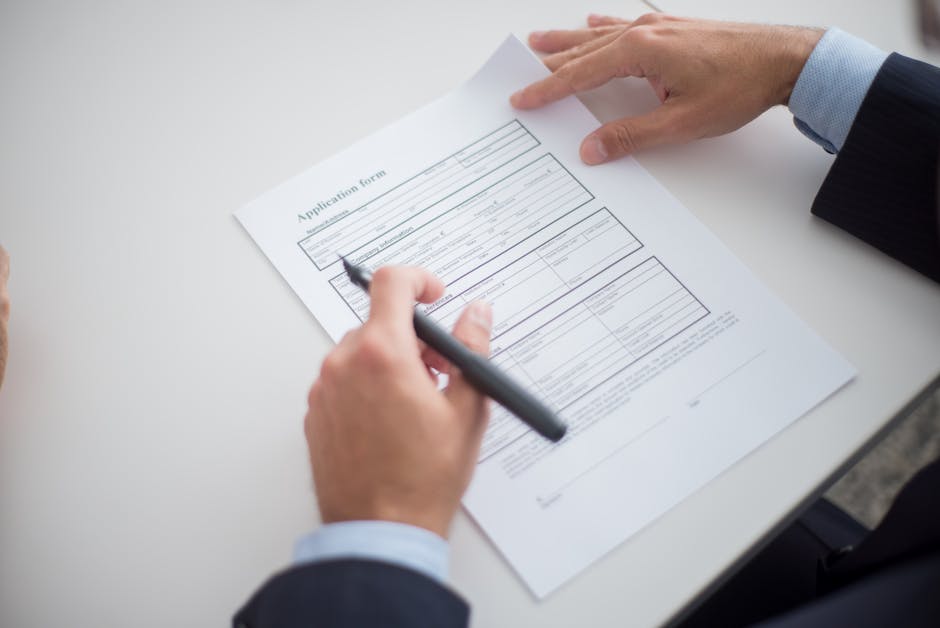
The sba loan required documents you submit can make or break your loan approval. Here is a quick look at what most lenders will ask for:
Core SBA Loan Documents at a Glance:
If you have ever applied for an SBA loan, you know the feeling. You think you have everything ready. Then the lender asks for one more document. Then another. Then another. It feels like the list never ends.
You are not alone. The documentation process is one of the biggest reasons SBA loans take longer than they should. Not because the documents are hard to find — but because most borrowers don't know exactly what to gather before they start.
The good news? When you know the full list upfront, the whole process gets a lot smoother.
I'm Cesar DonDiego, a finance and accounting professional with hands-on experience helping small business owners organize their financials, prepare accurate statements, and understand exactly what lenders need — including the full set of SBA loan required documents. My background in bookkeeping, tax preparation, and cash flow planning means I have seen how the right financial preparation can be the difference between a fast approval and a frustrating delay.
Sba loan required documents word guide:
Before we dive into the mountain of paper, we need to make sure your business fits the SBA mold. The SBA doesn't actually lend you the money; they just promise the bank that they will pay back a part of the loan if you can't. Because they are taking this risk, they have some rules.
First, your business must be "for-profit." If you are a non-profit, the SBA programs aren't for you. You also need to do business in the United States and meet the SBA "size standards." Usually, this means you aren't a giant corporation. You also need to show that you tried to get a loan elsewhere and couldn't get the same good terms.
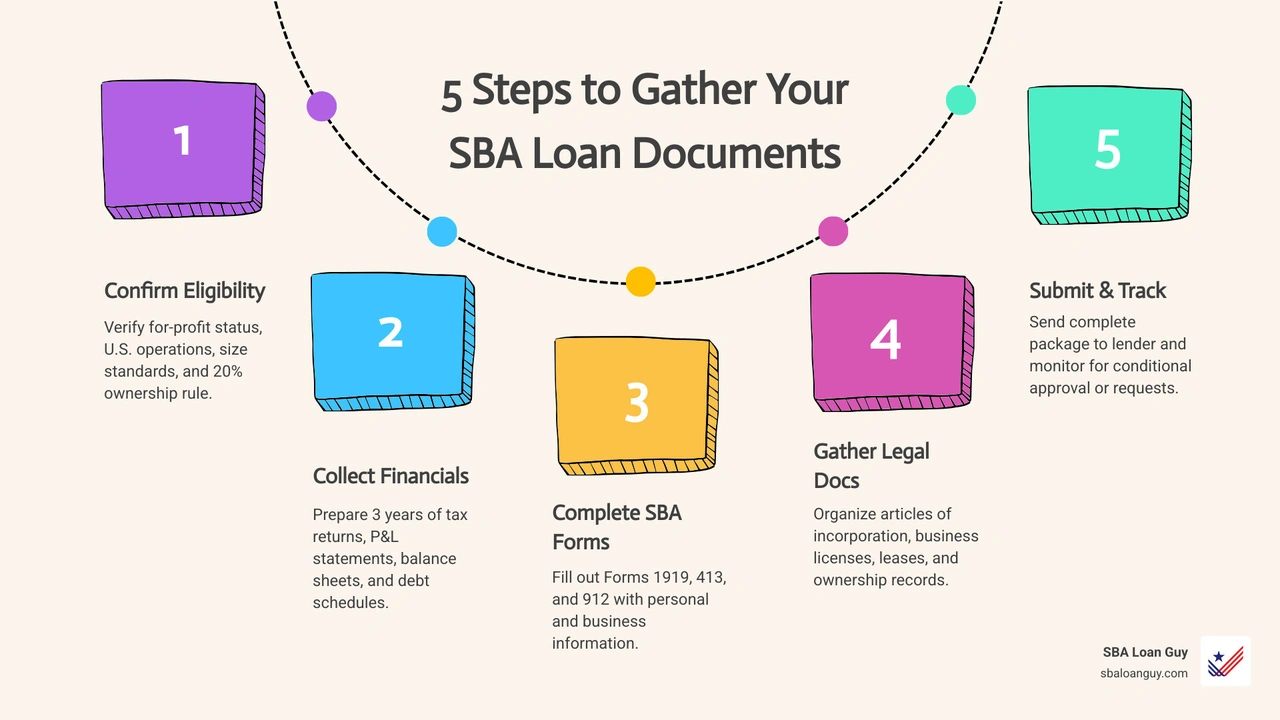
One big rule to remember is the "20% ownership rule." Anyone who owns 20% or more of the business must provide their personal information and a personal guarantee. This means if the business can't pay, the owners are on the hook.
To stay organized, you should follow the official SBA loan application checklist to ensure nothing slips through the cracks.
Different loans have different limits. Here is how the big three look in 2026:
Things changed a bit as we moved into 2026. One of the biggest updates is the "sunsetting" of the FICO SBSS score. For a long time, the SBA used this special business credit score to quickly grade small loans under $350,000. As of March 1, 2026, the SBA stopped using this score. Now, lenders look more at your actual cash flow and character.
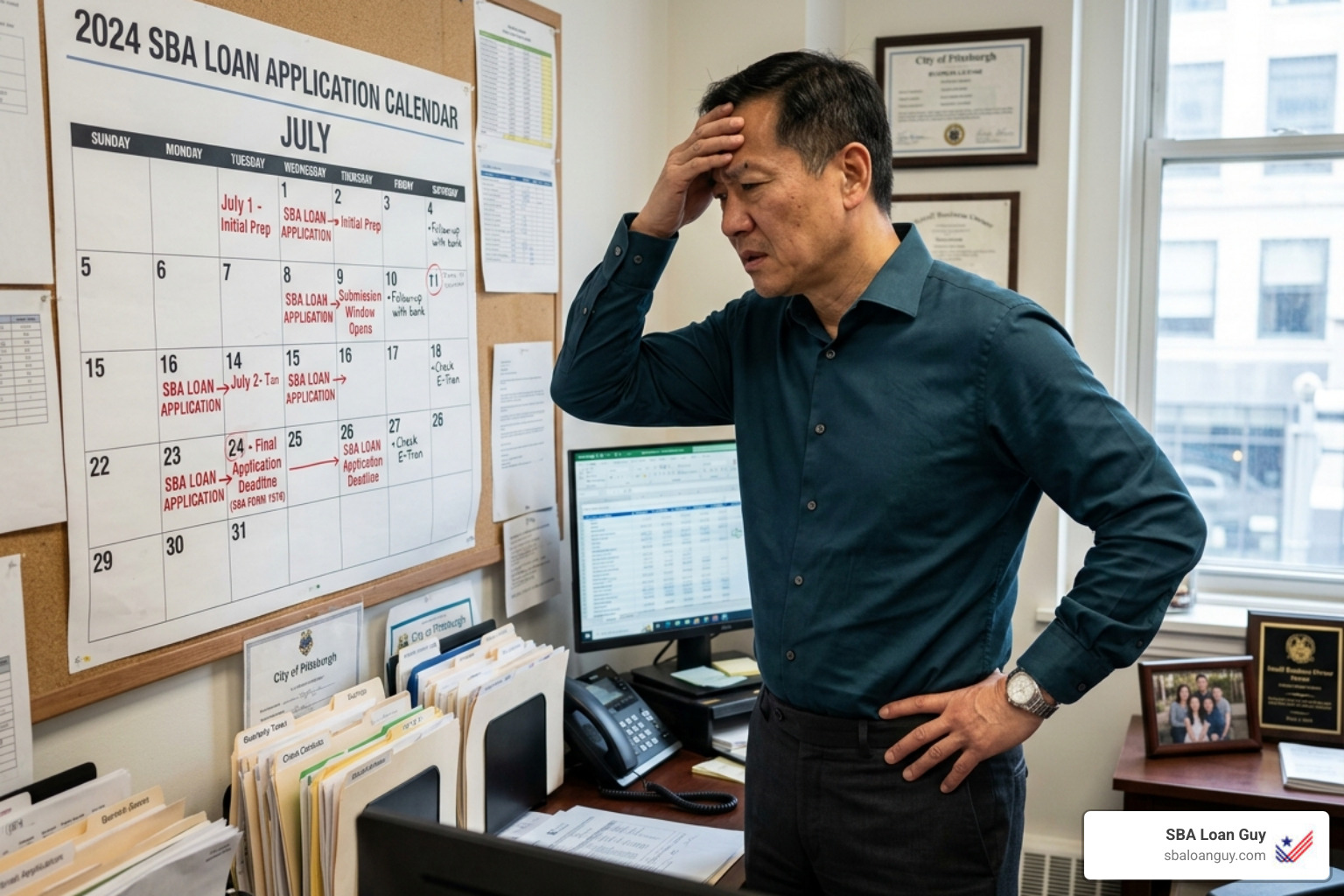
Another big change involves who you tell the SBA about. Lenders now need to list at least 81% of the "beneficial owners" in the SBA's computer system (called E-Tran). They also need the Date of Birth (DOB) for every owner. If you are wondering how to apply for an SBA loan under these new rules, the key is to be very clear about who owns what.
It might feel like the bank is being nosy, but they need to do a "character check." They want to know if you are a person who pays their bills. They will look at your personal credit history and ask about any past legal troubles. This is why you'll see more info about SBA 7(a) loans focusing on the owner just as much as the business. They aren't just lending to a company; they are lending to you.
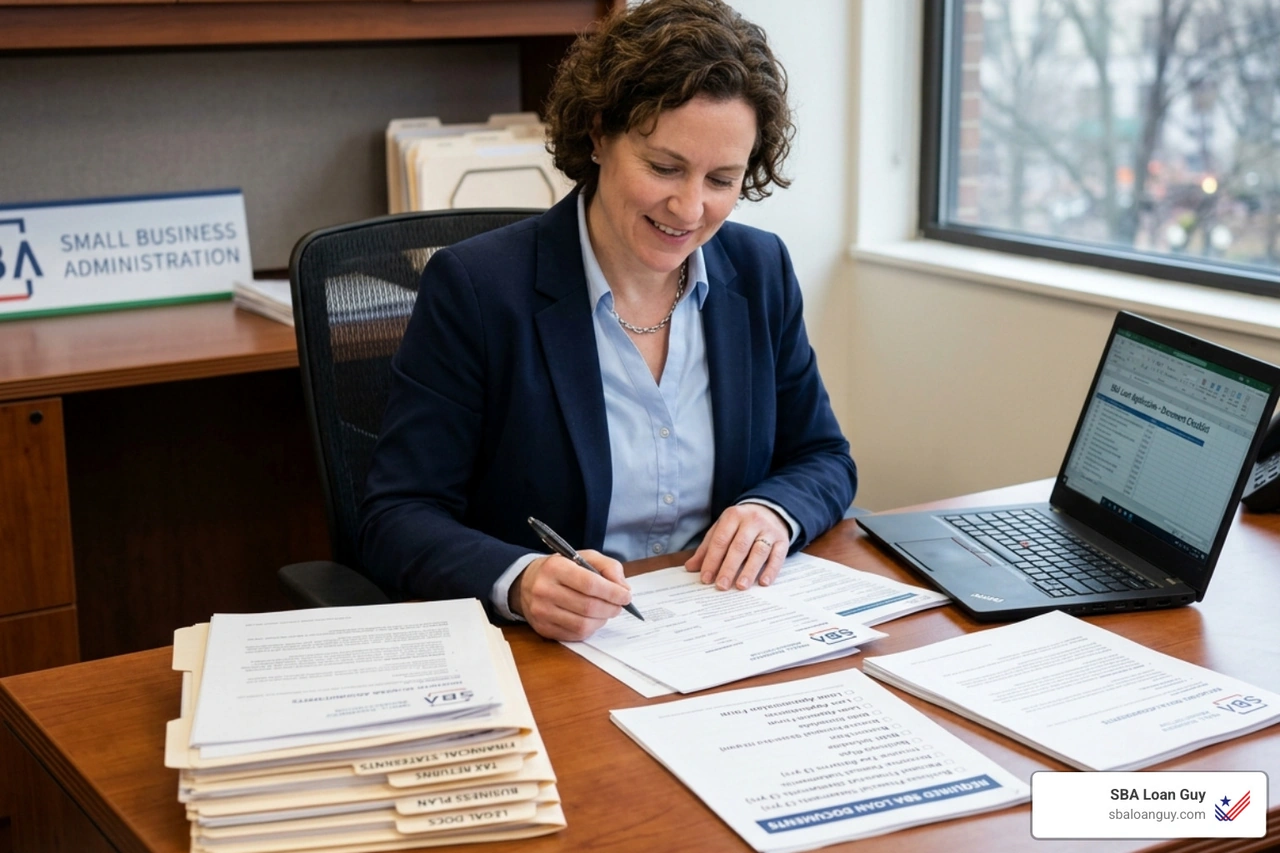
Now we get to the "meat and potatoes" of the sba loan required documents. Lenders love numbers. They want to see where your money came from and where it is going.
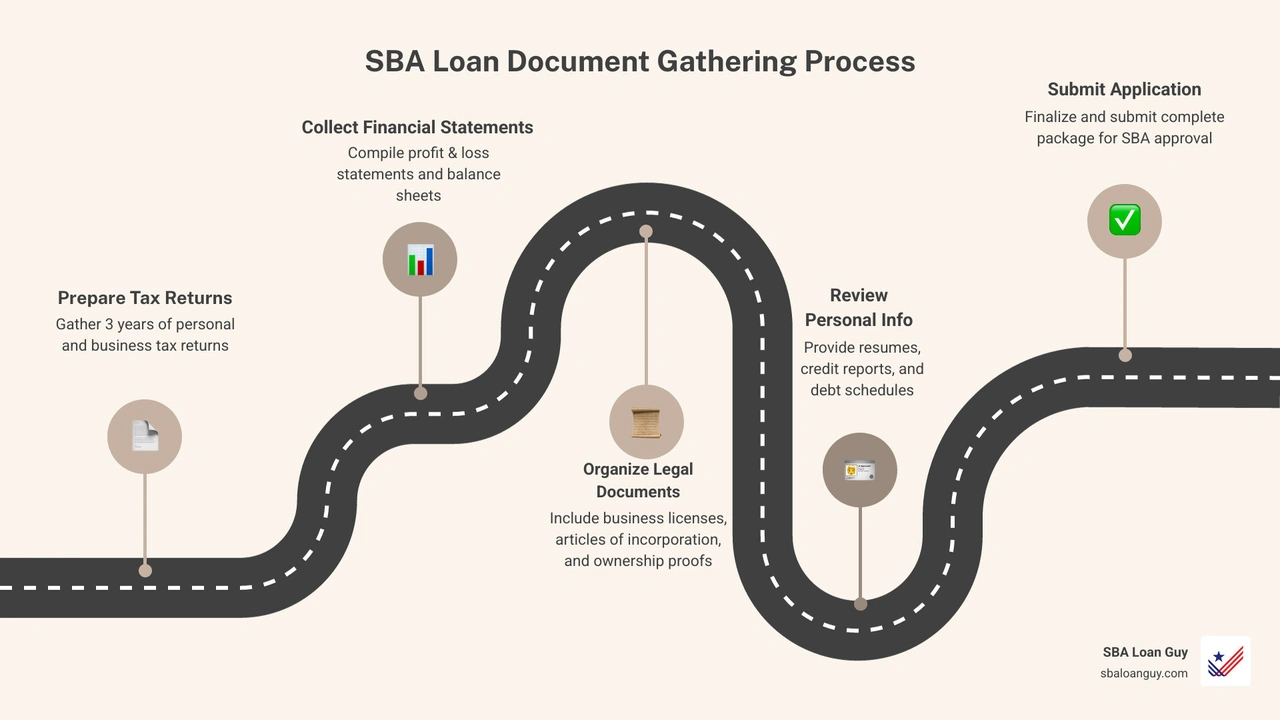
You will need to provide three years of federal income tax returns for both you and your business. If you haven't been in business that long, provide what you have. You also need a "Profit and Loss" (P&L) statement that is current within the last 90 days. This shows how much money you made and spent recently.
A "Balance Sheet" is also required. Think of this as a snapshot of what your business owns (assets) and what it owes (liabilities) on a specific day. You'll also need a "Debt Schedule," which is just a list of all the other loans your business is currently paying off.
For smaller loans, you can use the SBA small loan submission checklist to make sure you have the basics. Don't forget your legal papers! This includes your Articles of Incorporation, business licenses, and your commercial lease if you rent your office or shop.
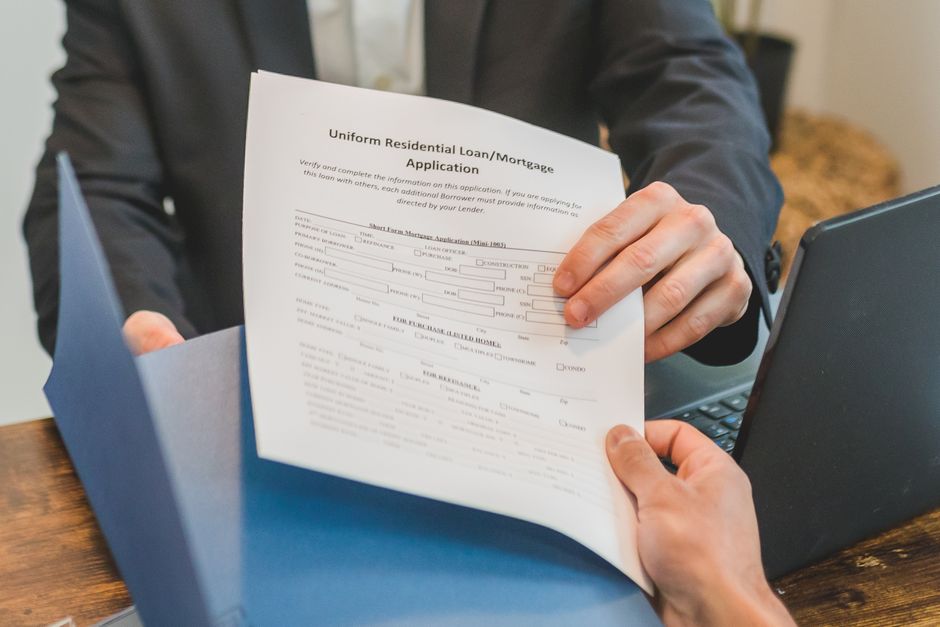
There are three main SBA forms you will get to know very well:
For more details on these, check out this guide on documentation for SBA loan requirements.
The lender’s biggest fear is that you won't pay them back. To ease their mind, they look at your "Debt Service Coverage Ratio" (DSCR). In simple terms, they want to see that your business makes enough profit to cover your new loan payments at least 1.15 times over. If your loan payment is $1,000, they want to see at least $1,150 in profit available to pay it. If you need a faster process, you might look into more info about SBA Express loans, which have fewer forms but still require proof of income.
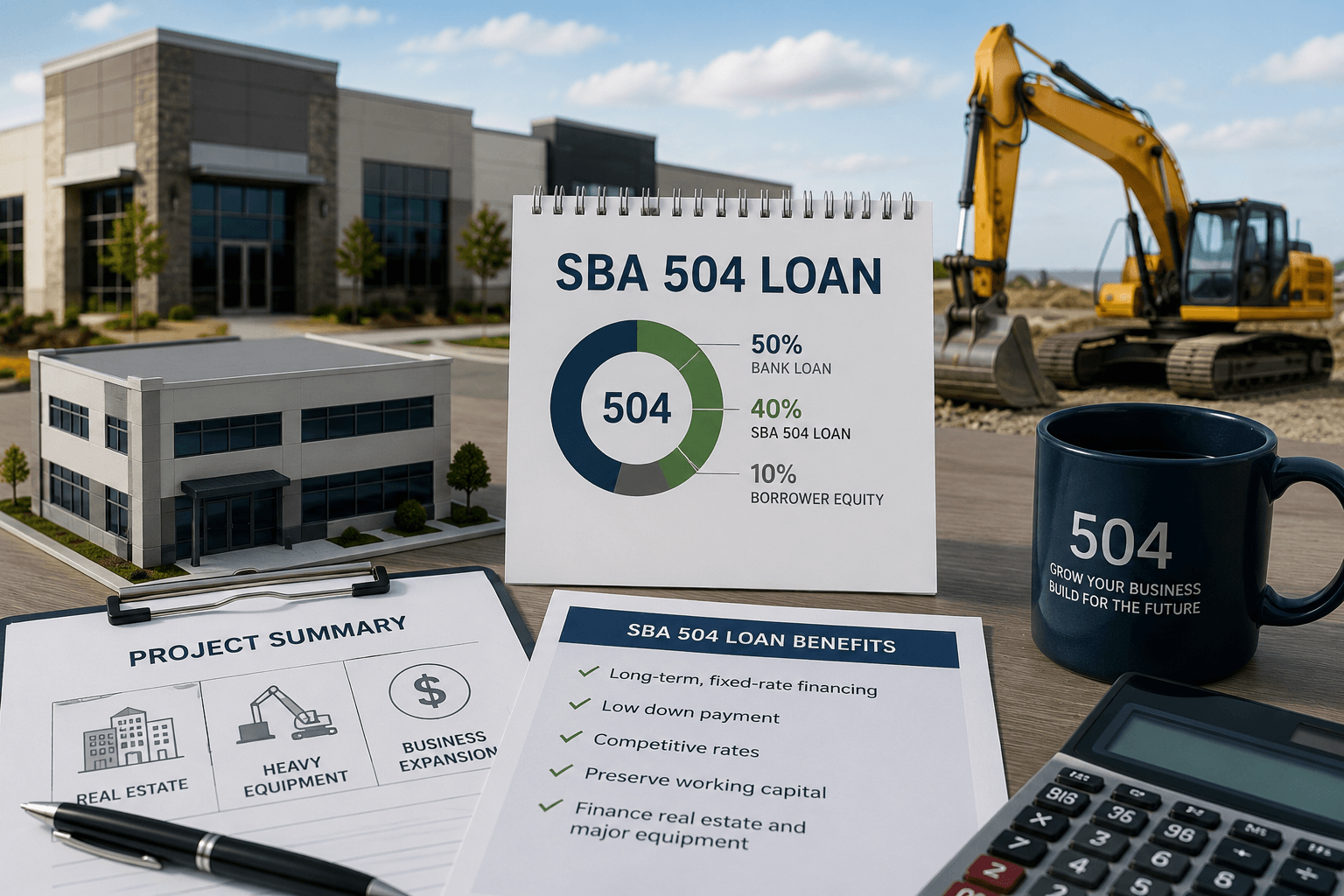
If you are using the money to buy a building or another business, the paperwork gets even more specific. For real estate, the SBA 504 loan is common. One big rule here is "owner-occupancy." You (your business) must use at least 51% of the building. You can't just buy it and rent the whole thing out to others.
You will also need an "environmental review." This is a report that proves the land isn't contaminated with old chemicals or oil. If you are in certain states, like if you are looking for SBA loan requirements in Florida, there might be local rules about flood zones or coastal protections to document as well.
For any big purchase, you need "equity injection proof." This is a fancy way of saying you need to show where your down payment came from. Lenders usually want to see 30 to 90 days of bank statements to prove the money has been sitting in your account and wasn't just borrowed from a friend yesterday.
Buying a business is exciting, but it’s a lot of work. You will need a "Letter of Intent" (LOI) or a purchase agreement that shows the price and what exactly you are buying (like the equipment and the customer list). You also need the seller's tax returns for the last three years. If the seller won't show them, that's a red flag! In times of trouble, such as after a natural disaster, you might also look for more info about SBA Disaster loans, which have their own specific set of required documents to prove the damage and loss.
We see loans get delayed all the time for simple mistakes. The #1 reason? Inconsistent numbers. If your tax return says you made $100,000 but your P&L says you made $150,000, the lender is going to stop everything and ask why.
Tips for a smooth ride:
For a deeper dive into the 7(a) specifics, read What Documents Do I Need to Apply for an SBA 7(a) Loan? to ensure you are fully prepared.
Don't panic! As of late 2025, almost 17% of all 7(a) loan funds went to startups. If you are a new business, you won't have three years of tax history. Instead, you will need a very strong "Business Plan" and "Financial Projections." This is a document that explains how you will make money over the next two years.
Usually, no. You don't want to spend $3,000 on an appraisal if you aren't sure you'll get the loan. Most lenders will give you a "conditional commitment" first. This means they say, "We will give you the loan if the building is worth what you say it is." Then, the lender will order the appraisal.
The SBA charges a fee to guarantee your loan. In 2026, these are tiered:
Gathering your sba loan required documents doesn't have to be a nightmare. It’s all about being prepared and staying organized. At SBA Loan Guy, we specialize in taking the stress out of this process. Whether you are in The Woodlands, TX, Houston, Chicago, or New York City, we are here to help.
We offer a personalized pre-qualification snapshot to see where you stand before you talk to a bank. We match you with the right lenders who actually want to fund your type of business, and we guide you through every single form until the money hits your account.
Ready to stop worrying about paperwork and start growing your business? See if you pre-qualify with us today!

A distilled, 0–100 snapshot of how fundable you are based on credit, cash flow, equity, and documentation. Plus the top fixes to raise your score fast.
A curated shortlist of lenders that fit your profile and use of funds, with why each is a fit and exactly what they’ll want to see.
A tailored, step-by-step list of required docs and forms (formats, who provides them, and common pitfalls to avoid).
A realistic week-by-week path from pre-qual to closing, with milestones, dependencies, and an estimated target funding date.
Hands-on prep and documentation for SBA disaster programs (EIDL and others), including submissions, follow-ups, and guidance through appeals or requests for more info.
We prepare your application, match you with the
right lenders, and guide you until funding.