August 19, 2026
Buying an existing business is one of the most common uses of an SBA 7(a) loan, and also one of the trickiest to get right, because lenders are underwriting the business you're buying, not just you.
Clean, verifiable financials from the seller, usually 2-3 years
A purchase price that's reasonably supported by a valuation
Cash flow strong enough to cover the new debt payment on top of normal operations
A buyer with relevant experience or a credible transition plan
Can I buy a business with $0 down?
In some structured deals, particularly partner buyouts, yes, but it depends heavily on how the deal is put together.
Does the seller need to be involved in financing?
Often, yes. A seller note or standby note is common and can strengthen the deal in a lender's eyes.
Acquisition financing lives or dies on the quality of the target business's financials and how the deal is structured. Visit our blog for more, or reach out before you sign a letter of intent.
U.S. Small Business Administration
SCORE — free SBA business mentoring

A distilled, 0–100 snapshot of how fundable you are based on credit, cash flow, equity, and documentation. Plus the top fixes to raise your score fast.
A curated shortlist of lenders that fit your profile and use of funds, with why each is a fit and exactly what they’ll want to see.
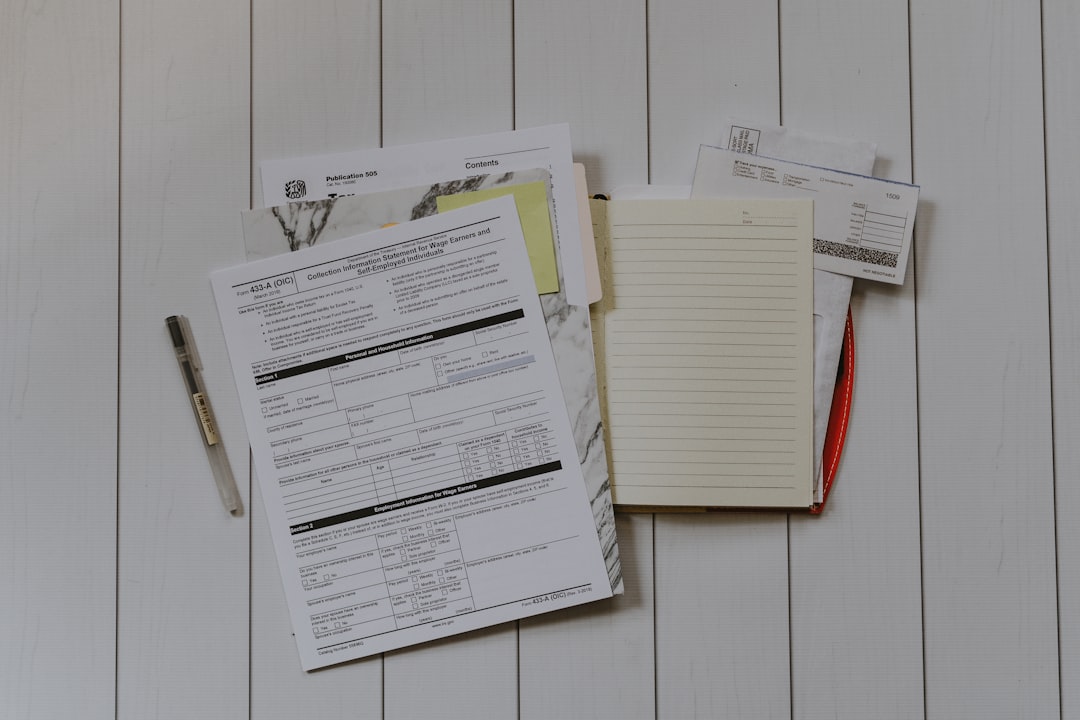
A tailored, step-by-step list of required docs and forms (formats, who provides them, and common pitfalls to avoid).
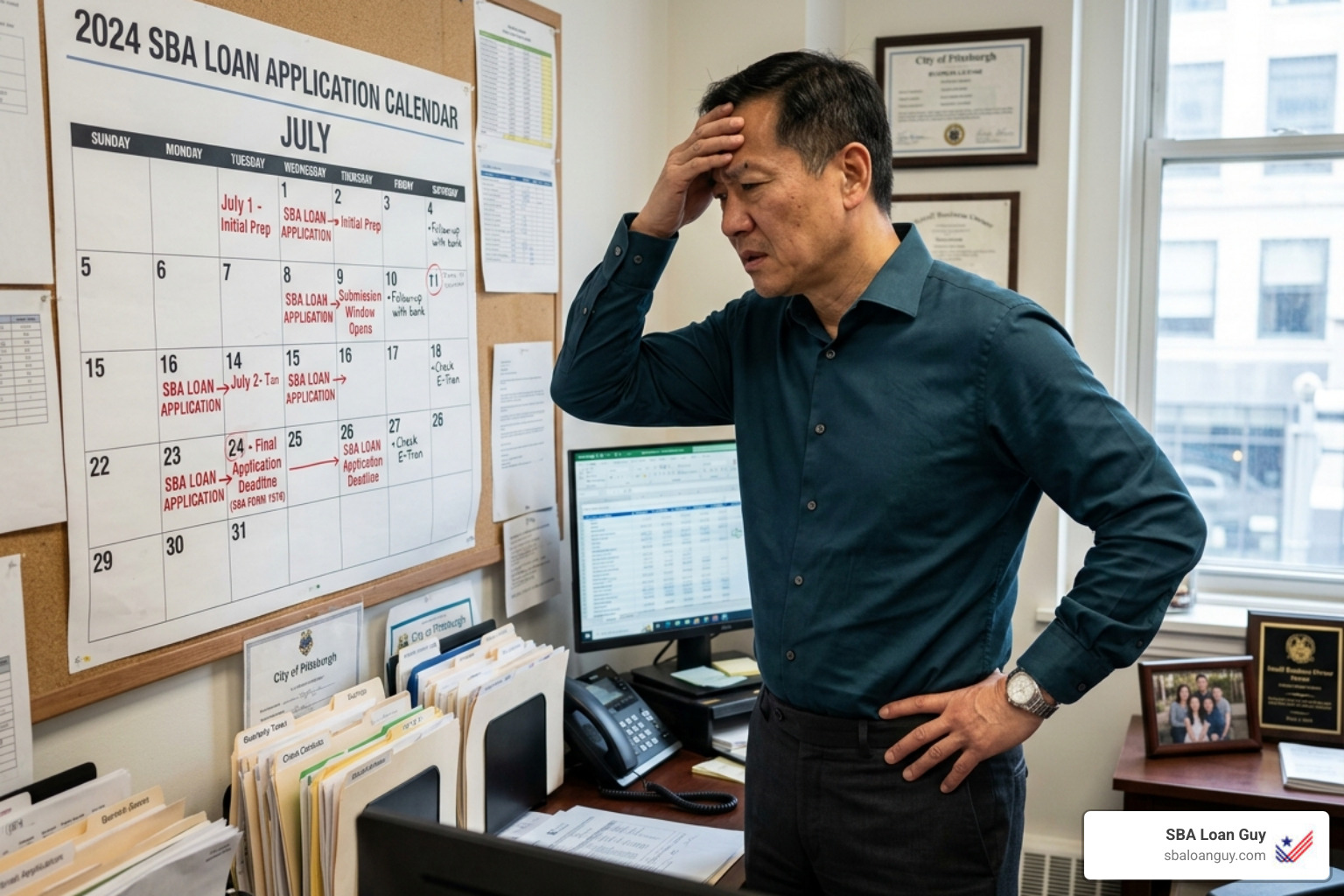
A realistic week-by-week path from pre-qual to closing, with milestones, dependencies, and an estimated target funding date.
Hands-on prep and documentation for SBA disaster programs (EIDL and others), including submissions, follow-ups, and guidance through appeals or requests for more info.
We prepare your application, match you with the
right lenders, and guide you until funding.