Understand EIDL personal guarantee rules, risks, defaults, repayment options & relief in 2026. Protect your assets now!
May 28, 2026
An eidl personal guarantee is a promise. It means if your business cannot pay back its loan, you have to pay it yourself using your own money, house, or car. Here is how it works:
| Loan Amount | Do you need to show assets? | Do you have to promise to pay personally? |
|---|---|---|
| $25,000 or less | No | No |
| $25,001 - $200,000 | Yes (business stuff) | No |
| Over $200,000 | Yes (business stuff) | Yes |
The big rule: If your loan was more than $200,000, anyone who owns 20% or more of the business had to sign this promise. This means you are responsible, not just the business.
Many people took these loans during the pandemic to save their businesses. Now, in 2026, it is time to pay them back. Some owners are just now finding out what they signed.
A personal guarantee stays with you even if your business closes. Whether you are paying on time or falling behind, you need to know your options.
This is why the loan papers matter so much. A lot of owners thought the business alone would owe the debt. But once a personal guarantee is signed, the SBA may look to the owner too. That can change how you plan, how you save money, and how fast you need to act if the business is struggling.
I am Cesar DonDiego. I help business owners with money and loans. I have seen how these guarantees work and I can help you understand what to do next.
Learn more about loan rules here:
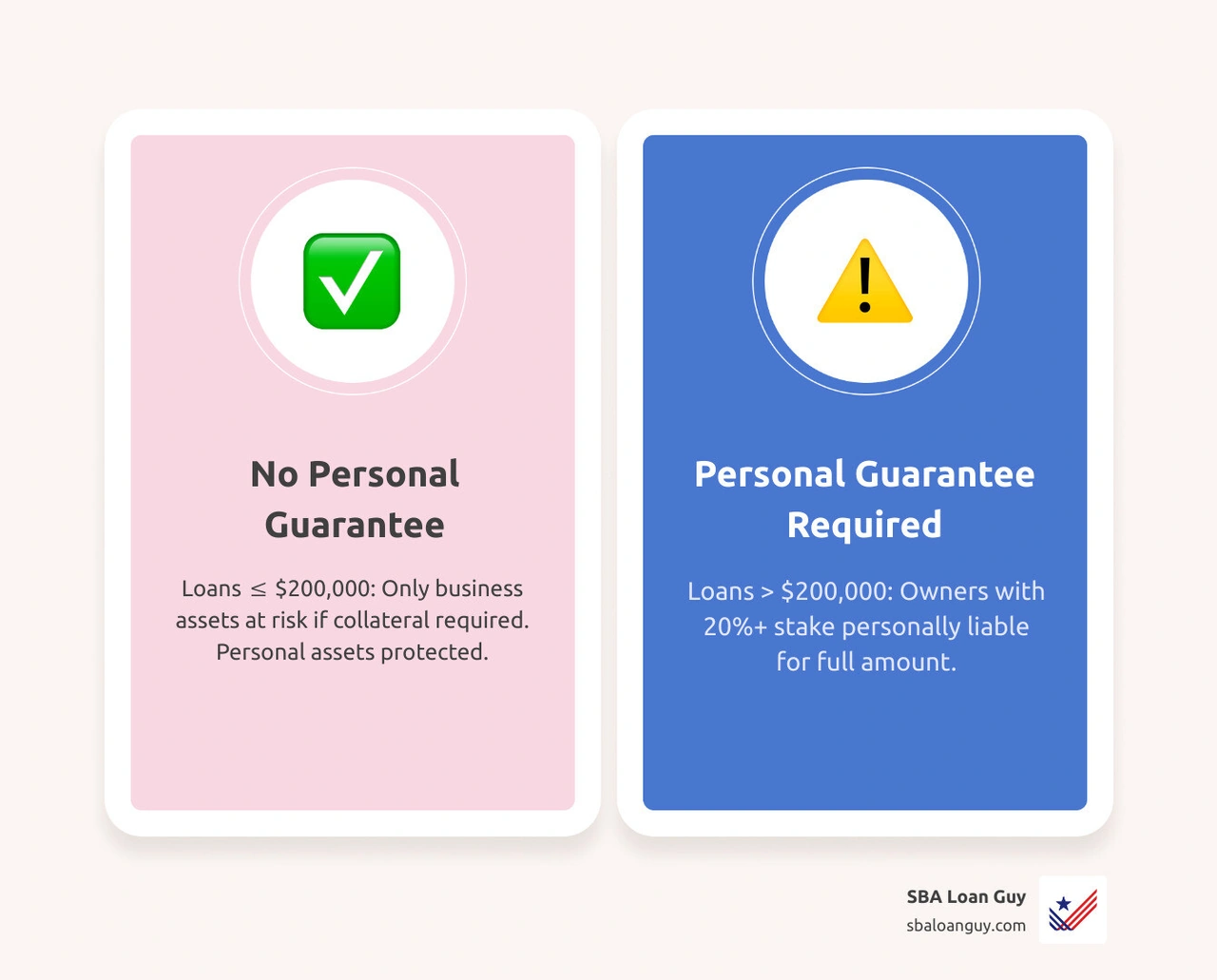
The SBA used different rules based on how much money you borrowed.

That middle group is important too. Even without a personal guarantee, the SBA can still look at what the business owns. That may include tools, machines, office items, or other business property. So even smaller loans can still create real problems if the business cannot keep up.
You can read more about these rules here: Are EIDL Loans Personally Guaranteed? Rules and Risks - LegalClarity.
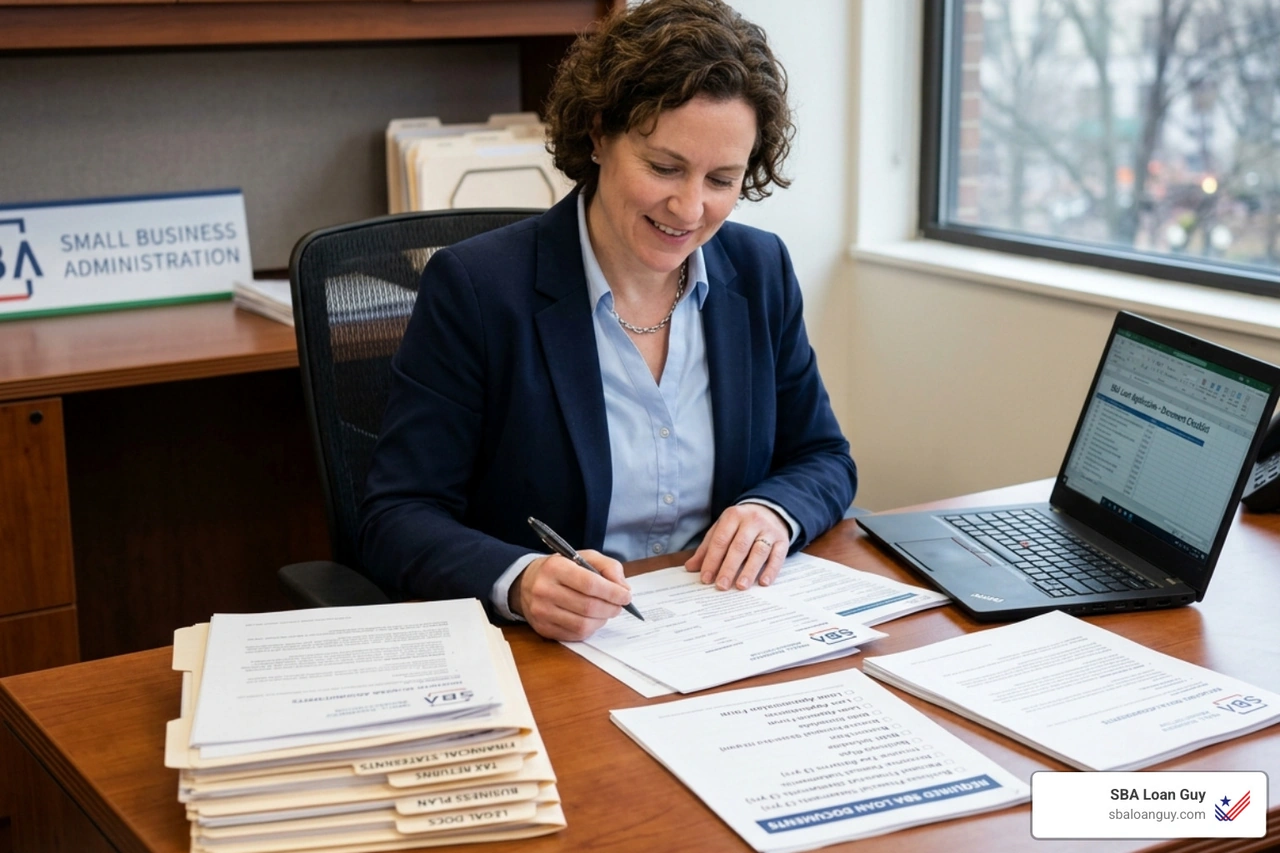
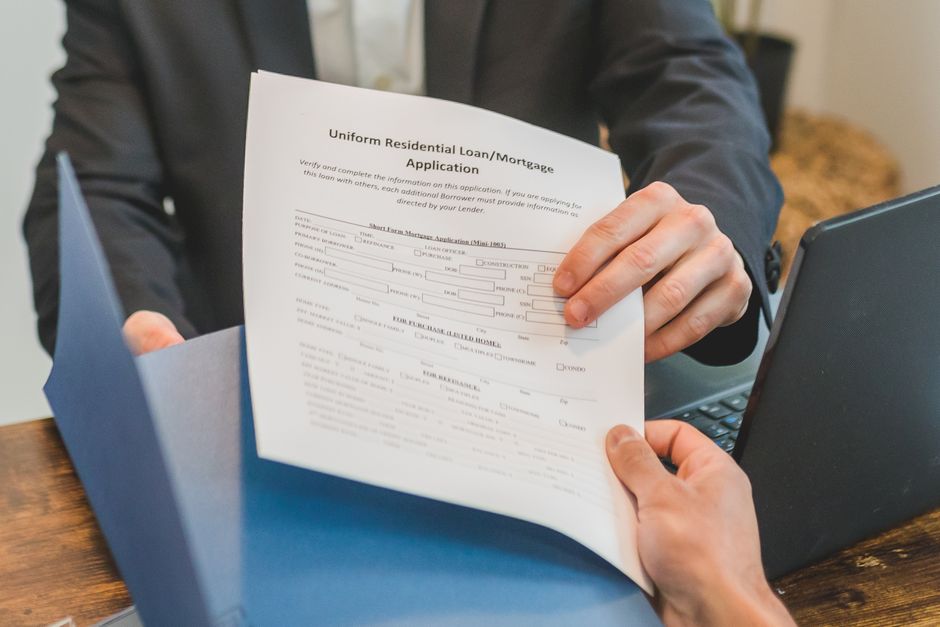
Look at your papers! Find the document called the Loan Authorization and Agreement (LAA). Look for SBA Form 148. If you signed that, you made a personal promise. If you need help finding your papers, we have info on Help Applying For Eidl Loan.
It is smart to read every page slowly. Check who signed, what amount is listed, and whether the papers talk about collateral or a guarantee. If there are several owners, see which owners signed. Keep copies of everything in one safe place so you can find them fast if you need help later.
Usually, an LLC protects your personal bank account. But a personal guarantee takes that protection away. It is like giving the SBA a key to your house. If you have partners, the SBA can ask any of you for the full amount of money.
This can surprise people with partners. One owner may think another owner will pay most of the debt. But the SBA may still demand payment from any signer it chooses. That is why owners should talk early, review the loan together, and make a plan before payments become a bigger problem.
If you stop paying, it is not just a business problem. It becomes a personal problem. In 2026, the SBA is working hard to collect money from people who stopped paying.
If you stop paying, the SBA sends your loan to the Treasury. This is the part of the government that handles money. They can:
Your credit may also suffer if the loan falls behind. That can make it harder to borrow money later, rent space, or qualify for other business financing. A missed payment can start a chain of problems, so it is better to ask for help early instead of waiting.
Once the Treasury has your loan, the SBA usually cannot help you anymore. You can see the official steps here: Manage your EIDL | U.S. Small Business Administration - SBA.
This is the part that scares people. If you signed that promise, the SBA can take you to court. If they win, they can:
Even if they don't take your house right away, the eidl personal guarantee gives them the right to try and get your house money later if a court says they can.
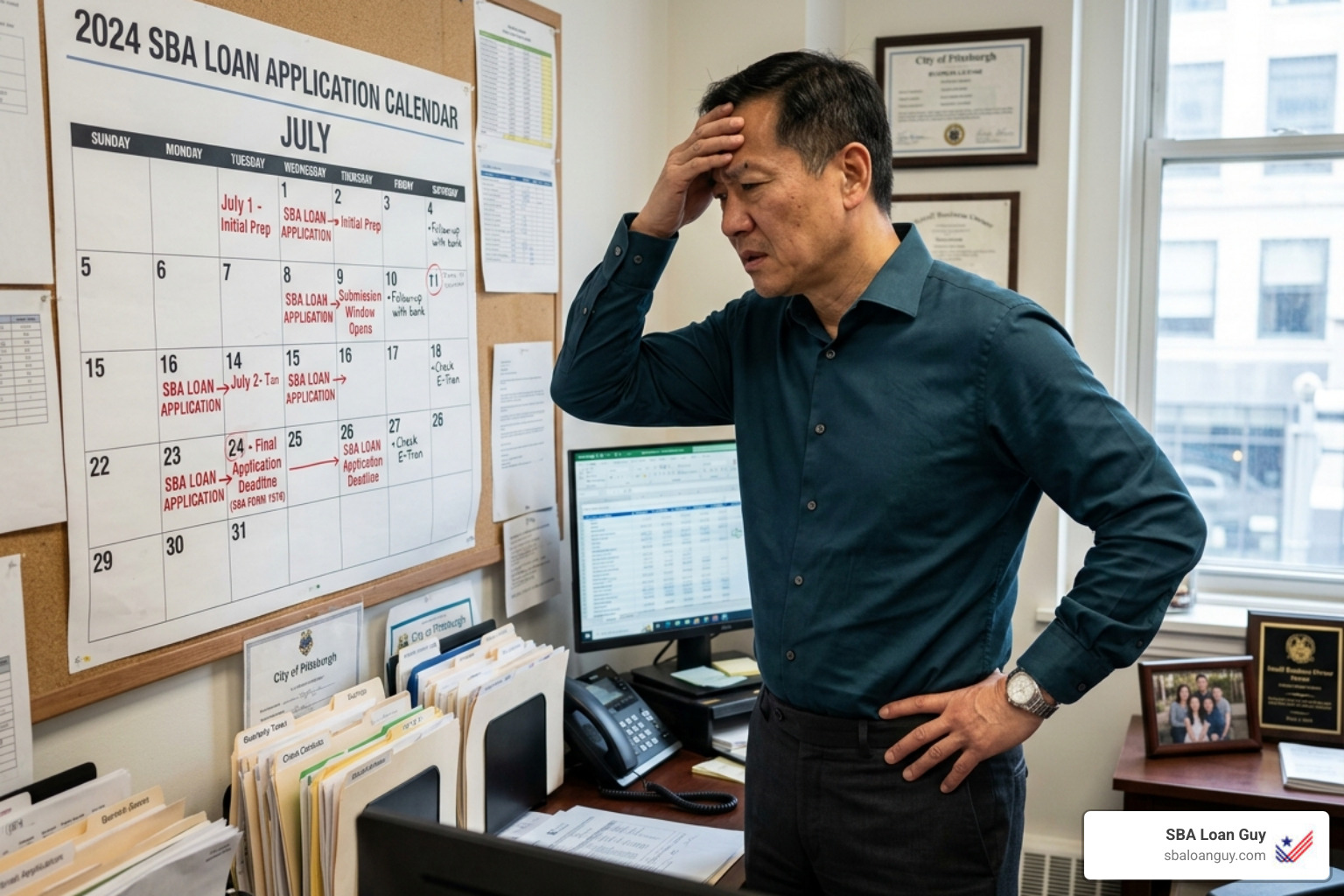
This is why timing matters. The earlier you deal with the loan, the more choices you may have. Once the account moves deeper into collections, it gets harder and more stressful. Keeping records, answering notices, and asking questions right away can make a big difference.
If you are worried, do not panic. There are ways to get help, but you must act fast before the Treasury takes over.
You can ask for a Hardship Plan. This lets you pay a much smaller amount (as low as 10%) for six months. It helps for a little while, but you will still owe the rest later.
For some owners, this short break gives them time to catch up on bills, improve cash flow, or decide whether the business can survive. It is not a full fix, but it can buy time. During that time, it helps to make a real budget and see what your business can truly afford each month.
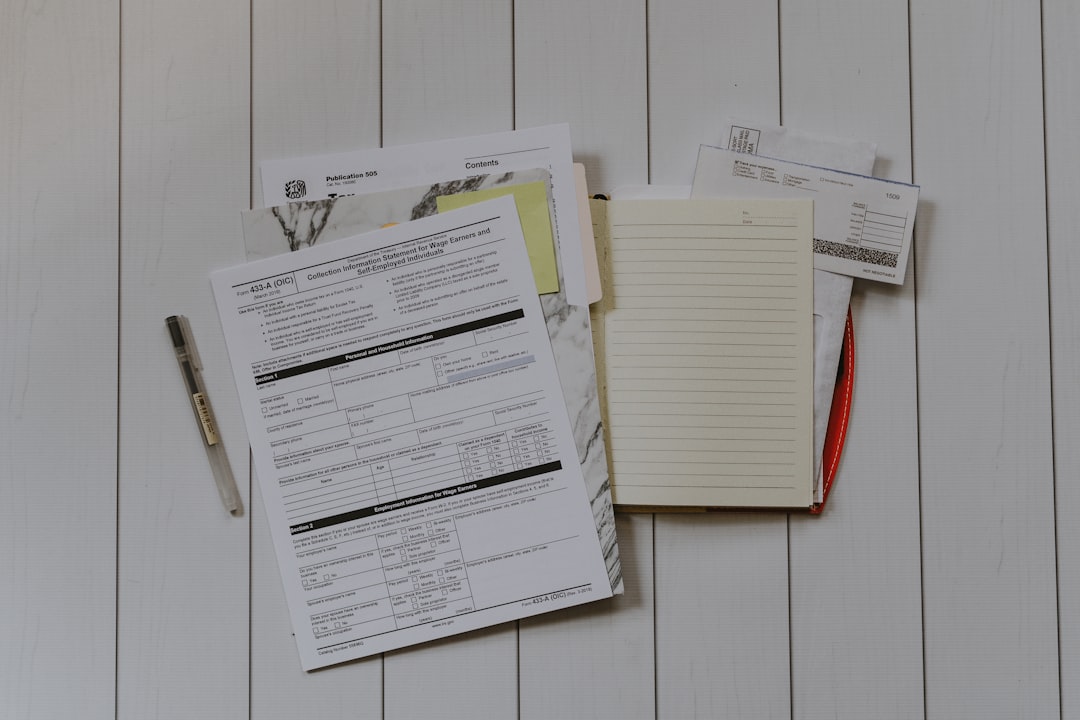
You can also try an Offer in Compromise (OIC). This is when you ask to pay back less than you owe to finish the debt. It is hard to get, but some people have settled their debt for much less.
An OIC usually means showing the government that you cannot reasonably pay the full amount. You may need to provide detailed financial information. Because of that, it helps to get organized early. Gather bank records, tax returns, profit and loss reports, and a list of your debts and assets.
Sometimes the debt is just too big. Bankruptcy is a way to start over.
Some owners also look at bankruptcy only after trying other options first. Others need it sooner because the debt is too large. Every case is different. The right path depends on your income, your business status, your assets, and whether the loan has a personal guarantee.
The most important thing is not to ignore the problem. Make a plan, ask questions, and act before the situation gets worse. Even if the choices are hard, knowing them early can help you protect more of what you own.
Closing your business does not end the loan. If your loan was small (under $200,000) and you had no personal guarantee, the SBA just takes the business stuff. But if you made a personal promise, you still owe the money even if the business is gone.
When a business closes, owners should keep good records of what happened to the business property. That includes equipment, inventory, and money from any sales. Clear records can help show that you handled business assets the right way.
If you sell your business, you cannot just give the loan to the new owner. The SBA must say it is okay first. The new owner must show they can pay. You might also need to show your tax forms, like the 4506 T For Eidl.
A sale can be complicated because the buyer, the seller, and the SBA all need to agree. Until that happens, you may still be responsible. That is why it is smart to ask questions before signing a sale deal or closing your doors.
If you run your business by yourself without an LLC, you and the business are the same. This means you are always personally responsible for the loan, even if it was a small amount.
Yes, but the SBA has to agree in writing. They will check the new person's credit to see if they are a good fit.
If you did not sign a personal promise, the SBA can only take what the business owns. If the business has nothing left, the loan is usually closed. But it might still hurt your business credit score.
Dealing with an eidl personal guarantee in 2026 can be hard. The rules are tough, and your personal things could be at risk if you do not have a plan.
At SBA Loan Guy, we help business owners understand their choices. Whether you want to combine your debts or just see where you stand, we are here to help.
Do not wait for a scary letter from the government. Take charge of your money today. Visit us at SBA Loan Guy for help protecting what you have built.

A distilled, 0–100 snapshot of how fundable you are based on credit, cash flow, equity, and documentation. Plus the top fixes to raise your score fast.
A curated shortlist of lenders that fit your profile and use of funds, with why each is a fit and exactly what they’ll want to see.
A tailored, step-by-step list of required docs and forms (formats, who provides them, and common pitfalls to avoid).
A realistic week-by-week path from pre-qual to closing, with milestones, dependencies, and an estimated target funding date.
Hands-on prep and documentation for SBA disaster programs (EIDL and others), including submissions, follow-ups, and guidance through appeals or requests for more info.
We prepare your application, match you with the
right lenders, and guide you until funding.