Secure small business acquisition financing with SBA 7(a) loans, seller financing, and smart buyer equity to buy your business stress-free.
June 8, 2026
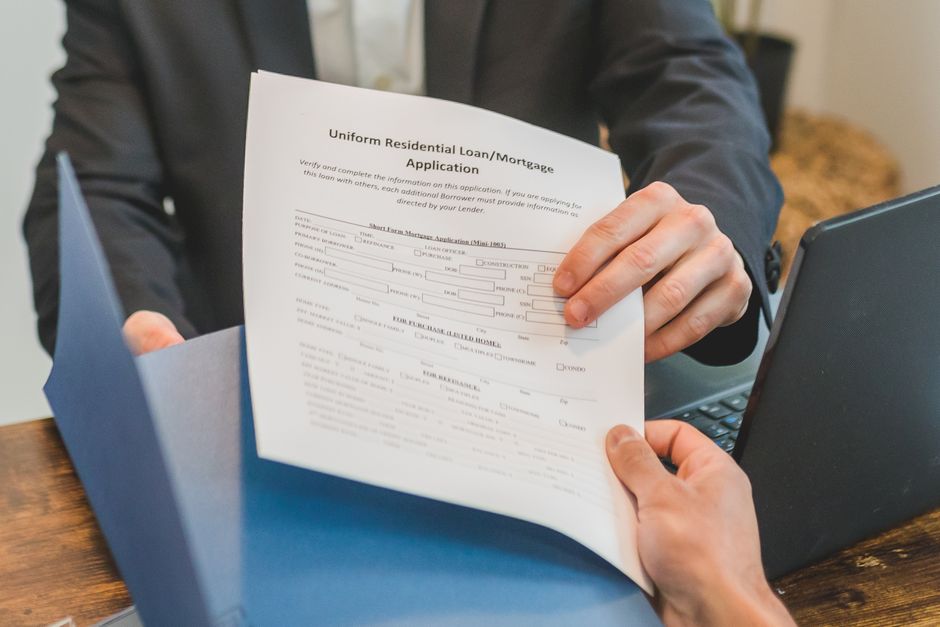
Small business acquisition financing means getting money to buy a business that already exists. Most buyers do this because they do not want to pay the full price in cash.
Here are common ways to pay for a business:
SBA 7(a) loan: Up to $5 million, with down payments as low as 10%. Best for most small business purchases under $5 million.
Seller financing: Often 10% to 25% of the purchase price. Helps lower the cash you need upfront and can fill funding gaps.
Conventional bank loan: Amounts vary, but down payments are often 20% to 30% or more. Best for larger deals or buyers with strong assets.
Buyer equity injection: Usually 10% to 30% of the purchase price. Required by lenders to show you are putting some of your own money into the deal.
Most small business deals under $5 million use three things: an SBA 7(a) loan, a seller note, and a buyer down payment. This helps you use less cash while still making the lender feel safe.
Buying a business can be a smart move. You do not have to start from zero. You get customers, sales, and cash flow on day one. But you must understand the money side first.
Many deals fail because the buyer does not know what lenders need. Lenders want to see strong numbers, clear documents, and a deal that makes sense.
I'm Cesar DonDiego, a finance and accounting professional. I help business buyers understand small business acquisition financing, cash flow, and deal structure. This guide will explain the main ways to pay for a business in simple terms.
Basic Small business acquisition financing glossary:
Small business acquisition financing is money used to buy a business that is already open and making sales. It is like using a bridge to get from wanting a business to owning one.
Instead of starting a new business from nothing, you can buy a business that already has customers, workers, products, and sales.
Lenders often like this better than a brand-new business. Why? Because they can look at the business's past numbers. They can see if the business made money before. That helps them decide if the business can pay back the loan.
Starting a new business is hard. You have to find customers, test your idea, and wait to make money.
Buying an existing business is different. When you buy it, you may get:
Because the business already has cash flow, lenders feel safer. They can look at the last few years of tax returns to see if the business can pay the loan. This can make financing a small business acquisition easier than getting money for a brand-new idea.
You do not have to use just one kind of money to buy a business. Most buyers use a few kinds together. This is called a deal structure.

Think of it like building with blocks. One block may be an SBA loan. One block may be seller financing. One block is your own cash.
Here is how the main pieces compare:
| Feature | SBA 7(a) Loans | Seller Financing | Buyer Equity (Down Payment) |
|---|---|---|---|
| Who Provides It? | An SBA-approved bank | The seller | You, the buyer |
| Typical Share of Deal | 70% to 90% | 10% to 25% | 10% to 20% |
| Interest Rates (2026) | Prime + 2.25% to 3.00% (About 10.5% - 13.5%) | 6% to 9% | No interest because it is your money |
| Repayment Term | 10 years, or up to 25 years with real estate | 5 to 7 years | No repayment |
| Lien Position | First claim on business assets | Second claim after the bank | Not needed |
Using these pieces together can lower how much cash you need at closing. It can also help the bank feel better about the deal.
The SBA 7(a) loan is one of the most common ways to buy a business. The government does not give you the money directly. A bank gives you the loan. The U.S. Small Business Administration, or SBA, promises to help repay the bank if you cannot pay. This makes the bank feel safer.
With this loan, you can borrow up to $5 million. You usually get 10 years to pay it back. If you are also buying the building, you may get up to 25 years.
Some states also have programs that may help:
To learn more, read our SBA 7(a) Loans Complete Guide.
Seller financing is also called a seller note. It means the seller lets you pay part of the price over time. You do not have to pay all of that part on closing day.
Seller notes often cover 10% to 25% of the purchase price. The interest rate is often 6% to 9%. The loan is often paid back over 5 to 7 years.
Why would a seller do this?
A standby seller note can lower the cash you need at the start. You can learn more in our guide on financing a small business acquisition.
Lenders want you to use some of your own money. This is called buyer equity injection. Most people call it a down payment.
For an SBA 7(a) loan, the down payment is often at least 10% of the total project cost. Total project cost can include the business price, working capital, and closing costs. Regular bank loans may ask for 20% to 30% or more.
Your down payment can come from:
Lenders want to know where the money came from. They may want to see that the money has been in your account for a few months. To learn more, read the official SBA Loan Requirements.
Underwriting is when the bank checks the deal before saying yes or no.
For a business loan, the bank cares most about the business's past money results. The bank wants to know: Can this business pay its bills, pay you, and pay the loan?
The most important number is called the Debt Service Coverage Ratio, or DSCR.
In simple words, DSCR compares the money the business has left over to the loan payments it must make.
DSCR = Business cash flow divided by yearly loan payments
SBA lenders often want a DSCR of 1.15x to 1.25x. Many lenders like 1.25x or higher.
Example: If the loan payments are $100,000 per year, a 1.25x DSCR means the business should have at least $125,000 in cash flow. The extra $25,000 is a safety cushion. You can learn more in our guide to SBA Loan Requirements.
The business's numbers matter most. But lenders also look at you.
They usually want to see:
For more help, read our guide on SBA Loans for Business Acquisition.
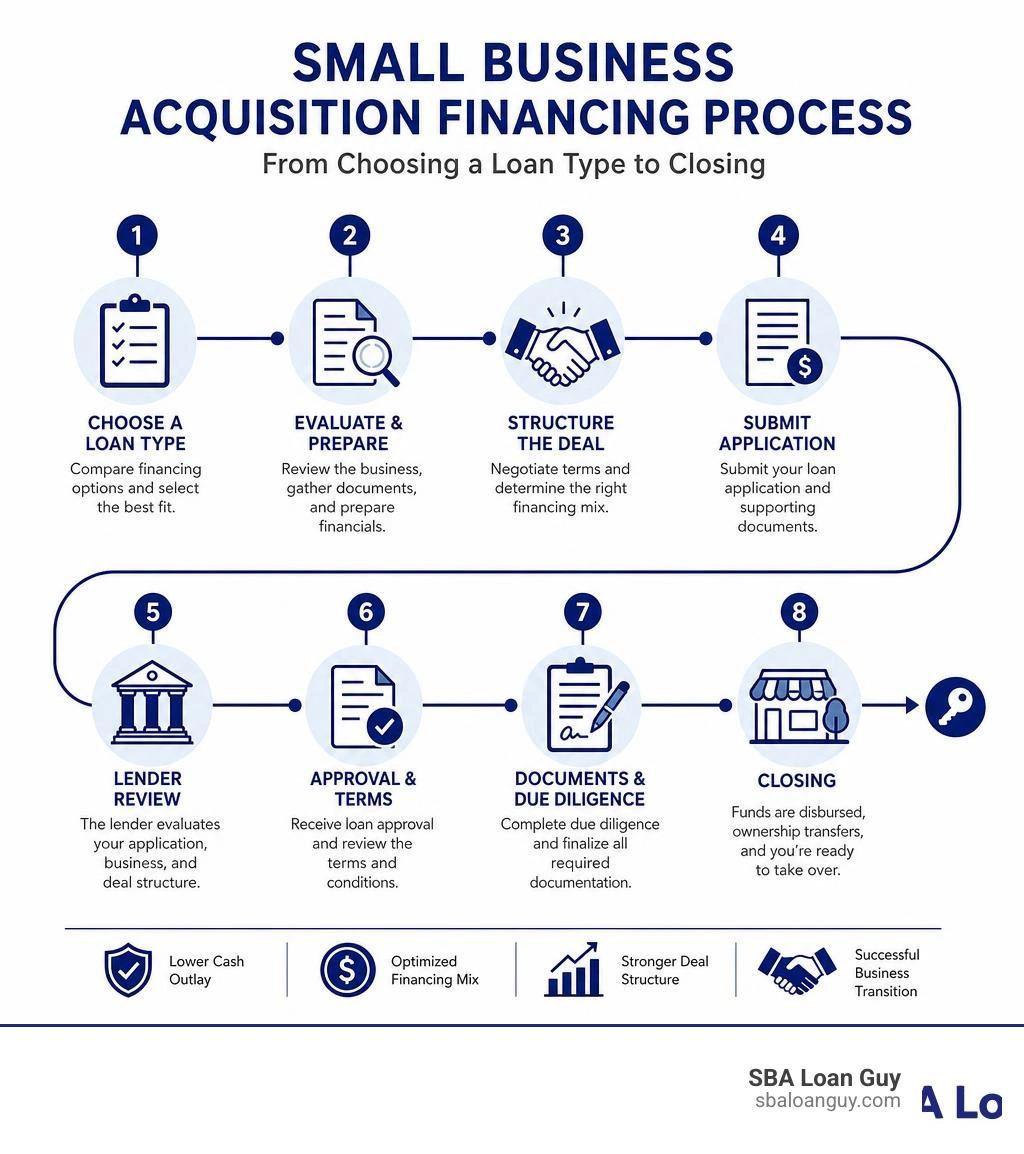
Here is the usual process:
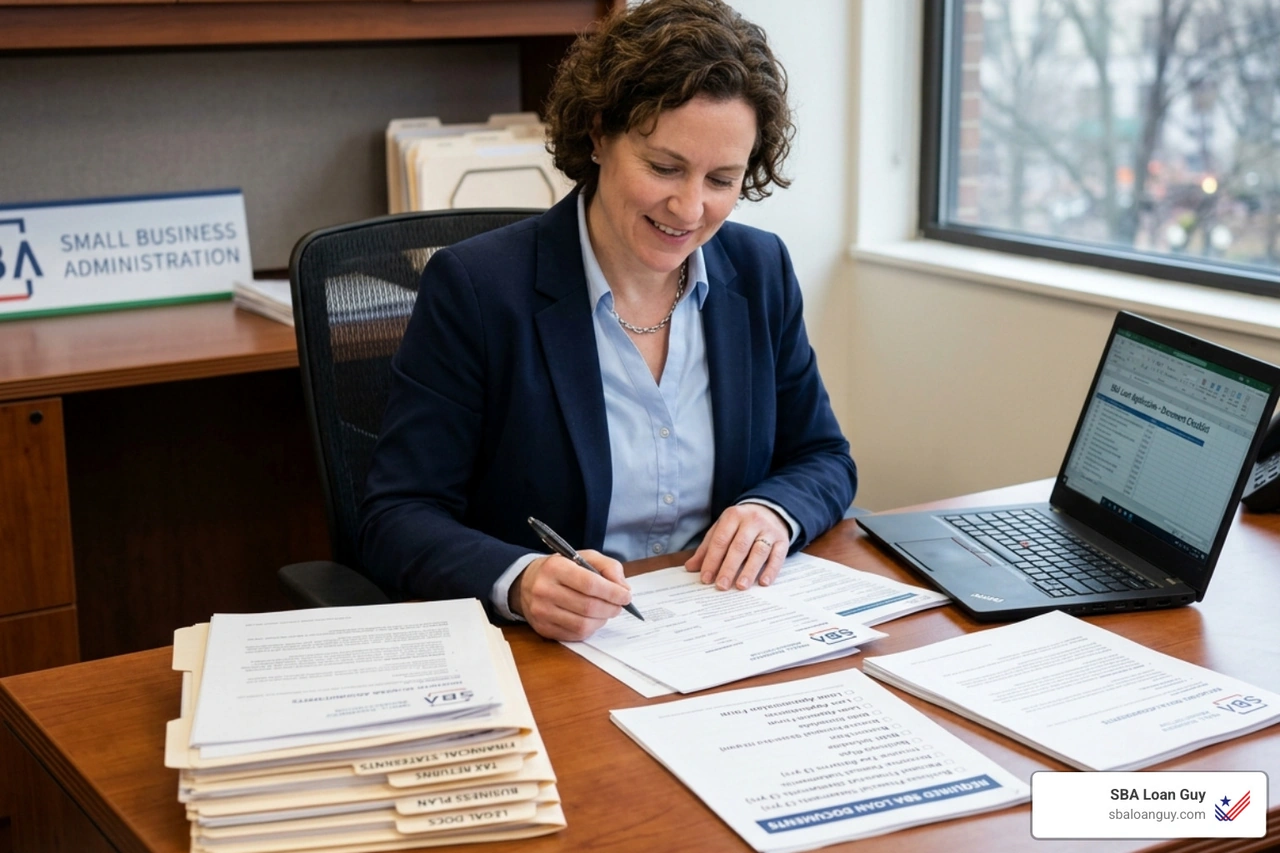
To make this easier, you can get SBA Loan Application Assistance.
Here are common mistakes that can hurt a deal:
These tips can help you avoid bad deals. Read our full guide on SBA Loans for Business Acquisition to learn more.
It is very rare to buy a good business with no money down. A standby seller note may help with part of the down payment. But most lenders still want you to use at least 5% to 10% of your own cash. No-money-down deals usually happen only with distressed businesses or family sales.
An SBA 7(a) loan often takes 45 to 90 days after you send a complete application. Regular bank loans may take 30 to 60 days. Online lenders may be faster, but they often cost more.
Not always. It helps if you know the industry. But lenders may also accept other useful experience. For example, managing people, budgets, or daily operations can help show you are ready to run the business.
Getting small business acquisition financing does not have to be confusing. If you understand the loan options and prepare your papers early, you can talk to lenders with more confidence.
At SBA Loan Guy, we help people buy businesses. We are based in The Woodlands, TX, and help clients across the country, including Houston, California, Orlando, Florida, Chicago, Illinois, Indianapolis, Indiana, New York City, and San Francisco.
We help prepare SBA loan applications, connect you with lenders, and guide you through the funding steps. Ready to start? We can help you get a pre-qualification snapshot so you know what you may qualify for.
Explore our SBA 7(a) Loans Complete Guide or contact us today to get started.

A distilled, 0–100 snapshot of how fundable you are based on credit, cash flow, equity, and documentation. Plus the top fixes to raise your score fast.
A curated shortlist of lenders that fit your profile and use of funds, with why each is a fit and exactly what they’ll want to see.
A tailored, step-by-step list of required docs and forms (formats, who provides them, and common pitfalls to avoid).
A realistic week-by-week path from pre-qual to closing, with milestones, dependencies, and an estimated target funding date.
Hands-on prep and documentation for SBA disaster programs (EIDL and others), including submissions, follow-ups, and guidance through appeals or requests for more info.
We prepare your application, match you with the
right lenders, and guide you until funding.