Get SBA Loan Guidance New York small businesses need—step-by-step help, local partners, and funding options to grow.
June 3, 2026
If you're looking for SBA loan guidance in New York, here's the short answer:
The SBA does not lend money directly (except for disaster loans). Instead, it guarantees loans made by approved lenders — which lowers the risk for banks and makes it easier for you to get funded.
Here's a quick overview of your main options:
| Loan Type | Best For | Max Amount |
|---|---|---|
| SBA 7(a) | Working capital, debt refinancing, acquisitions | $5 million |
| SBA 504 | Commercial real estate, equipment | $5.5 million |
| SBA Microloan | Startups, very small businesses | $50,000 |
| SBA Disaster/EIDL | Economic recovery after a declared disaster | $2 million |
New York small businesses can access $500 to $5.5 million in SBA-guaranteed funding — plus over $500 million in state-level programs through New York's SSBCI initiative.
The tricky part? The application process, lender requirements, and recent policy changes (like the March 2026 SOP 50 10 8 updates) can feel overwhelming — especially when you're trying to run a business at the same time.
That's exactly what this guide is here to help with.
I'm Cesar DonDiego, a finance and accounting professional who has worked closely with small business owners on financial planning, cash flow, and funding strategy — including navigating SBA loan guidance in New York. In this guide, I'll walk you through everything you need to know to move forward with confidence.

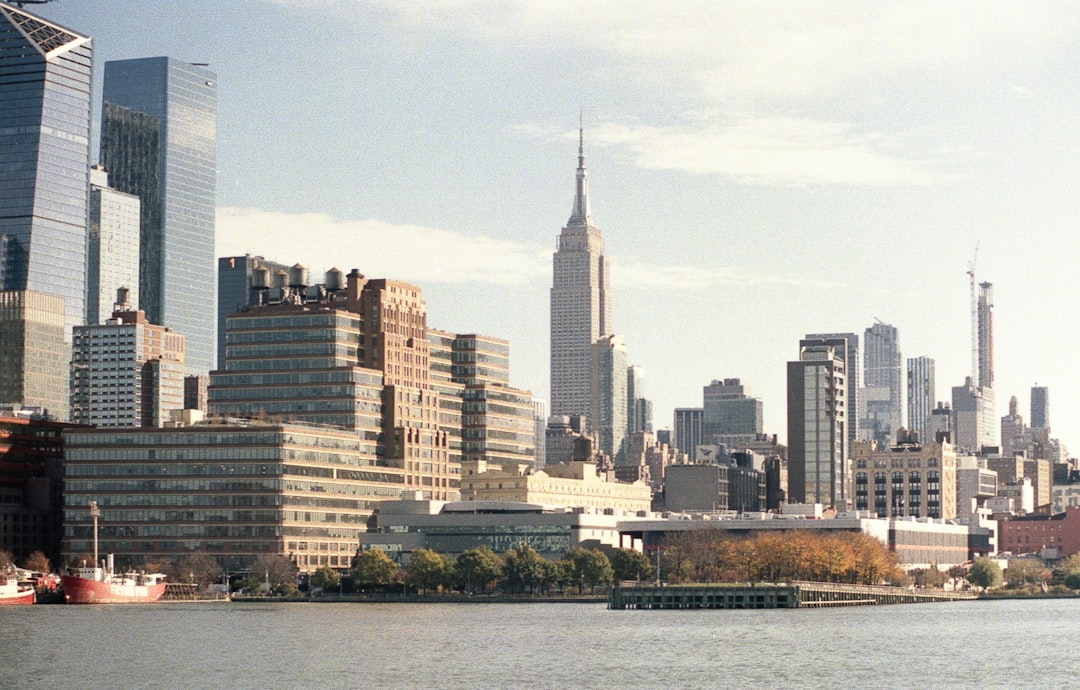
Getting a loan can feel like trying to solve a giant puzzle in the dark. If you are a small business owner in the Empire State, you do not have to do it alone. There are friendly experts and local offices ready to help you turn that pile of paperwork into real money for your business.
When you need reliable SBA loan guidance in New York, the first step is knowing where to look. Getting professional SBA Loan Guidance can save you months of wasted time and prevent common mistakes that lead to bank denials.
Think of the SBA (the Small Business Administration) as your business uncle. They do not hand you the cash directly, but they stand behind you and tell the bank, "Hey, if this business owner cannot pay you back, we will cover most of it." This makes banks much happier and more willing to say "Yes!" to your business.
We also have physical offices in major regions to help you locally, including New York City, Chicago, Houston, California, Florida, and Indiana. If you are located in other hubs, you can check out resources like Doing business in the Illinois District - SBA or Doing business in the Houston District - SBA to see how regional offices support local growth.

The SBA has local district offices in New York that act as your home base.
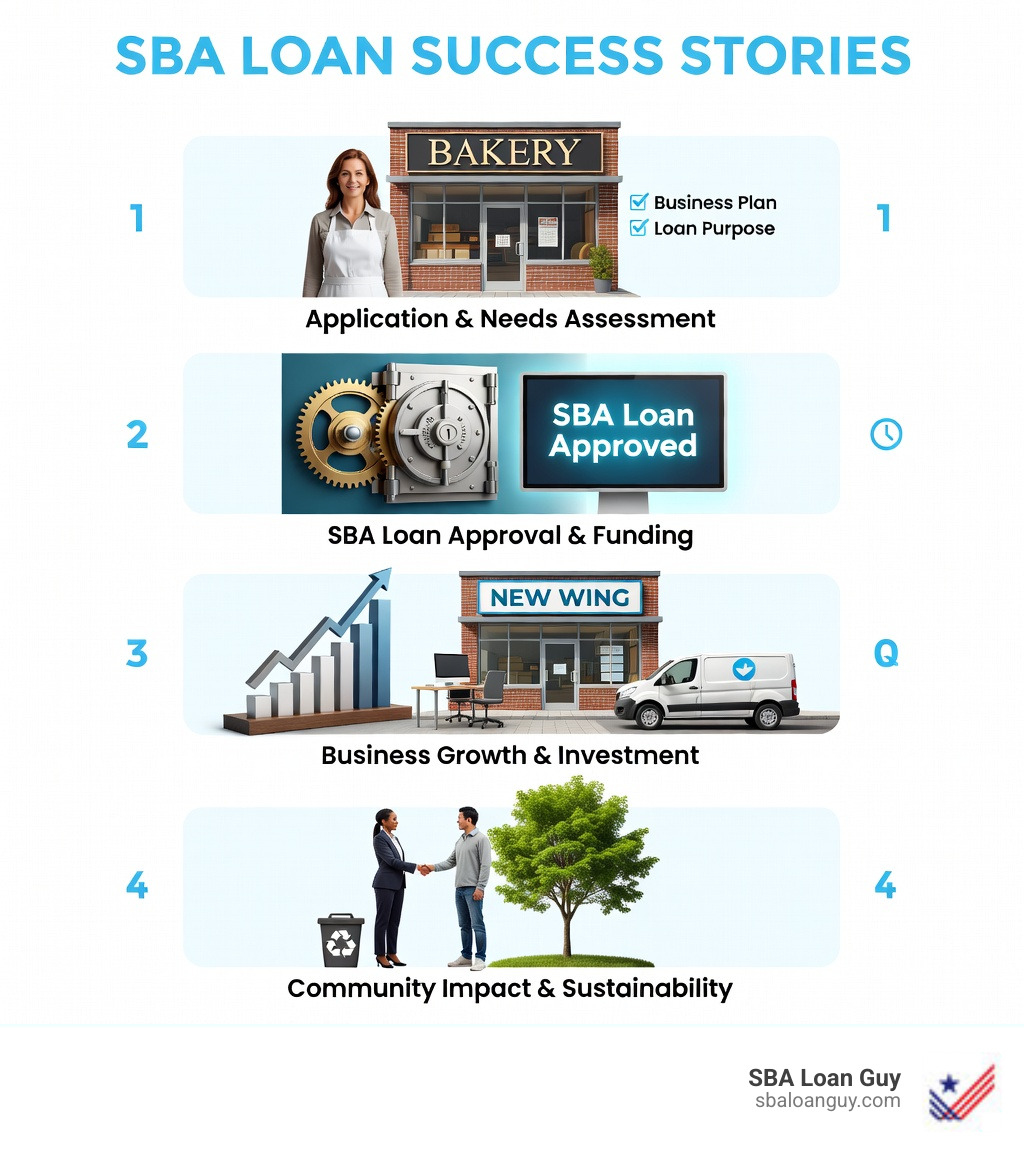
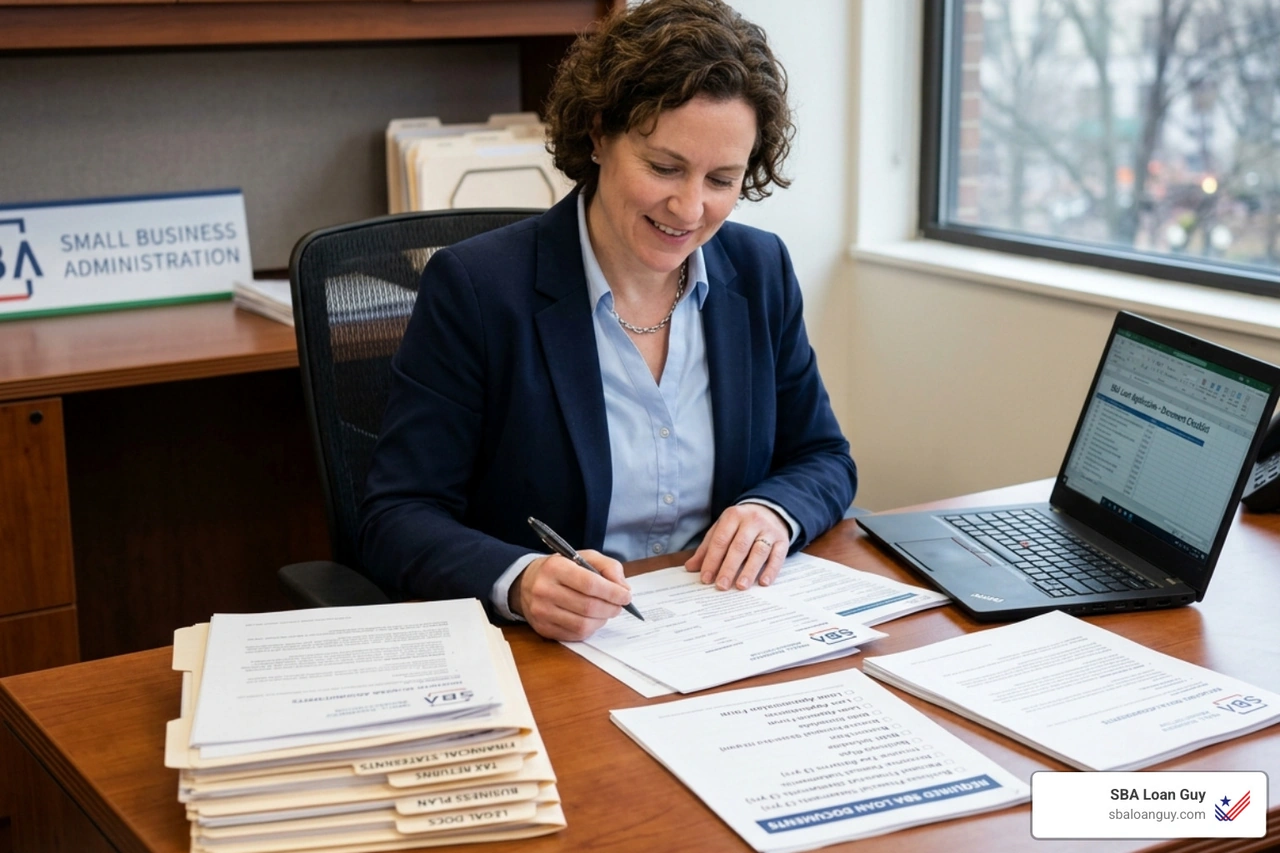
Ready to apply? Let us break down the SBA Loan Process into simple steps. It is like baking a cake — you just need to follow the recipe.
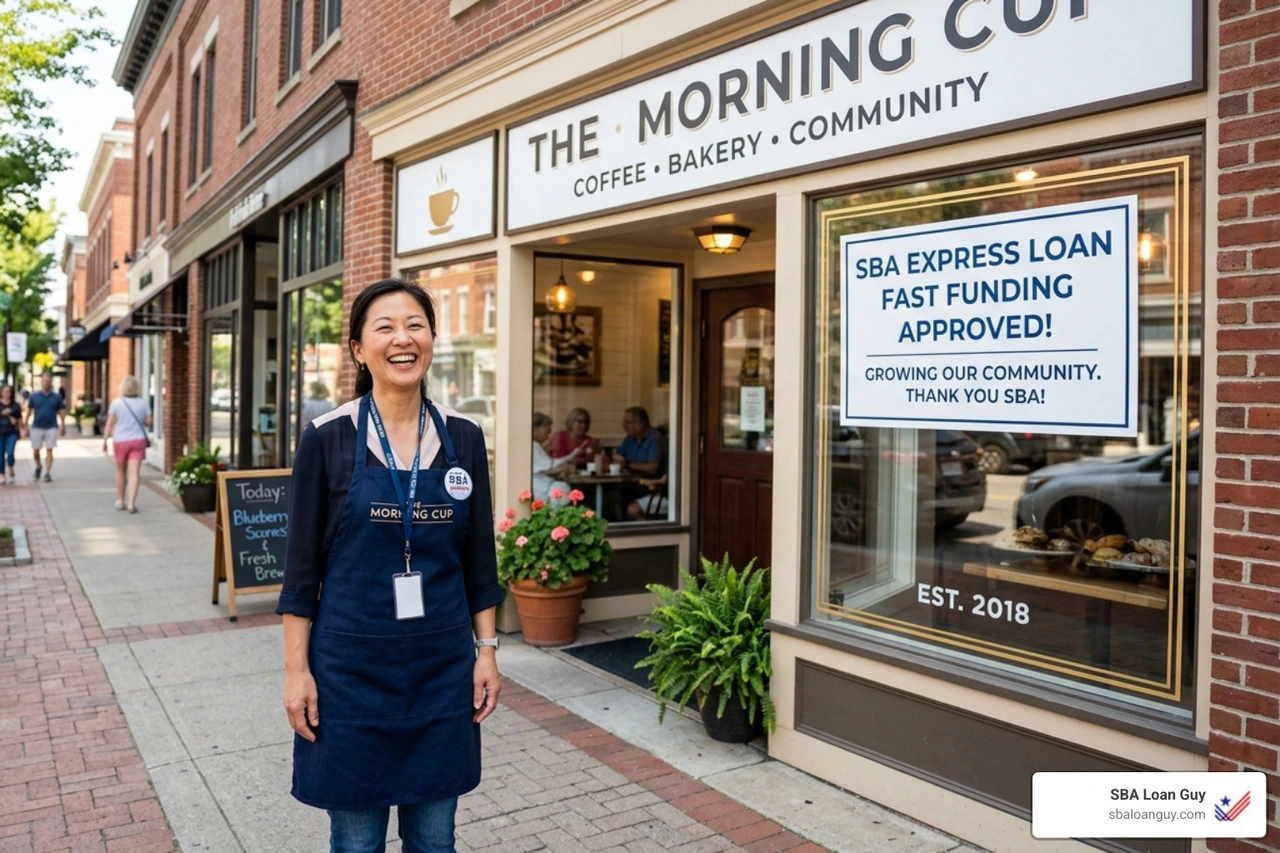
Not all businesses are the same. A cozy coffee shop in Brooklyn needs different funding than a manufacturing plant in Buffalo. That is why the SBA offers several different loan programs.
To help you see the big picture, here is how the primary programs compare:
| Loan Program | Maximum Amount | Best Used For | Key Feature |
|---|---|---|---|
| SBA 7(a) | Up to $5,000,000 | Working capital, inventory, buying a business, debt refinance | Most popular, highly flexible |
| SBA 504 | Up to $5,500,000 | Buying land, buildings, or heavy machinery | Long-term, fixed-rate financing |
| SBA Microloan | Up to $50,000 | Small startups, inventory, supplies, furniture | Easier to get for brand-new businesses |
| Disaster Loans | Up to $2,000,000 | Repairing physical damage or covering bills after disasters | Direct funding from the government |
The Benefits of SBA Loans are clear: you get lower down payments, longer times to pay the money back (which means smaller monthly payments), and capped interest rates so banks cannot charge you crazy fees. You can explore all official options on the Loans | U.S. Small Business Administration - SBA portal.
Let us look closer at the two heavy hitters.
The SBA 7(a) Loan Program is the absolute favorite for most business owners. If you want to dive deep into how it works, check out our SBA 7(a) Loans Complete Guide. You can use these loans for almost anything: hiring workers, buying inventory, or even refinancing high-interest debt that is hurting your cash flow. Under the official guidelines on 7(a) loans | U.S. Small Business Administration - SBA , the maximum loan amount is $5 million, and the SBA can guarantee up to 85% of loans that are $150,000 or less, and 75% for loans over $150,000.
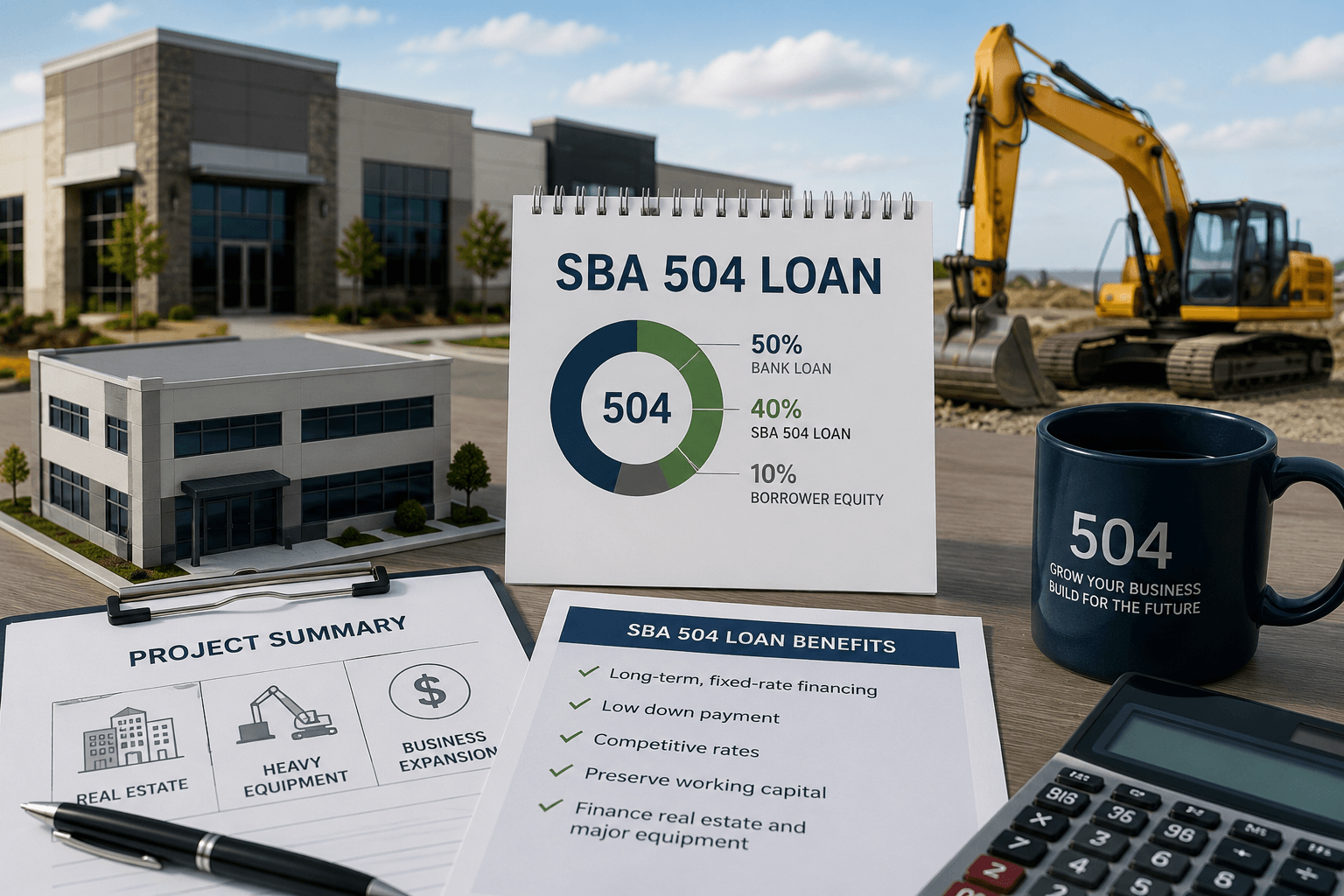
The SBA 504 Loan Program is different. It is designed for major fixed assets. If you want to buy the building your restaurant is in, or buy a massive printing press, this is your loan. It usually involves a three-way partnership: a private lender covers 50% of the cost, a Certified Development Company (CDC) covers up to 40% (backed by the SBA), and you only have to put down 10% as a down payment. This is a huge deal because conventional commercial real estate loans often require a 20% to 30% down payment!
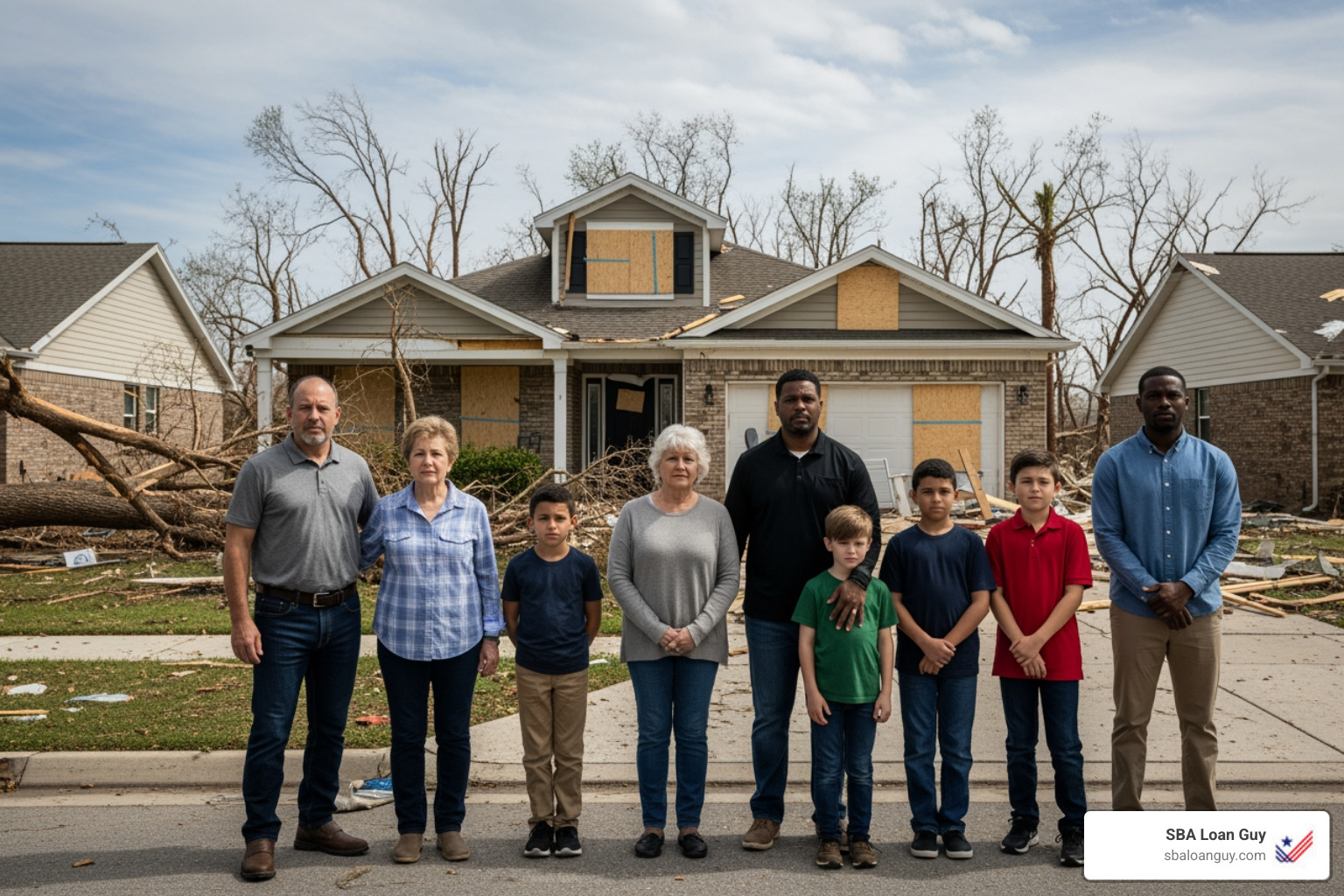
Sometimes, Mother Nature throws a wrench in your plans. When disasters strike, the SBA steps in with direct, low-interest loans to help you rebuild. Unlike other SBA loans, these come straight from the government.
As of May 2026, there are several active disaster declarations in New York that business owners should know about:
These disaster loans offer up to $2 million with interest rates as low as 4% for small businesses and 3.25% (or lower) for private non-profits, with terms up to 30 years. Even better, interest does not start building up, and you do not have to make any payments for the first 12 months!
To get an SBA loan, you have to meet some basic ground rules. First, your business must be officially registered and operate for profit in the United States. You must also show that you have tried to get funding from other non-government sources first and were unable to get it on reasonable terms (this is called the "credit elsewhere" test).
The SBA also looks at your size. Your business must qualify as a "small business" under their guidelines. For most industries, this means having a tangible net worth of $20 million or less and an average net income of $6.5 million or less over the last two years.
Lenders will also run a check through a system called CAIVRS to make sure you do not owe any delinquent federal debt (like unpaid federal student loans or past tax issues).

The SBA updates its rules from time to time to make things simpler or safer. Under the latest SOP 50 10 8 updates and recent procedural notices effective in 2026, there are a few game-changing updates you need to know:
Sometimes an SBA loan is not the only option, or you might want to combine it with other local programs. New York State has some of the best state-level funding initiatives in the country.

The biggest player here is the State Small Business Credit Initiative (SSBCI) | Empire State Development . This program brings over $500 million in federal funding to New York to help small businesses recover and grow. It is specifically designed to help very small businesses and those owned by socially and economically disadvantaged individuals (SEDI).
Some of the cool programs under the SSBCI umbrella include:
For the main SBA 7(a) program, the maximum loan amount is $5 million. For the SBA 504 real estate program, you can get up to $5.5 million. SBA Microloans go up to $50,000, and Disaster Loans max out at $2 million.
Yes, absolutely! While startups are seen as riskier by normal banks, programs like the SBA Microloan or the SBA 7(a) Community Advantage program are specifically designed to help brand-new businesses get off the ground. You will just need a very strong business plan and some personal collateral or a good credit score.
Interest rates on SBA disaster loans are incredibly low. For small businesses, they can be as low as 4%, and for private non-profit organizations, they can go as low as 3.25% (or even 2.375% depending on the specific disaster declaration). Plus, you get a 12-month break before you have to make your first payment or before interest starts building up!
Getting the right SBA loan guidance in New York can be the difference between watching your business dreams collect dust or seeing them come to life. Whether you are looking to buy a building in Queens, get working capital for your shop in Manhattan, or recover from unexpected weather upstate, there is a loan program built for you.
At SBA Loan Guy, we are here to make this entire journey simple, clear, and stress-free. We do the heavy lifting by preparing your application, matching you with the perfect lenders, and guiding you step-by-step all the way to funding.
Ready to see how much you can qualify for? Skip the guesswork and See If You Pre-Qualify today! Let us get your New York business the funding it deserves.

A distilled, 0–100 snapshot of how fundable you are based on credit, cash flow, equity, and documentation. Plus the top fixes to raise your score fast.
A curated shortlist of lenders that fit your profile and use of funds, with why each is a fit and exactly what they’ll want to see.
A tailored, step-by-step list of required docs and forms (formats, who provides them, and common pitfalls to avoid).
A realistic week-by-week path from pre-qual to closing, with milestones, dependencies, and an estimated target funding date.
Hands-on prep and documentation for SBA disaster programs (EIDL and others), including submissions, follow-ups, and guidance through appeals or requests for more info.
We prepare your application, match you with the
right lenders, and guide you until funding.