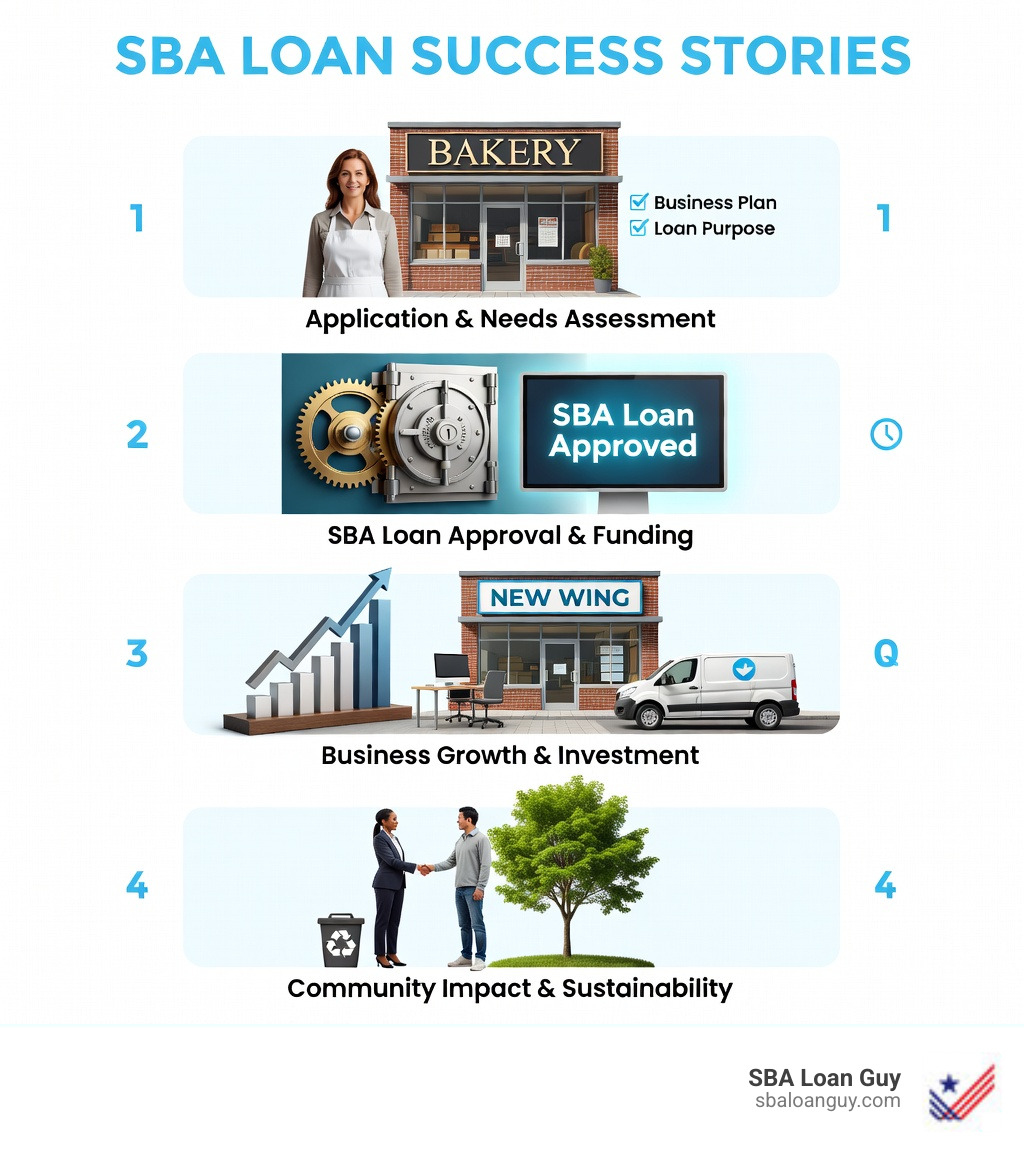
Learn how to apply for SBA loan increase with our step-by-step guide covering eligibility, documents, and lender coordination.
July 14, 2026
If you need to apply for an SBA loan increase, here is the fastest path forward:
Your business is growing. That's a good problem to have. But growth costs money — new equipment, bigger facilities, more inventory, more staff. If your current SBA loan isn't enough anymore, you're not alone.
As of July 2026, the SBA just made a major change. The cumulative loan limit for 7(a) and 504 loans was doubled from $5 million to $10 million. That's the biggest increase since 2010. It means more capital is now available to eligible small businesses than at any point in SBA history.
But knowing the rule changed is one thing. Actually getting more money is another.
The process for requesting an SBA loan increase isn't always obvious. It involves your lender, specific documentation, and sometimes SBA approval — and the rules differ depending on whether you have a 7(a), 504, or disaster loan.
This guide walks you through every step, clearly and simply.
I'm Cesar DonDiego, a finance and accounting professional with hands-on experience helping small business owners navigate funding decisions — including how to apply for an SBA loan increase — through strategic financial planning and documentation preparation. I've worked directly with business owners to get their financials in order and position them for successful loan modifications and growth capital.

Know your apply for sba loan increase terms:
Before you ask your bank for more money, you need to know if you qualify. The SBA is very happy to help businesses grow, especially since monthly small business formation has reached a record high under the current administration. Through June 2 of fiscal year 2026, the SBA has already approved $19.4 billion in 7(a) loans and $4.6 billion in 504 program loans.
But you cannot just ask for more money because you want it. You must show that your business is expanding and that you can pay the money back. Existing businesses have a big advantage here. You already have a track record! You can use your real financial history to prove you are a safe bet.
To qualify for an increase, you must meet the standard SBA Loan Requirements. This means your business must:
We have some amazing news if you need a lot of money. Effective July 4, 2026, the SBA doubled the cumulative loan limit for 7(a) and 504 loans from $5 million to $10 million! This is a huge deal. The old $5 million limit had not changed since 2010.
This new rule lets you combine or "stack" 7(a) and 504 loans up to a total of $10 million. Even better, the new rule decouples your 7(a) loan balance from the 504 program. This means you get much more flexibility if your business needs a lot of heavy machinery or real estate.
For example, small manufacturers can now get up to $5 million through the 7(a) program for working capital and inventory, while still using the 504 program for their factory building. You can learn more about this historic change directly from the SBA Doubles Cumulative 7(a) and 504 Loan Limit to $10 Million announcement. It is also detailed in the SBA raises cumulative loan cap for first time since 2010 | Asset Securitization Report industry update.
Sometimes, businesses have unique setups. The SBA has special rules for these situations.
For partnerships, if you originally got a loan that did not include partner compensation, you might be able to request an increase to cover those costs.
For seasonal employers, you can choose a different 12-week payroll period to recalculate your maximum loan amount if it helps you qualify for more funding.
Farmers and ranchers also have special ways to calculate their maximum loan amounts based on gross income.
You can read the official guidelines on how these calculations work in the SBA Procedural Notice.
Getting an SBA loan increase is like showing your report card to your parents before asking for a higher allowance. You need to prove you have been responsible with the money you already received.

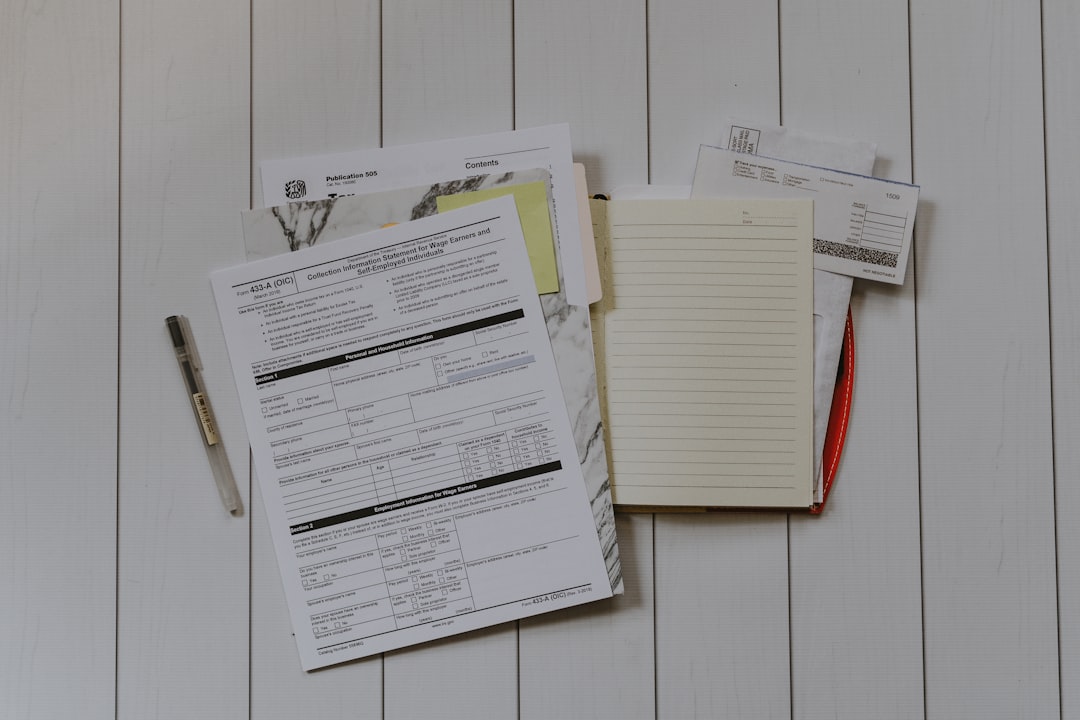
The first thing your lender will do is look at your numbers. You must gather your historical financial statements. This includes your last three years of federal tax returns, recent profit and loss statements, and a current balance sheet.
Lenders will use these documents to check your Debt Service Coverage Ratio (DSCR). This is a fancy way of asking: "Does this business make enough profit to pay its monthly loan bills?" The SBA standard requires a DSCR of at least 1.15 on a historical or projected cash flow basis, and a 1:1 ratio on a global basis (which includes your personal bills).
If your new loan increase request pushes your total 7(a) loan amount over $500,000, your lender must switch to standard 7(a) underwriting rules. This means they will look at your application with extra care. Also, if you are using the extra money to buy out a business partner, you might need an independent business valuation if the deal is large.
You can find the exact details about these rules in the Procedural Notice 5000-846607 - Implementation of the Final Rule on Affiliation and Lending Criteria. To make sure you do not miss any forms, check out our guide on the SBA 7(a) Loan Application.
You cannot just tell the lender, "I need more money." You must explain exactly why you need it and how it will help your business grow. This is called your business case.
Your business case should be a short, clear statement. It must include:
Think of it as a story where the extra money is the hero that helps your business win! For more tips on crafting this story, read our SBA Loan Guidance.
Once your papers are ready, it is time to start the actual application. The SBA Loan Process for an increase requires close teamwork with your lender.
You must submit your increase request through your Lender of Record. This is the bank that gave you the original loan. Other banks cannot increase your existing loan.
Your lender will look at your request and write a credit memo. If they agree to help you, they will submit the request to the SBA electronically using a portal called E-Tran.
Because an increase changes your original loan contract, the bank will prepare an "allonge" to your promissory note. This is a special legal page added to your original loan paper that states your new, higher loan amount. It helps keep all your collateral and guarantees safe and legal.
If you want to apply for an SBA loan increase or look for other SBA funding options, you should use the MySBA Loan Portal. This is the official online home for your SBA accounts. You can use it to track your loan status and make payments.
If your current bank does not want to help you with an increase, we can help you find a new lender who will. You can also use the SBA's Lender Match tool to find banks that love working with small businesses. To make sure your business is ready before you talk to them, check out our guide on SBA Loan Prequalification.
Disaster loans are different from standard business loans. If your business was damaged by a storm, flood, or other disaster in Texas, Florida, or Illinois, you might have an SBA physical disaster loan or an Economic Injury Disaster Loan (EIDL).
Here is a quick look at how standard increases compare to disaster-related increases:
| Feature | Standard SBA Loan Increase (7a / 504) | Disaster Mitigation Loan Increase |
|---|---|---|
| Primary Purpose | Business growth, equipment, real estate | Protecting property from future disasters |
| Maximum Limit | Up to $10 million cumulative | Up to 20% of verified physical damages |
| Who Submits | Your Lender of Record | Directly to the SBA Disaster Office |
| Timeline to Apply | Anytime during the loan term | Within 2 years of disaster loan approval |
If you already have an SBA physical disaster loan, you can ask for up to 20% more than your original approved damage amount. This extra money is called "mitigation funding." You must use it to protect your building from future storms.
This money can pay for projects like:
This is a fantastic way to protect your business. For example, the SBA frequently offers these relief options following severe weather events, as seen with the SBA Offers Disaster Relief to Illinois Businesses, Private ... program, as well as similar programs in Texas and Florida. You usually have two years from your original loan approval date to request this extra mitigation money.
Many business owners ask us if they can still get an increase on their COVID-19 EIDL loans. The answer is no. The COVID-19 EIDL program is completely closed to new applications, increase requests, and appeals.
However, you still have to manage your existing EIDL loan. If you are having a hard time making your monthly payments, the SBA has a Payment Assistance program. If you qualify, you can reduce your monthly payment by 50% for six months. You can apply for this help once every five years.
To sign up for payment help or request other changes to your EIDL, log into your account on the MySBA portal or read the official instructions on how to Manage your EIDL | U.S. Small Business Administration.
How long does it take to get your extra cash? It depends on how much money you want:
Your bank might charge a small fee to process your loan modification, but the SBA has strict rules to keep these fees fair.
What happens if the bank says "no"? Do not panic! You can ask for a reconsideration. You have six months from the date of your denial letter to write a letter asking them to look at your application again. In your letter, you must show clear proof that fixes the reasons they turned you down.
Here are the most common reasons businesses get denied for a loan increase:
For standard 7(a) and 504 loans, it usually takes between 3 to 8 weeks. It goes much faster if you have all your tax returns, profit and loss statements, and business plans ready when you first ask.
No. The COVID-19 EIDL program is closed. You cannot get any more money from it. But you can apply for a standard SBA 7(a) or Express loan if you need more working capital for your business.
Most lenders want to see a personal credit score of at least 650 to 680. For your business cash flow, your Debt Service Coverage Ratio (DSCR) must be at least 1.15. This means your business makes $1.15 for every $1.00 of loan payment you owe.
Getting an SBA loan increase can give your business the fuel it needs to reach the next level. With the new cumulative loan limits doubled to $10 million, there has never been a better time to seek extra funding. But you do not have to do it alone!
At SBA Loan Guy, we make the funding process simple. Whether your business is in The Woodlands, Houston, California, Florida, Illinois, Indiana, or New York, we are here to help. We will prepare your application, match you with the perfect lenders, and guide you every single step of the way.
Ready to get more money for your business? Connect with our SBA Loan Specialists today, or Get started with SBA Loan Guy right now to get your personalized pre-qualification snapshot!

A distilled, 0–100 snapshot of how fundable you are based on credit, cash flow, equity, and documentation. Plus the top fixes to raise your score fast.
A curated shortlist of lenders that fit your profile and use of funds, with why each is a fit and exactly what they’ll want to see.
A tailored, step-by-step list of required docs and forms (formats, who provides them, and common pitfalls to avoid).
A realistic week-by-week path from pre-qual to closing, with milestones, dependencies, and an estimated target funding date.
Hands-on prep and documentation for SBA disaster programs (EIDL and others), including submissions, follow-ups, and guidance through appeals or requests for more info.
We prepare your application, match you with the
right lenders, and guide you until funding.