Learn how to acquire business with proven steps for buying, financing, and transitioning successfully in 2026.
June 22, 2026
How to acquire a business the right way comes down to seven core steps:
Buying an existing business gives you something a startup never can on day one: customers, cash flow, and a proven system that already works.
That's a big deal. Most new businesses don't survive their first few years. But an acquired business with a track record is a different story — it has already cleared the hardest hurdle.
The numbers back this up. Global M&A deal value hit $2.6 trillion in 2024, with the U.S. accounting for more than half. And with the median small business asking price sitting around $250,000, this path is more reachable than most people think.
But here's the catch: 50% of business purchases fall apart during due diligence — usually because of problems the seller didn't mention upfront. Buying smart means knowing exactly what to look for and how to protect yourself at every step.
This guide walks you through the full process, from finding the right target to closing the deal and taking over without losing momentum.
I'm Cesar DonDiego, a finance and accounting professional with hands-on experience advising business owners on financial strategy, cash flow, and smart growth decisions — including navigating the complexities of how to acquire a business using the right funding structure. My work with small business owners has given me a front-row seat to what makes acquisitions succeed or fall apart, and I'll share that perspective throughout this guide.
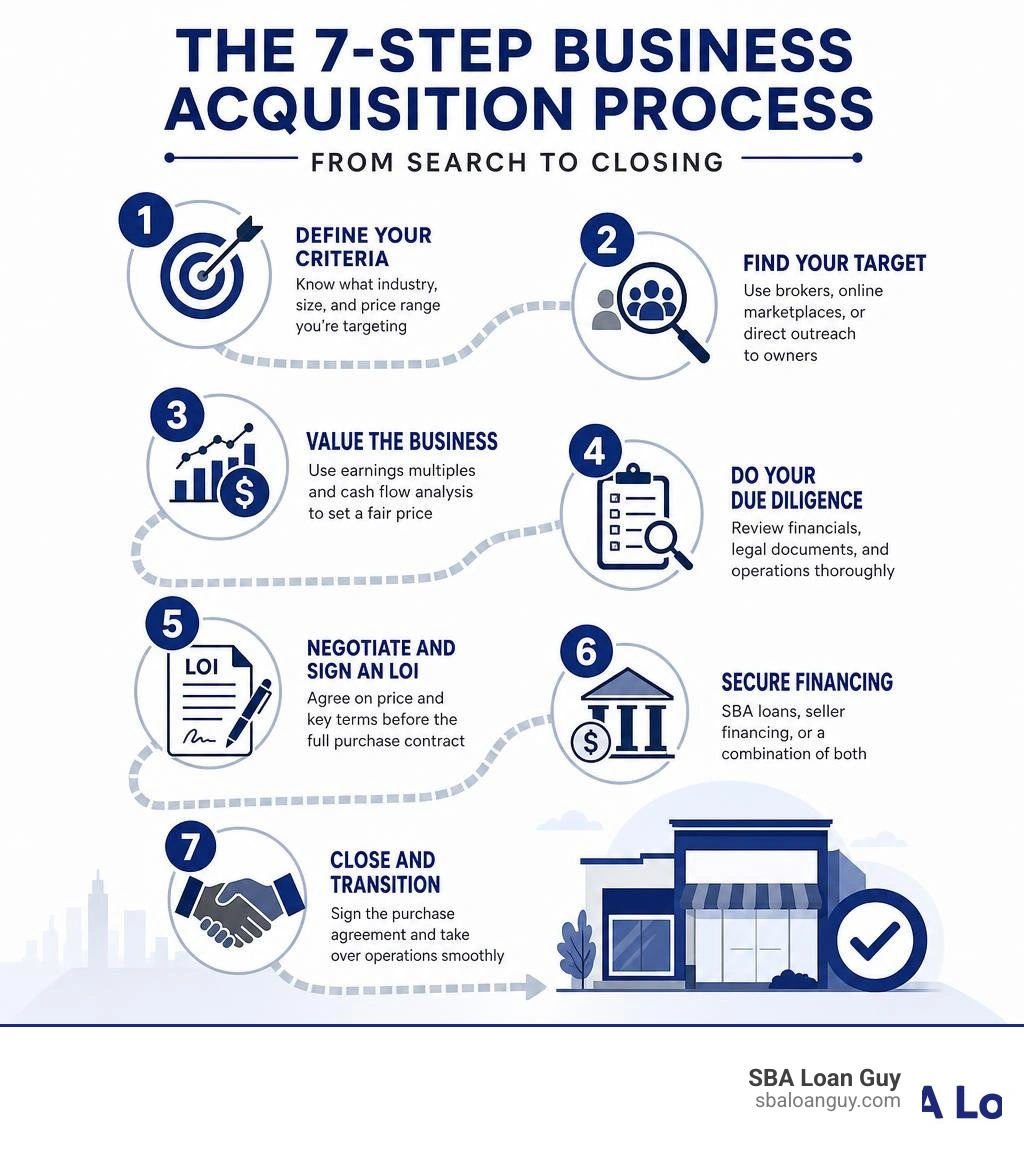
Quick look at How to acquire business:
When you want to run a business, you have two main choices. You can start a brand-new one from scratch, or you can buy one that is already running.
Think of starting a business like building a house in the middle of a forest. You have to chop down the trees, pour the concrete, and hope people find your road. Buying an existing business is like buying a beautiful, fully built home where the lights are already on and the neighbors already know your name.
Here is a simple look at how they compare:
Starting a business is exciting, but it is also full of surprises. You do not know if customers will actually buy what you are selling. When you learn How to Buy a Business: The Complete Guide for 2026 | Acquisition Stars , you bypass those scary early days. You inherit a business that has already proven it can make money.
If you decide to buy, you will also face another choice: do you buy an independent business or a franchise?
A franchise is like a "business in a box." Think of fast-food chains or national cleaning services. When you buy a franchise, you get a strict rulebook (brand guidelines). The parent company tells you exactly how to run the business. This gives you a lot of guidance, but you have very little operational control. You cannot suddenly decide to change the menu or the logo.
An independent business gives you total freedom. You are the boss of everything. There are no franchise fees or corporate rules to follow. However, you also get less guidance. You have to figure out the best way to grow on your own.

Before you start looking at businesses, you need a plan. We call this your investment thesis or target criteria.
Do not just look for "any business that makes money." You should write down exactly what you want. Think about:
If you try to buy a business without a plan, you will waste months looking at bad deals. To learn how to focus your search, check out this guide on building a Business Acquisition Strategy in 2026 .
Once you know what you want, where do you find them? There are a few main paths to locate great businesses:
How do you know if a business is worth the asking price? You cannot just trust what the seller tells you. You have to look at the math.
Small businesses are usually valued using a number called Seller Discretionary Earnings (SDE). This is the total amount of money the business actually makes for a single owner-operator.
To find SDE, you start with the net profit on the tax returns and add back:
Once you have the SDE, most small businesses sell for a multiple of that number. Usually, this multiple is between 2x and 4x SDE. So, if a business has an SDE of $100,000, it might be worth between $200,000 and $400,000.
While evaluating, keep your eyes open for these big red flags:
Once you find a business and agree on a rough price, you will sign a Letter of Intent (LOI). This is a document that says, "I want to buy your business for this price, as long as everything you told me is true."
After the LOI is signed, the due diligence period begins. This is your chance to look under the hood. You should hire an accountant to do a Quality of Earnings (QoE) report. This report verifies that the profit the seller claimed is real.
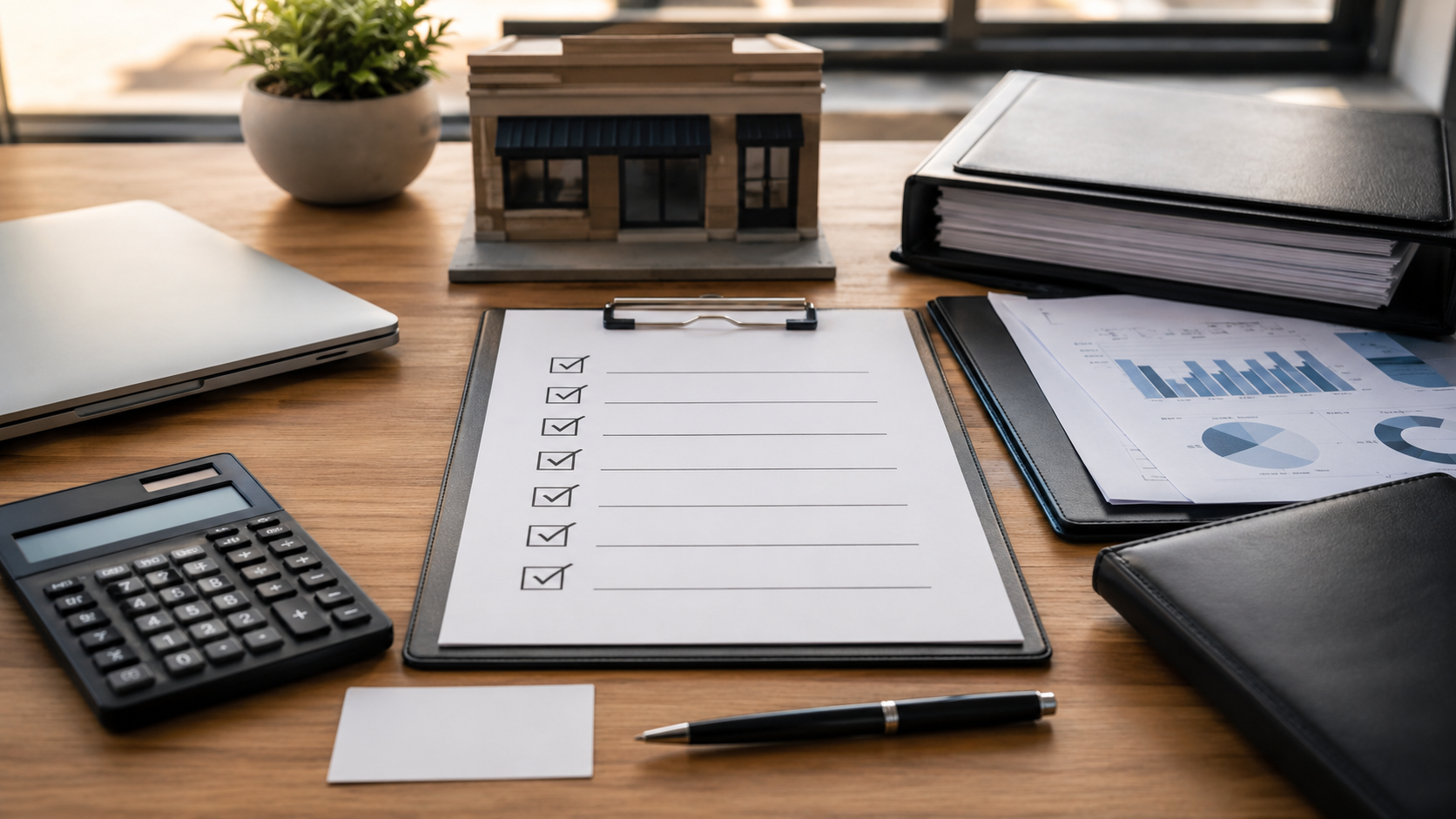
To help you stay organized, you can use a structured How To Buy A Business: 2026 Acquisition Guide .
You will also have to choose how to structure the transaction:
Once you are happy with due diligence, your lawyer will help you write the final purchase agreement. This contract must include several protections:
Most people do not buy a business with 100% of their own cash. Instead, they use a mix of different funding sources to create a "financing stack."
Common financing options include:
To explore these options further, read our guide on Financing a Small Business Acquisition.
For most buyers, the U.S. Small Business Administration (SBA) loan program is the absolute best way to finance an acquisition.
The SBA 7(a) loan is the go-to option. It allows you to borrow up to $5 million with a down payment as low as 10%. Even better, you can combine an SBA loan with seller financing to make your cash go even further. If structured correctly, a portion of the seller note can even count toward your required down payment!
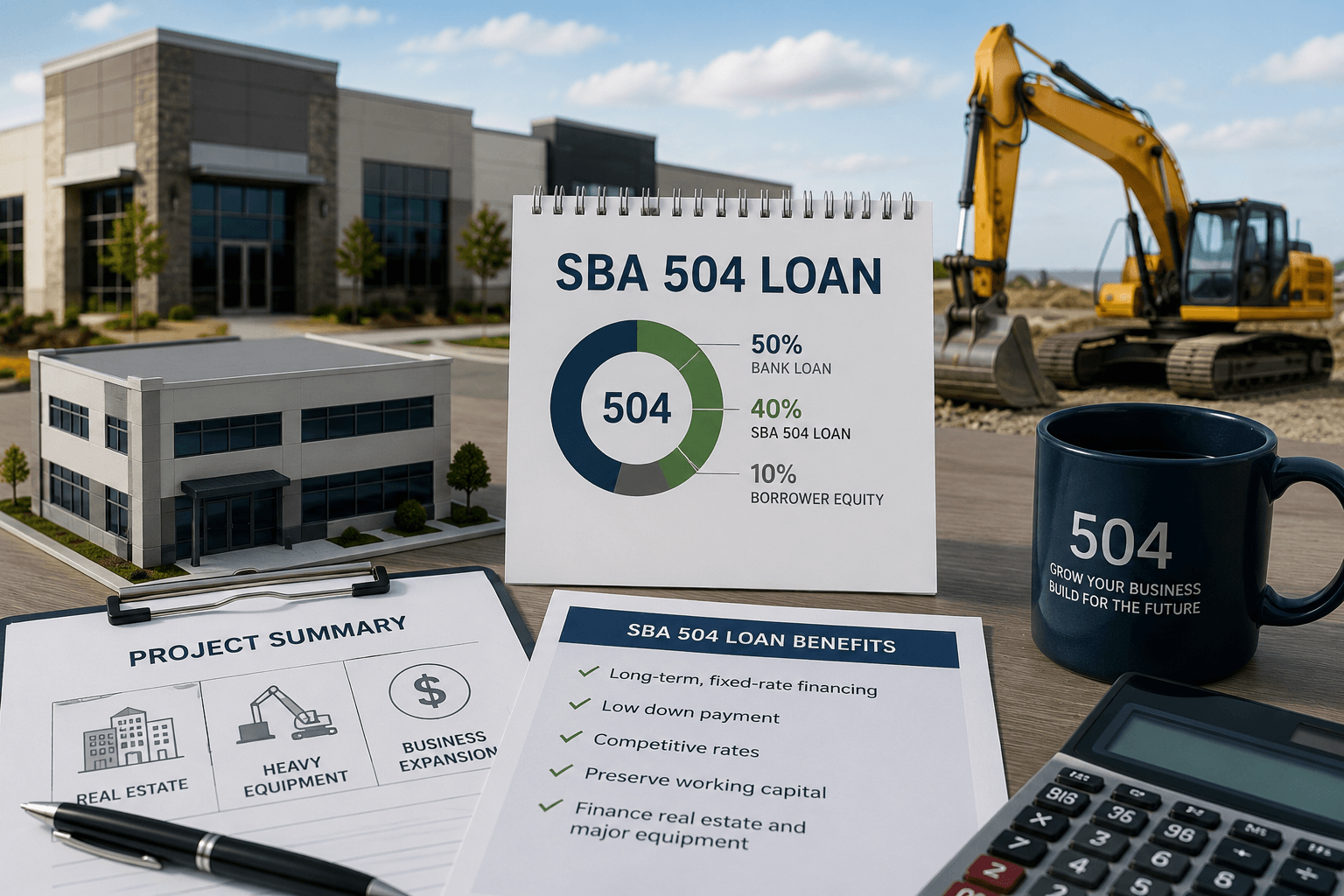
If you are buying a business that includes expensive real estate or heavy machinery, you might also use an SBA 504 loan, which offers long-term, fixed-rate financing for major fixed assets.
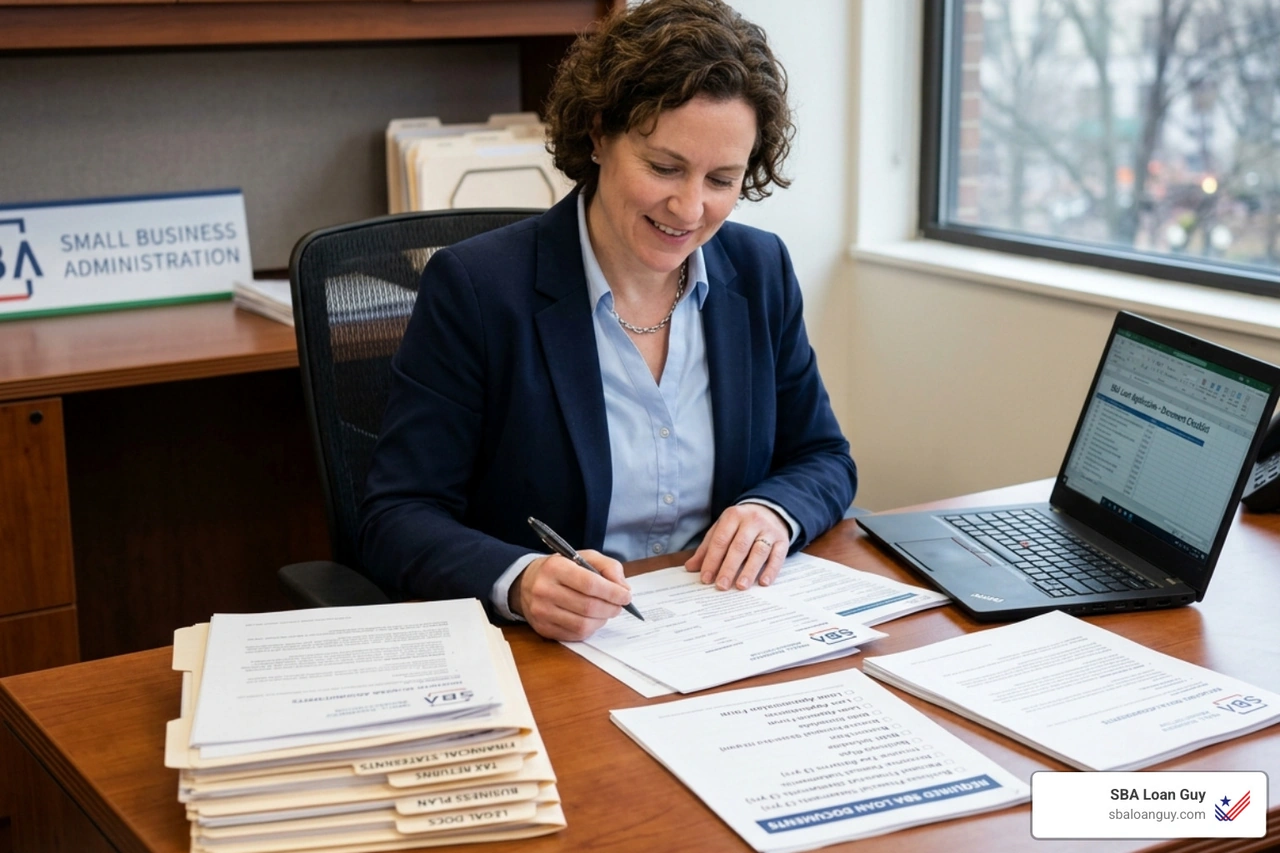
At SBA Loan Guy, we help make this complicated process simple. We prepare your application, match you with the perfect lenders, and guide you all the way to funding.
To learn more about how these loans work, check out our resources on SBA Loans for Business Acquisition and understand the step-by-step SBA Loan Acquisition Process.
For an SBA-financed purchase, you typically need 10% to 20% of the purchase price as a down payment. You also need to keep some cash in reserve for working capital (usually 3 to 6 months of operating expenses) to make sure you can pay your bills while you get settled.
The entire process usually takes 6 to 12 months from the day you start searching to the day you get the keys. Once you sign an LOI, the actual closing process (including due diligence and getting loan approval) takes about 60 to 120 days.
About 50% of deals collapse during due diligence. This usually happens because the buyer discovers hidden financial problems, undisclosed legal issues, or because the seller's actual tax returns do not match the profits they claimed in their marketing materials.
Acquiring an established business is one of the fastest, most reliable ways to build wealth and become your own boss in 2026. By skipping the risky startup phase, you start on third base with real cash flow, real customers, and a team that already knows what to do.
But you don't have to navigate this complex journey alone. At SBA Loan Guy, we are dedicated to helping entrepreneurs in The Woodlands, Houston, California, Orlando, Chicago, Indianapolis, New York City, and San Francisco secure the capital they need to grow.
We provide a personalized pre-qualification snapshot, match you with preferred lenders, and offer step-by-step guidance to secure SBA 7(a) and Express loans.
Ready to see how much financing you can qualify for? Learn more about your options by visiting our page on Small Business Acquisition Financing, or get started today by visiting SBA Loan Guy!

A distilled, 0–100 snapshot of how fundable you are based on credit, cash flow, equity, and documentation. Plus the top fixes to raise your score fast.
A curated shortlist of lenders that fit your profile and use of funds, with why each is a fit and exactly what they’ll want to see.
A tailored, step-by-step list of required docs and forms (formats, who provides them, and common pitfalls to avoid).
A realistic week-by-week path from pre-qual to closing, with milestones, dependencies, and an estimated target funding date.
Hands-on prep and documentation for SBA disaster programs (EIDL and others), including submissions, follow-ups, and guidance through appeals or requests for more info.
We prepare your application, match you with the
right lenders, and guide you until funding.