Discover if your business meets EIDL loan qualification requirements for SBA disaster relief funding today.
June 11, 2026
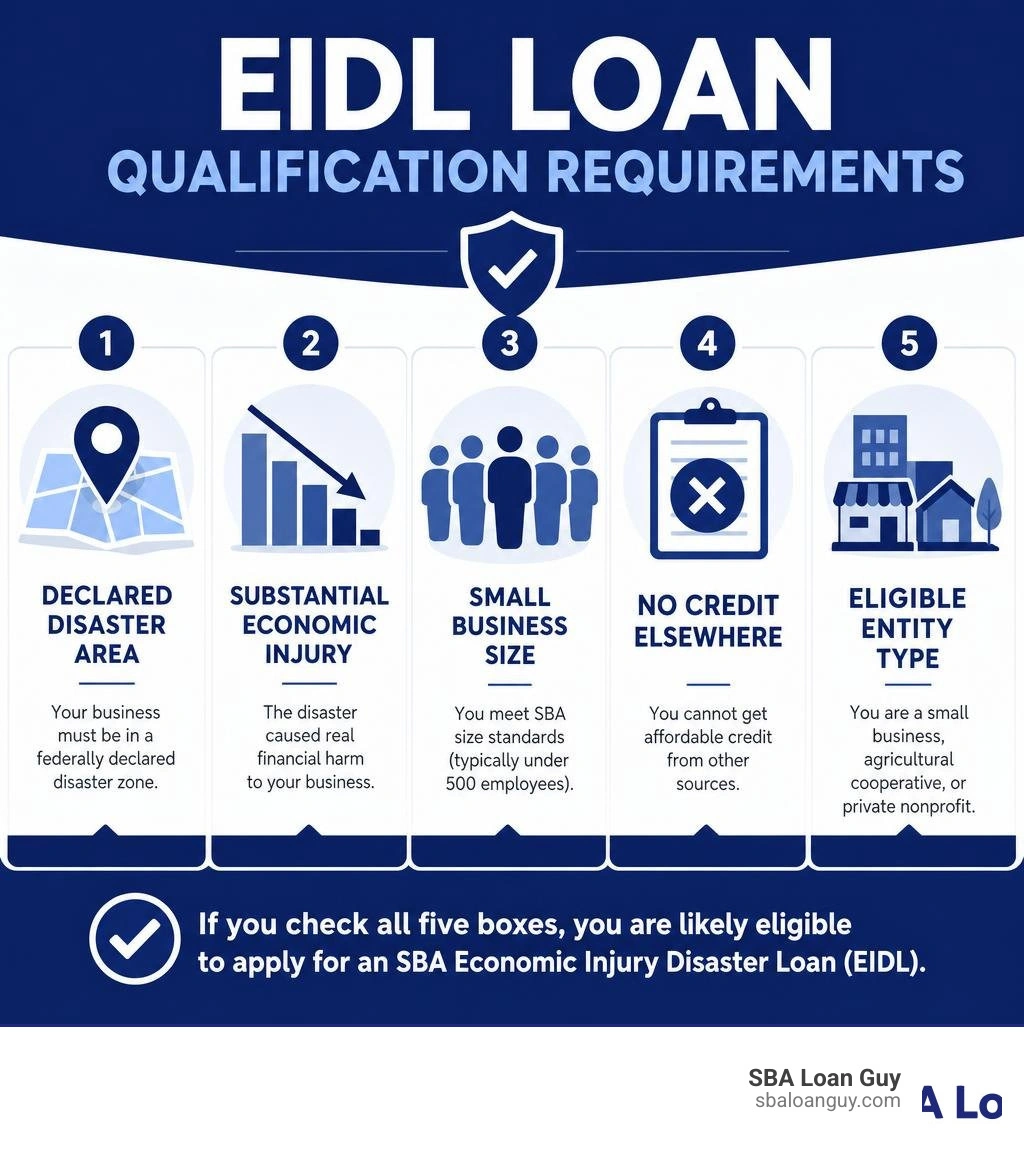
EIDL loan qualification comes down to five core requirements:
| Requirement | What It Means |
|---|---|
| Declared disaster area | Your business must be in a federally declared disaster zone |
| Substantial economic injury | The disaster caused real financial harm to your business |
| Small business size | You meet SBA size standards (typically under 500 employees) |
| No credit elsewhere | You cannot get affordable credit from other sources |
| Legal business structure | You are a small business, agricultural cooperative, or private nonprofit |
If you check all five boxes, you are likely eligible to apply for an SBA Economic Injury Disaster Loan (EIDL).
When disaster hits, most small business owners do not know where to turn for fast, affordable funding. Bills keep coming. Payroll still needs to go out. But revenue has stopped — or dropped sharply.
That is exactly what the SBA's EIDL program was built for.
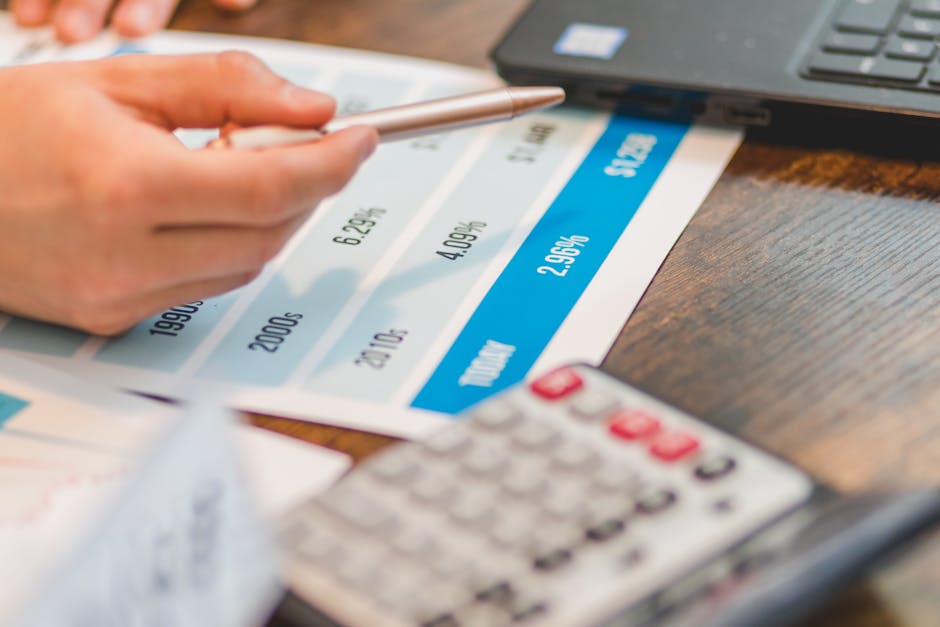
EIDL loans offer up to $2 million at a fixed rate of 3.75% for small businesses, with repayment terms up to 30 years and a 12-month interest-free deferral period. For many business owners, this is the most affordable emergency funding available after a declared disaster.
But not every business qualifies. The rules around eligibility can be confusing — especially if you are dealing with a disaster at the same time.
I'm Cesar DonDiego, a finance and accounting professional with hands-on experience helping small business owners understand EIDL loan qualification and navigate SBA programs to secure the funding they need. In this guide, I'll walk you through exactly what it takes to qualify, what to expect from the process, and how to put your best application forward.
Simple eidl loan qualification word guide:
An Economic Injury Disaster Loan (EIDL) is a special kind of low-interest loan given directly by the U.S. Small Business Administration (SBA). Unlike other SBA loans that go through private banks, EIDLs are funded directly by the federal government.
The main goal of an EIDL is to provide "working capital." Working capital is the money your business needs to pay everyday expenses. Think of it like a financial bridge. It helps your business cross over a tough time caused by a disaster until things get back to normal.
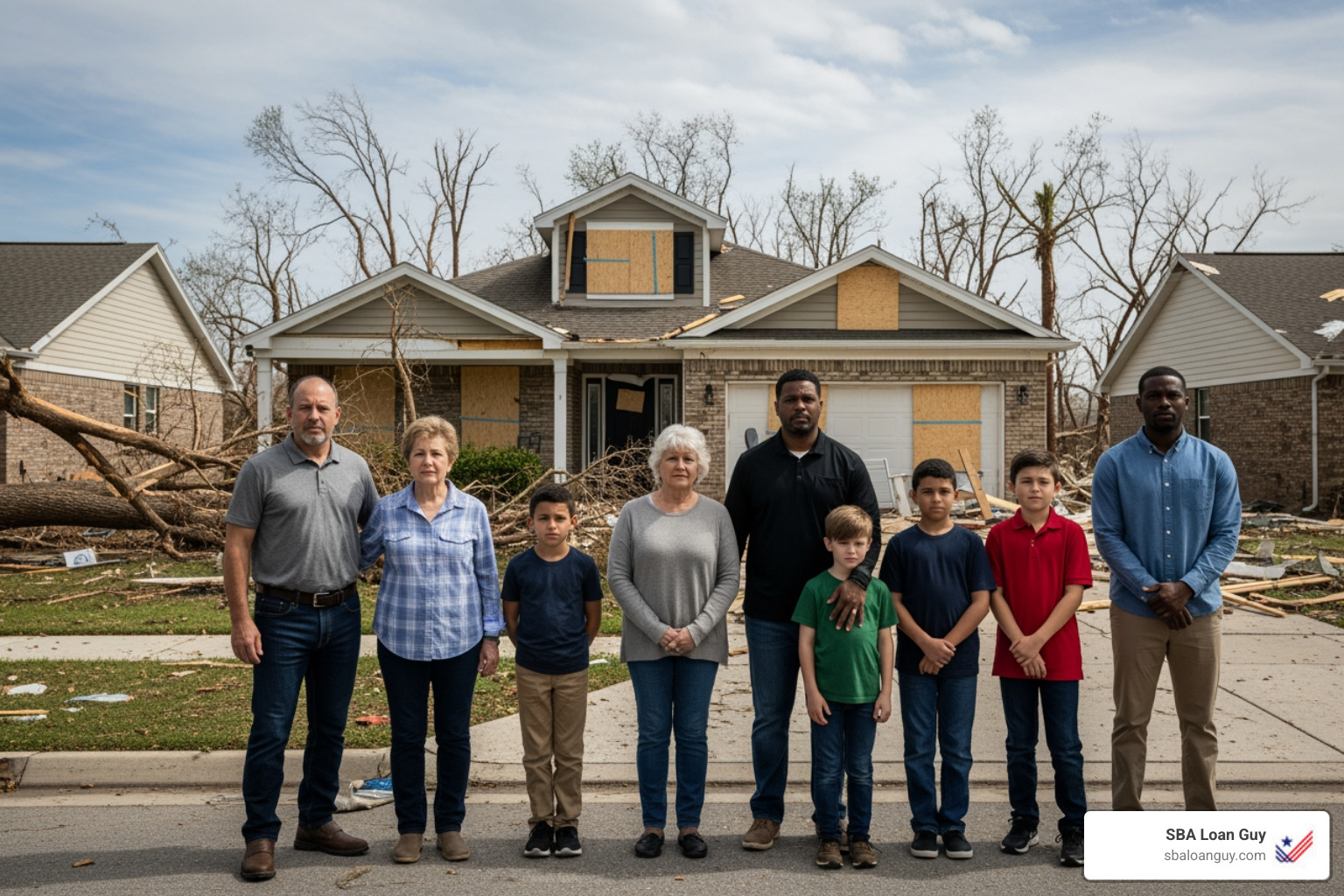
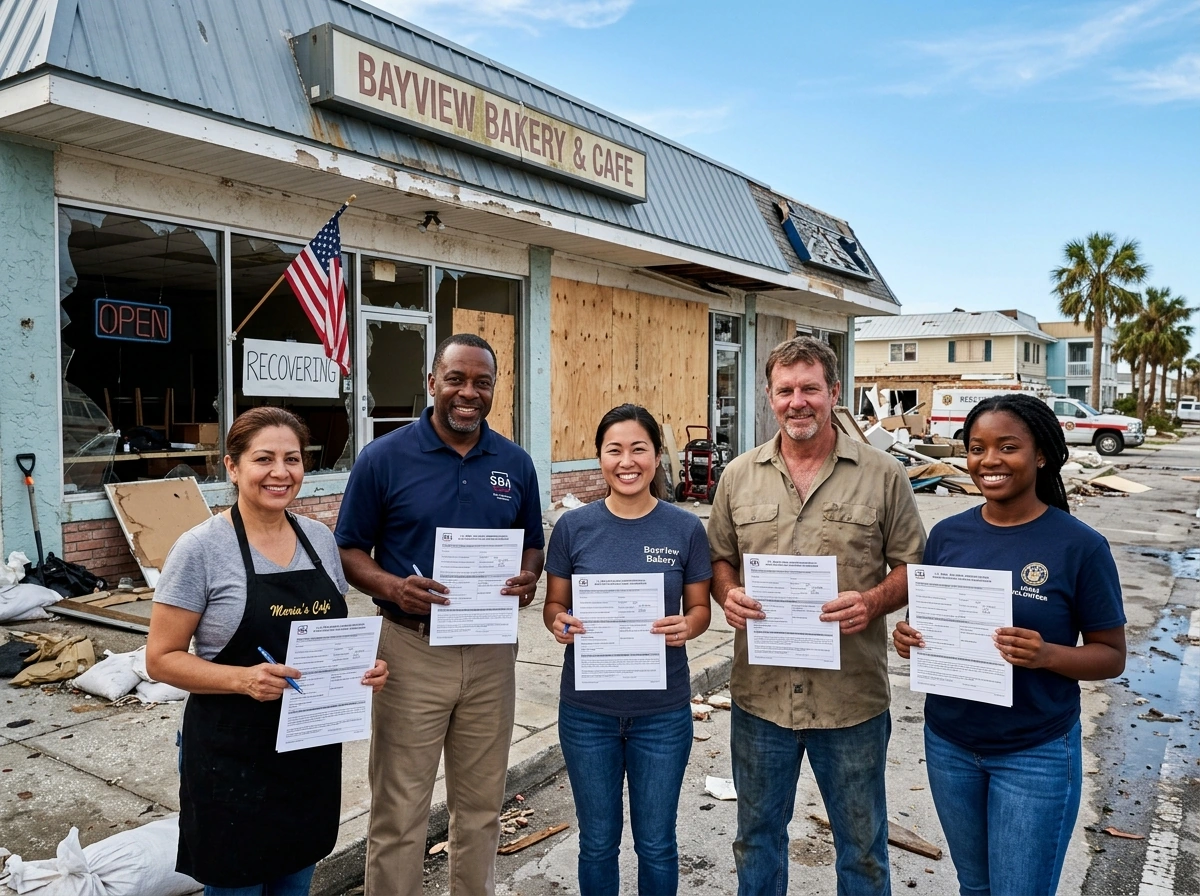
An EIDL is not a regular business loan. You cannot get one just because you want to expand your shop or buy new equipment. You can only apply for an EIDL when a formal disaster declaration has been made for your area. These disasters can be natural events like hurricanes, floods, tornadoes, wildfires, or earthquakes.
When a disaster strikes, the SBA steps in to offer Economic Injury Disaster Loans to help local businesses survive.
It is very common to confuse EIDLs with Physical Disaster Loans. While both are offered by the SBA after a disaster, they serve completely different purposes.
Here is a quick look at how they compare:
| Feature | Physical Disaster Loan | Economic Injury Disaster Loan (EIDL) |
|---|---|---|
| Purpose | Repair/replace physical assets (buildings, equipment) | Cover everyday operating expenses (payroll, rent, bills) |
| Physical Damage Required? | Yes | No |
| Maximum Combined Limit | $2 million (combined limit for both loan types) | $2 million (combined limit for both loan types) |
| Who Can Apply? | Businesses of any size and homeowners/renters | Small businesses, small agricultural co-ops, and nonprofits |
We often help our clients in California, Texas, Florida, and other states look at both options to see which matches their recovery needs.
To secure an EIDL, your business must meet specific rules set by the federal government. These rules ensure that the money goes to the businesses that need it most.
The three most important rules for traditional eidl loan qualification are:
Additionally, the SBA looks closely at whether you meet the standard government small business loans requirements before moving your application forward.
To get an EIDL, your business must qualify as a "small business" under SBA rules.
Generally, this means your business must have 500 or fewer employees. However, the exact size standard can vary depending on your industry. The SBA uses the North American Industry Classification System (NAICS) to set these limits. For some industries, the limit is based on annual revenue rather than the number of employees.
According to the federal rules outlined in 13 CFR § 123.300, the following entities are eligible to apply:
What exactly does "substantial economic injury" mean?
The SBA defines it as a situation where a business is unable to meet its daily obligations and pay its ordinary operating expenses because of the disaster. In simple terms: you cannot pay your rent, utilities, payroll, or supplier bills because the disaster cut off your cash flow.
It is important to know that a simple drop in sales or a loss of anticipated profits is not enough by itself. You must show that the disaster has made it difficult or impossible to keep your business running without emergency help.
The SBA will review your historical financial data to confirm this injury. This is why understanding the income requirements for sba loan programs is so helpful when preparing your files.
EIDL loans are famous for having some of the most borrower-friendly terms in the entire lending industry. Because the government is trying to help you recover rather than make a profit, the rates are kept very low.
Depending on how much money you borrow, the SBA will require different levels of security for the loan.
To learn more about how this affects you, read our detailed guide on the Eidl Personal Guarantee.
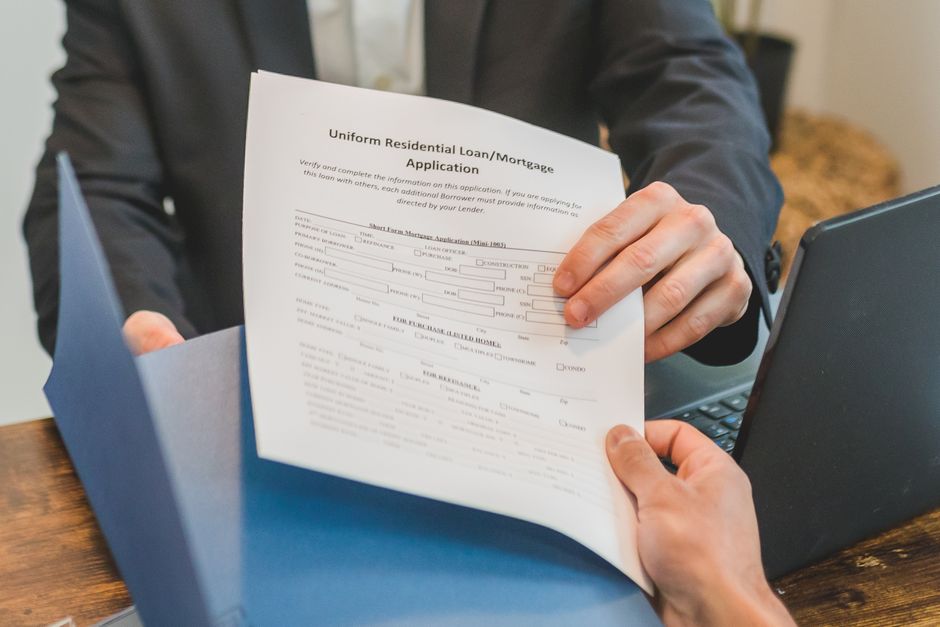
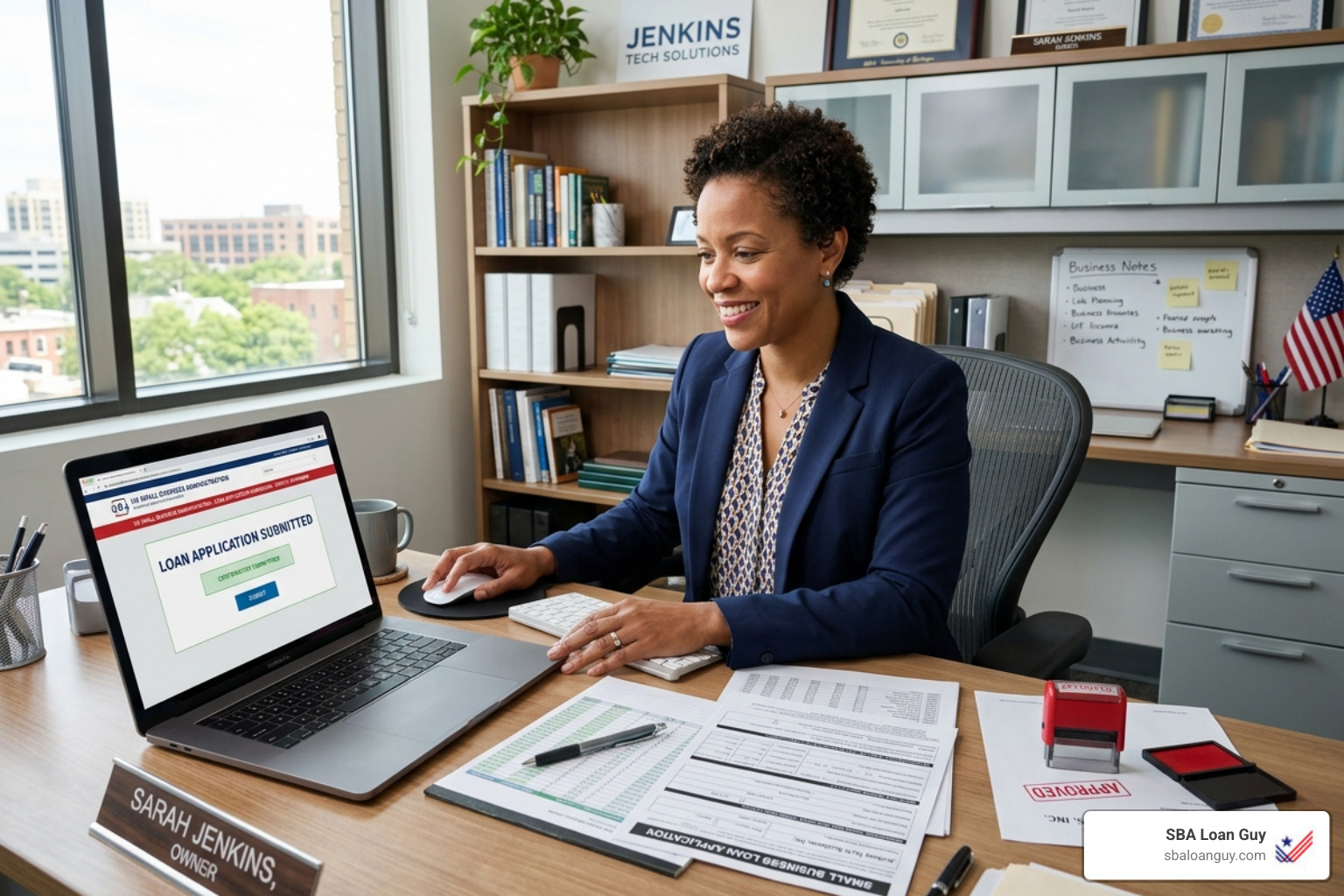
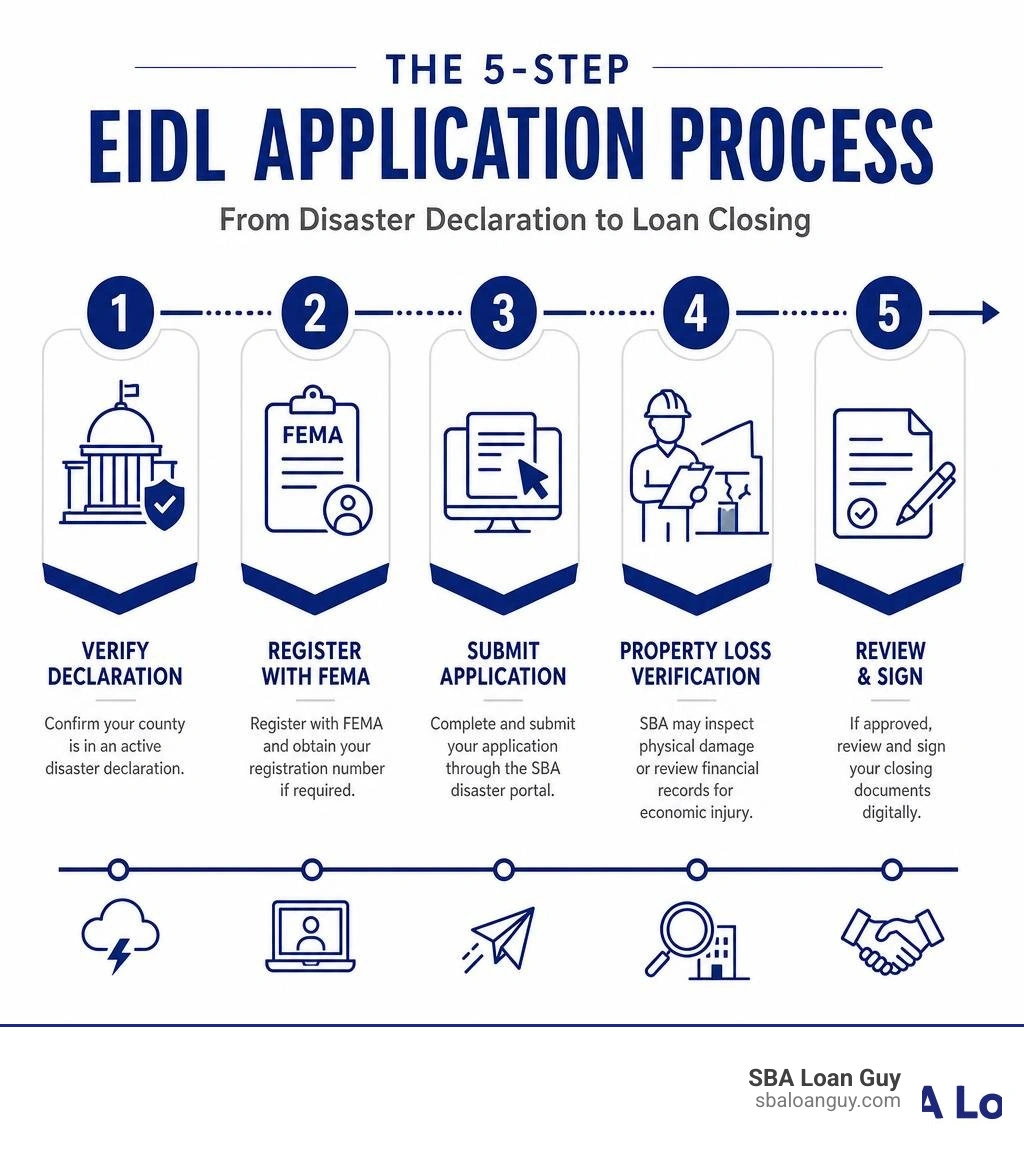
Applying for an EIDL is done online through the SBA's digital systems.
If you are applying after a localized natural disaster (like a storm in Houston or a flood in Chicago), the first step is often registering with FEMA to get a registration number. Once you have that, you will use the Eidl Online Portal to complete your application.
Here is the step-by-step process:
If you find this system overwhelming, you do not have to do it alone. We offer specialized Help Applying For Eidl Loan programs to guide you through every screen and form.
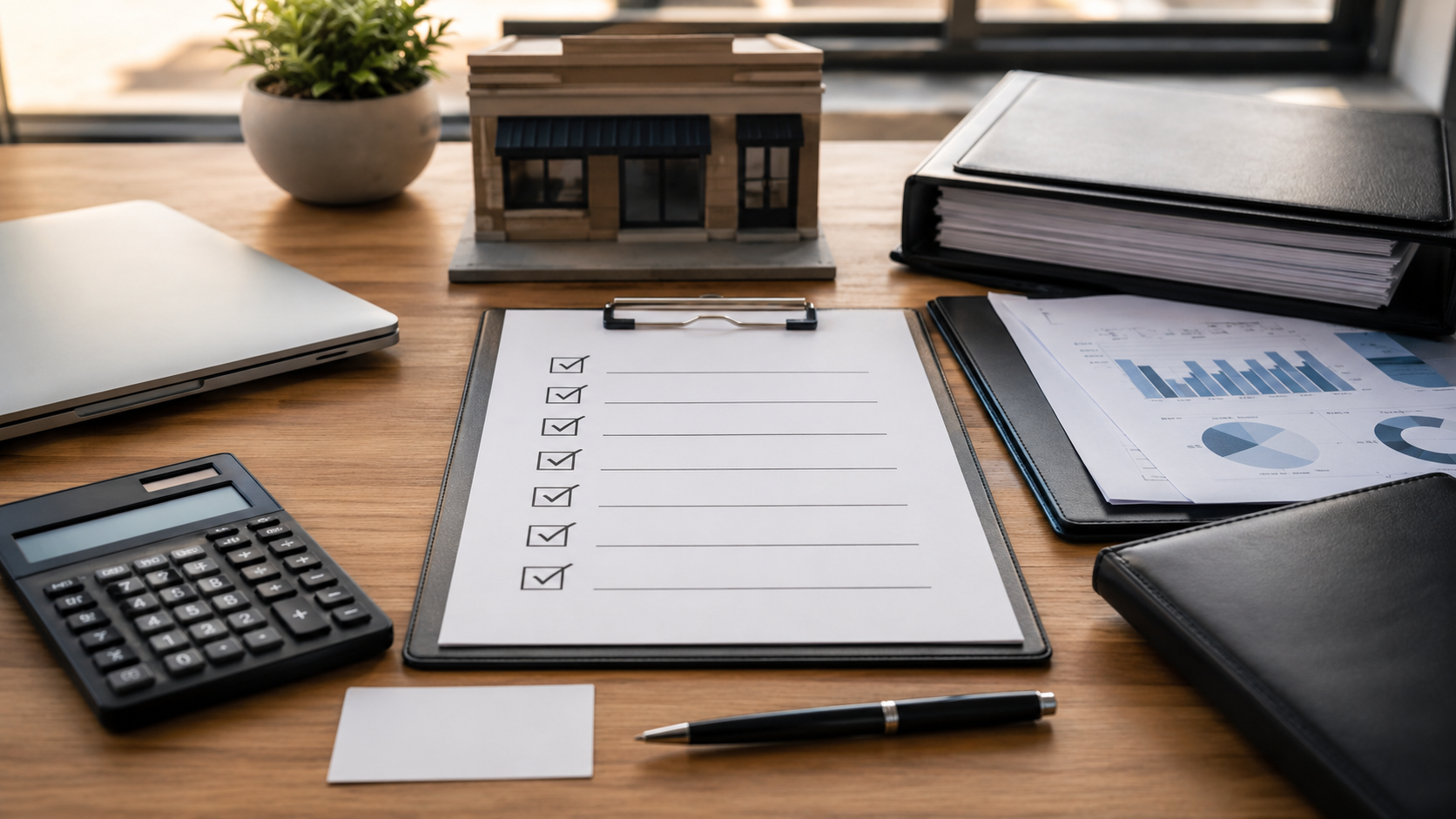
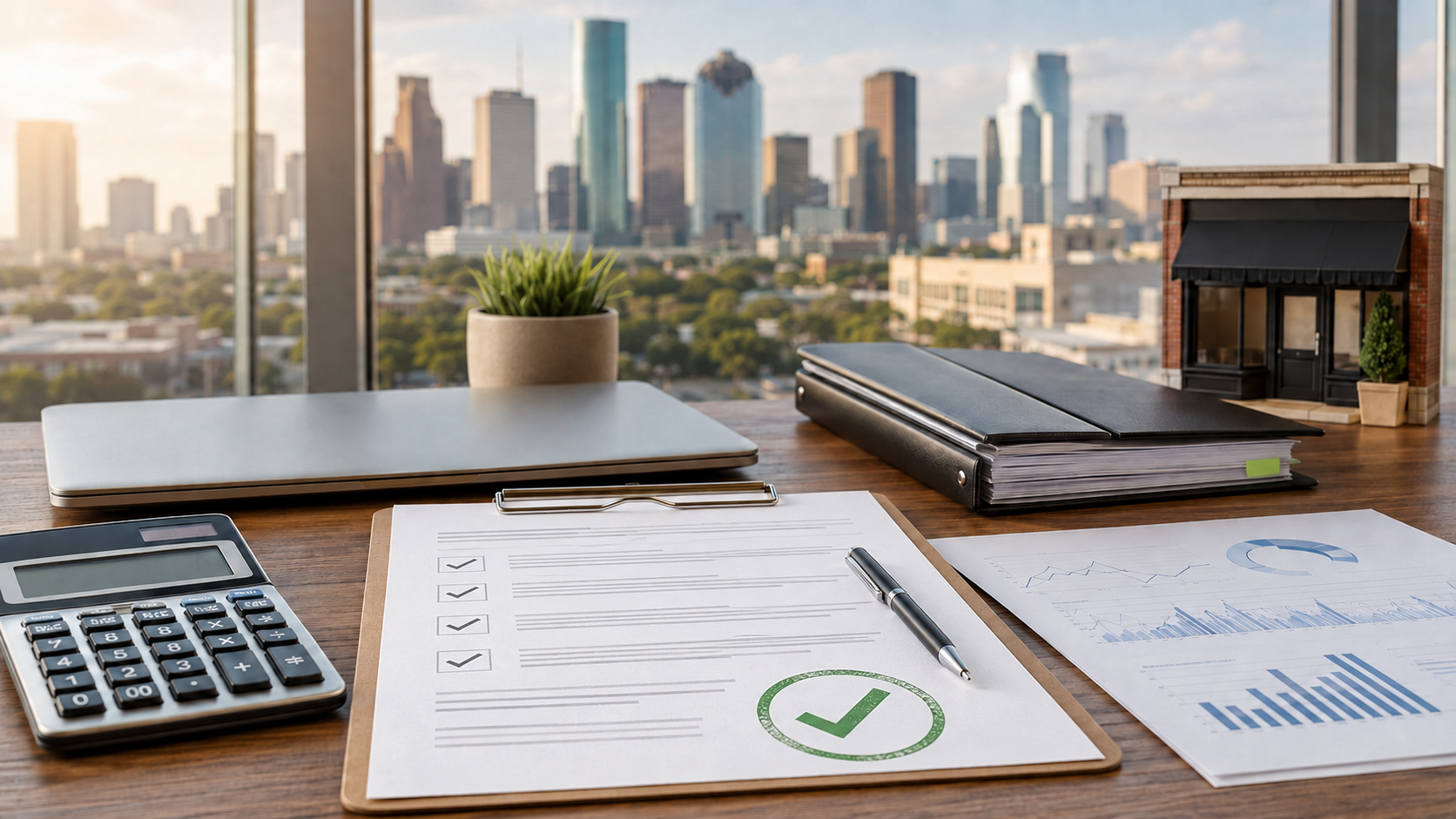
To avoid delays, you should gather all your documents before you start. The SBA is very strict about paperwork.
Here is what you will typically need to provide:
Many business owners remember the massive COVID-19 EIDL program. While it was based on the same disaster loan system, there are major differences between the COVID-19 version and the traditional EIDL loans available today in 2026.
The COVID-19 EIDL program was a massive, nationwide relief effort. Because the pandemic affected the entire country, the SBA relaxed many rules. For example, they did not require businesses to prove "no credit elsewhere," and they allowed 24-month deferrals.
However, the COVID-19 EIDL program is completely closed. The SBA stopped accepting new applications on January 1, 2022, and stopped processing increases on May 6, 2022. You can read the official history on the SBA's About COVID-19 EIDL page.
Today, we only deal with traditional, non-COVID EIDLs. These are triggered by specific, localized disasters (like a hurricane in Orlando or a wildfire in California).
Key differences include:
Not all businesses can get an EIDL, even if they are small and located in a disaster area. Ineligible businesses include:
Yes, but only for active, non-COVID disaster loans. If you realize your economic injury is worse than originally calculated, you can request an increase. The SBA will review your updated financial statements and tax records to see if a higher amount is justified, up to the overall $2 million cap.
If your application is denied, do not panic. You have the right to file a written appeal. You must submit your appeal to the SBA's Disaster Assistance Processing and Disbursement Center within the timeframe listed on your denial letter (usually 6 months for the first denial). We recommend working with an expert to address the specific reasons for denial in your appeal letter.
Navigating eidl loan qualification can feel like trying to solve a puzzle in the middle of a storm. When your business is recovering from a disaster, the last thing you want to do is spend hours decoding federal regulations.
That is where we come in. At SBA Loan Guy, we help business owners in California, Texas, Florida, Illinois, Indiana, and New York get pre-qualified and matched with the right funding programs. Whether you need an Eidl Loan Specialist to double-check your paperwork or want to explore other government options like SBA 7(a) or Express loans, we are here to guide you every step of the way.
Ready to see how we can help your business recover? Check out our guide on SBA Disaster Loans or contact us today to get your personalized pre-qualification snapshot!

A distilled, 0–100 snapshot of how fundable you are based on credit, cash flow, equity, and documentation. Plus the top fixes to raise your score fast.
A curated shortlist of lenders that fit your profile and use of funds, with why each is a fit and exactly what they’ll want to see.
A tailored, step-by-step list of required docs and forms (formats, who provides them, and common pitfalls to avoid).
A realistic week-by-week path from pre-qual to closing, with milestones, dependencies, and an estimated target funding date.
Hands-on prep and documentation for SBA disaster programs (EIDL and others), including submissions, follow-ups, and guidance through appeals or requests for more info.
We prepare your application, match you with the
right lenders, and guide you until funding.