Understand what the appraiser looks at, when an environmental review may be required and what can slow a commercial property closing.
October 30, 2026
When a business buys commercial property with SBA-backed financing, two third-party reports often decide how smoothly the closing goes: the appraisal and, depending on the property, an environmental review. Neither report is something you can write yourself, but you can prepare for both and avoid the surprises that tend to cause delays.
This guide explains how lenders generally use appraisals, what an appraiser considers, when an environmental review such as a Phase I may be required, who typically orders and pays, and what can hold up a closing. It is general information. Each lender sets its own process, and approval is never automatic.

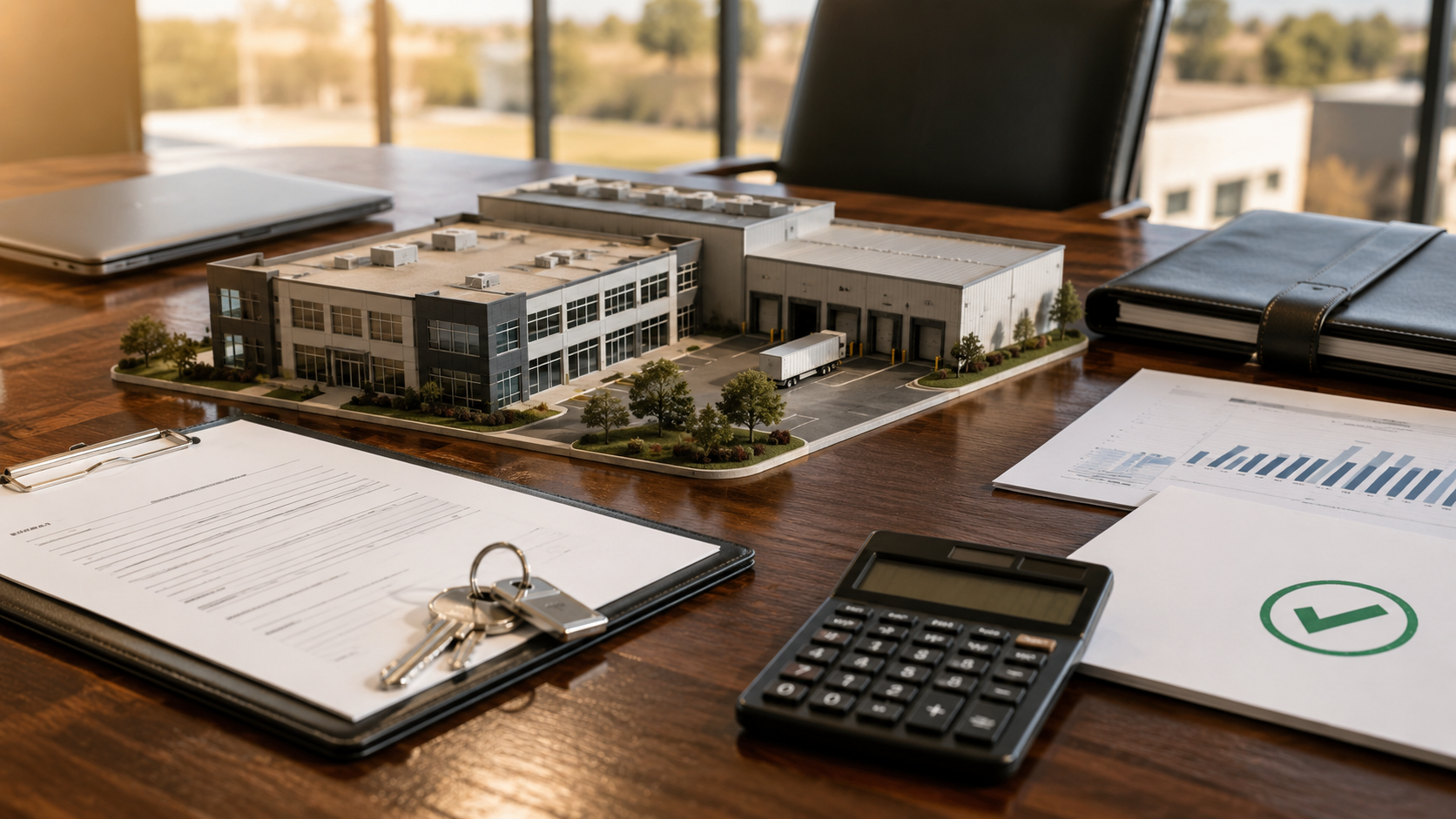
A commercial appraisal is an independent opinion of a property's value prepared by a licensed appraiser. Lenders rely on it to confirm that the property supports the loan, and the lender typically orders it directly so the appraiser stays independent of the buyer and seller. Ask your lender how its process works. A lender generally uses the appraisal to:
Program rules come from SBA's Standard Operating Procedure (SOP 50 10) and the lender's own policy; confirm the current version with your lender, including what appraisal and environmental review it requires for your property.
Appraisers follow professional standards and typically draw on more than one way of estimating value. The exact mix depends on the property type and how it is used.

In general terms, the lender orders the appraisal from an appraiser it chooses, and the borrower pays the cost even if the lender places the order. Timelines vary by property type, the appraiser's workload and how quickly documents are provided, so ask the lender for an estimate rather than assuming one. Having leases, a rent roll, operating statements and property details ready can help the appraiser work efficiently.
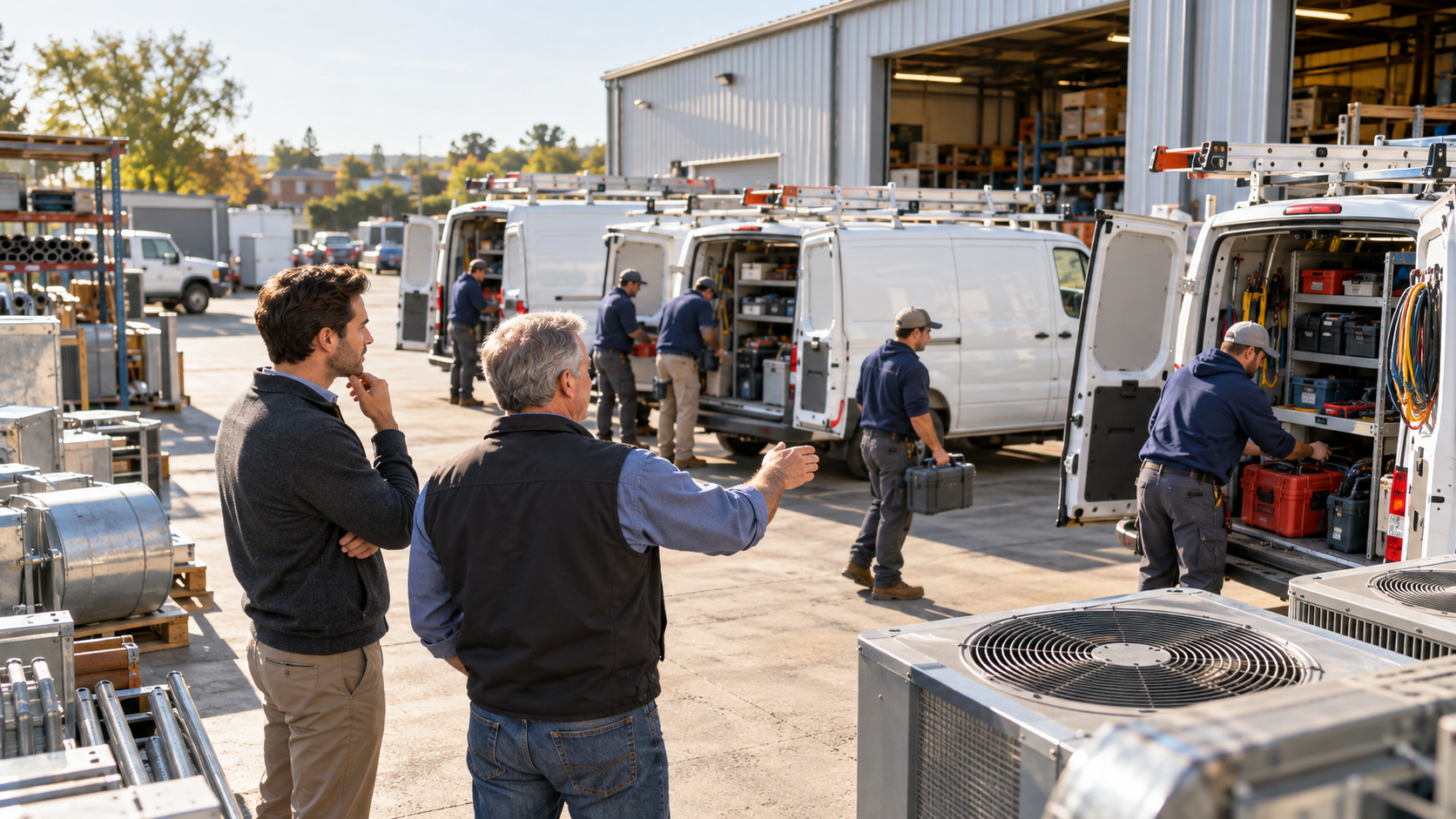
An environmental review looks at whether the property's current or past uses could create contamination or cleanup risk. The most common starting point is a Phase I Environmental Site Assessment, which typically reviews property records, historical uses, nearby sites and a site visit by a qualified professional. Whether one is required depends on the lender's policy and the property, with uses such as fueling, dry cleaning, auto repair or industrial work often drawing closer attention. If a Phase I identifies a concern, the lender may ask for further testing or a plan before closing. As with the appraisal, ask the lender who orders the report, which firms it accepts and who pays.
Here is an example of how an appraisal can change a deal. Suppose you contract to buy a building for $1,200,000, and the appraisal comes back at $1,100,000. The $100,000 difference is about 8 percent below the price. Depending on the lender and the contract, you might renegotiate the price, bring additional cash, challenge the appraisal with supporting information, or step back. The numbers are hypothetical and for illustration only.
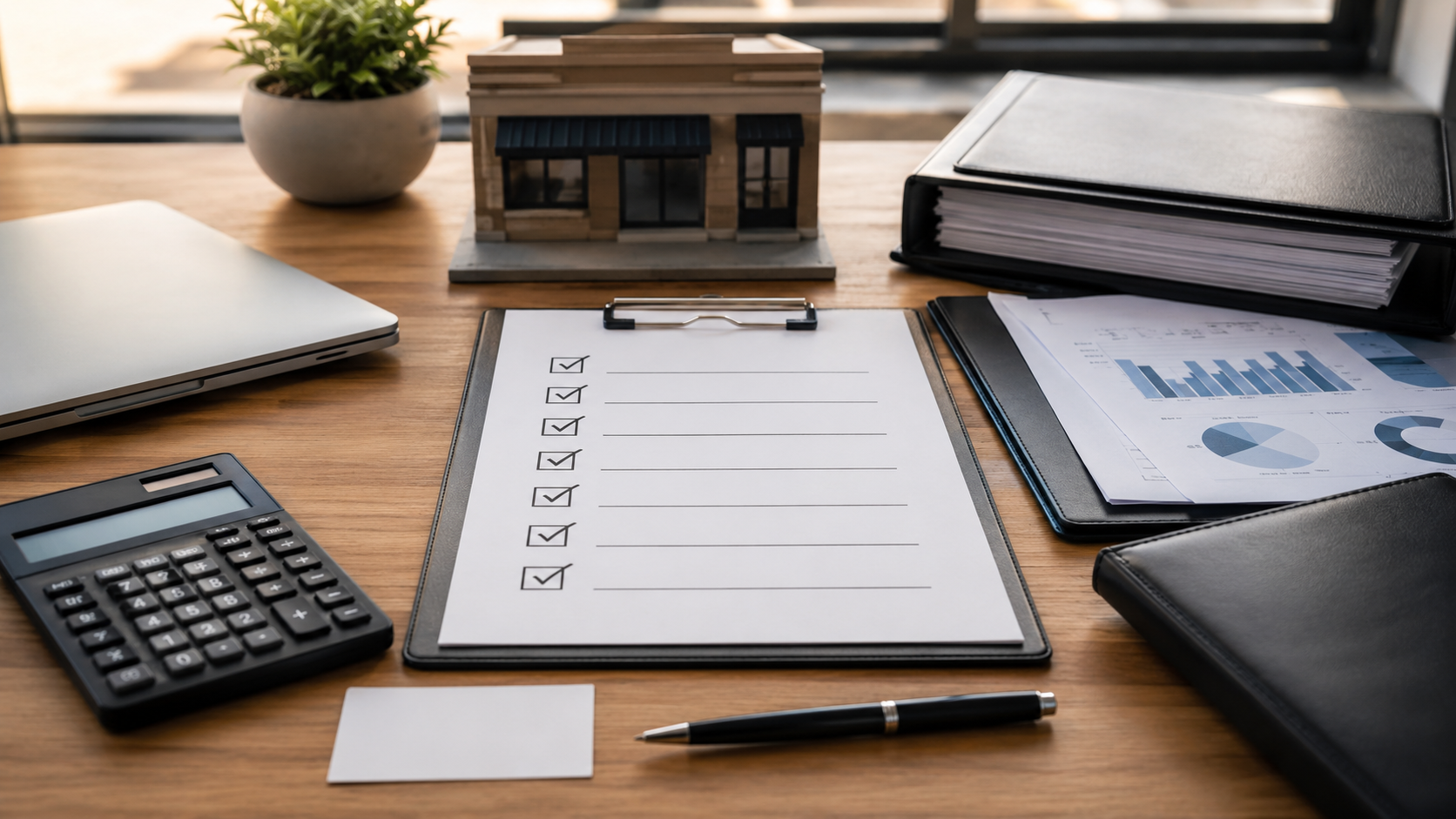
1. Read the purchase contract. Check deadlines for the appraisal and environmental review and what happens if either comes back unfavorable.
2. Gather property documents early. Collect leases, a rent roll, operating statements, tax bills, surveys and any prior reports the seller can share.
3. Ask the lender what it will order. Confirm which reports are required, who orders them, who pays and the typical timing.
4. Plan for the gap. Decide in advance how you would handle an appraisal below the price and keep cash available for report costs.
5. Respond quickly to follow-up. Answer questions from the appraiser or environmental consultant promptly, and share information that helps explain unusual features of the property.
Staying organized on the property side lets the lender focus on the rest of the file.
Who orders the appraisal for an SBA commercial property loan?
In general, the lender orders it so that the appraiser is independent, and the borrower pays. Confirm the process with your lender because it can vary.
Is a Phase I environmental report always required?
Not always. Whether one is required depends on the lender's policy and the property's use and history. Ask early, because the report can take time to complete.
What happens if the appraisal is lower than the price?
It depends on the lender and the contract. Buyers sometimes renegotiate, add cash or walk away if the contract allows. Your attorney can explain your contract options.
How long do these reports take?
Timing varies by property and provider, so there is no reliable general number. Ask the lender and the providers for current estimates and build in extra time.
The appraisal and the environmental review are checkpoints that confirm what you are buying before the loan closes. Knowing who orders them, what they examine and what could slow them gives you time to plan for surprises. Good preparation cannot guarantee approval or a particular closing date, but it can help you avoid avoidable delays.
Planning a commercial property purchase? Contact SBA Loan Guy to talk through your timeline and the reports your lender may require before you go under contract.
This article is general information only. It is not legal, tax, accounting or financial advice. SBA Loan Guy is not a lender and is not affiliated with or endorsed by the U.S. Small Business Administration. Program rules, eligibility and requirements change, so confirm current details with a licensed lender and SBA.gov before you make a decision.

A distilled, 0–100 snapshot of how fundable you are based on credit, cash flow, equity, and documentation. Plus the top fixes to raise your score fast.
A curated shortlist of lenders that fit your profile and use of funds, with why each is a fit and exactly what they’ll want to see.
A tailored, step-by-step list of required docs and forms (formats, who provides them, and common pitfalls to avoid).
A realistic week-by-week path from pre-qual to closing, with milestones, dependencies, and an estimated target funding date.
Hands-on prep and documentation for SBA disaster programs (EIDL and others), including submissions, follow-ups, and guidance through appeals or requests for more info.
We prepare your application, match you with the
right lenders, and guide you until funding.