A plain guide to add backs in a business purchase, with common categories, a worked example, and tips for documenting each adjustment.
October 30, 2026
When a seller says a business earns more than its tax return shows, the difference comes from adjustments called add backs. For a lender, the question about SBA loan add backs is simple: can each adjustment be documented, and will it still be true after the new owner takes over? SBA Loan Guy helps Houston-area buyers organize that evidence before a lender sees it.
This guide covers what an add back is, the categories lenders commonly discuss, how an underwriter tests them, and a worked example with simple numbers. Whether a given adjustment is accepted depends on the lender and the facts in the file, so treat the examples as illustrations, not promises.

An add back is an expense on the seller's financial statements that gets added back to profit because it will not continue, does not belong to normal operations, or is not a true cash cost. Sellers and business brokers use add backs to show the earnings a new owner could expect. Lenders use them too, but they apply their own judgment, because the adjusted number is what the loan payment has to be covered by.
A lender usually asks the same questions about every adjustment.
Program rules and lender policies change, so confirm what applies to your deal against SBA's Standard Operating Procedure (SBA SOP 50 10 (check the current revision)) and the lender's own policy. The SBA 7(a) program page explains the basics of the most common SBA program.
Lenders tend to discuss the same handful of categories. Each of these may be accepted with documentation, but none is automatic.

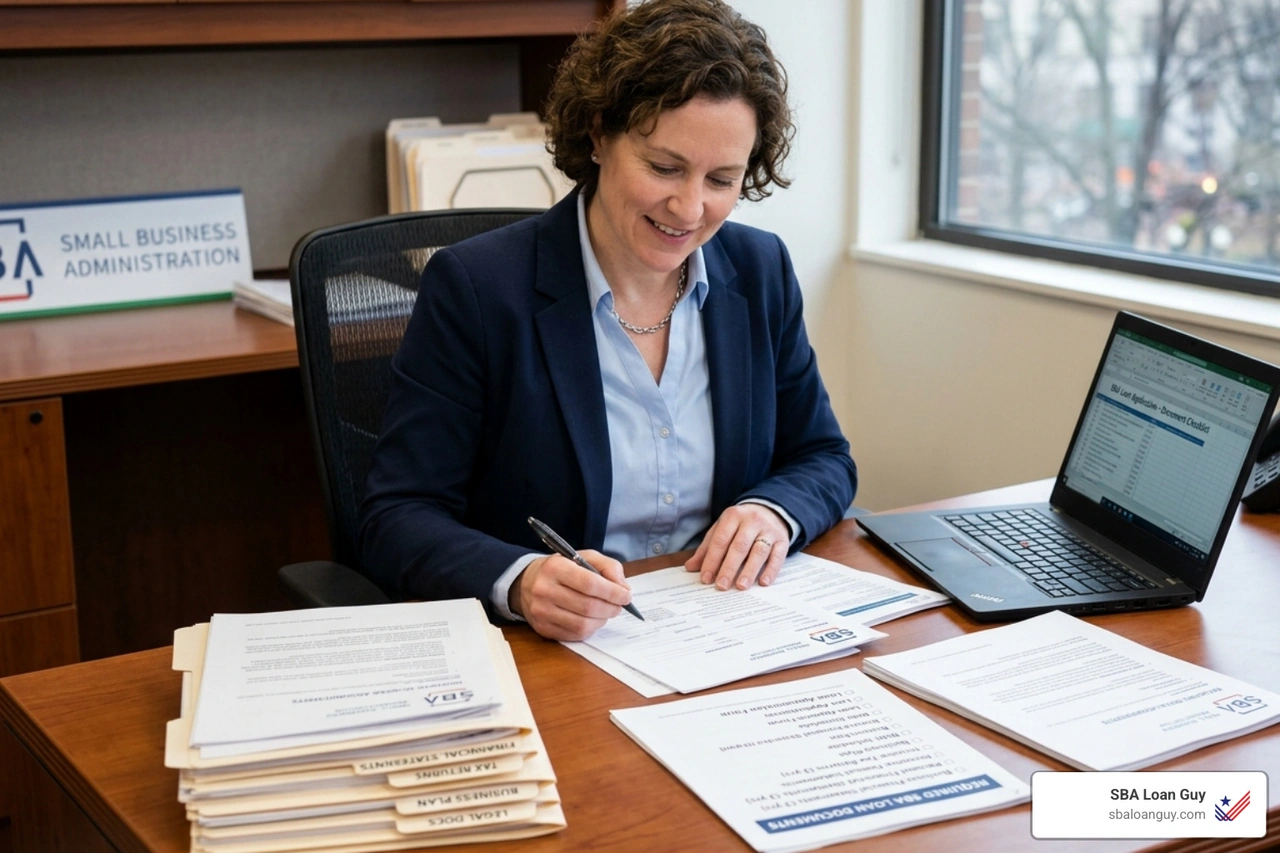
Underwriters rarely accept a schedule on its face. They trace each add back to its source, often starting at the general ledger and moving to invoices, payroll records, bank statements and the tax return. A seller's list of add backs is treated as a claim, and the file needs enough evidence for the lender to agree with it.
Lenders also make their own adjustments. They may reduce an add back, reject one, or add a cost the seller left out, such as a market salary for a manager or deferred maintenance. Two buyers looking at the same listing can end up with different adjusted earnings from different lenders, which is a good reason to ask each lender early how it treats owner compensation and one-time items.
For example, a seller's tax return shows net profit of $120,000, and the seller presents these add backs:
The seller's adjusted earnings are $120,000 + $55,000 + $30,000 + $12,000 + $8,000 = $225,000. Now suppose the lender finds similar legal fees in each of the last two years and treats the settlement as a recurring cost. The lender's adjusted earnings become $213,000, which is $12,000, or about 5.3 percent, lower.
The gap looks small, but it flows into the debt service calculation. If annual loan payments were $150,000, the ratio of earnings to payments would fall from 1.50 to about 1.42. These numbers are illustrative only. Each lender sets its own cushion, so ask the lender for the current minimum.
1. List every adjustment in one schedule. Show the line item, the year, the amount and the reason, in the same order as the profit and loss statement.
2. Attach support for each line. Invoices, contracts, payroll reports, settlement agreements and receipts should be labeled to match the schedule.
3. Replace what the seller did. For owner pay, show the market cost of the role the buyer will fill, and be ready to explain the buyer's own draw.
4. Reconcile to the tax returns and interim statements. Explain any gap between the schedule and the filed returns, including timing differences.
5. Ask the lender which items it will count. Raise the largest adjustments first, before you commit to a price that depends on them.
Can I add back the owner's entire salary?
Usually not. A buyer generally has to replace the owner's work, either by hiring someone or by working in the business. Lenders typically keep a market-level cost for that role in the numbers and may add back only the excess. How they set that level depends on the lender.
Do lenders accept the adjusted earnings in a broker's listing package?
A broker's figure is a starting point. Lenders usually rebuild earnings from the tax returns, interim statements and supporting records, and may reach a different number.
Is depreciation always added back?
It is a non-cash expense, so lenders often add it back. They may also consider whether equipment will need to be replaced and how that spending will be funded.
What if I cannot document an expense?
Undocumented items are the ones most likely to be reduced or left out. Ask the seller to help assemble records before you submit, or leave the item out of your own projections.
Add backs can change what a business appears to earn, so lenders check them carefully. The adjustments that hold up are documented, tied to the tax returns and not needed by the next owner. Build the schedule from records, assume the lender will adjust some lines, and leave room in your plan for that. This approach does not promise an approval or any particular terms, but it helps a lender follow your numbers.
Working out which adjustments your deal can support? Contact SBA Loan Guy to review your add back schedule before you talk to a lender.
This article is general information only. It is not legal, tax, accounting or financial advice. SBA Loan Guy is not a lender and is not affiliated with or endorsed by the U.S. Small Business Administration. Program rules, eligibility and requirements change, so confirm current details with a licensed lender and SBA.gov before you make a decision.

A distilled, 0–100 snapshot of how fundable you are based on credit, cash flow, equity, and documentation. Plus the top fixes to raise your score fast.
A curated shortlist of lenders that fit your profile and use of funds, with why each is a fit and exactly what they’ll want to see.
A tailored, step-by-step list of required docs and forms (formats, who provides them, and common pitfalls to avoid).
A realistic week-by-week path from pre-qual to closing, with milestones, dependencies, and an estimated target funding date.
Hands-on prep and documentation for SBA disaster programs (EIDL and others), including submissions, follow-ups, and guidance through appeals or requests for more info.
We prepare your application, match you with the
right lenders, and guide you until funding.